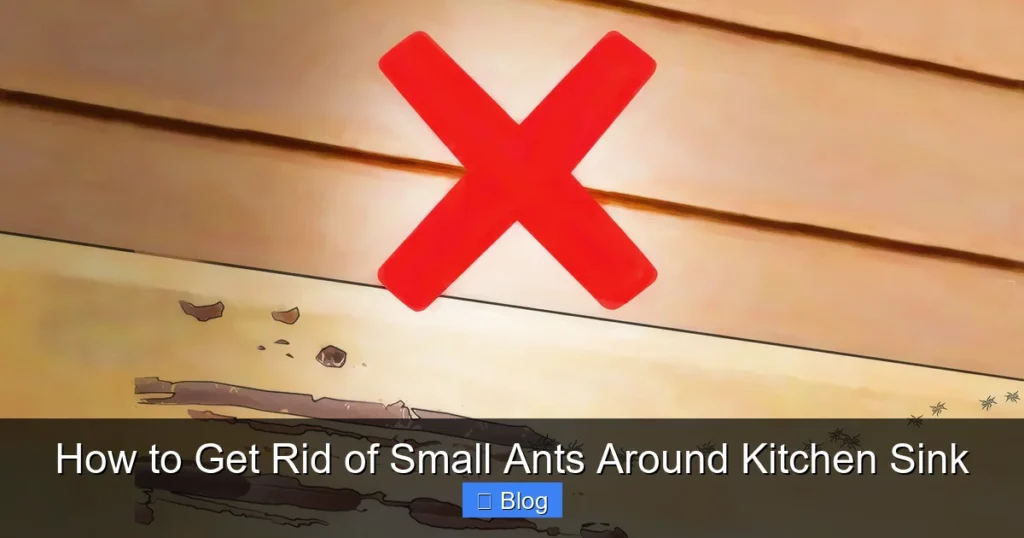
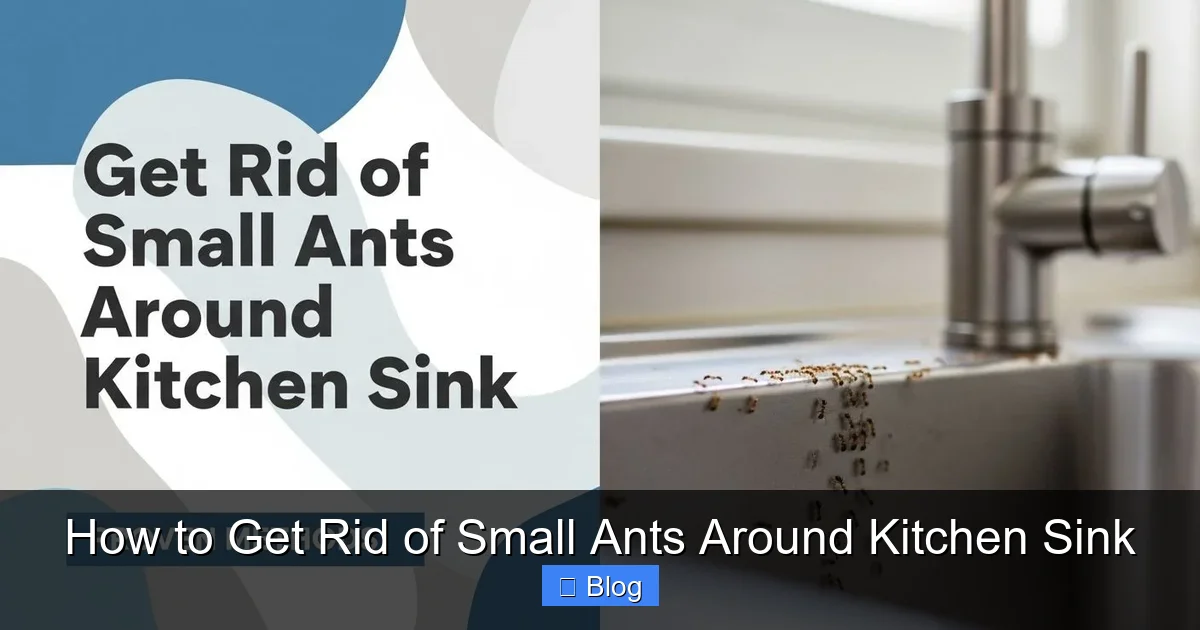
Small ants near your kitchen sink are often drawn by moisture, crumbs, or food residue left behind. These tiny invaders can quickly multiply and become a persistent problem if not addressed promptly. With the right combination of cleaning, exclusion methods, and targeted treatments, you can eliminate ants and keep them from returning.
Key Takeaways
- Understanding How To Get Rid Of Small Ants Around Kitchen Sink: Provides essential knowledge
📑 Table of Contents
- How to Get Rid of Small Ants Around Kitchen Sink: A Complete Guide
- Why Are Ants Attracted to Your Kitchen Sink?
- Step-by-Step: How to Get Rid of Small Ants Around Kitchen Sink
- Natural vs. Chemical Treatments: What Works Best?
- Prevention Tips to Keep Ants Away Forever
- Conclusion: Stay Ahead of Ant Problems
How to Get Rid of Small Ants Around Kitchen Sink: A Complete Guide
If you’ve noticed tiny ants swarming around your kitchen sink, you’re not alone. These little invaders are more than just a nuisance—they’re often a sign that something in your kitchen is attracting them. Whether it’s spilled sugar, standing water, or crumbs left behind during dishwashing, ants are drawn to warmth, moisture, and food. The good news? Getting rid of small ants around your kitchen sink doesn’t have to involve harsh chemicals or expensive treatments. With consistent cleaning, smart prevention strategies, and a few natural remedies, you can reclaim your kitchen and keep those six-legged guests at bay.
In this guide, we’ll walk you through everything you need to know about identifying, eliminating, and preventing ant infestations near your kitchen sink. From spotting the signs early to using eco-friendly solutions, you’ll learn practical steps that work fast and last long. We’ll also share tips on sealing entry points, maintaining cleanliness, and knowing when it’s time to bring in the pros. Because let’s be honest—no one wants to share their kitchen with uninvited guests, especially not ants.
Why Are Ants Attracted to Your Kitchen Sink?
The Role of Moisture and Food Residues
Ants are opportunistic scavengers. They don’t just want food—they’re looking for anything that smells like sugar, protein, or grease. After you wash dishes, tiny food particles can linger in crevices, under the faucet, or even inside the garbage disposal. Even a single drop of juice or a stray crumb can trigger an entire ant trail. Over time, these scent markers guide more ants into your home, starting a chain reaction.
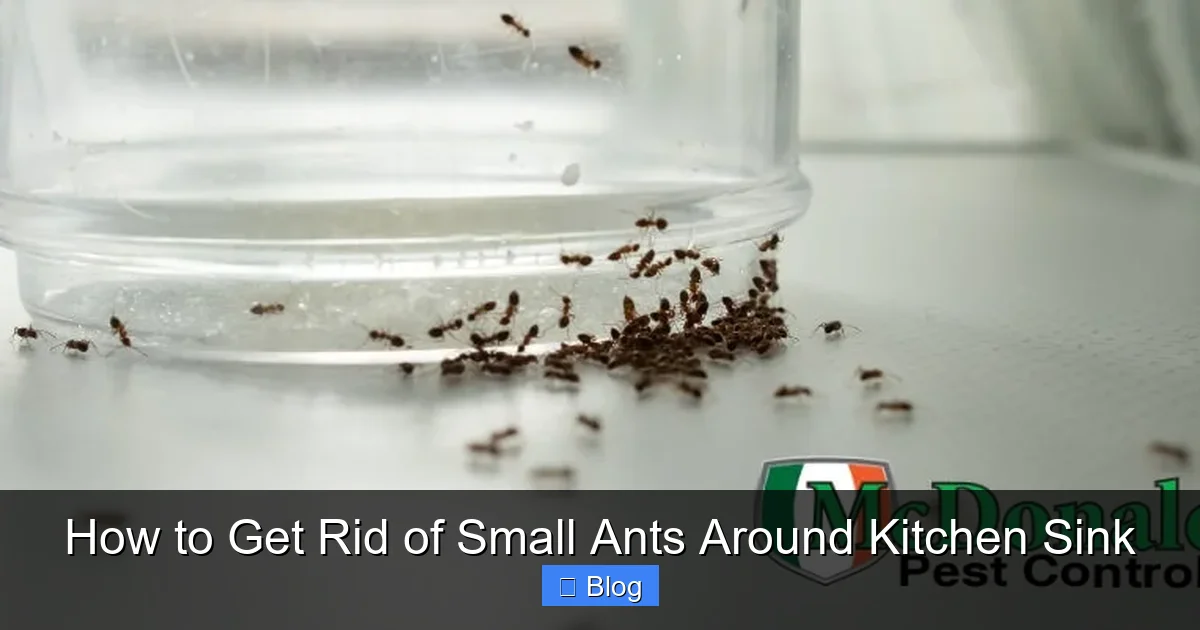
Visual guide about How to Get Rid of Small Ants Around Kitchen Sink
Image source: mcdonaldpestcontrol.com
Moisture is another big draw. Ants love damp environments, and the area around your kitchen sink is prime real estate. Leaky pipes, condensation from hot water, or even just high humidity levels create ideal breeding grounds. Once they find a reliable water source, they’ll set up camp nearby and send out scouts to look for more resources.
Common Entry Points Near the Sink
Most ants enter homes through the smallest cracks and gaps. Around your kitchen sink, common entry spots include:
- Gaps between the countertop and cabinet
- Loose caulk around the sink basin
- Under the faucet where the handle meets the spout
- Behind the dishwasher or garbage disposal (if not properly sealed)
Once inside, they follow established trails to reach food and water sources. That’s why simply spraying ants as they crawl won’t solve the problem—you’re only treating symptoms, not the root cause.
Step-by-Step: How to Get Rid of Small Ants Around Kitchen Sink
1. Inspect and Clean Thoroughly
Before applying any treatment, start with a deep clean. Ants are attracted to anything that smells like food. Use a mixture of white vinegar and water (1:1 ratio) to wipe down every surface around the sink—countertops, backsplash, and the cabinet below. Vinegar neutralizes scent trails and removes residues ants use to navigate.
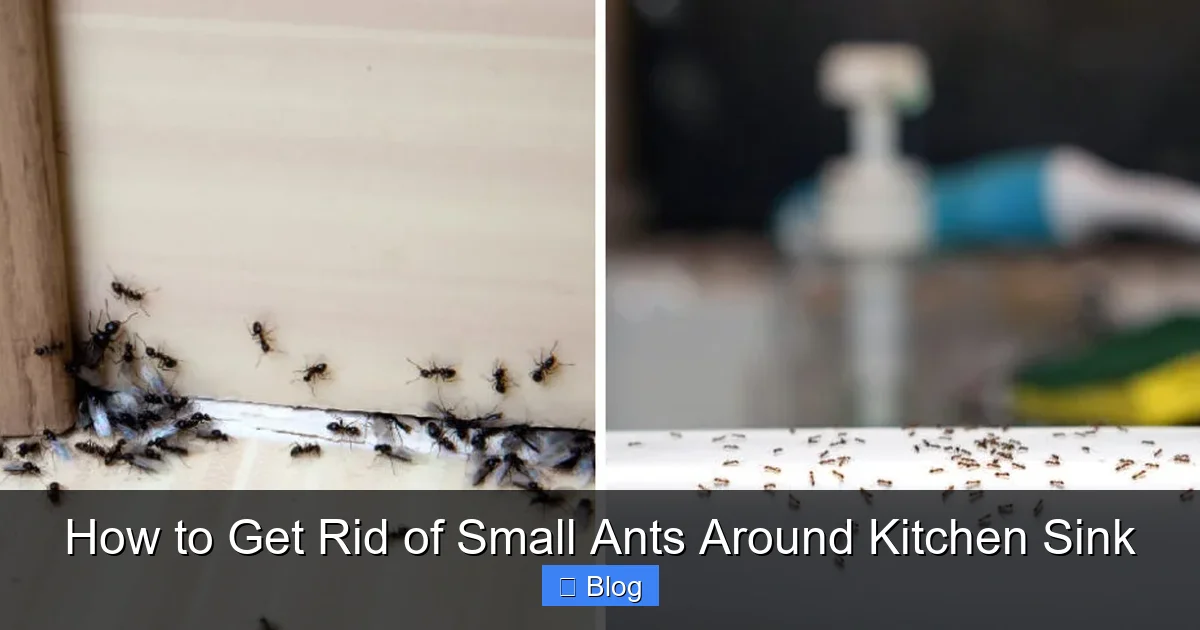
Visual guide about How to Get Rid of Small Ants Around Kitchen Sink
Image source: thekitchenix.com
Don’t forget to check behind and under appliances. Pull out the trash can and scrub underneath. Look for spills, dried-on food, or sticky spots. Pay special attention to the edges of the sink and the base of the faucet where grime tends to build up. A clean environment makes it harder for ants to feel “at home.”
2. Seal Cracks and Gaps
Once you’ve cleaned, it’s time to block their path. Use silicone-based caulk to seal any visible gaps around the sink, especially where it meets the countertop or wall. For smaller cracks near electrical outlets or plumbing lines, consider using steel wool dipped in petroleum jelly—ants can’t chew through it, so they’ll avoid crossing.
Also, ensure your window sills and door thresholds are tightly fitted. Ants can squeeze through spaces as narrow as 1/16 inch. Regularly inspect these areas and repair damaged weatherstripping or trim.
3. Eliminate Moisture Sources
Since ants need water to survive, reducing moisture is key. Fix any dripping faucets or leaky pipes immediately. Run the dishwasher or washing machine fully before leaving them overnight to prevent residual water buildup. After washing dishes, wipe down the sink and surrounding areas to remove excess moisture.
You might also consider installing an exhaust fan above the stove if you live in a humid climate. Proper ventilation helps lower indoor humidity and discourages ants from settling in.
4. Use Natural Repellents
If chemical sprays make you uncomfortable, try nature’s own repellents. Sprinkle cinnamon or black pepper around the perimeter of your sink and cabinets. Ants avoid these spices because they disrupt their pheromone communication. You can also mix equal parts water and lemon juice in a spray bottle—the citric acid acts as a natural deterrent.
Vinegar sprays are another favorite. Simply spray directly onto ant trails or entry points. Not only does it smell unpleasant to humans, but the acidity breaks down the chemical signals ants rely on to communicate.
5. Apply Non-Toxic Baits
For stubborn colonies, baits are highly effective. Unlike sprays that kill only the ants you see, baits allow worker ants to carry poison back to the nest, eventually wiping out the queen and entire colony. Look for sugar-based baits if you suspect sweet-loving species like pavement ants; protein-based baits work better for carpenter ants.
Place baits near known ant paths but away from children or pets. Change bait stations regularly and replace them if they dry out. Consistency matters—ant activity may return temporarily as the bait takes effect, but over time, the colony should disappear.
6. Maintain Long-Term Prevention
Stopping ants from coming back requires ongoing effort. Always store food in airtight containers, clean spills instantly, and take out the trash daily. Don’t leave dirty dishes soaking overnight—they emit odors that attract foraging ants.
Consider setting up sticky traps near baseboards or under sinks. While not lethal, they help monitor ant movement and alert you if new colonies are forming. Regularly vacuuming and mopping floors also reduces scent trails and keeps the environment less appealing.
Natural vs. Chemical Treatments: What Works Best?
Pros and Cons of Natural Remedies
Natural solutions like vinegar, baking soda, and essential oils are safe for kids, pets, and the planet. They’re gentle enough to use daily without damaging surfaces or causing harm. However, they often require repeated applications and may not eliminate large colonies quickly.
Visual guide about How to Get Rid of Small Ants Around Kitchen Sink
Image source: kitchenwaresets.com
Baking soda and sugar baits are popular DIY options. Mix them together and place small amounts near ant trails. The ants eat the sweet sugar, then ingest the baking soda, which causes gas buildup in their digestive systems—effectively killing them over time. But again, this method works best for minor infestations.
When to Consider Professional Pest Control
If ants keep returning despite your best efforts, it might be time to call a professional. Signs include:
- Large numbers of ants visible during daytime
- Nests found inside walls or under flooring
- Damage to wood structures (indicating carpenter ants)
- Ants entering from multiple rooms
Professionals use targeted insecticides, heat treatments, or fumigation techniques that penetrate deep into nests. They can also identify hard-to-find entry points and recommend structural repairs to prevent future issues.
Prevention Tips to Keep Ants Away Forever
Keep Surfaces Dry and Clean
After every use, wipe down the sink, faucet, and countertop. Use a microfiber cloth to catch microscopic food particles that regular cleaning might miss. Pay extra attention to the gap between the sink and counter—it’s a hotspot for crumbs and moisture.
Seal All Potential Entryways
Conduct a monthly inspection around your kitchen. Look for worn caulk, loose tiles, or gaps near plumbing. Replace old caulk with mold-resistant varieties, especially in high-moisture zones like under sinks. Silicone sealant lasts longer and resists mildew better than standard latex caulk.
Manage Indoor Humidity
Use a dehumidifier in basements or laundry rooms if needed. Low humidity makes your home less hospitable to ants and other pests. Also, avoid overwatering houseplants near kitchens—excess soil moisture can attract moisture-seeking insects.
Store Food Properly
Even non-perishable items like cereal, pasta, and pet food should go in sealed bins. Ants can detect smells through paper bags and cardboard boxes. Glass or metal containers with tight-fitting lids offer the best protection.
Regular Maintenance Checks
Set aside 10 minutes each week to inspect your kitchen. Check under sinks, behind appliances, and along windowsills. Early detection means faster resolution. If you spot even one ant, act immediately—before a full colony establishes.
Conclusion: Stay Ahead of Ant Problems
Getting rid of small ants around your kitchen sink is entirely possible with patience, persistence, and the right approach. Start by cleaning thoroughly, sealing entry points, and removing moisture sources. Then reinforce those habits with natural repellents and preventive measures. Remember, ants are persistent—but so are you.
By combining immediate action with long-term maintenance, you’ll create an environment that’s inhospitable to ants. And if things get out of hand? There’s no shame in calling in experts. After all, a peaceful, pest-free kitchen is worth every effort.
Now go forth—clean, seal, treat, and stay vigilant. Your sink (and your sanity) will thank you.
Frequently Asked Questions
Why do ants keep coming back to my kitchen sink even after I clean it?
Ants return because they follow scent trails left by previous visitors. Even after cleaning, residual smells or nearby food sources may still attract them. It’s important to break those trails with vinegar sprays and eliminate all food residues.
Can I use essential oils to repel ants around the sink?
Yes! Peppermint, tea tree, and citrus oils are natural ant repellents. Mix 10–15 drops with water in a spray bottle and apply around entry points and trails. Reapply every few days or after cleaning.
Are borax baits safe to use near food prep areas?
Borax can be toxic if ingested in large amounts. Avoid placing baits directly on countertops or near open food. Use them only in sealed bait stations placed under sinks or in cabinets, away from children and pets.
What attracts ants besides food?
Ants are also drawn to moisture, shelter, and warm environments. Leaky pipes, damp towels, or even condensation from hot water can lure them into your kitchen, especially around the sink area.
How long does it take for ant baits to work?
It usually takes 24–72 hours for baits to take full effect. Worker ants carry the bait back to the colony, poisoning others over time. Monitor bait stations and replenish as needed until ant activity stops.
Should I call a exterminator for a minor ant problem?
Not necessarily. Most small infestations can be handled with DIY methods. Only consult a professional if ants persist for weeks, appear in large numbers, or show signs of nesting in walls or appliances.