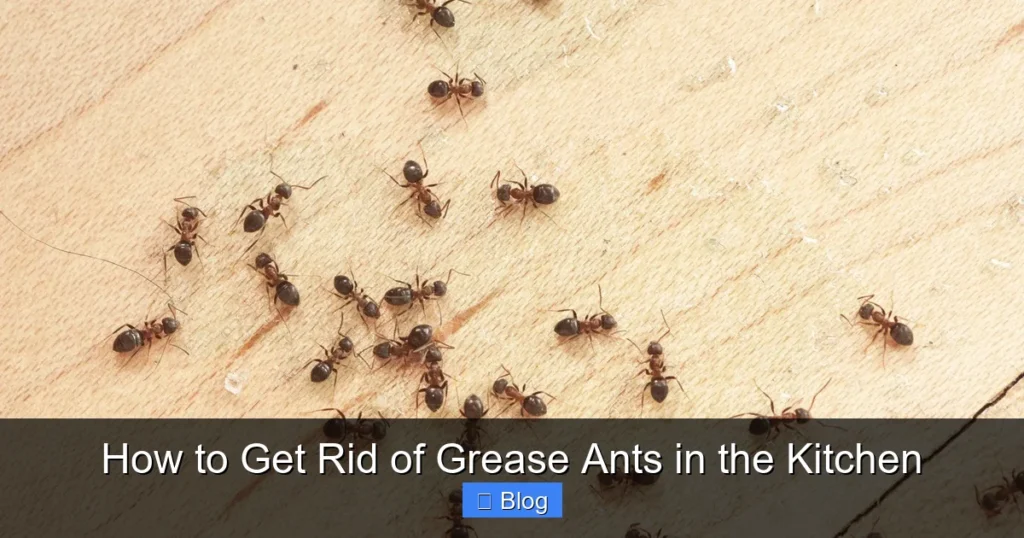
Grease ants are attracted to kitchens because of food residue and crumbs left behind. These tiny invaders can quickly multiply, making it vital to act fast with proven methods like cleaning thoroughly and using natural deterrents. Prevention is always better than cure, so maintaining a clean kitchen environment is key to keeping them away long-term.
Have you ever opened the pantry only to find tiny ants marching across your cereal box? Or noticed them darting along your countertops after dinner? If so, you’ve likely encountered grease ants—a common kitchen nuisance that loves nothing more than leftover food particles, greasy surfaces, and crumbs scattered just about anywhere.
Unlike carpenter ants or odorous house ants, grease ants aren’t drawn to wood or sweet smells. Instead, they zero in on protein-rich or fatty residues. That’s why they often appear near stovetops, microwaves, dishwashers, and even inside sealed food containers if there’s been a spillage. The good news? With consistent effort and smart strategies, you can reclaim your kitchen from these unwelcome guests.
In this guide, we’ll walk you through everything you need to know about identifying grease ants, understanding their behavior, and—most importantly—how to get rid of grease ants in the kitchen using safe, effective methods. Whether you prefer DIY solutions or want to know when it’s time to call in the pros, this article has practical tips tailored for every situation.
Key Takeaways
- Identify grease ants early: Look for small trails near baseboards, cabinets, or around food sources—grease ants are typically 1/16 to 1/8 inch long and dark brown or black.
- Clean aggressively: Grease ants thrive on crumbs and sticky residues; wipe down counters, sweep floors, and clean inside appliances regularly.
- Seal entry points: Use caulk or weather stripping to block cracks, gaps around pipes, and openings near windows or doors where ants enter.
- Use natural repellents: Diatomaceous earth, vinegar sprays, or citrus peels can disrupt ant trails without harsh chemicals.
- Set bait traps: Liquid or granular baits attract worker ants who carry poison back to the colony, eventually eliminating the queen.
- Call professionals if needed: Persistent infestations may require expert treatment using targeted insecticides or fumigation services.
📑 Table of Contents
- What Are Grease Ants and Why Do They Invade Kitchens?
- How to Identify Grease Ants vs. Other Kitchen Pests
- The Root Causes: Why Grease Ants Keep Coming Back
- Step-by-Step Guide: How to Get Rid of Grease Ants in Your Kitchen
- When Should You Call a Professional Exterminator?
- Preventive Measures to Keep Grease Ants Away Forever
- Eco-Friendly Alternatives to Chemical Sprays
- Common Mistakes People Make When Dealing With Grease Ants
- Final Thoughts: A Clean Kitchen Is an Ant-Free Kitchen
What Are Grease Ants and Why Do They Invade Kitchens?
Grease ants belong to several species within the genus *Prenolepis* and related genera like *Formicoxenus* and *Tetramorium*. These small insects measure between 1/16 and 1/8 of an inch in length and are usually dark brown or black in color. Unlike many other household ants, they don’t build nests outdoors but instead establish colonies indoors—often in wall voids, under sinks, or behind refrigerators.
Their name comes from their preference for fatty or oily foods. Think leftover cooking oil, butter splatters, cheese shavings, or even pet food left out too long. Once they find a reliable food source, grease ants lay down pheromone trails that guide more workers to the same spot. This means even a single ant can lead to a full-blown infestation if not addressed promptly.
Kitchen environments offer ideal conditions for grease ants: warm temperatures, abundant food, and easy access through narrow gaps around plumbing or electrical outlets. Plus, since they don’t require water like other pests, they can survive simply by feeding on what humans leave behind.
How to Identify Grease Ants vs. Other Kitchen Pests
Visual guide about How to Get Rid of Grease Ants in the Kitchen
Image source: americanceliac.org
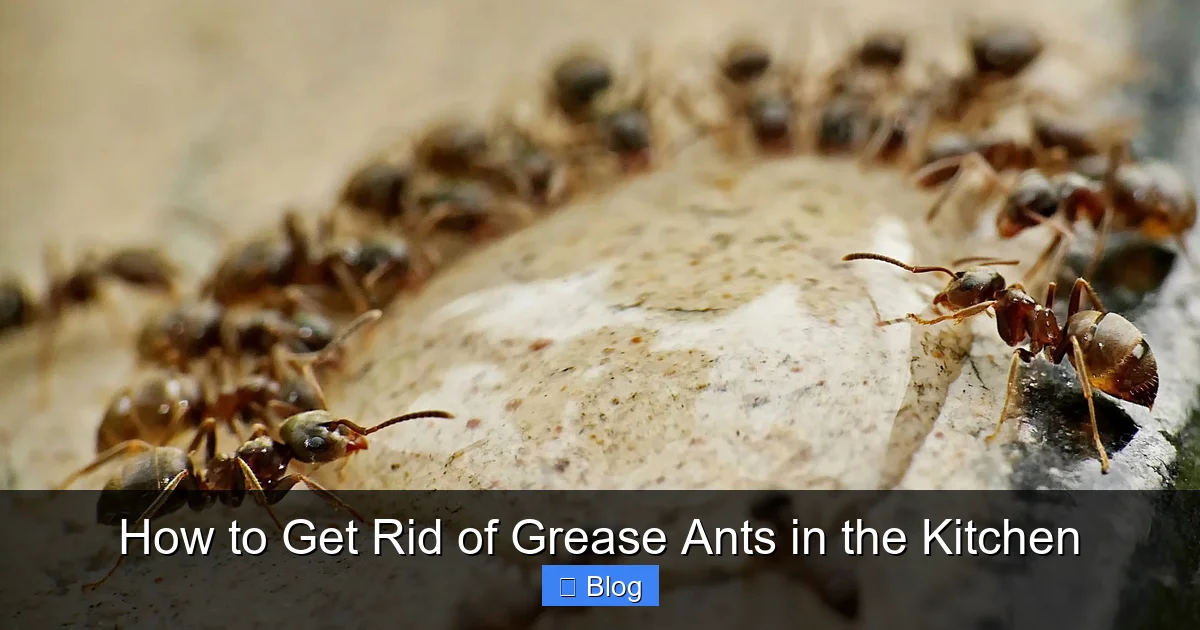
Not all tiny black ants are grease ants. Accurate identification helps determine the best control method. Here’s how to tell grease ants apart:
– Size & Color: Most grease ants are no larger than 3 millimeters (about the width of a grain of rice) and range from light brown to jet black.
– Behavior: They move quickly in straight lines, often in large numbers, and show little interest in sweet substances unless they’re also high in fat content.
– Nesting Habits: Unlike carpenter ants, which tunnel into wood, grease ants nest in dry, undisturbed areas such as insulation, wall cavities, or beneath flooring.
You might confuse them with pharaoh ants (which are yellow-tan and smaller), pavement ants (larger and reddish), or Argentine ants (shiny black and form dense supercolonies). But unlike these species, grease ants rarely venture outside once established indoors.
If you’re unsure whether your visitors are grease ants, consider placing a small drop of peanut butter or olive oil on a piece of tape near suspected entry points. If ants return within minutes, you’ve confirmed their attraction to fats—a hallmark trait.
The Root Causes: Why Grease Ants Keep Coming Back
Visual guide about How to Get Rid of Grease Ants in the Kitchen
Image source: americanceliac.org
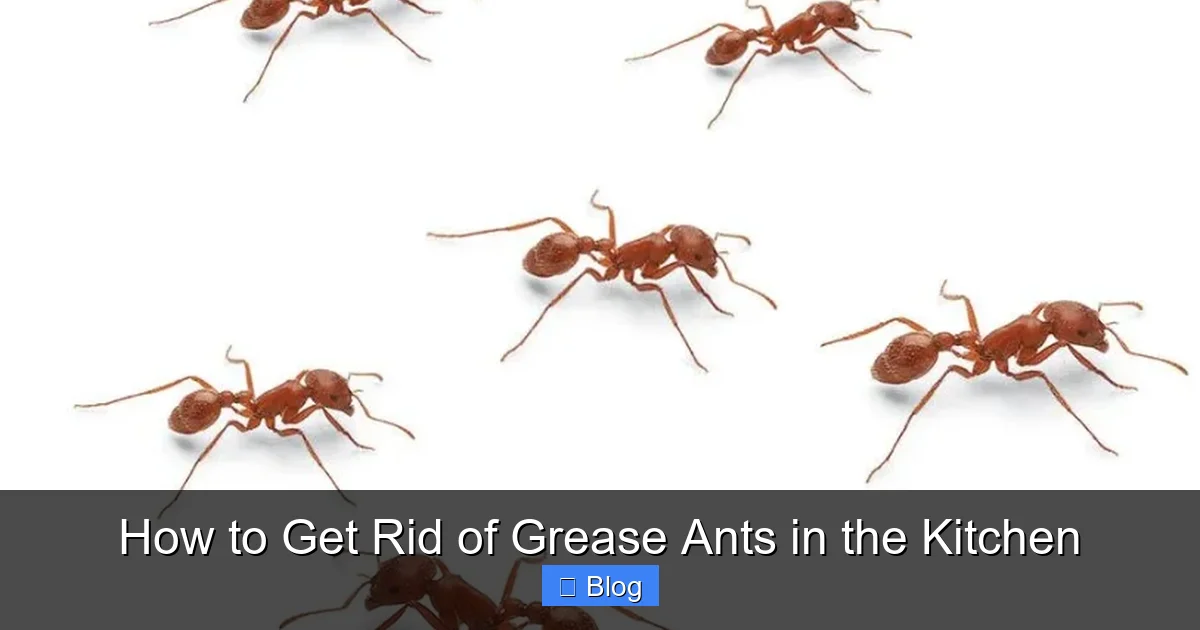
Even after spraying once, grease ants often return because underlying issues remain unresolved. Common causes include:
– Food Residue: A single crumb near the stove can attract hundreds of ants over days.
– Unsealed Food Storage: Open bags, uncovered jars, or improperly stored snacks provide easy meals.
– Loose Cabinet Hinges or Gaps: Ants slip through openings as thin as 1/16 inch.
– Moisture Sources: While not primary water seekers, grease ants use moisture from condensation or leaks near sinks.
– Poor Sanitation Routine: Irregular cleaning allows pheromone buildup, reinforcing ant trails.
Addressing only the symptoms—like spraying visible ants—won’t solve the problem. You must eliminate both the immediate food sources and long-term entry routes.
Step-by-Step Guide: How to Get Rid of Grease Ants in Your Kitchen
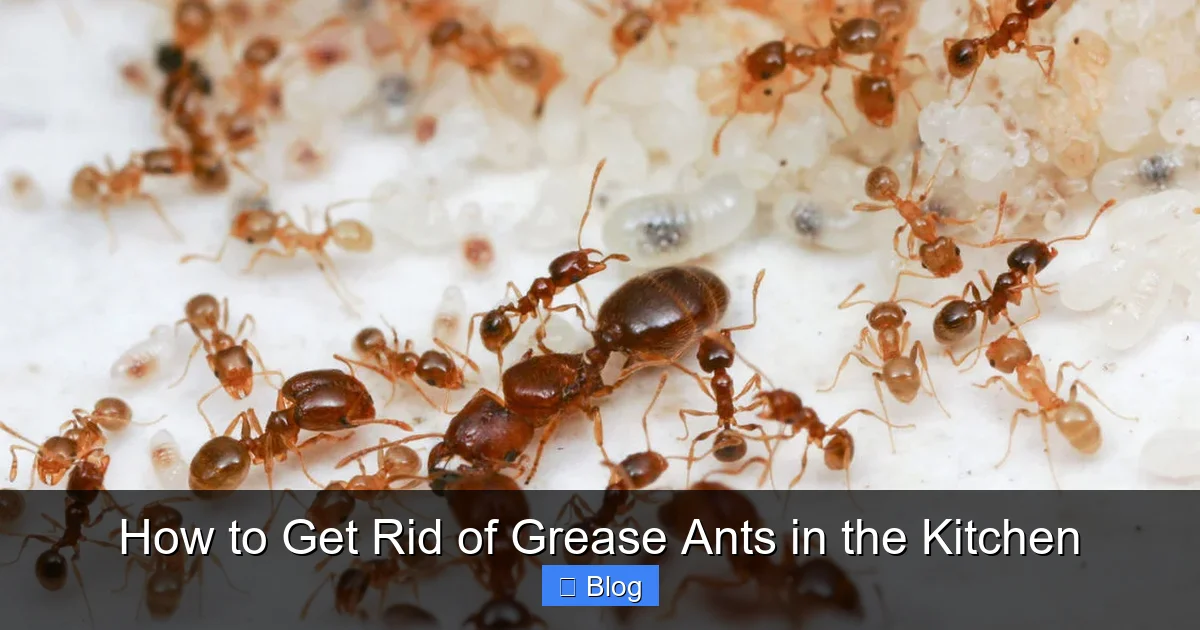
Visual guide about How to Get Rid of Grease Ants in the Kitchen
Image source: americanceliac.org
Getting rid of grease ants doesn’t have to involve toxic sprays or expensive exterminators. Follow this comprehensive plan for lasting results.
Step 1: Conduct a Thorough Deep Clean
Start by treating your kitchen like a crime scene. Every surface matters:
– Wipe all counters with soapy water or a mixture of white vinegar and water (1:1 ratio). Vinegar disrupts pheromones.
– Scrub stovetops, ovens, and microwave interiors to remove grease buildup.
– Vacuum floors, especially corners and under appliances. Pay attention to baseboards where crumbs accumulate.
– Clean behind and underneath refrigerators and dishwashers—common nesting zones.
– Wash dishes immediately after use and avoid letting dirty pots linger overnight.
Remember: Ants follow scent trails. Without these chemical signals, new ants won’t be guided back to your kitchen.
Step 2: Seal All Entry Points
Once cleaned, prevent reinfestation by sealing cracks and crevices:
– Use silicone-based caulk to fill gaps around pipes, windows, and door frames.
– Install weather stripping on cabinet doors and drawers to close off tiny openings.
– Check utility lines entering walls—ant paths often follow electrical conduits.
For extra protection, apply diatomaceous earth (food-grade) along baseboards. It’s non-toxic to humans but deadly to ants upon contact, causing dehydration.
Step 3: Store Food Properly
Ants will exploit any edible opportunity. Secure your supplies:
– Transfer dry goods (flour, sugar, cereals) into airtight glass or plastic containers.
– Never leave pet food bowls out overnight; store kibble in sealed bins.
– Rinse recyclable containers before placing them in bins to avoid attracting ants to trash.
Even vacuum-sealed bags lose integrity over time. Replace cardboard boxes with durable, lidded storage whenever possible.
Step 4: Deploy Natural Repellents
Several household items deter grease ants effectively:
– Vinegar Spray: Mix equal parts white vinegar and water in a spray bottle. Spray directly on ant trails and entry points. Reapply after mopping or wiping.
– Citrus Peels: Place orange or lemon peels near windowsills or cabinets. The citric acid repels ants naturally.
– Cinnamon Powder: Dust ground cinnamon along doorways and baseboards. Ants dislike its strong smell and avoid crossing it.
– Diatomaceous Earth: Apply a thin layer near walls and corners. Avoid inhaling the powder—it’s safe once dry.
Avoid sugary traps unless combined with boric acid, as pure sugar attracts more ants.
Step 5: Use Bait Stations Strategically
Bait is the most effective way to eliminate entire colonies because worker ants share food with larvae and the queen. Choose liquid or gel baits containing slow-acting insecticides like hydramethylnon or fipronil.
Place baits near known trails but out of reach of children and pets. Wait 2–3 days before checking—ants need time to return to the nest and spread the toxin.
Never mix homemade remedies with commercial baits; they may neutralize each other’s effectiveness.
Step 6: Monitor and Repeat as Needed
Ant activity may decrease within hours of cleaning, but complete eradication takes patience. Check for new trails weekly. If ants reappear:
– Re-clean affected areas.
– Relocate bait stations closer to fresh trails.
– Consider switching bait types—ants can develop resistance.
Consistency is key. One missed spot can reignite the cycle.
When Should You Call a Professional Exterminator?
While most grease ant problems respond well to DIY efforts, certain signs indicate it’s time to bring in experts:
– Repeated Infestations: Despite thorough cleaning and sealing, ants keep returning.
– Larger Colonies: Hundreds of ants visible at once suggest multiple queens or satellite nests.
– Health Concerns: Families with allergies, infants, or elderly members may benefit from professional-grade treatments.
– Structural Damage Risk: Though rare, persistent nesting in walls can compromise insulation or wiring.
Professional pest control technicians conduct detailed inspections, identify hidden nests, and apply targeted treatments that DIY methods can’t match. They also offer follow-up visits to ensure long-term success.
Before hiring any service, ask about their experience with grease ants specifically and request a written guarantee.
Preventive Measures to Keep Grease Ants Away Forever
The best defense against grease ants is proactive maintenance. Implement these habits daily:
– Wipe Down Surfaces Daily: Make cleaning part of your routine, not an emergency task.
– Inspect Groceries Upon Arrival: Unpack packages immediately and discard packaging promptly.
– Maintain Appliances: Clean grease filters in stoves and hoods monthly. Fix leaky faucets or condensation issues quickly.
– Declutter Countertops: Less surface area means fewer spots for crumbs and spills.
– Schedule Quarterly Inspections: Walk through your kitchen blindfolded—can you smell food? See tiny trails?
Think of prevention like brushing your teeth: simple, regular actions prevent bigger problems down the line.
Eco-Friendly Alternatives to Chemical Sprays
Many homeowners worry about exposing themselves or their families to synthetic pesticides. Fortunately, nature offers powerful alternatives:
– Baking Soda + Sugar Trap: Mix 1 tablespoon each of baking soda and powdered sugar with a few drops of water. Place near trails. Ants consume it and carry it back, poisoning the colony.
– Coffee Grounds: Sprinkle used coffee grounds near windows and doors. Their strong odor masks pheromones.
– Essential Oils: Blend peppermint, tea tree, or eucalyptus oil with water in a spray bottle. Shake well and apply to entry points. Reapply biweekly.
Always test any new cleaner on a small area first to avoid damaging finishes.
Common Mistakes People Make When Dealing With Grease Ants
Learning from others’ errors saves time and frustration. Watch out for these pitfalls:
– Overusing Vinegar: Too much vinegar leaves a sticky residue that attracts dirt and mold.
– Ignoring Behind Appliances: Nests often hide in unreachable spaces—schedule deep cleans seasonally.
– Using Only Sugary Traps: Pure honey or syrup draws more ants without killing them.
– Neglecting Outdoor Areas: Even indoor nests connect to outdoor foraging paths—keep yard debris cleared.
– Expecting Instant Results: Eliminating an established colony takes days to weeks.
Patience and persistence separate successful treatments from temporary fixes.
Final Thoughts: A Clean Kitchen Is an Ant-Free Kitchen
Grease ants aren’t dangerous or destructive like termites, but they’re undeniably annoying. More importantly, their presence signals deeper hygiene issues that could affect your family’s health. By combining aggressive cleaning, strategic sealing, and smart prevention, you create an environment ants simply won’t want to enter.
Remember: There’s no magic bullet. Success depends on consistency, attention to detail, and treating the whole house—not just the kitchen. And if DIY efforts fall short, don’t hesitate to seek professional help. After all, a peaceful, pest-free kitchen makes meal prep feel so much more enjoyable.
With the right mindset and tools, you can enjoy your space without sharing it with six-legged intruders. So roll up your sleeves, grab that sponge, and take back control today!
Frequently Asked Questions
Are grease ants harmful to humans?
Grease ants do not bite or sting humans and pose no direct health threat. However, they contaminate food surfaces and can become a persistent nuisance if left untreated.
Can I prevent grease ants by just cleaning my kitchen?
Yes, but cleaning alone isn’t enough. You must also seal entry points, store food properly, and monitor for recurring activity to stop grease ants from returning.
How long does it take to get rid of grease ants?
Most infestations resolve within 1–2 weeks of consistent cleaning, baiting, and sealing. Larger colonies may take longer due to multiple queens or satellite nests.
Will boiling water kill grease ants?
Boiling water can kill visible ants on contact, but it won’t eliminate the colony. For lasting results, combine heat treatment with baiting and exclusion methods.
Do grease ants come from outside?
They typically enter homes from the outside initially, but once inside, they establish indoor colonies. Controlling outdoor access reduces reinfestation risk.
Is it safe to use borax for grease ants?
Borax can be effective when mixed with sugar as bait, but it’s toxic if ingested in large amounts. Keep it away from children and pets, and avoid inhaling dust.