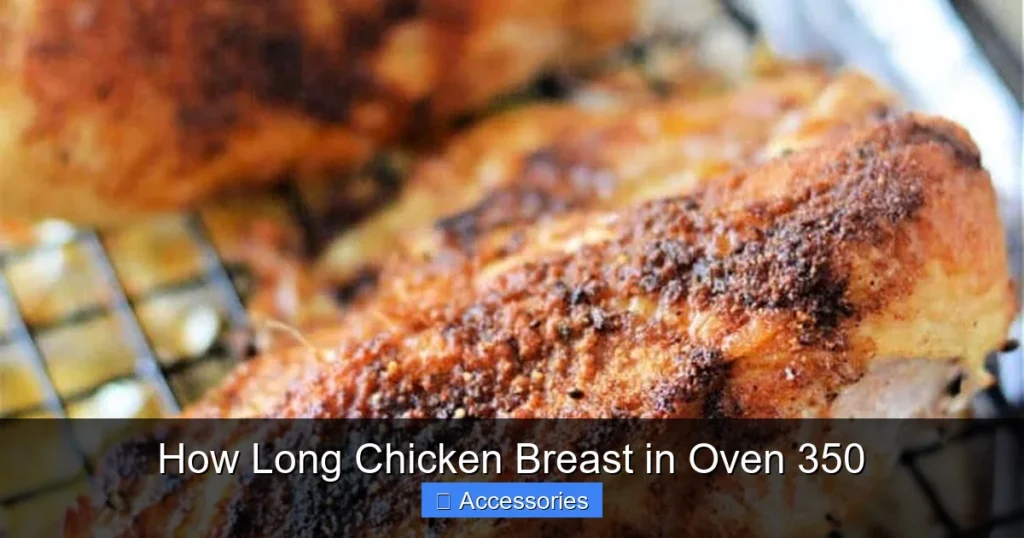
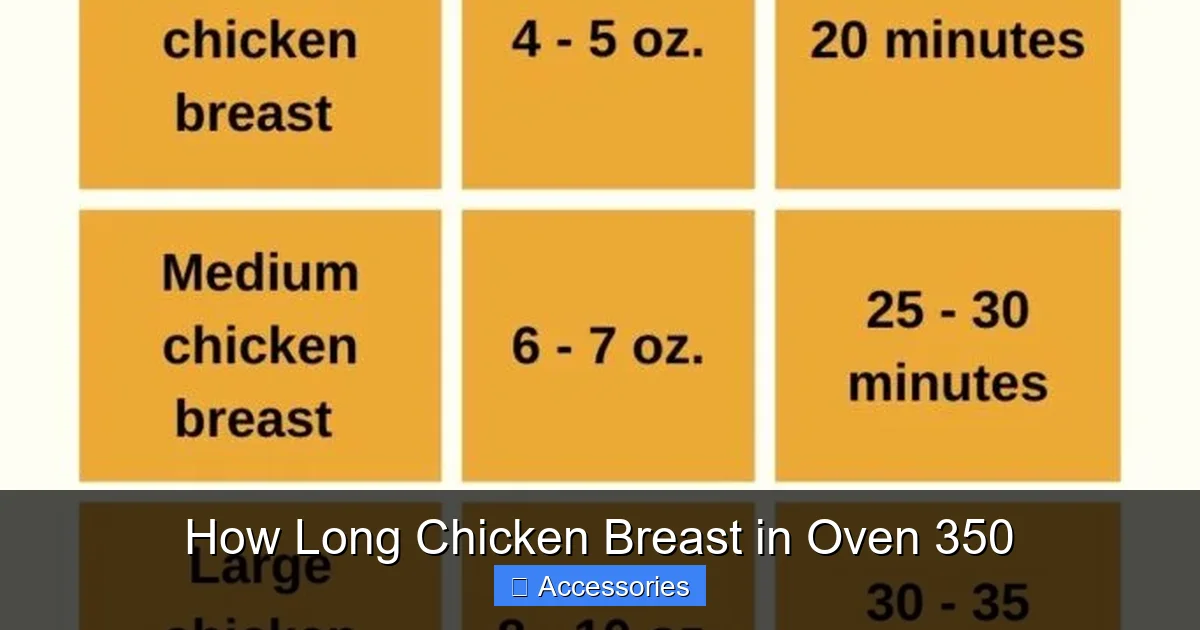
How long should you cook chicken breast in an oven set to 350°F? The answer depends on thickness, but most boneless, skinless breasts take 20 to 30 minutes. Use a meat thermometer to ensure they reach 165°F internally for safe, tender results every time. This guide walks you through everything from prep to plating.
Cooking chicken breast in the oven at 350°F is one of the simplest, healthiest ways to prepare protein-rich meals. Whether you’re meal prepping for the week or whipping up a quick dinner, knowing the right oven time for chicken breast ensures perfectly cooked results every time. But here’s the catch: chicken isn’t a “set it and forget it” kind of dish. It’s easy to undercook or overcook—especially if you’re relying only on guesswork. That’s why we’re diving deep into everything you need to know about how long to bake chicken breast at 350 degrees.
From understanding internal temperatures to mastering basting techniques, this guide will walk you through the science and art of oven-roasted chicken. You’ll learn why 350°F strikes the perfect balance between tenderness and flavor, how different cuts behave in the oven, and what tools make the process foolproof. By the end, you won’t just know how long to cook chicken breast—you’ll feel confident doing it like a pro.
Key Takeaways
- Understanding How Long Chicken Breast In Oven 350: Provides essential knowledge
📑 Table of Contents
- Why 350°F Is the Sweet Spot for Chicken Breast
- How Thickness Affects Cooking Time
- The Importance of Using a Meat Thermometer
- Step-by-Step Guide: How to Bake Chicken Breast at 350°F
- Tips to Prevent Dry Chicken Breast
- Serving Suggestions and Flavor Enhancements
- Common Mistakes to Avoid
- Frequently Asked Questions About Baking Chicken Breast
Why 350°F Is the Sweet Spot for Chicken Breast
You might be wondering: why not 375°F or 325°F? The truth is, 350°F offers the best compromise between speed and quality. At higher temperatures like 375°F or 400°F, the outside of the chicken can brown quickly, but the inside may still be raw—or worse, dry by the time it reaches safe temps. On the flip side, lower temps like 325°F can extend cooking time significantly, increasing the risk of dehydration.
At 350°F, heat penetrates evenly through the meat without scorching the surface. This slow, steady cooking method helps retain moisture while developing a golden crust. Plus, it gives you more control over doneness—something especially important when dealing with variable thicknesses. Think of it as gentle persuasion rather than aggressive roasting.
For reference, the USDA recommends cooking all poultry—including chicken breast—to an internal temperature of 165°F. At 350°F, you typically hit that mark in 20 to 30 minutes, depending on size. That’s why this temperature has become a kitchen favorite among home chefs and professional cooks alike.
How Thickness Affects Cooking Time
The biggest variable in determining how long to cook chicken breast at 350°F is thickness. Thin slices (about ½ inch or less) will cook faster—usually in 15 to 20 minutes. Medium cuts (¾ to 1 inch thick) take around 20 to 25 minutes. And larger pieces (over 1 inch) may need up to 30 minutes.
To measure accurately, place your chicken on a cutting board and use a ruler or measuring tape. If the breast is uneven, consider pounding it to uniform thickness for consistent results. This technique also helps prevent some areas from drying out while others remain undercooked.
Another trick? Cut diagonal slits across the surface of thicker breasts. These small openings let heat distribute more evenly and reduce the chance of hot spots. Just don’t go too deep—you don’t want to tear the meat apart.
If you’re unsure about thickness, err on the side of caution. Undercooked chicken is a serious health concern; overcooked chicken is merely disappointing. Always prioritize safety over speed.
The Importance of Using a Meat Thermometer
Here’s a hard truth: timing alone rarely gives reliable results. Ovens aren’t always accurate, and chicken breasts vary in density and shape. That’s why using a digital instant-read thermometer is non-negotiable.
Insert the probe into the thickest part of the breast—avoid touching bone, fat, or gristle. Wait for the reading to stabilize. When it hits 165°F, remove the chicken immediately. Any longer and you risk pulling out dry, rubbery meat.
Pro tip: Don’t rely on touch. Once chicken cools slightly after resting, it feels firmer than it did when piping hot. Visual cues like color change aren’t foolproof either—chicken can look fully white even when still raw in the center.
Invest in a good-quality thermometer (around $10–$20 gets you something reliable), and keep it near your oven. It’ll save you time, money, and frustration in the long run.
Step-by-Step Guide: How to Bake Chicken Breast at 350°F
Ready to put theory into practice? Follow these simple steps for juicy, restaurant-quality chicken every time:
Step 1: Prep the Chicken
Start by patting your chicken breasts dry with paper towels. Moisture prevents proper browning, so this step matters. Then season generously with salt, pepper, garlic powder, paprika, or your favorite blend. For extra flavor, marinate for 30 minutes or up to 24 hours.
Step 2: Preheat Your Oven
Set your oven to exactly 350°F. Use an oven thermometer to verify accuracy—many ovens run hot or cold. Preheating takes 10–15 minutes, so plan ahead.
Step 3: Choose Your Pan
Line a rimmed baking sheet with parchment paper or foil for easy cleanup. Lightly grease with olive oil or cooking spray. Avoid overcrowding—give each piece space for air circulation.
Step 4: Arrange and Bake
Place chicken in a single layer. For extra crispiness, broil for 2–3 minutes at the end—but watch closely to avoid burning.
Step 5: Check Temperature
After 20 minutes, insert a thermometer. If it reads below 165°F, return to oven in 2-minute increments until done.
Step 6: Rest Before Serving
Transfer chicken to a plate, loosely cover with foil, and let rest for 5–10 minutes. This allows juices to redistribute, resulting in moist, tender slices.
Following these steps transforms ordinary chicken into something special—even without fancy equipment.
Tips to Prevent Dry Chicken Breast
Dry chicken is the enemy of any home cook. Fortunately, there are several proven methods to keep your oven-baked breasts moist:
- Pound to even thickness: Use a meat mallet or rolling pin to flatten inconsistent cuts. Aim for ½ to ¾ inch thick.
- Brine before baking: Soak chicken in saltwater for 30–60 minutes. Salt draws out moisture and then reabsorbs it during cooking.
- Baste halfway through: Brush with melted butter, olive oil, or broth every 10 minutes. This locks in moisture and enhances flavor.
- Avoid overcooking: Remove chicken as soon as it hits 165°F. Carryover cooking will raise the temp slightly, which is fine—just don’t wait too long.
- Use bone-in breasts occasionally: They tend to stay juicier because the bone retains heat and moisture better than boneless cuts.
Remember: moisture starts with preparation. Treat your chicken well before it even hits the oven, and it’ll reward you with delicious results.
Serving Suggestions and Flavor Enhancements
Once your chicken is perfectly baked, the fun doesn’t stop there. Pair it with roasted vegetables, rice, quinoa, or a fresh salad for a complete meal. Drizzle with lemon juice, herbs, or a light vinaigrette to brighten the flavor.
For added richness, try topping with shredded cheese, pesto, or a drizzle of honey-mustard glaze during the last few minutes of baking. These finishing touches elevate the dish without extra effort.
And if you’re feeling adventurous, stuff hollowed-out chicken breasts with spinach, sun-dried tomatoes, feta, and pine nuts before roasting. The result? A gourmet meal that looks impressive but took less than an hour to make.
Don’t forget leftovers! Shred cooled chicken and use it in tacos, sandwiches, soups, or pasta dishes. Just reheat gently—microwave with a damp paper towel works wonders, or warm in the oven at 300°F for 10–15 minutes.
Speaking of reheating, if you’re planning to serve leftover chicken in creative ways, check out our guide on how to reheat taco meat for tasty inspiration.
Common Mistakes to Avoid
Even experienced cooks stumble sometimes. Here are the most common errors when baking chicken breast at 350°F—and how to fix them:
- Skipping preheating: Cold ovens cause uneven cooking. Always preheat fully before adding food.
- Not checking internal temp: Timing is a guide, not gospel. Use a thermometer every time.
- Cooking on high rack only: Rotate pans halfway through for even browning. Some ovens have hot spots.
- Leaving chicken in too long: Once 165°F is reached, remove immediately. Overcooking = dry meat.
- Neglecting to rest: Skipping the rest period leads to juice loss and tougher texture.
Avoiding these pitfalls ensures consistently great results. Treat each batch as a learning opportunity—and soon, you’ll have a repeatable system that works every time.
Frequently Asked Questions About Baking Chicken Breast
Still have questions? We’ve got answers. Below are the most common queries about how long to cook chicken breast in the oven at 350°F:
Can I cook frozen chicken breast in the oven at 350°F?
Yes, but increase cooking time significantly—about 50% longer than thawed chicken. Start checking at 30–35 minutes. Ensure the thickest part reaches 165°F. For best results, thaw first or use the defrost setting on your microwave before baking.
Visual guide about How Long Chicken Breast in Oven 350
Image source: chefstandards.com
Visual guide about How Long Chicken Breast in Oven 350
Image source: natashaskitchen.com
Visual guide about How Long Chicken Breast in Oven 350
Image source: swartzsdeli.com
Why is my chicken breast still pink inside after baking?
Pinkness doesn’t always mean undercooked. Natural variations in myoglobin (the protein responsible for color) can cause this. As long as the internal temperature hits 165°F, it’s safe to eat. However, if unsure, continue cooking in 2-minute increments until fully white.
What if I don’t have a meat thermometer?
Use the cut test: slice into the thickest part. If the juices run clear and no red remains, it’s likely done. But note: this method isn’t as accurate as a thermometer, especially for large or uneven cuts.
Can I bake chicken breast covered in foil?
Yes, but uncovered gives better browning. Foil traps steam, keeping the surface pale. For crispy skin or enhanced flavor development, leave it exposed. If using foil, tent lightly after the first 10 minutes.
How do I reheat baked chicken breast without drying it out?
Reheat in a 325°F oven for 10–15 minutes, or microwave with a splash of water and a damp paper towel. Add a sprinkle of broth or butter to reintroduce moisture. Avoid high heat—it evaporates juices quickly.
Is 350°F the only temperature that works?
Nope! You can use 375°F for faster cooking (15–20 minutes), but monitor closely. Lower temps like 325°F are gentler but take longer. Adjust based on your schedule and desired texture.
Frequently Asked Questions
Can I cook frozen chicken breast in the oven at 350°F?
Yes, but increase cooking time significantly—about 50% longer than thawed chicken. Start checking at 30–35 minutes. Ensure the thickest part reaches 165°F. For best results, thaw first or use the defrost setting on your microwave before baking.
Why is my chicken breast still pink inside after baking?
Pinkness doesn’t always mean undercooked. Natural variations in myoglobin (the protein responsible for color) can cause this. As long as the internal temperature hits 165°F, it’s safe to eat. However, if unsure, continue cooking in 2-minute increments until fully white.
What if I don’t have a meat thermometer?
Use the cut test: slice into the thickest part. If the juices run clear and no red remains, it’s likely done. But note: this method isn’t as accurate as a thermometer, especially for large or uneven cuts.
Can I bake chicken breast covered in foil?
Yes, but uncovered gives better browning. Foil traps steam, keeping the surface pale. For crispy skin or enhanced flavor development, leave it exposed. If using foil, tent lightly after the first 10 minutes.
How do I reheat baked chicken breast without drying it out?
Reheat in a 325°F oven for 10–15 minutes, or microwave with a splash of water and a damp paper towel. Add a sprinkle of broth or butter to reintroduce moisture. Avoid high heat—it evaporates juices quickly.
Is 350°F the only temperature that works?
Nope! You can use 375°F for faster cooking (15–20 minutes), but monitor closely. Lower temps like 325°F are gentler but take longer. Adjust based on your schedule and desired texture.