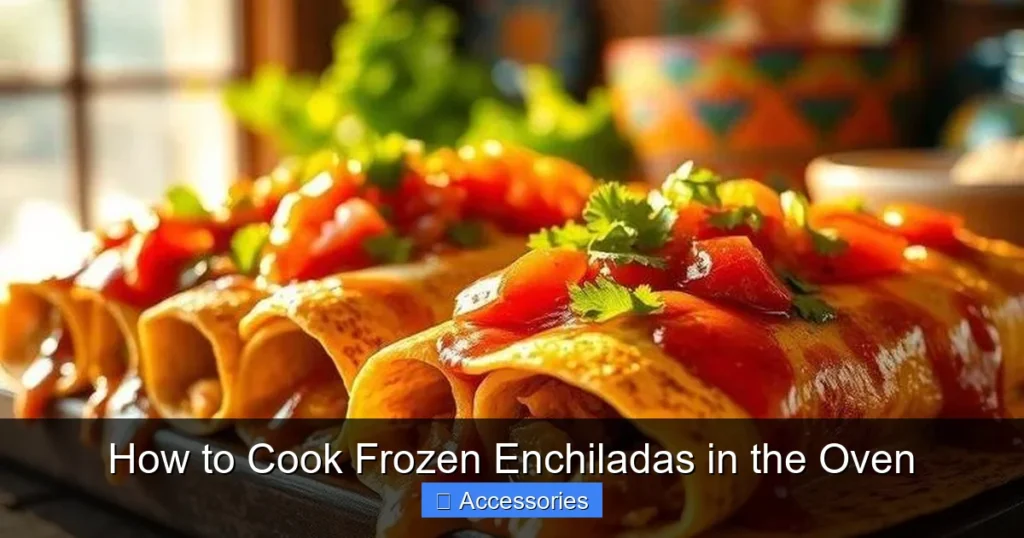
Frozen enchiladas are a convenient and tasty meal option that you can easily prepare at home. Whether you’re reheating leftovers or cooking from scratch, using your oven is one of the most reliable methods. With just a few simple steps, you’ll have warm, flavorful enchiladas with melted cheese and gooey sauce in under 30 minutes. This method ensures even heating, prevents sogginess, and keeps the tortillas from getting tough.
Key Takeaways
- Preheat Your Oven: Always preheat to 375°F (190°C) to ensure consistent cooking and proper browning.
- Thaw Briefly if Needed: While not required, letting frozen enchiladas sit at room temperature for 10–15 minutes can help heat them more evenly.
- Use Parchment Paper: Line your baking dish with parchment to prevent sticking and make cleanup easier.
- Cover While Baking: Covering with foil keeps moisture in and prevents drying; remove it during the last 5–10 minutes for crispy cheese.
- Check Internal Temperature: Use a food thermometer to confirm the enchiladas reach 165°F (74°C) for food safety.
- Add Fresh Toppings: Finish with fresh cilantro, diced onions, or sour cream right before serving for extra flavor.
📑 Table of Contents
- How to Cook Frozen Enchiladas in the Oven: A Step-by-Step Guide
- Why Choose the Oven Over Other Methods?
- What You’ll Need
- Step-by-Step Instructions
- Tips for Perfect Results Every Time
- Common Mistakes to Avoid
- Serving Suggestions and Side Dishes
- Storing Leftovers Like a Pro
- Troubleshooting Guide
- Health-Conscious Cooking Options
- Regional Variations Worth Trying
- Frequently Asked Questions About Cooking Frozen Enchiladas
- Final Thoughts
How to Cook Frozen Enchiladas in the Oven: A Step-by-Step Guide
There’s something comforting about pulling out a plate of golden-brown enchiladas straight from the freezer—especially when you’re short on time but still want a hearty, restaurant-quality meal. Frozen enchiladas are a lifesaver for busy weeknights, potlucks, or impromptu dinner plans. And while microwaving might seem faster, baking them in the oven gives you superior texture, better browning, and a more authentic experience.
In this comprehensive guide, we’ll walk you through everything you need to know about cooking frozen enchiladas in the oven. From prepping your baking dish to choosing the right temperature and timing, we’ve got all the details covered. Whether you’re using store-bought or homemade frozen varieties, these tips will help you achieve perfectly heated, saucy, and cheesy enchiladas every single time.
Why Choose the Oven Over Other Methods?
If you’ve ever microwaved frozen enchiladas only to end up with lukewarm centers and soggy shells, you’re not alone. The microwave excels at speed but struggles with even heating and texture preservation. On the other hand, the oven provides dry, radiant heat that warms the entire dish uniformly, melts the cheese to perfection, and slightly crisps the edges without overcooking the filling.
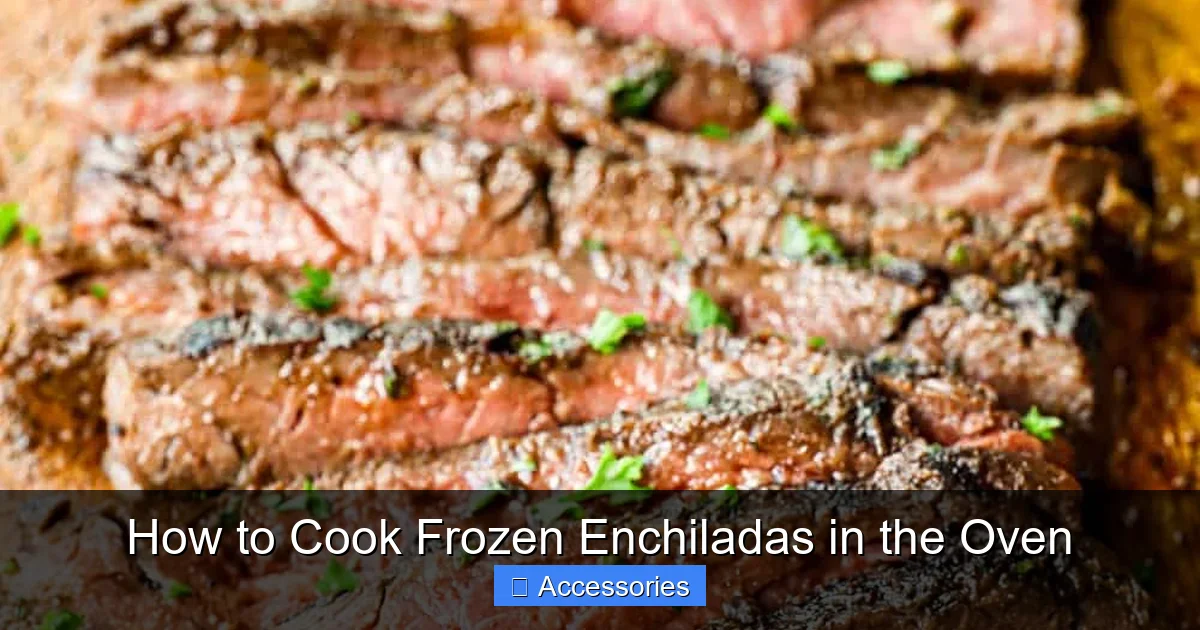
Visual guide about How to Cook Frozen Enchiladas in the Oven
Image source: carlsbadcravings.com
Another advantage of oven cooking is versatility. You can bake multiple trays at once (as long as they fit), customize toppings freely, and even crisp up corn tortillas that would otherwise become rubbery in the microwave. Plus, there’s no need for extra water or steam—just simple preparation and minimal effort.
What You’ll Need
Gather these essentials before you begin:
Visual guide about How to Cook Frozen Enchiladas in the Oven
Image source: bowl-me-over.com
- A large baking dish (9×13 inches works well)
- Parchment paper or aluminum foil
- Optional: Spray bottle filled with water (to keep tortillas from drying out)
- Food thermometer (for accuracy)
- Spatula or tongs (for handling)
Choosing the Right Baking Dish
Select a shallow, oven-safe pan that holds your frozen enchiladas snugly without overcrowding. If your package suggests a specific size, go with that—but if not, a standard 9×13-inch glass or ceramic dish is ideal. Metal pans conduct heat quickly but may cause uneven browning, so glass is generally preferred for even results.
Do You Need to Thaw First?
Most frozen enchiladas can be baked directly from frozen—no thawing required. However, if you have time, letting them rest at room temperature for 10–15 minutes can promote more uniform heating and reduce total cooking time by about 5 minutes. Just don’t leave them out longer than that, especially in warmer climates, to avoid bacterial growth.
Step-by-Step Instructions
Preheat the Oven Properly
Set your oven to 375°F (190°C) and allow it to fully preheat before placing the enchiladas inside. This ensures immediate, consistent heat distribution—critical for preventing cold spots and ensuring the cheese melts evenly. An oven thermometer can help verify accuracy, as some models run hotter or cooler than dial readings suggest.
Visual guide about How to Cook Frozen Enchiladas in the Oven
Image source: getonmyplate.com
Prepare the Baking Pan
Lining your pan with parchment paper is a game-changer. It prevents sticking, allows steam to escape gently, and makes cleanup a breeze. Simply cut a piece slightly larger than your pan, press it down, and trim any excess. Alternatively, lightly grease the pan with cooking spray or oil if you prefer not to use parchment.
Arrange the Enchiladas Safely
Place the frozen enchiladas upright or flat-side down in the prepared pan. Avoid stacking more than two layers unless your recipe specifically allows it. Too many layers trap moisture and result in steamed rather than baked textures. Leave small gaps between each piece to encourage airflow and even heating.
Add Extra Sauce or Broth (Optional)
For added moisture and flavor, drizzle a little enchilada sauce or chicken broth over the top. This is especially helpful if you’re using plain cheese enchiladas or notice dryness after 20 minutes. A light sprinkle of shredded cheese on top also enhances richness and visual appeal.
Bake Covered First, Then Uncovered
Cover the entire pan tightly with aluminum foil and bake for 20 minutes. This traps steam and helps thaw the center while keeping the exterior from burning. After 20 minutes, carefully remove the foil and continue baking for another 10–15 minutes, or until the cheese is bubbly and golden brown. Keep an eye on the final stage—you want crispness, not charring.
Check for Doneness Accurately
The safest way to confirm readiness is by inserting a food thermometer into the thickest part of the enchilada filling. The internal temperature should reach 165°F (74°C). Alternatively, peek underneath: if the sauce looks bubbling and the tortilla feels pliable (not brittle), it’s done. Total baking time typically ranges from 30 to 35 minutes from frozen.
Tips for Perfect Results Every Time
Even experienced cooks benefit from smart shortcuts and tricks. Here are our top recommendations to elevate your frozen enchilada game:
- Rotate the Pan Halfway Through: Switch the position of your baking sheet front to back halfway through uncovered baking to eliminate hot spots.
- Use a Spray Bottle Wisely: Mist water over the enchiladas during the first 15 minutes if they appear too dry. This mimics traditional braising and keeps tortillas tender.
- Layer Smartly for Reheating: If reheating previously baked enchiladas, place them back in the pan with a splash of sauce to reintroduce moisture.
- Let Them Rest: Allow the enchiladas to sit for 5 minutes after baking. This helps redistribute juices and makes slicing cleaner.
- Customize Toppings Freely: Try avocado slices, pickled jalapeños, or crushed tortilla chips for crunch and contrast.
Common Mistakes to Avoid
Learning from others’ errors saves time and frustration. Watch out for these frequent pitfalls:
- Overcrowding the Pan: Too many enchiladas block airflow and lead to uneven heating.
- Skipping the Foil Cover: Without foil, the top may dry out before the center heats through.
- Using Low Heat:** Slow-cooking at 325°F prolongs the process and risks underbaked centers.
- Not Checking Temperature:** Relying solely on visual cues can result in unsafe or undercooked meals.
- Ignoring Package Directions:** Some brands recommend specific temps or times—always check first!
Serving Suggestions and Side Dishes
Once your enchiladas emerge from the oven, presentation matters. Serve them immediately with complementary sides to round out the meal:
- Refried Beans: A classic pairing that adds protein and fiber.
- Spanish Rice: Lightly seasoned rice balances the spice level.
- Fresh Guacamole or Salsa: Bright, acidic flavors cut through richness.
- Mexican Street Corn (Elote):** Grilled corn slathered with cotija cheese and lime.
- Green Salad:** Crisp lettuce and tomato add freshness.
Don’t forget beverages! Margaritas, horchata, or even sparkling water with lime complements the dish beautifully.
Storing Leftovers Like a Pro
Any uneaten enchiladas should be cooled completely within two hours of cooking. Store them in an airtight container in the refrigerator for up to 4 days. For longer storage, freeze individual portions wrapped tightly in foil or plastic for up to 3 months. When ready to eat again, reheat in the oven at 350°F for 15–20 minutes—never the microwave, which ruins texture.
Troubleshooting Guide
Even with careful prep, things don’t always go as planned. Here’s how to fix common issues:
- Too Dry? Add a tablespoon of broth or sauce before covering and baking a few minutes longer.
- Cheese Not Melting? Ensure the oven reached full temperature and try increasing heat slightly during the last 5 minutes.
- Tortillas Cracking? Moisten them briefly in warm water before assembling, or opt for corn tortillas which are more flexible.
- Bottom Burning? Place a second baking sheet below your pan to diffuse radiant heat, or rotate frequently.
Health-Conscious Cooking Options
Want to make healthier versions without sacrificing taste? Swap regular cheese for reduced-fat Mexican blend, use whole wheat tortillas, or fill with black beans and roasted vegetables instead of meat. Lightly spray the outside with olive oil instead of brushing on butter for fewer calories. These tweaks work great with both homemade and store-bought frozen enchiladas.
Regional Variations Worth Trying
Enchiladas come in many forms across Mexico and beyond. Experiment with these styles:
- Chile Colorado: Sweet red chile sauce with tender pork.
- Mushroom & Cheese: Creamy filling with sautéed mushrooms.
- Chicken Verde: Green tomatillo sauce with shredded poultry.
- Beef & Bean: Hearty mix of seasoned ground beef and refried beans.
Many grocery stores now carry regional frozen varieties—try them for variety!
Frequently Asked Questions About Cooking Frozen Enchiladas
Still have questions? We’ve answered the most common ones below:
Can I Cook Frozen Enchiladas in a Toaster Oven?
Yes, but reduce the quantity since toaster ovens have smaller capacities. Adjust time by 5–10 minutes and monitor closely for doneness.
How Long Do Frozen Enchiladas Last in the Freezer?
Properly stored, they remain safe for 2–3 months. Label packages with dates for easy tracking.
Can I Bake Multiple Trays Simultaneously?
Only if your oven has enough space and ventilation. Rotate trays halfway through for even results.
Are Store-Bought Frozen Enchiladas Safe to Eat Cold?
No—while they’re pasteurized, consuming them cold poses food safety risks. Always heat thoroughly.
What If My Enchiladas Are Already Baked But Frozen?
Follow the same method: cover, bake at 375°F for 25–30 minutes, then uncover for 5–10 minutes until heated through.
Can I Add Meatballs or Shrimp to My Frozen Enchiladas?
Absolutely! Just ensure additional proteins reach 165°F internally. Increase cooking time slightly and add liquids if needed.
Final Thoughts
Cooking frozen enchiladas in the oven doesn’t have to be complicated. With the right temperature, timing, and attention to detail, you can turn a simple frozen meal into something special. Whether you’re feeding a crowd or enjoying a quiet night in, this method delivers consistent, satisfying results. Remember to preheat, cover initially, uncover later, and always check for proper internal temperature. And don’t shy away from personalizing your dish with fresh toppings and creative sides.
Next time hunger strikes and dinner is nowhere in sight, skip the takeout and reach for your freezer. Grab those frozen enchiladas, fire up the oven, and enjoy a meal that tastes like it took hours to prepare—but was ready in less than half an hour.
Pro tip: Stock up on versatile frozen enchiladas when they’re on sale. They freeze beautifully and become instant comfort food whenever you need it.
Frequently Asked Questions
Can I Cook Frozen Enchiladas in a Toaster Oven?
Yes, but reduce the quantity since toaster ovens have smaller capacities. Adjust time by 5–10 minutes and monitor closely for doneness.
How Long Do Frozen Enchiladas Last in the Freezer?
Properly stored, they remain safe for 2–3 months. Label packages with dates for easy tracking.
Can I Bake Multiple Trays Simultaneously?
Only if your oven has enough space and ventilation. Rotate trays halfway through for even results.
Are Store-Bought Frozen Enchiladas Safe to Eat Cold?
No—while they’re pasteurized, consuming them cold poses food safety risks. Always heat thoroughly.
What If My Enchiladas Are Already Baked But Frozen?
Follow the same method: cover, bake at 375°F for 25–30 minutes, then uncover for 5–10 minutes until heated through.
Can I Add Meatballs or Shrimp to My Frozen Enchiladas?
Absolutely! Just ensure additional proteins reach 165°F internally. Increase cooking time slightly and add liquids if needed.