Want perfectly baked potatoes fast? Whether you’re using a toaster oven or an air fryer, you can enjoy tender, fluffy insides with crispy skin in under an hour. This guide walks you through exact cooking times, ideal temperatures, and pro tips to make your baked potatoes extra delicious.
If you’ve ever stared into your kitchen wondering, *how long do I really need to cook a baked potato?*, you’re not alone. With the rise of compact kitchen gadgets like toaster ovens and air fryers, baking a perfect potato has never been easier—or faster. But here’s the catch: not all appliances cook the same way. A toaster oven gently roasts from all sides, while an air fryer blasts hot, circulating air to create a crispy exterior with a soft, pillowy inside.
Whether you’re meal prepping for the week or craving a comforting side dish after work, knowing exactly how long to cook a baked potato in these appliances makes all the difference. This article breaks down everything you need—from prep steps to timing tricks—so your next potato turns out golden-brown, fluffy, and ready to top with butter, cheese, or whatever your heart desires.
Key Takeaways
- Cooking Time: A medium-sized baked potato takes 35–45 minutes in a toaster oven and 25–35 minutes in an air fryer at 400°F (200°C).
- Temperature Matters: Both appliances work best between 375°F–425°F. Too low causes slow cooking; too high burns the skin before the inside cooks.
- Potato Size & Type: Russet potatoes are ideal due to their starchy interior. Larger potatoes take longer than small ones.
- Prep is Key: Prick the skin, oil it lightly, and consider wrapping in foil (toaster oven) or skipping foil (air fryer) for crispier results.
- Don’t Overcrowd: Space potatoes out evenly so hot air circulates freely—this ensures even baking.
- Check for Doneness: Insert a fork or knife into the center—it should slide in easily without resistance.
- Upgrade Your Potato: Add toppings like sour cream, cheese, or chives right after cooking for maximum flavor.
📑 Table of Contents
- Why Choose a Toaster Oven or Air Fryer for Baked Potatoes?
- How Long to Cook a Baked Potato in a Toaster Oven
- How Long to Cook a Baked Potato in an Air Fryer
- Factors That Affect Cooking Time
- Tips for Perfect Baked Potatoes Every Time
- Common Mistakes to Avoid
- Can You Cook Frozen Baked Potatoes in These Appliances?
- Healthier Alternatives and Topping Ideas
- Frequently Asked Questions About Baked Potatoes in Compact Ovens
Why Choose a Toaster Oven or Air Fryer for Baked Potatoes?
Before diving into timers and temperatures, let’s talk about why these two appliances have become go-to tools for home cooks. Traditional ovens require preheating and take up valuable space, especially in smaller kitchens. Meanwhile, microwaves can zap moisture out of potatoes, leaving them rubbery instead of tender.
Toaster ovens offer consistent heat distribution and fit easily on countertops. They mimic conventional oven performance but use less energy and heat up faster. For someone cooking for one or two people, this efficiency is a game-changer.
Air fryers, on the other hand, are all about speed and texture. Using rapid-circulation heating technology, they crisp up edges while keeping interiors moist—perfect for achieving that classic “baked” look without dryness. Plus, many models come with preset functions specifically for potatoes, making them beginner-friendly.
Both devices save time, reduce cleanup, and deliver reliable results when used correctly. That said, each has its own quirks. Let’s explore how they compare when it comes to baking potatoes.
How Long to Cook a Baked Potato in a Toaster Oven
So, you’ve got your trusty toaster oven ready and a fresh Russet potato in hand. What’s next? Follow this step-by-step process for foolproof results:
Step 1: Preheat Your Toaster Oven
Set your toaster oven to 400°F (200°C). Unlike stovetop or microwave methods, preheating ensures even heat transfer from the start. Most mid-range models take 8–12 minutes to reach temperature, so plan accordingly.
Step 2: Prep the Potato
Wash and dry the potato thoroughly. Use a fork to poke holes around the entire surface—this allows steam to escape during cooking and prevents bursting. Rub a thin layer of olive oil or melted butter over the skin to enhance browning and flavor.
Some recipes suggest wrapping the potato in foil, but this traps moisture and softens the skin. If you prefer a crispier exterior, skip the foil. For softer skins, wrap loosely in parchment paper instead.
Step 3: Place in the Toaster Oven
Position the potato directly on the rack or on a baking sheet lined with parchment. Avoid stacking multiple potatoes unless your model supports it—overcrowding blocks airflow and leads to uneven cooking.
Step 4: Cook Until Tender
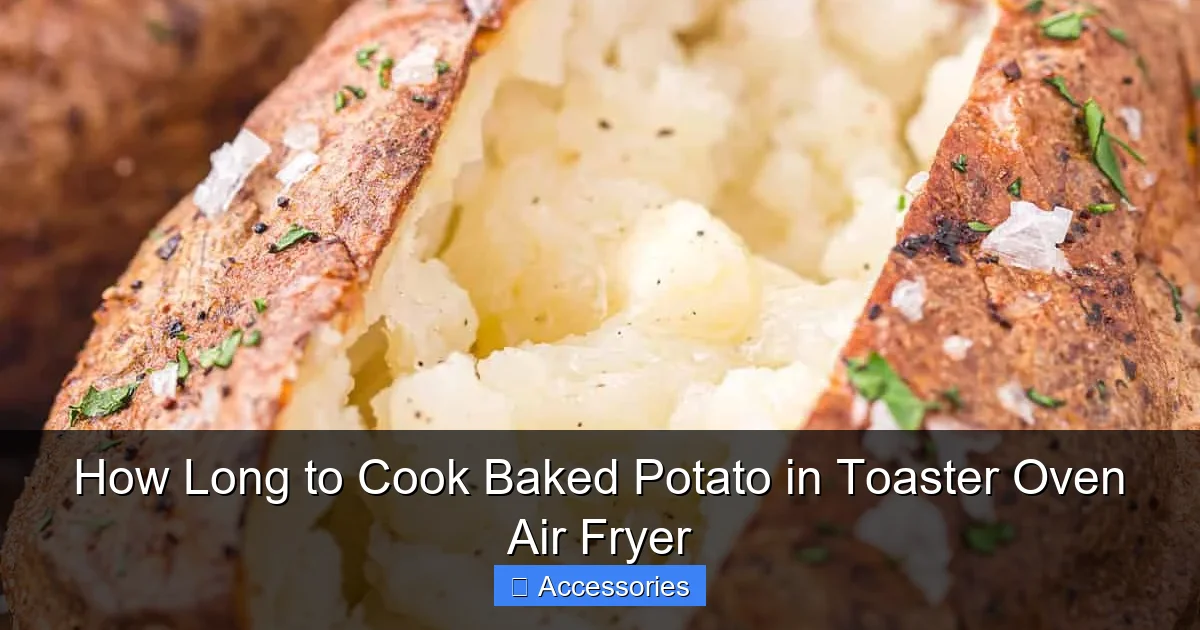
For a medium-sized potato (about 5–6 inches long), expect 35–45 minutes of cooking time. Halfway through, rotate the potato for even browning. You’ll know it’s done when a fork slides into the center with little resistance and the skin feels slightly firm yet pliable.
Larger potatoes may take up to 55 minutes; smaller ones might finish in as little as 25–30 minutes. Always check early rather than assume.
How Long to Cook a Baked Potato in an Air Fryer
Air fryers are known for their speed and ability to create restaurant-quality textures with minimal effort. Here’s how to adapt your potato-baking technique for this appliance:
Step 1: Preheat (Optional but Recommended)
While some air fryers don’t require preheating, doing so ensures consistent internal temperature from the moment your food goes in. Set yours to 400°F and allow 3–5 minutes to warm up.
Step 2: Prepare the Potato Differently
Unlike toaster ovens, air fryers thrive with open exposure. Poke holes generously, then rub with oil. **Do not wrap in foil**—the trapped steam will make the skin soggy instead of crisp.
For best results, cut the potato in half horizontally. This increases surface area contact with hot air, reduces cooking time by about 10 minutes, and gives you two quick snacks!
Step 3: Arrange Evenly in the Basket
Space out the potato halves so air can flow freely around each one. If you’re baking whole potatoes, place them in a single layer with at least 1 inch of clearance on all sides.
Step 4: Monitor Closely
Cook for 25–35 minutes, flipping halfway through. The exact time depends on size and model power. When pierced, the flesh should yield gently but still hold its shape.
Pro tip: Spray the potato lightly with cooking oil before placing it in the basket. This boosts crispiness and helps achieve that golden-brown color.
Factors That Affect Cooking Time
Even with precise instructions, several variables can shift how long your potato takes to cook. Understanding these helps you troubleshoot if things aren’t going as planned.
Potato Size and Shape
A large potato (8+ inches) will naturally take longer than a small one (4–5 inches). Irregular shapes also affect heat absorption—long, narrow potatoes cook faster than rounder ones because they expose more surface area.
Type of Potato
Russet potatoes are the gold standard for baking due to their high starch content and low moisture. They develop a fluffier interior and crisper skin compared to red or white varieties. Yukon Gold potatoes, while delicious, tend to be denser and may require slightly longer cooking times.
Appliance Model Differences
Not all toaster ovens or air fryers are created equal. Smaller countertop models often run hotter or cooler than larger commercial-style units. Consult your owner’s manual for recommended settings, and consider using an oven thermometer to verify accuracy.
Altitude and Humidity
At higher elevations, water boils at lower temperatures, which can impact cooking times. In humid climates, potatoes may absorb extra moisture from the air, potentially extending bake time. Adjust by adding 2–5 minutes per potato if needed.
Tips for Perfect Baked Potatoes Every Time
You now know the basics—but mastering baked potatoes is as much art as science. These practical tips will elevate your results beyond basic instructions.
Use a Timer and Check Early
Never rely solely on clock time. Start checking at the minimum recommended duration. Insert a fork near the center—if it meets mild resistance, give it another minute or two.
Let Them Rest After Cooking
Just like steaks, letting baked potatoes rest for 2–3 minutes allows residual heat to finish cooking the interior evenly. It also prevents scorching when you cut them open.
Store Leftovers Properly
Unwanted baked potatoes can be stored in the fridge for up to 4 days. Reheat in the air fryer or toaster oven at 350°F for 5–7 minutes until warmed through. Avoid microwaving—it often dries them out.
Add Flavor Before Serving
Top your hot potato immediately with:
– Butter or olive oil
– Shredded cheddar or pepper jack cheese
– Chopped green onions or chives
– Crispy bacon bits
– Sour cream or Greek yogurt
These additions complement the natural earthiness of the potato without overwhelming it.
Common Mistakes to Avoid
Even experienced cooks slip up sometimes. Watch out for these frequent errors when baking potatoes in compact ovens:
Skipping the Holes
Poking holes isn’t just tradition—it’s physics. Without vents, pressure builds inside, risking explosions or uneven cooking.
Overcrowding the Appliance
Placing too many potatoes blocks airflow, leading to steaming instead of roasting. Stick to one or two at a time in most home models.
Using Low Temperatures
Below 375°F, potatoes take forever to soften and may end up gummy. High heat caramelizes sugars in the skin, creating that beloved crunch.
Ignoring Rotation
Rotating halfway through ensures both sides brown evenly. Skipping this step results in lopsided potatoes—one side might be charred while the other stays pale.
Cutting Open Too Soon
Resist the urge to slice into your potato right away. Wait a few minutes—this lets the starches settle and makes scooping easier later.
Can You Cook Frozen Baked Potatoes in These Appliances?
Yes! Many people love the convenience of pre-packaged frozen baked potatoes. But can you reheat them in a toaster oven or air fryer?
Absolutely—and they actually taste better this way than in the microwave. The air fryer, in particular, excels at restoring crispiness to previously steamed frozen potatoes.
For best results:
– Remove from packaging and pat dry.
– Poke holes if they weren’t already made.
– Lightly brush with oil.
– Air fry at 375°F for 8–12 minutes, flipping halfway.
– Toaster oven: 350°F for 10–15 minutes.
This method revives texture and flavor far superior to microwaving, which often leaves them rubbery.
Healthier Alternatives and Topping Ideas
Baked potatoes aren’t just indulgent—they’re versatile. Swap heavy toppings for lighter options without sacrificing satisfaction.
Try:
– Avocado slices instead of sour cream
– Roasted cherry tomatoes and spinach
– Grilled chicken or black beans for protein
– Nutritional yeast “parmesan” for dairy-free versions
You can even bake sweet potatoes for a naturally sweeter option. They follow similar timing but benefit from slightly lower temperatures (around 375°F) to prevent burning.
Remember: the base is nutritious (rich in fiber, vitamin C, and potassium), so focus on balanced toppings rather than loading up on processed extras.
Frequently Asked Questions About Baked Potatoes in Compact Ovens
Can I cook multiple potatoes at once in my air fryer?
Yes, but only if your model has a large capacity and you leave enough space between them. Aim for no more than 2–3 medium potatoes. Overfilling defeats the purpose of air circulation.
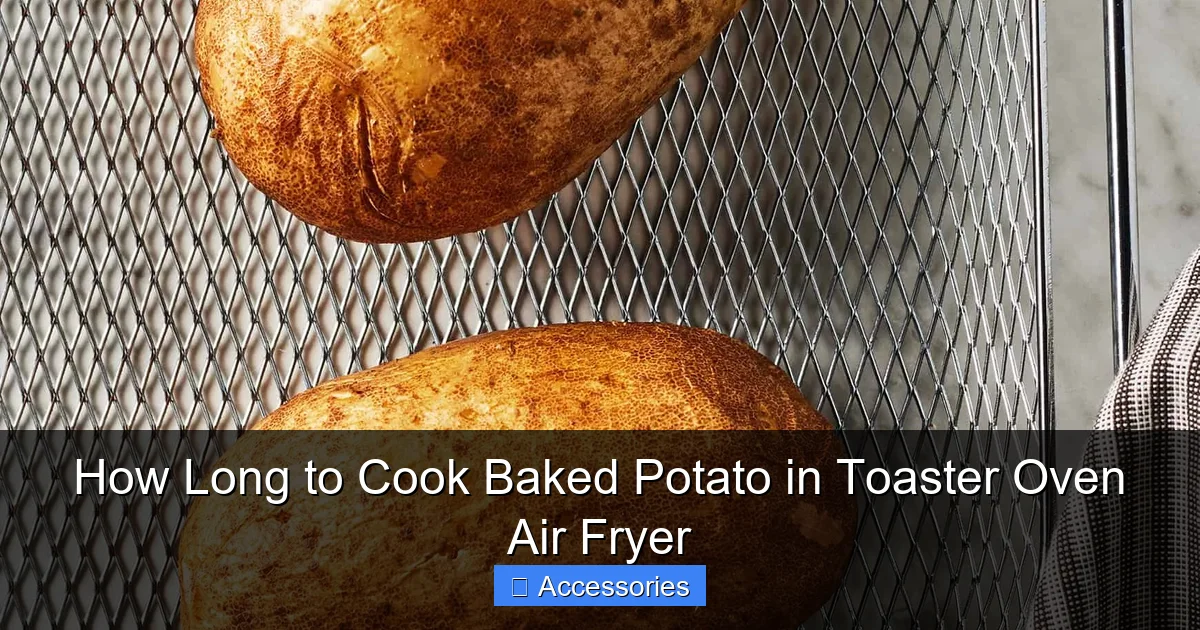
Visual guide about How Long to Cook Baked Potato in Toaster Oven Air Fryer
Image source: cdn.loveandlemons.com
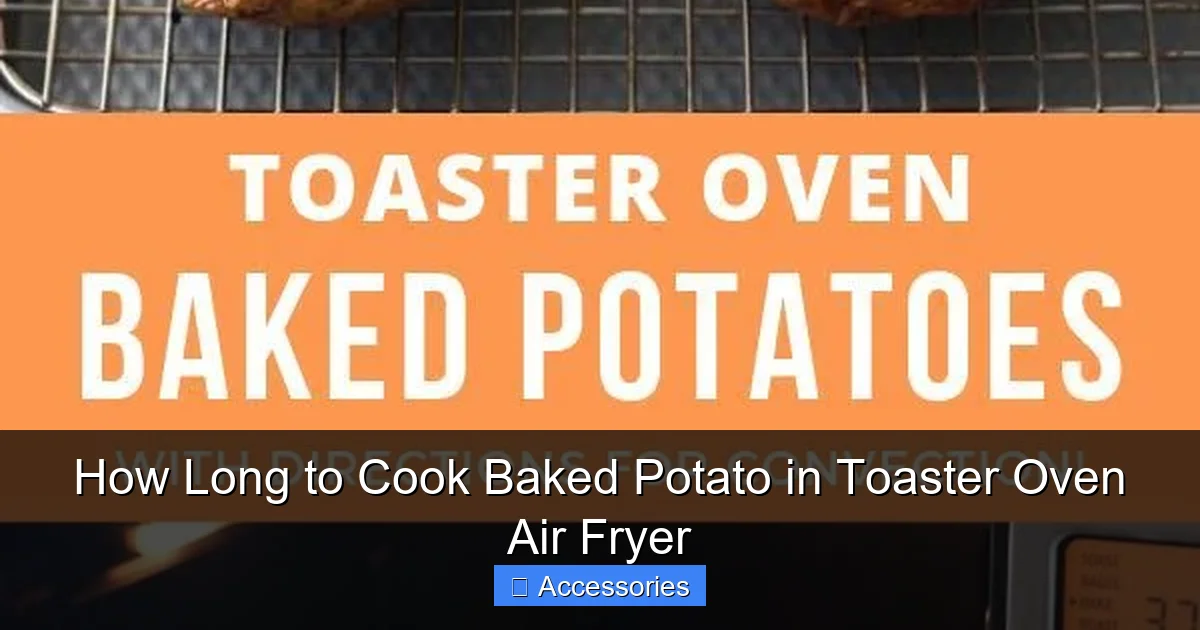
Visual guide about How Long to Cook Baked Potato in Toaster Oven Air Fryer
Image source: i.pinimg.com
Visual guide about How Long to Cook Baked Potato in Toaster Oven Air Fryer
Image source: bellyfull.net
Should I wrap my potato in foil when using a toaster oven?
It depends on your preference. Foil keeps the skin soft and traps steam, which speeds up cooking slightly. No-foil yields crispier skin but requires careful monitoring to avoid drying out.
What if my potato is still hard after the recommended time?
It might be too large or your appliance runs cooler than advertised. Cut it in half, add 5–10 minutes, and continue checking every few minutes until tender.
Can I bake a potato in a convection toaster oven?
Yes! Convection ovens circulate hot air automatically, so cooking times decrease by about 10%. Reduce temperature by 25°F and check earlier.
Is it safe to put a metal fork near the heating elements?
Most modern toaster ovens and air fryers include non-metallic racks. If yours uses metal trays, keep utensils away from hot surfaces to prevent warping or sparks.
How do I stop my air fryer from smoking when cooking potatoes?
Excess oil or burnt residue causes smoke. Trim any excess fat, clean the drip tray beforehand, and avoid over-oiling. Also, ensure your potato isn’t dripping wet—dry it thoroughly before cooking.
Frequently Asked Questions
Can I cook multiple potatoes at once in my air fryer?
Yes, but only if your model has a large capacity and you leave enough space between them. Aim for no more than 2–3 medium potatoes. Overfilling defeats the purpose of air circulation.
Should I wrap my potato in foil when using a toaster oven?
It depends on your preference. Foil keeps the skin soft and traps steam, which speeds up cooking slightly. No-foil yields crispier skin but requires careful monitoring to avoid drying out.
What if my potato is still hard after the recommended time?
It might be too large or your appliance runs cooler than advertised. Cut it in half, add 5–10 minutes, and continue checking every few minutes until tender.
Can I bake a potato in a convection toaster oven?
Yes! Convection ovens circulate hot air automatically, so cooking times decrease by about 10%. Reduce temperature by 25°F and check earlier.
Is it safe to put a metal fork near the heating elements?
Most modern toaster ovens and air fryers include non-metallic racks. If yours uses metal trays, keep utensils away from hot surfaces to prevent warping or sparks.
How do I stop my air fryer from smoking when cooking potatoes?
Excess oil or burnt residue causes smoke. Trim any excess fat, clean the drip tray beforehand, and avoid over-oiling. Also, ensure your potato isn’t dripping wet—dry it thoroughly before cooking.