Finding mice under your kitchen sink can be alarming, but addressing the problem quickly and effectively is crucial to protect your home and health. This guide covers identifying entry points, using traps and natural deterrents, and preventing future infestations. With the right approach, you can eliminate these pests and keep them away for good.
Key Takeaways
- Identify Entry Points: Mice can squeeze through tiny gaps; inspect pipes, cabinets, and walls for entry points.
- Use Traps Strategically: Place snap traps, glue boards, or live traps in areas where mice are active.
- Natural Deterrents Work: Peppermint oil, ammonia, and ultrasonic devices can repel mice without chemicals.
- Keep the Area Clean: Store food in sealed containers and remove crumbs to eliminate food sources.
- Seal Gaps Permanently: Use steel wool, caulk, or hardware cloth to block access points.
- Call Professionals if Needed: Persistent infestations may require expert help to ensure complete removal.
- Prevent Future Problems: Regular maintenance and monitoring can stop mice from returning.
📑 Table of Contents
Introduction
Imagine opening your kitchen cabinet to grab a pot and finding tiny droppings or hearing scurrying sounds behind the pipes. Finding mice under your kitchen sink is not just unsettling—it’s a sign of a bigger problem that needs immediate attention. These small rodents can cause significant damage by gnawing on wires, contaminating food, and spreading diseases. The good news is that with the right strategies, you can tackle the issue effectively.
This guide will walk you through practical steps to remove mice under your kitchen sink and prevent them from coming back. Whether you prefer natural solutions or traditional traps, we’ve got you covered. Let’s dive in and reclaim your kitchen space!
Identifying Entry Points
The first step in getting rid of mice under your kitchen sink is understanding how they’re getting in. Mice are incredibly resourceful and can fit through openings as small as a dime. Look for gaps around plumbing pipes, baseboards, and cabinet doors. Check for worn weatherstripping, loose tiles, or cracks in walls. These are common entry points, especially in older homes.

Visual guide about How to Get Rid of Mice Under Kitchen Sink
Image source: kitchensurfing.com
Inspecting the Kitchen Sink Area
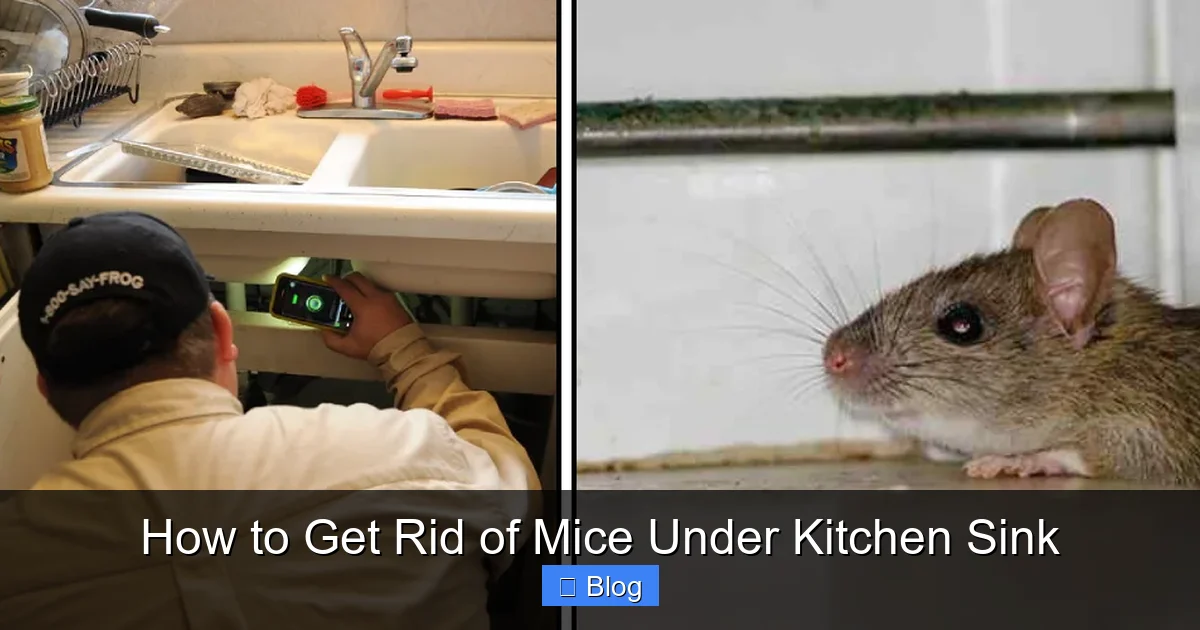
Start by examining the space under your sink thoroughly. Use a flashlight to look for signs like droppings, gnaw marks, or greasy rub marks along walls. Mice often leave trails, so follow any evidence to locate their hiding spots. Pay close attention to areas where pipes enter walls or floors. If you spot fresh droppings, the mice are likely still active nearby.
Common Entry Points to Check
Check for gaps around sink drains, water supply lines, and gas pipes. Even a small hole can be an invitation for mice. Look for spaces under cabinets, behind appliances, and near the garbage disposal. Don’t forget to inspect the exterior of your home—mice might be entering through gaps in siding or foundations.
Immediate Removal Methods
Once you’ve identified entry points, it’s time to take action. The most effective way to get rid of mice under your kitchen sink is to use traps. Choose from snap traps, glue boards, or live traps depending on your preferences. Place them along walls and in corners where mice are likely to travel.
Visual guide about How to Get Rid of Mice Under Kitchen Sink
Image source: thekitchenix.com
Types of Traps to Use
Snap traps are a classic choice. They’re quick and humane when placed correctly. Glue boards trap mice with sticky adhesive but can be less humane. Live traps allow you to release mice outside, though this method requires follow-up to prevent them from returning. Whatever you choose, position traps perpendicular to walls for maximum effectiveness.
Baiting Tips for Success
Use bait that appeals to mice, such as peanut butter, chocolate, or dried fruit. Avoid using poison baits, especially if you have children or pets. Place a small amount of bait on the trap trigger. Check traps daily and dispose of captured mice promptly to avoid odors or attracting other pests.
Natural Deterrents
If you’d rather avoid traps or chemicals, natural deterrents can help repel mice. These methods are safer for households with kids and pets. While they may not eliminate an existing infestation alone, they work well alongside other removal strategies.
Visual guide about How to Get Rid of Mice Under Kitchen Sink
Image source: thekitchenix.com
Peppermint Oil and Ammonia
Mice dislike strong scents. Soak cotton balls in peppermint oil and place them in corners under the sink. Replace them every few days as the scent fades. Ammonia-soaked rags can also deter mice, mimicking the smell of predators. However, avoid using ammonia if you have pets, as it can be harmful.
Ultrasonic Devices
These devices emit high-frequency sounds that mice find unpleasant. Plug one in under the sink and leave it running continuously. While results vary, many users report success in driving mice away. Combine this with other methods for best results.
Cleaning and Prevention
After removing mice, focus on preventing future infestations. Keeping the area under your kitchen sink clean is essential. Mice are attracted to food scraps and clutter, so maintaining a tidy space reduces their appeal.
Eliminating Food Sources
Store all food in airtight containers, especially pet food and birdseed. Wipe down surfaces regularly to remove crumbs. Take out the trash frequently and use bins with tight-fitting lids. Even small food particles can sustain a mouse population.
Sealing Gaps and Maintaining the Area
Use steel wool to fill small gaps, then seal with caulk. For larger openings, install hardware cloth or metal mesh. Check and repair weatherstripping around cabinet doors. Regularly inspect the area for new signs of mice, such as droppings or gnaw marks.
When to Call Professionals
If DIY methods aren’t working or the infestation is severe, it’s time to seek professional help. Pest control experts have access to stronger tools and can identify hidden entry points you might miss.
Signs You Need Expert Help
Persistent sightings, large amounts of droppings, or damage to wiring and insulation indicate a serious infestation. Professionals can also handle situations where mice have nested in hard-to-reach areas. Don’t hesitate to call if your safety or home’s integrity is at risk.
Choosing the Right Pest Control Service
Look for licensed, insured companies with good reviews. Ask about their methods and whether they use eco-friendly solutions. A reputable service will provide a thorough inspection and customized plan to eliminate mice under your kitchen sink.
Conclusion
Getting rid of mice under your kitchen sink requires a combination of quick action, strategic trapping, and ongoing prevention. By identifying entry points, using traps or natural deterrents, and maintaining a clean environment, you can protect your home effectively. Remember, persistence is key—monitor the area regularly and address any signs of mice immediately. With the right approach, your kitchen can stay mouse-free and safe for your family.
🎥 Related Video: Seeing Mice in your Kitchen? Check Under the SINK! #shorts
📺 JP McHale Pest Management
Seeing #mice in your kitchen? Check under your kitchen sink! #mouse #kitchen #pestcontrol #bugs #pestmanagement …
Frequently Asked Questions
Are snap traps safe to use under the kitchen sink?
Yes, snap traps are safe when placed correctly and kept away from children and pets. They provide quick, humane results when used properly.
Can peppermint oil alone get rid of mice under the sink?
Peppermint oil can repel mice but may not eliminate an existing infestation. Combine it with traps and sealing entry points for better results.
How often should I check traps under the sink?
Check traps daily to ensure they’re working and to dispose of any captured mice. This prevents odors and keeps the area sanitary.
What should I do if I find mouse droppings under the sink?
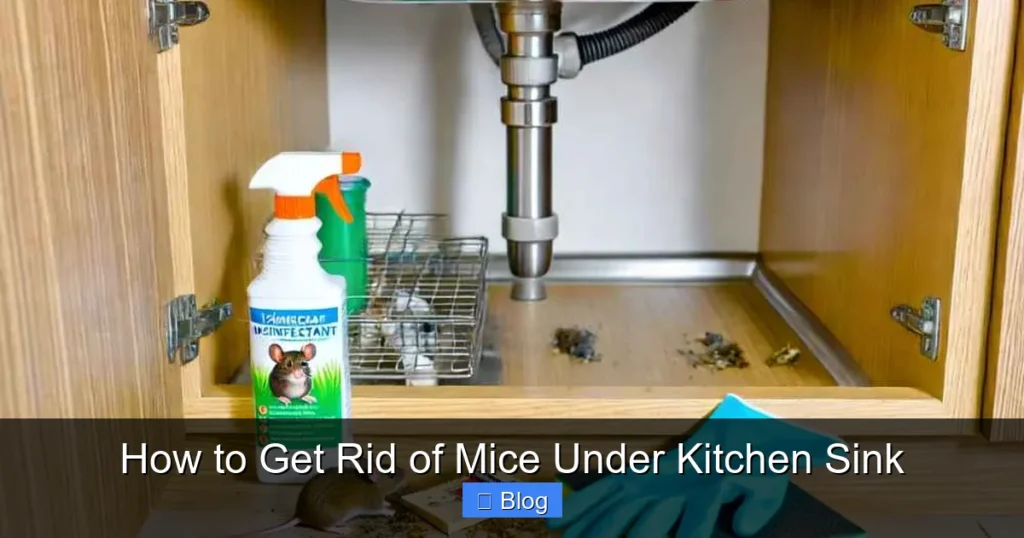
Wear gloves and a mask when cleaning droppings. Use disinfectant to sanitize the area, then focus on removing the mice and preventing future access.
Is it safe to use glue boards in the kitchen?
Glue boards can be effective but may trap non-target animals. Place them carefully and consider alternatives like live traps if safety is a concern.
How can I prevent mice from coming back?
Seal all entry points, keep the area clean, and store food properly. Regular inspections and maintenance will help keep mice at bay long-term.