Banish fishy smells from your cast iron quickly and safely. Learn simple, natural tricks, step‑by‑step cleaning, and smart seasoning tips that keep your cookware fresh and ready for any recipe.
How To Get Fish Smell Out Of Cast Iron
Cooking fish is delicious, but the lingering odor can cling to your cast iron like an unwanted guest. It’s frustrating, especially when you want to serve a fresh, clean‑tasting dish next. The good news is that you don’t need harsh chemicals or expensive gadgets. With a few household staples and a little patience, you can master **How To Get Fish Smell Out Of Cast Iron** without turning your kitchen into a science lab. This guide walks you through every step, from the moment the smell hits to the point where your pan is ready for its next culinary adventure. Let’s dive in and reclaim the pure, rich flavor of your beloved cast iron.
Key Takeaways
- Act fast: The sooner you address the odor, the easier it is to remove.
- Use natural agents: Baking soda, vinegar, and boiling water work wonders.
- Scrub gently: Avoid harsh steel wool; use a stiff brush or sponge.
- Rinse thoroughly: Remove all cleaning residues before drying.
- Dry completely: Moisture fuels lingering smells; heat it on the stove.
- Re‑season promptly: A thin oil coat locks in freshness.
- Store smart: Keep your pan in a dry, ventilated spot.
📑 Table of Contents
- Why Fish Smell Lingers in Cast Iron
- Preparing Your Cast Iron for Deodorizing
- Natural Deodorizing Techniques
- Deep Cleaning with Boiling Water and Vinegar
- Rinsing and Drying – The Critical Final Steps
- Re‑Seasoning Your Cast Iron
- Preventing Future Fish Smells
- Common Mistakes and How to Fix Them
- Final Thoughts on Mastering How To Get Fish Smell Out Of Cast Iron
- Quick Recap of the Process
Why Fish Smell Lingers in Cast Iron
Cast iron is porous. When you sear a fillet, the fats and proteins seep into the tiny pits of the surface. Those microscopic gaps trap volatile compounds that cause the characteristic fishy aroma. Unlike non‑stick pans, cast iron does not have a synthetic coating that seals everything in. Instead, it relies on a layer of seasoning – a polymerized oil film – to protect the metal. When that film is compromised, the trapped odors can surface during cooking, giving your next meal an unwanted after‑taste. Understanding this helps you target the root cause: the oil‑soaked pores that need a gentle, thorough cleaning.
How the pores work
The surface of cast iron is a matrix of microscopic valleys. When you cook fish, oils fill these valleys. Over time, those oils oxidize, turning from clear to rancid. That oxidation releases volatile molecules that smell like fish. The longer the oil sits, the stronger the odor becomes. That’s why a quick rinse isn’t enough; you need to lift the oil out of those deep pockets.
What not to do
Never soak your cast iron in water for hours. Excess moisture can cause rust and push the odors deeper. Avoid abrasive steel wool that can strip away your seasoning. And never use strong detergents that can break down the protective layer you’ve built up over years. All of these mistakes make the problem worse and lengthen the **How To Get Fish Smell Out Of Cast Iron** process.
Preparing Your Cast Iron for Deodorizing
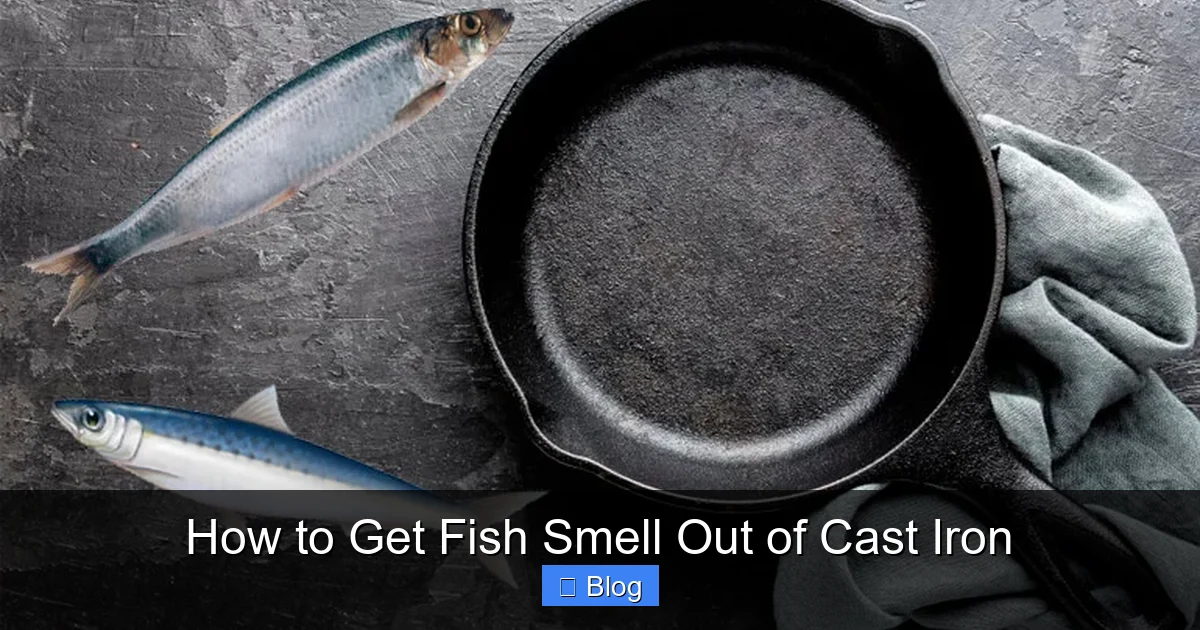
Visual guide about How to Get Fish Smell Out of Cast Iron
Image source: newrealreview.com
Before you start any cleaning method, prep the pan properly. First, remove any leftover food particles with a soft brush or a paper towel. Next, rinse the pan under warm water – just enough to loosen debris, not a full soak. Pat it dry with a clean towel. Now, you’re ready to choose a deodorizing technique that fits your schedule and the severity of the smell.
Gather your tools
– Baking soda
– White vinegar
– Coarse salt
– Stiff brush or non‑metal scrub pad- Paper towels
– Light cooking oil (vegetable, canola, or grapeseed)
– Oven or stovetop
Having everything at hand prevents interruptions and keeps the process smooth.
Natural Deodorizing Techniques
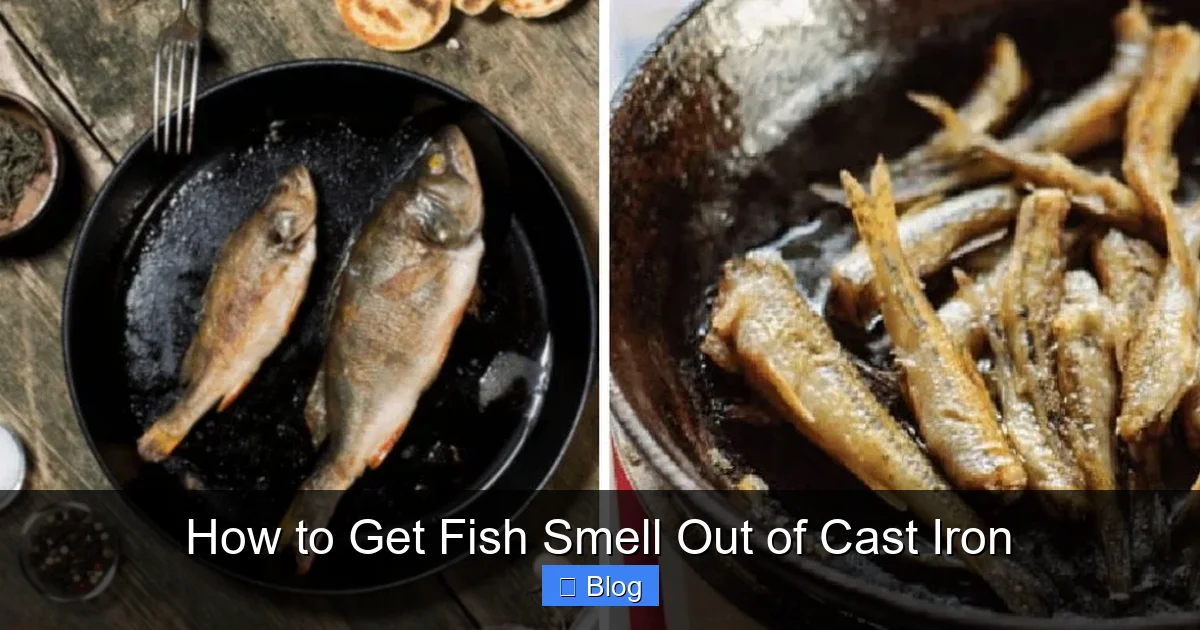
Visual guide about How to Get Fish Smell Out of Cast Iron
Image source: metalfixes.com
There are several kitchen‑friendly ways to neutralize fish odor. Each method uses a different natural agent, so you can pick the one that matches the intensity of the smell and the time you have available.
Method 1: Baking Soda Scrub
Baking soda is a gentle abrasive that absorbs odors. Sprinkle a generous layer over the still‑warm pan. Using a damp brush, scrub in circular motions. The mild alkaline nature of baking soda breaks down the fatty acids that cause the smell. Let it sit for five minutes, then rinse with warm water. Pat dry immediately.
Method 2: Vinegar Boil
White vinegar is acidic, which helps dissolve oily residues. Fill the pan with equal parts water and vinegar. Bring it to a gentle boil on the stove. As the liquid bubbles, the acid lifts the trapped oils. After five minutes, discard the liquid, rinse the pan, and dry thoroughly.
Method 3: Salt Scrub
Coarse salt works like a natural scrubbing powder. Sprinkle a thick layer onto the pan’s surface. Add a splash of oil to make it slightly damp. Scrub vigorously with a brush. The salt particles physically grind away the oily film. Rinse, dry, and move on to seasoning.
Deep Cleaning with Boiling Water and Vinegar

Visual guide about How to Get Fish Smell Out of Cast Iron
Image source: cultofcastiron.com
When the smell persists after a simple scrub, it’s time for a deeper clean. This method combines heat, acid, and steam to penetrate the deepest pores.
Step‑by‑step deep clean
1. Fill the pan with water and a splash of vinegar (about a tablespoon per quart).
2. Place the pan on the stove over medium heat.
3. Bring the mixture to a rolling boil.
4. Let it boil for ten minutes, stirring occasionally with a wooden spoon.
5. Turn off the heat and allow the pan to cool slightly.
6. Dump out the liquid and rinse the pan with warm water.
7. Scrub any remaining residue with a stiff brush.
8. Dry the pan completely on the stove over low heat for a few minutes.
This process not only removes odors but also sanitizes the surface, killing any lingering bacteria that could cause future smells.
Rinsing and Drying – The Critical Final Steps
No matter which method you choose, rinsing and drying are non‑negotiable. Any leftover moisture can reignite rust and trap new odors. After rinsing, use a paper towel to blot every corner. Then, place the pan on low heat on the stovetop for five minutes. The gentle heat evaporates hidden moisture and prepares the surface for seasoning.
Why heat matters
Heat drives off water molecules that cling to the metal’s pores. It also slightly expands the metal, opening up the tiny valleys so that the next seasoning oil can coat them evenly. This step ensures that the next time you cook, the pan’s surface is clean, dry, and ready to hold a fresh layer of seasoning.
Re‑Seasoning Your Cast Iron
Seasoning is the protective oil layer that gives cast iron its non‑stick quality and prevents rust. After a thorough cleaning, you must rebuild this layer to keep the pan in top shape and to lock in freshness.
Choosing the right oil
Pick an oil with a high smoke point: vegetable, canola, grapeseed, or flaxseed. Avoid butter or olive oil, as they burn easily and can leave a rancid scent.
Applying the oil
1. Lightly coat the entire interior with a paper towel dipped in oil. 2. Use just enough oil to create a thin, even sheen – excess oil will pool and become sticky.
3. Heat the pan upside‑down in a 400°F (200°C) oven for one hour.
4. Let it cool in the oven.
Repeat this process two or three times for a robust seasoning coat. Your pan will now resist odors and develop a richer flavor profile.
Preventing Future Fish Smells
Cleaning after every fish cook is the best defense. Here are some habits to adopt:
Cook with a barrier
Place a sheet of parchment paper or a silicone baking mat on the pan when searing fish. This barrier catches drips and makes cleanup easier.
Use a quick rinse after cooking
While the pan is still warm, rinse it with hot water and a soft brush. Dry immediately.
Store with a paper towel
Wrap the pan in a dry paper towel before storing it. This absorbs any residual moisture.
Rotate your seasoning
Every few months, give the pan a light re‑season even if it looks fine. A fresh coat keeps the pores sealed and odor‑free.
Common Mistakes and How to Fix Them
Even seasoned cooks slip up. Here are the top pitfalls and quick fixes.
Mistake 1: Using cold water on a hot pan
Cold water can cause thermal shock, cracking the metal. Always let the pan cool slightly before rinsing.
Mistake 2: Over‑scrubbing with steel wool
Steel wool can strip away seasoning, exposing raw metal. Switch to a nylon brush or a chain‑mail scrubber instead.
Mistake 3: Skipping the drying step
Moisture left behind leads to rust and traps odors. Make drying a habit after every wash.
Fixing a rust spot
If rust appears, scrub it with a mixture of vinegar and salt, rinse, dry, and re‑season the affected area. Rust is reversible with patience.
Final Thoughts on Mastering How To Get Fish Smell Out Of Cast Iron
Getting rid of fish odor is less about expensive products and more about understanding your cast iron’s unique structure. By tackling the oily pores, using gentle natural agents, and rebuilding a strong seasoning layer, you can restore your pan to its original glory. Remember to act quickly, choose the right cleaning method for the smell’s intensity, and always finish with thorough drying and seasoning. With these habits, your cast iron will stay fresh, flavorful, and ready for any culinary challenge – from searing salmon to sautéing vegetables. Say goodbye to unwanted fishy whiffs and hello to clean, crisp cooking every time.
Quick Recap of the Process
To sum it all up, here’s a concise checklist you can bookmark:
- Remove debris: Brush off any leftover bits.
- Choose a method: Baking soda, vinegar boil, or salt scrub.
- Scrub gently: Use a stiff brush, avoid steel wool.
- Rinse thoroughly: Warm water only.
- Dry on heat: Place on low stove heat.
- Re‑season: Light oil coat, bake at 400°F.
- Store dry: Keep in a ventilated area.
Follow these steps each time you cook fish, and you’ll never have to worry about that stubborn smell again.
🎥 Related Video: Simple rules for cast iron care
📺 MinuteFood
Fund carbon removal, offsets, climate policy & conservation–all in one subscription! Get started at …
Frequently Asked Questions
What if the fish smell still lingers after cleaning?
Try repeating the vinegar boil method and be sure to dry the pan completely on the stove before seasoning. Sometimes a second round is needed for deeply absorbed odors.
Can I use dish soap to clean my cast iron?
Mild dish soap is acceptable for a quick rinse, but avoid heavy detergents that can strip seasoning. Always rinse well and re‑season afterward.
Is it safe to use steel wool on cast iron?
Steel wool can damage the seasoning layer and expose raw metal, making the pan more prone to rust. Use a nylon brush or chain‑mail scrubber instead.
How often should I re‑season my cast iron?
If you notice food sticking or a dull appearance, it’s time to re‑season. Regular maintenance every few months keeps the pan in optimal condition.
Can I store my cast iron with a light oil coating?
Yes, a thin layer of oil before storage helps prevent rust and keeps the seasoning stable. Just be sure the pan is completely dry first.
Will these methods work for enamel‑coated cast iron?
Enamel coatings are more resistant to odors, but a gentle vinegar rinse and thorough drying still help maintain freshness. Avoid abrasive scrubs that can chip the enamel.