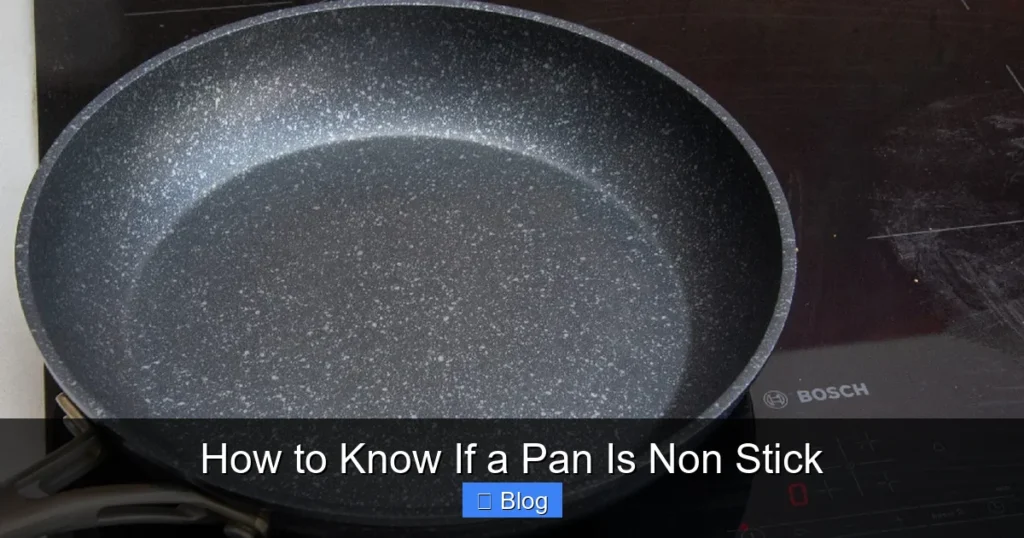
Identifying a non-stick pan is simple once you know what to look for in texture, color, and branding. By using the water drop test or checking for PTFE/Ceramic coatings, you can ensure your food slides right off and your cleanup is a breeze.
Have you ever stared at a pan in your kitchen cabinet and wondered, “Wait, is this actually non-stick?” It happens to the best of us. Maybe you inherited a set of cookware from a relative, or perhaps you bought a generic brand that didn’t have a clear label. You don’t want to ruin a fancy ceramic pan by using a metal spatula, but you also don’t want to struggle with stuck-on eggs in a stainless steel skillet.
Knowing how to know if a pan is non stick is more than just a curiosity. It is about protecting your investment and cooking your food correctly. Using the wrong heat or the wrong tools can permanently damage a non-stick surface. On the flip side, treating a stainless steel pan like a non-stick one means you’ll miss out on that perfect sear on your steak.
In this guide, we are going to walk through every single way to identify your cookware. We will cover visual tests, physical touch tests, and the famous water drop method. By the time you finish reading, you will be an expert at identifying any pan in your kitchen. Let’s dive in and get your cookware sorted!
Key Takeaways
- Visual Cues: Non-stick pans usually have a smooth, dark, or matte finish that looks different from raw metal.
- The Water Test: Water beads up on a non-stick surface rather than spreading out flat.
- Material Labels: Look for terms like “PTFE,” “Teflon,” or “Ceramic” on the packaging or bottom of the pan.
- Texture Check: A slippery, “glassy” feel often indicates a non-stick coating.
- Avoid High Heat: Non-stick pans can be damaged by extreme heat, which destroys their release properties.
- Utensil Choice: If you must use silicone or wood to avoid scratches, it is almost certainly a non-stick pan.
📑 Table of Contents
The Visual Signs: What Does Non-Stick Look Like?
The easiest way to start is by using your eyes. Most non-stick pans are designed to look a certain way so that consumers know exactly what they are buying. While there are many types of coatings, there are a few common visual markers.
The Classic Dark Coating
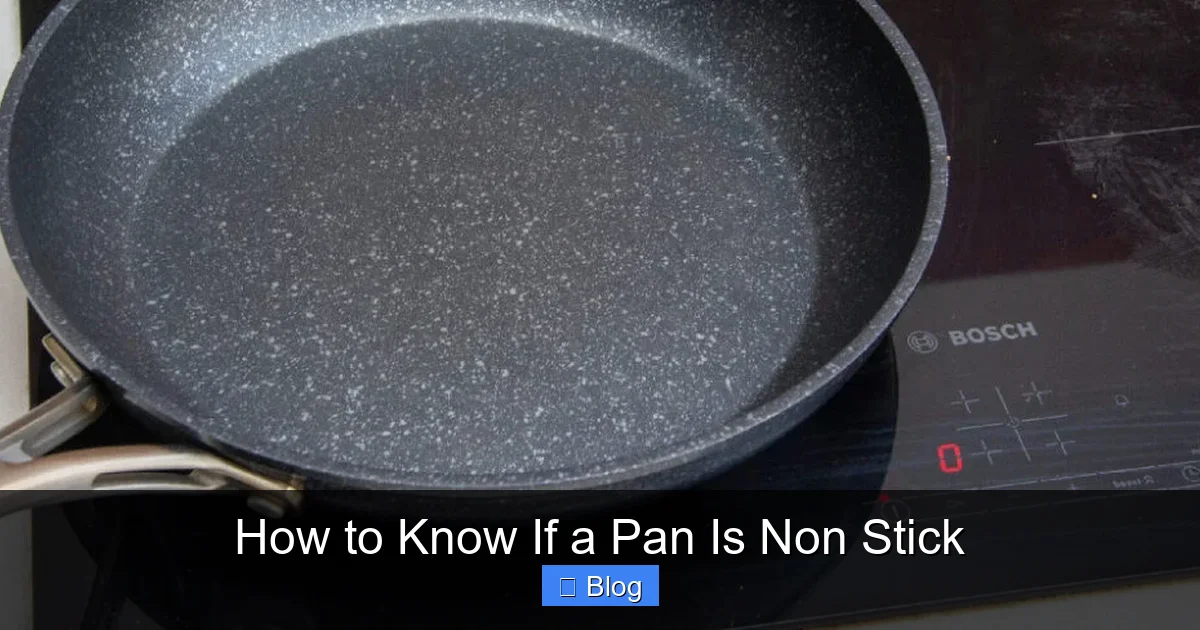
When most people think of a non-stick pan, they think of the classic black or dark grey interior. This is usually a PTFE (polytetrafluoroethylene) coating, often known by the brand name Teflon. If your pan has a smooth, dark, almost plastic-like appearance on the inside, it is almost certainly non-stick. These pans are designed to be slippery, and the dark color helps the coating stand out against the metal body of the pan.
The Modern Ceramic Look
Not all non-stick pans are black. In recent years, ceramic non-stick pans have become very popular. These often come in white, cream, light grey, or even bright colors like red or blue. Ceramic coatings have a slightly different look. They often appear more “matte” or “stony” than the glossy look of PTFE. If the pan looks like it has a thin layer of porcelain or painted enamel that feels very smooth, it is likely a ceramic non-stick pan.
Comparing it to Stainless Steel and Cast Iron
To know if a pan is non stick, it helps to know what it isn’t. Stainless steel is shiny, silver, and looks like a mirror. It has no coating at all. Cast iron is usually heavy, dark, and has a slightly grainy or rough texture. While a well-seasoned cast iron pan can act like a non-stick pan, it doesn’t have a chemical coating. If your pan is silver and shiny, it is stainless steel. If it is heavy, black, and feels rough, it is cast iron.
The Physical Touch and Feel Test
If you aren’t sure just by looking, your sense of touch is your next best tool. The physical feel of the surface can tell you a lot about the materials used in the construction.
Visual guide about How to Know If a Pan Is Non Stick
Image source: thekitchenix.com
The “Slippery” Feel
Run your finger across the surface of the pan (make sure it’s clean and cool first!). A non-stick pan will feel exceptionally smooth. It almost feels like there is a thin layer of wax or glass over the metal. If your finger glides effortlessly without any “grip” or friction, you are dealing with a non-stick surface.
Checking for Texture
Stainless steel and raw aluminum have a certain “metallic” feel. They feel cold and slightly “grippy” to the touch. If you feel any pores, grains, or a slight roughness, it is not a non-stick pan. Non-stick coatings are designed to fill in all the microscopic gaps in the metal to create a perfectly flat surface. This is why food doesn’t have anything to “grab” onto.
The Scratch Test (Visual Only!)
Look closely at the surface for any signs of peeling or flaking. One of the biggest giveaways that a pan is non-stick is when the coating starts to wear off. If you see small chips or flakes of a dark material peeling away to reveal silver metal underneath, that is a clear sign that it was a non-stick pan. Note: If you see this, it’s usually time to replace the pan, as those flakes can end up in your food.
The Water Drop Test: The Ultimate Proof
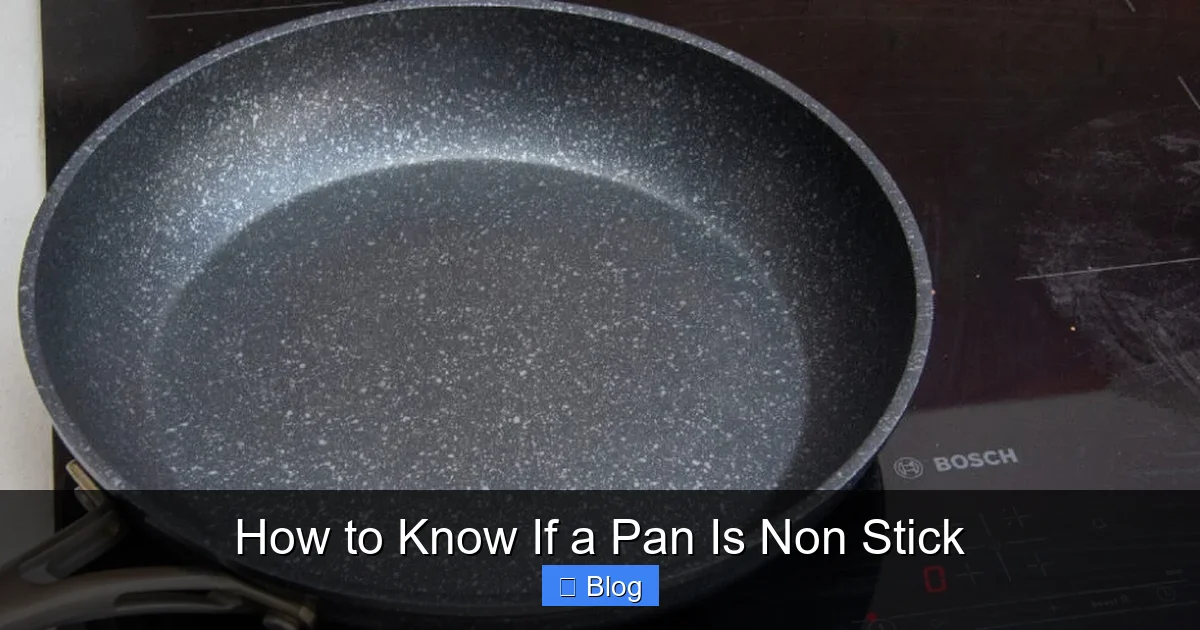
If you are still unsure, there is one foolproof method that scientists and chefs use. It is called the water drop test. This test relies on the concept of hydrophobicity, which is a fancy way of saying “water-fearing.”
Visual guide about How to Know If a Pan Is Non Stick
Image source: thekitchenix.com
How to Perform the Water Drop Test
Follow these simple steps to get a definitive answer:
- Clean the pan: Make sure the pan is completely clean and dry. Any grease or soap residue will ruin the test.
- Add a few drops: Use a dropper or your fingers to place a few small drops of water on the cooking surface.
- Observe the shape: Look at how the water behaves.
Reading the Results
If the water spreads out and flattens into a thin puddle, the pan is not non-stick. This happens because the water is attracted to the metal surface. However, if the water stays in a tight, round bead (like a little marble), the pan is non-stick. The coating repels the water, forcing it to stay in a ball. This is the same reason water beads up on a freshly waxed car.
Why This Works
Non-stick coatings are designed to have very low surface energy. This means nothing wants to stick to them—not food, not water, and not oil. By seeing how the water reacts, you are seeing the non-stick properties in action. If the water beads, your eggs will likely slide.
Checking Labels and Brand Markings
Sometimes the answer is written right on the pan. Manufacturers usually want you to know if a pan is non-stick because it changes how you use and care for it.
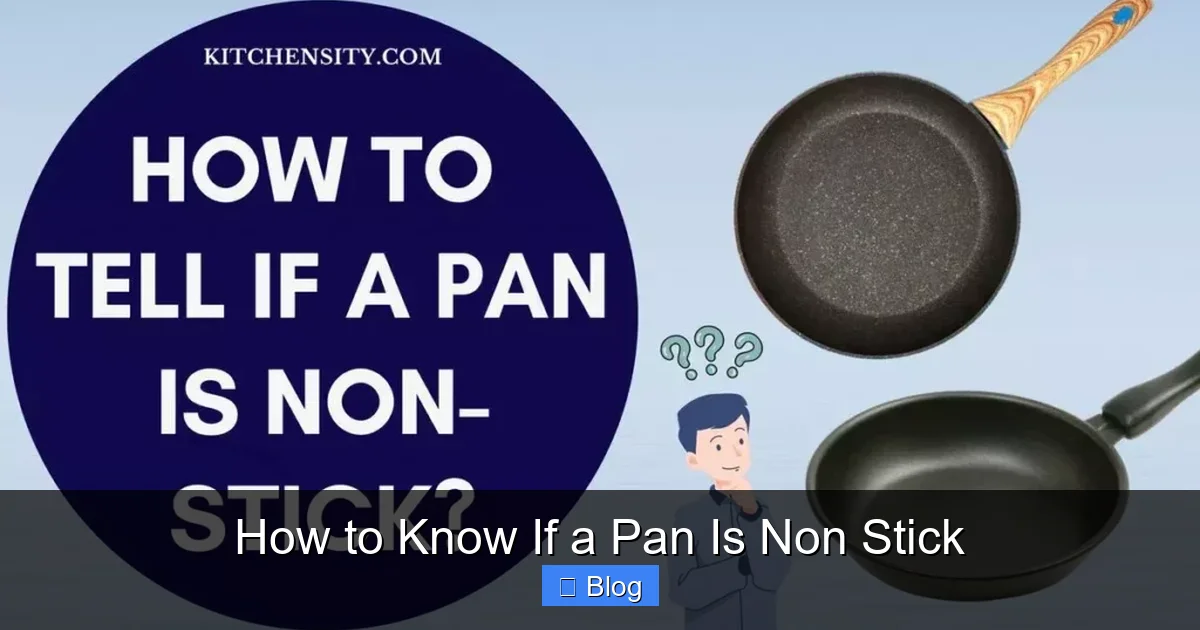
Visual guide about How to Know If a Pan Is Non Stick
Image source: kitchensity.com
Looking at the Bottom of the Pan
Flip the pan over. Many brands stamp the materials used on the bottom. Look for keywords like:
- PTFE: This is the chemical name for most traditional non-stick coatings.
- Ceramic: This indicates a sol-gel coating.
- PFOA-Free: This is a common marketing term for modern non-stick pans.
- Non-Stick: Sometimes they just spell it out!
Checking the Brand and Model
If there is a brand name like T-fal, Calphalon, or GreenPan, a quick Google search can give you the answer. Most of these brands specialize in non-stick technology. Search for the brand name and the “model” or “series” listed on the handle or bottom. You will find the product specifications in seconds.
The Packaging Clues
If you still have the box or the manual, look for instructions regarding utensils. If the manual says “Do not use metal utensils” or “Use silicone or wooden spoons,” it is 100% a non-stick pan. Metal utensils scratch the coating, which is why this warning is only given for non-stick cookware.
Different Types of Non-Stick Surfaces
To truly know how to know if a pan is non stick, you should understand that not all “non-stick” is the same. There are different technologies that provide this effect.
PTFE (Teflon)
This is the most common type. It is usually dark grey or black. It is incredibly slippery and great for eggs. However, it cannot handle very high heat. If you overheat a PTFE pan, the coating can break down and release fumes.
Ceramic Coatings
Ceramic is a newer alternative. It is often white or colorful. It can handle higher temperatures than PTFE and is marketed as a “healthier” or “green” option. While it starts off very non-stick, ceramic tends to lose its properties faster than PTFE. If you have a pan that used to be non-stick but now food sticks to it, it might be an old ceramic pan.
Hard-Anodized Aluminum
Hard-anodized pans are a bit different. They are aluminum that has been chemically treated to be harder and more durable. While they are often paired with a non-stick coating, the anodizing itself isn’t “non-stick” in the same way. If the pan is a dark, matte grey and feels very heavy and durable, it might be hard-anodized. Check for a secondary coating on top to see if it’s truly non-stick.
Seasoned Cast Iron and Carbon Steel
This is where it gets confusing. Cast iron and carbon steel are not “non-stick” by design, but they can become non-stick through a process called seasoning. Seasoning is when oil is baked into the metal at high heat, creating a natural polymer layer. If your pan is black, heavy, and feels slightly oily or waxy, it might be a seasoned pan. This is “natural” non-stick, which is different from the chemical coatings found in Teflon pans.
How to Maintain Your Non-Stick Pan
Once you have figured out that your pan is non-stick, you need to treat it correctly. If you treat a non-stick pan like a stainless steel pan, it will be ruined in a matter of weeks.
The Golden Rule: No Metal
Never use metal forks, knives, or spatulas in a non-stick pan. Metal creates tiny scratches in the coating. Once the coating is scratched, food will start to get trapped in those grooves, and the pan will lose its magic. Stick to silicone, plastic, or wood.
Temperature Control
Avoid the “High” setting on your stove. Non-stick pans are designed for low to medium heat. High heat can degrade the coating, making it peel or lose its effectiveness. If you want to sear a steak at 500 degrees, use a stainless steel or cast iron pan instead.
Cleaning Tips
Avoid using abrasive scrubbers. Steel wool or the rough side of a sponge can strip the coating away. Use a soft sponge and mild dish soap. Many non-stick pans are labeled “dishwasher safe,” but hand-washing is always better. The harsh chemicals in dishwasher pods can eat away at the non-stick surface over time.
Conclusion
Knowing how to know if a pan is non stick is all about observing the visual cues, feeling the texture, and performing a simple water test. Whether it’s the classic dark PTFE coating, a colorful ceramic surface, or a well-seasoned layer of cast iron, each type of pan has its own unique characteristics.
By identifying your pans correctly, you can choose the right tools and temperature for every meal. You’ll save your pans from unnecessary damage and ensure your omelets slide right onto the plate every time. Now that you have the tools to identify your cookware, you can cook with confidence and keep your kitchen gear in top shape for years to come!
🎥 Related Video: Top 5 Mistakes When Using Nonstick Pans
📺 ZWILLING USA
Take care of your pans ❤️ Avoiding these common mistakes will ensure a longer life for your favorite nonstick pans: 1. Heating …
Frequently Asked Questions
How can I tell if my non-stick pan is worn out?
If you notice food sticking to the pan even with oil, or if you see visible scratches and peeling flakes, the pan is worn out. Once the coating is compromised, it can no longer perform its job and should be replaced.
Is a black pan always non-stick?
No, a black pan is not always non-stick. It could be cast iron or carbon steel, which are naturally dark. Use the water drop test to see if the water beads up; if it does, it’s non-stick or well-seasoned.
Can I use a non-stick pan for high-heat searing?
It is not recommended. High heat can damage the chemical coatings of most non-stick pans, potentially releasing toxic fumes or ruining the surface. Use stainless steel or cast iron for high-heat searing.
Does “PFOA-free” mean the pan is non-stick?
PFOA-free refers to the absence of a specific chemical used in the manufacturing process. It doesn’t necessarily mean the pan is non-stick, but most modern non-stick pans are now PFOA-free.
Why is my ceramic pan sticking?
Ceramic coatings tend to lose their non-stick properties faster than PTFE. This is often caused by “carbonization,” where tiny bits of oil burn onto the surface. A gentle scrub with a baking soda paste can sometimes restore the surface.
Can I use a metal spatula on a ceramic non-stick pan?
No, you should still avoid metal on ceramic. While ceramic is harder than PTFE, metal utensils can still chip or scratch the surface, which will lead to food sticking over time.