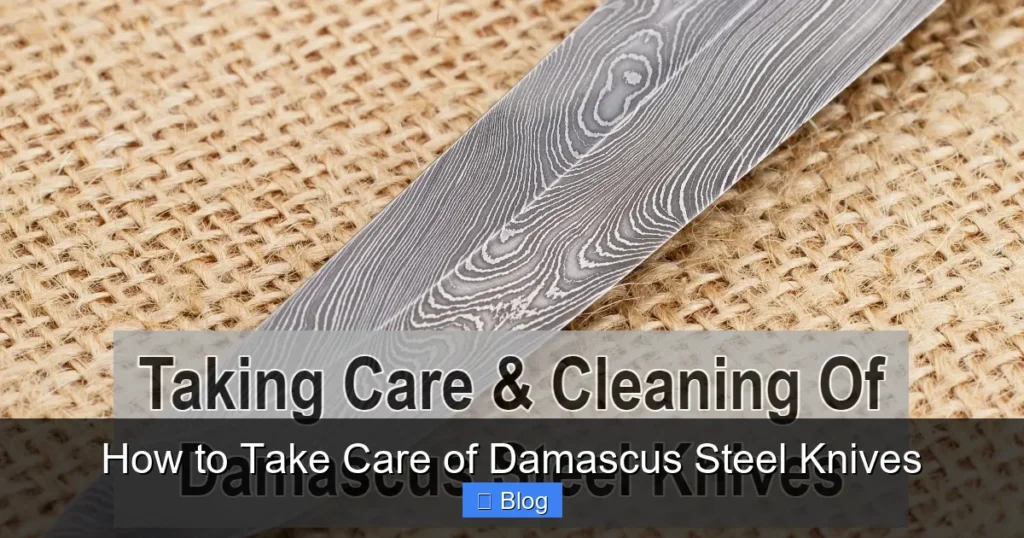
Proper care keeps your Damascus steel knife sharp, beautiful, and rust‑free. Follow these simple steps to protect the blade, maintain its pattern, and extend its life.
Key Takeaways
- Point 1: Clean your knife by hand, dry it immediately, and never soak it.
- Point 2: Store the knife in a dry place using a sheath or magnetic strip.
- Point 3: Apply a thin coat of food‑grade oil after each use to guard against moisture.
- Point 4: Sharpen with a fine stone or honing rod, never a cheap electric sharpener.
- Point 5: Avoid harsh detergents, dishwashers, and abrasive pads.
- Point 6: Inspect the blade regularly for chips or discoloration.
- Point 7: Treat the knife with respect; it will reward you with decades of performance.
📑 Table of Contents
Introduction
You have invested in a Damascus steel knife. Its beauty and performance are unmatched. But the steel can be fragile if you ignore basic care. This guide shows you exactly how to take care of Damascus Steel knives. We will cover everyday habits, storage tricks, and common pitfalls. By the end you will feel confident protecting your investment.
Think of the knife like a prized tool, not a disposable gadget. A little attention now saves you money later. You will learn why moisture is the enemy, how to sharpen correctly, and when to re‑oil the blade. Follow each tip and your knife will stay sharp, shiny, and reliable for years.
The Basics of Damascus Steel
Damascus steel is a layered pattern created by folding and welding different metals. The result is a blade that is both strong and flexible. The pattern is not just decorative; it also indicates the quality of the steel. Understanding the structure helps you appreciate why certain care steps are essential.
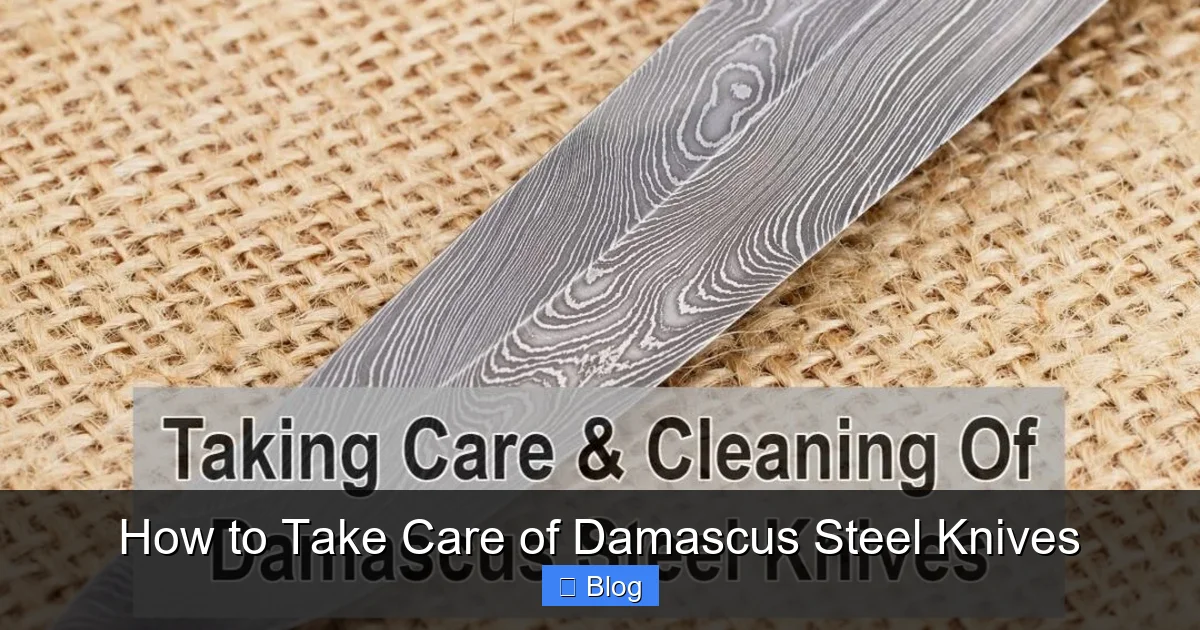
Visual guide about How to Take Care of Damascus Steel Knives
Image source: sharpyknives.com
What Makes Damascus Steel Special?
The layered construction gives the blade a unique combination of hardness and toughness. The softer layers absorb impact while the harder layers hold an edge. This balance is why many chefs prefer Damascus over single‑metal blades.
Because of its microstructure, the steel can show water spots if left untreated. The pattern can also trap moisture in tiny crevices. That is why drying the knife promptly is critical.
Common Misconceptions
Some people think Damascus steel is indestructible. That is false. It can chip if dropped on a hard surface. Others believe it never needs oil. In reality, the steel still rusts without protection.
Another myth is that any sharpening stone works. Fine grit stones are recommended; coarse stones can damage the delicate edge.
Daily Care Routine
A consistent daily routine keeps the blade in top shape. The routine is simple and takes only a few minutes.
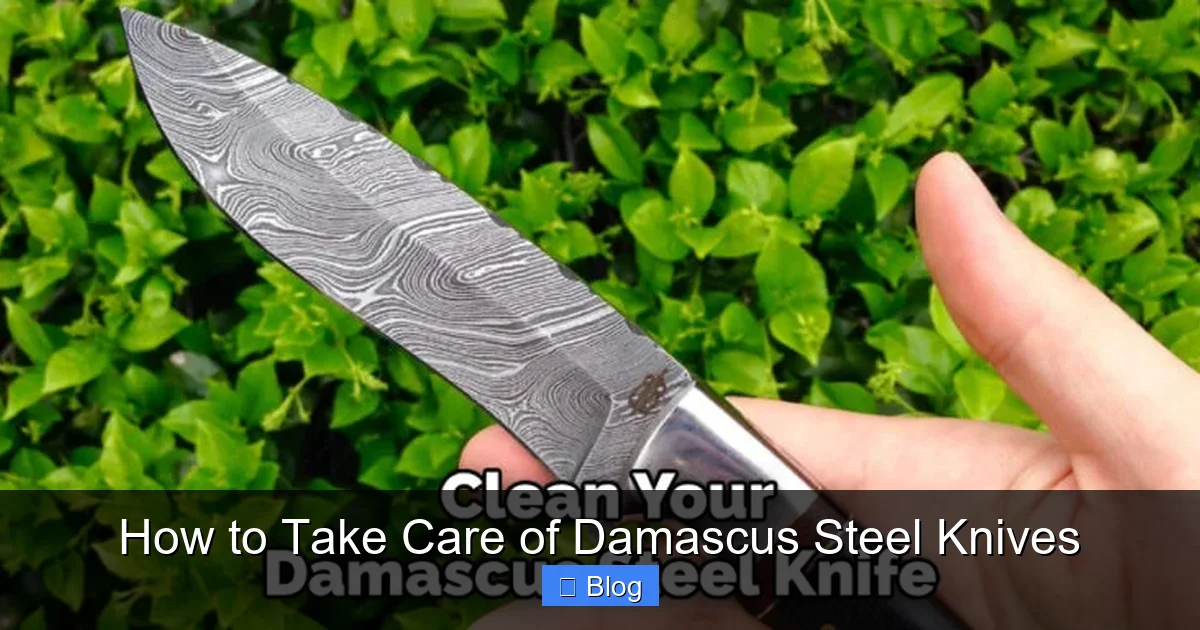
Visual guide about How to Take Care of Damascus Steel Knives
Image source: thekitchenix.com
Cleaning After Each Use
Rinse the knife under warm water to remove food particles. Use a soft sponge, not a steel wool pad. Avoid abrasive cleaners that can scratch the surface.
After washing, wipe the blade dry with a clean towel. Pay special attention to the handle and the base of the blade where water can linger.
Immediate Drying
Leaving moisture on the steel invites rust. Dry the knife with a microfiber cloth. If you notice water droplets, give them a quick pat with another dry cloth.
Never air‑dry the knife. Even a few minutes of humidity can start a corrosion cycle.
Light Oiling
Once a week, apply a thin layer of food‑grade mineral oil. Use a soft cloth to spread the oil evenly. This creates a barrier against moisture.
Wipe off any excess oil. Too much oil can attract dust and make the blade look greasy.
Sharpening and Edge Maintenance
A sharp edge is the hallmark of a well‑cared Damascus knife. Proper sharpening preserves the pattern and keeps cutting performance high.
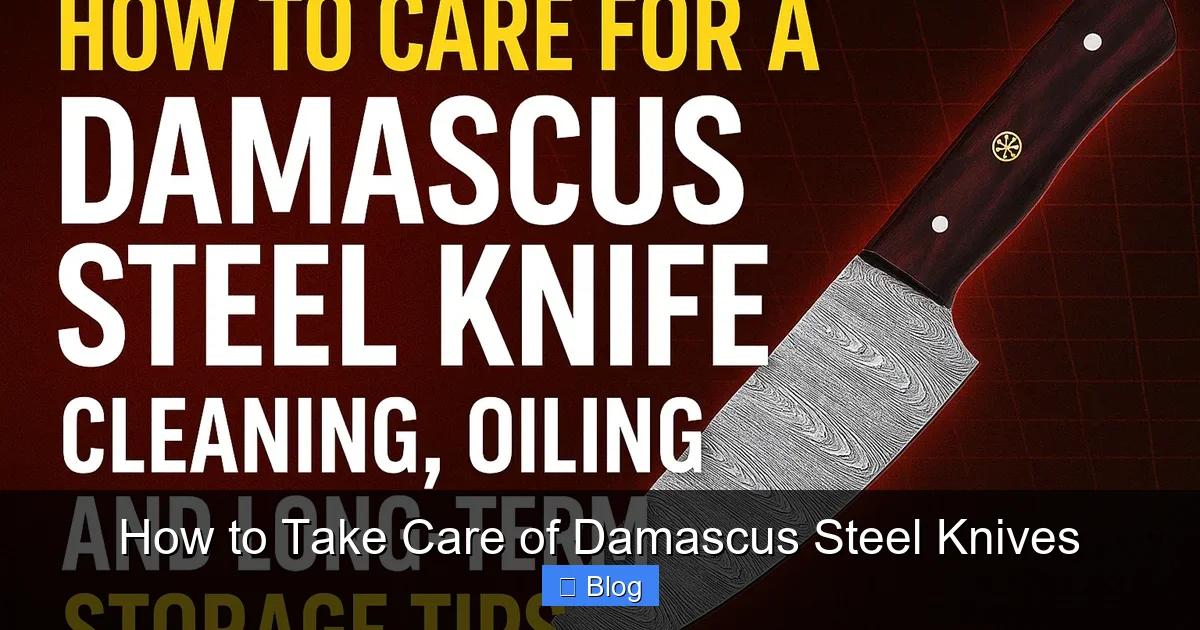
Visual guide about How to Take Care of Damascus Steel Knives
Image source: uniquebladesrunner.store
Honing vs. Sharpening
Honing realigns the microscopic edge without removing metal. Use a honing steel or a fine ceramic rod. Run the blade at a 15‑degree angle, pulling the heel toward you.
Sharpening removes a small amount of metal to create a new edge. Choose a whetstone with a grit of 1000 to 3000 for routine sharpening. Finish with a 6000 grit stone for a polished edge.
Step‑by‑Step Sharpening
Soak the stone in water for ten minutes. Place the stone on a non‑slippery surface. Hold the knife at a consistent angle and push the blade away from you, alternating sides.
Repeat the motion ten times per side. Check the edge by lightly running your thumb across it; you should feel a slight bite.
Finish with a few strokes on a leather strop charged with honing compound. This polishes the edge and removes any burrs.
Proper Storage Practices
How you store the knife affects its longevity. The goal is to keep the blade dry, protected, and away from other metal objects.
Using a Sheath
A leather or polymer sheath protects the edge and prevents accidental cuts. Store the sheath in a drawer or on a wall rack. Make sure the sheath is dry before inserting the knife.
Magnetic Strips
Mounting the knife on a magnetic strip keeps it visible and accessible. Ensure the strip is mounted on a dry wall. The magnetic force holds the blade securely without pressure on the edge.
Drawer Storage
If you prefer a drawer, place a soft cloth or foam pad at the bottom. Lay the knife flat with the blade facing up. Avoid stacking heavy items on top of it.
Protecting Against Corrosion and Damage
Even with daily care, occasional exposure to moisture can still happen. Here’s how to minimize risk.
Regular Oiling Schedule
Every month, apply a light coat of oil even if you already oiled after each use. This reinforces the protective layer.
Use a cloth to spread the oil, then wipe away any surplus. Store the knife in a low‑humidity environment.
Avoiding Harsh Chemicals
Never soak the blade in vinegar, lemon juice, or bleach. These acids can etch the steel and dull the pattern.
When cleaning, stick to mild dish soap and warm water. Rinse thoroughly and dry immediately.
Temperature Extremes
Extreme heat can warp the handle and affect the steel’s temper. Keep the knife away from ovens, stovetops, and direct sunlight for long periods.
Similarly, freezing temperatures can make the steel brittle. Store the knife in a climate‑controlled area.
Common Mistakes to Avoid
Even experienced cooks make errors that shorten a knife’s life. Recognizing these mistakes helps you avoid them.
Using the Dishwasher
Dishwashers expose blades to high heat, harsh detergents, and abrasive sprays. The rapid temperature changes cause micro‑cracks in the steel.
Even a short cycle can leave water spots that lead to rust. Hand‑wash only.
Soaking the Blade
Leaving the knife submerged for minutes or hours allows water to seep into the handle and steel. This can cause swelling, rust, and loss of edge retention.
If you must clean a stuck-on residue, gently scrub with a soft brush and rinse quickly.
Improper Sharpening Tools
Electric sharpeners remove too much metal and can ruin the delicate pattern. Cheap manual sharpeners often apply uneven pressure.
Invest in quality stones or a guided sharpening system designed for fine Damascus blades.
Neglecting the Handle
The handle can crack or warp if moisture gets trapped. Wipe the handle dry and condition it with a suitable wood oil if it’s wooden.
Leather handles benefit from occasional conditioning to keep them supple.
Conclusion
Taking care of a Damascus steel knife is not complicated, but it does require consistency. Clean, dry, oil, store, and sharpen with care. Avoid shortcuts that expose the blade to moisture, harsh chemicals, or rough tools.
By following the steps outlined in this guide, you will preserve the knife’s beauty, performance, and value for many years. Remember, the secret to longevity lies in small, daily habits.
Start today. Give your Damascus knife the respect it deserves, and it will reward you with flawless cuts and a stunning visual pattern for a lifetime.
🎥 Related Video: How to Remove Rust from a Damascus steel blade and prepare it for long term storage.
📺 STUFF WE DO.
Knife maintenance: How to keep your knives looking good and in super shape for long term storage. Also how to remove rust from …
Frequently Asked Questions
How often should I oil my Damascus steel knife?
Apply a thin coat of oil after each use and repeat a light oiling once a month for extra protection.
Can I put my Damascus knife in the dishwasher?
No. The high heat and harsh detergents can damage the steel and cause rust.
What is the best way to sharpen a Damascus blade?
Use a fine whetstone (1000‑3000 grit) followed by a higher grit (6000) for polishing. Keep the angle consistent and finish with a leather strop.
Is it safe to soak a Damascus knife to remove stuck food?
Avoid soaking. If food is stuck, gently scrub with a soft brush, rinse quickly, and dry immediately.
Do I need a special sheath for my Damascus knife?
A soft leather or polymer sheath protects the edge and prevents accidental cuts. Ensure it stays dry before storing.
Can I use any type of oil on my knife?
Food‑grade mineral oil or specialized knife oil works best. Avoid vegetable oils, as they can go rancid.