Got rust on your beautiful Damascus knife? Don’t panic. This guide shows you simple, effective methods— from household items to professional products— to restore your blade without damaging its layers. Follow our easy steps and keep your knife looking razor‑sharp and rust‑free.
Key Takeaways
- Identify the rust type: Surface spotting vs. deep pitting determines the right treatment.
- Use gentle abrasives first: Baking soda paste or fine steel wool often clears rust safely.
- Avoid harsh chemicals: Chlorine bleach and strong acids can erode Damascus layers.
- Rinse and dry promptly: Moisture is the enemy; always dry the blade completely after cleaning.
- Apply protective oil: A light coat of food‑grade oil creates a barrier against future rust.
- Regular maintenance matters: Simple after‑use care prevents rust from forming again.
- When to seek professional help: Severe corrosion may require a skilled bladesmith.
📑 Table of Contents
- Introduction: Why Rust Happens on Damascus Knives
- 1. Understanding the Types of Rust on Damascus Blades
- 2. Preparing Your Workspace and Tools
- 3. Gentle Home Remedies for Light Surface Rust
- 4. Tackling Stubborn Rust with Commercial Products
- 5. Restoring Deep Pitting Rust: When to Use a Fine Abrasive Pad
- 6. Preventing Future Rust: Maintenance Tips for Damascus Knives
- Conclusion: Keep Your Damascus Knife Gleaming for Years
Introduction: Why Rust Happens on Damascus Knives
Damascus knives are prized for their beautiful layered patterns and razor‑sharp edges. Yet, like any high‑carbon steel, they are vulnerable to rust when exposed to moisture, acidic foods, or improper storage. Rust not only looks unsightly; it can eat away at the metal, dull the edge, and eventually ruin the artwork that makes Damascus so special.
Fortunately, rust removal doesn’t have to be a daunting, expensive process. With a few household items, a bit of patience, and the right technique, you can bring a rusty Damascus blade back to life. This article walks you through every step, from identifying the rust type to choosing the best cleaning method and preventing future corrosion.
1. Understanding the Types of Rust on Damascus Blades
Surface Rust vs. Pitting Rust
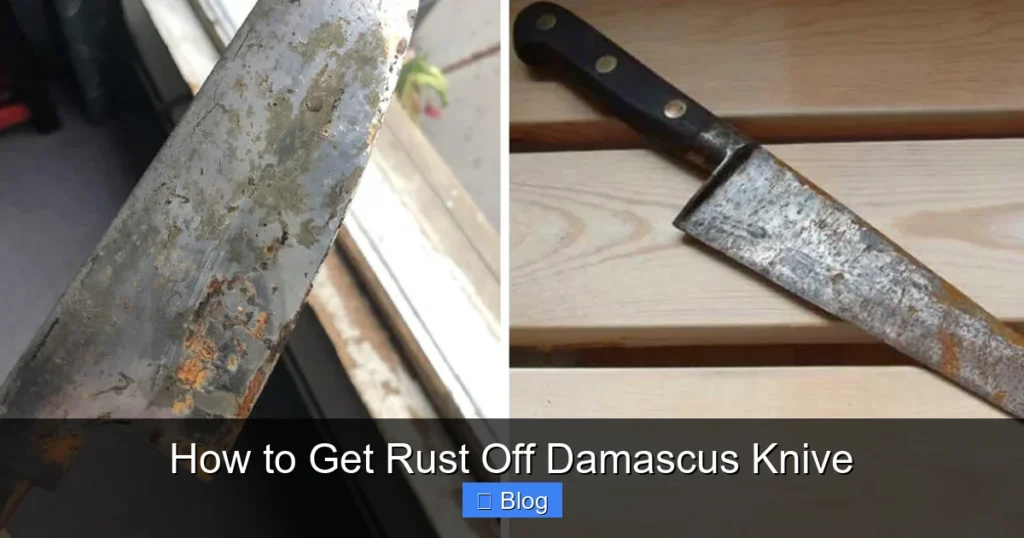
Not all rust is created equal. Surface rust appears as a light orange or brown film on the blade’s surface. It is usually easy to remove and does not affect the blade’s structural integrity. Pitting rust, on the other hand, creates tiny holes or pits in the metal. This type is more severe and may require extra effort or professional attention.
Visual guide about How to Get Rust Off Damascus Knive
Image source: thekitchenix.com
How to Spot the Difference
- Touch test: Gently run your fingertip over the rusted area. Surface rust feels smooth, while pitting feels rough.
- Magnification: Use a magnifying glass. Pits will appear as tiny depressions, whereas surface rust looks like a uniform coating.
- Depth check: Lightly scrape with a plastic scraper. If the metal underneath is exposed quickly, you’re dealing with surface rust.
2. Preparing Your Workspace and Tools
Safety First
Always work in a well‑ventilated area and wear protective gloves. Some cleaning agents can irritate skin, and metal shavings can cause minor cuts.
Visual guide about How to Get Rust Off Damascus Knive
Image source: i.ytimg.com
Essential Tools
- Soft cloths or microfiber towels
- Fine steel wool (grade #0000) or a non‑abrasive scrub pad
- Baking soda, white vinegar, lemon juice, or a commercial rust remover (choose a food‑safe option)
- Plastic or wooden spatula for scraping
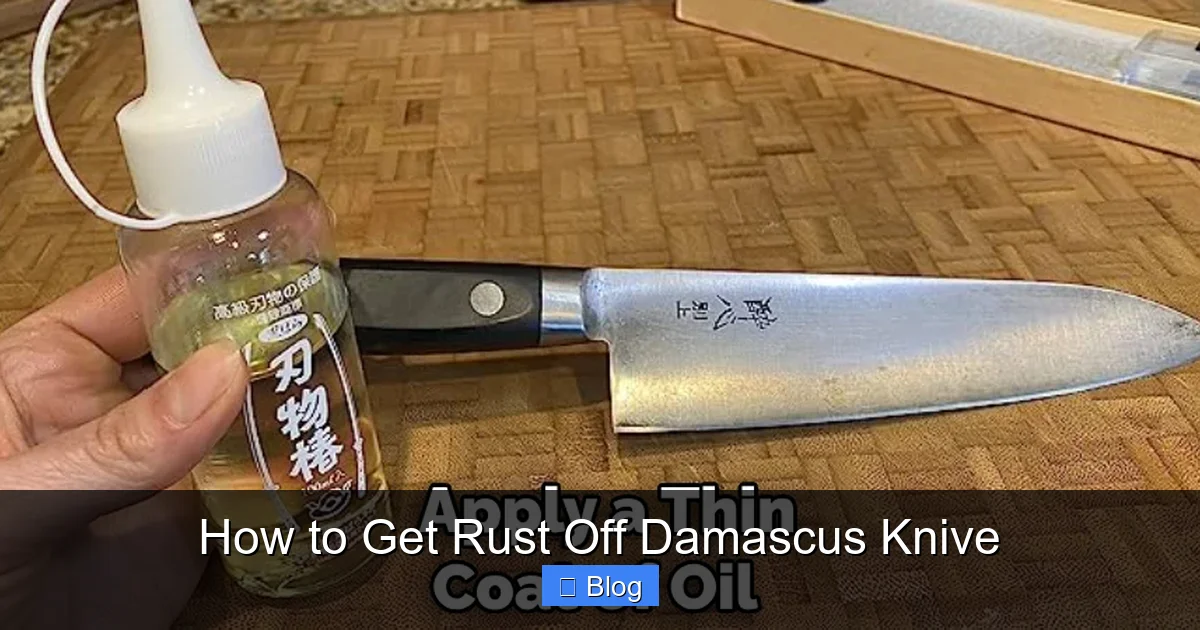
- Food‑grade mineral oil or camellia oil for protection
- Small bowl, warm water, and a soft brush (old toothbrush works well)
Setting Up Your Station
Lay a clean towel on a sturdy surface. Keep a bowl of warm water nearby to rinse tools quickly, preventing rust from spreading to them. Having everything within arm’s reach saves time and reduces the chance of the blade sitting in water too long.
3. Gentle Home Remedies for Light Surface Rust
Method A: Baking Soda Paste
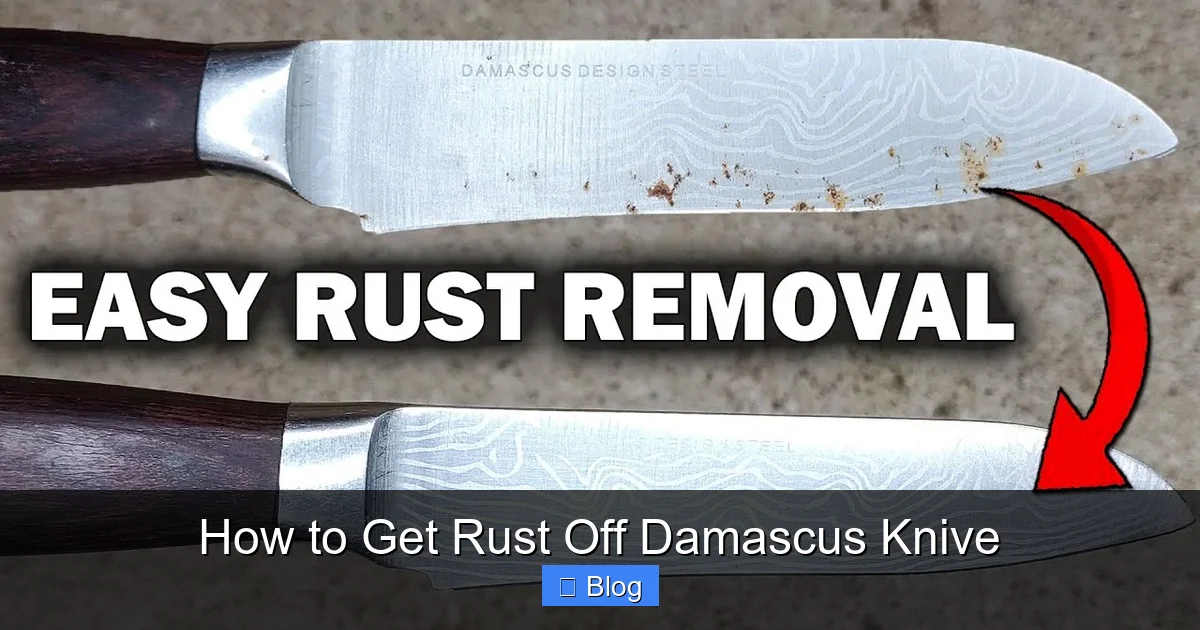
Baking soda is mildly abrasive and alkaline, making it perfect for lifting surface rust without harming Damascus layers.
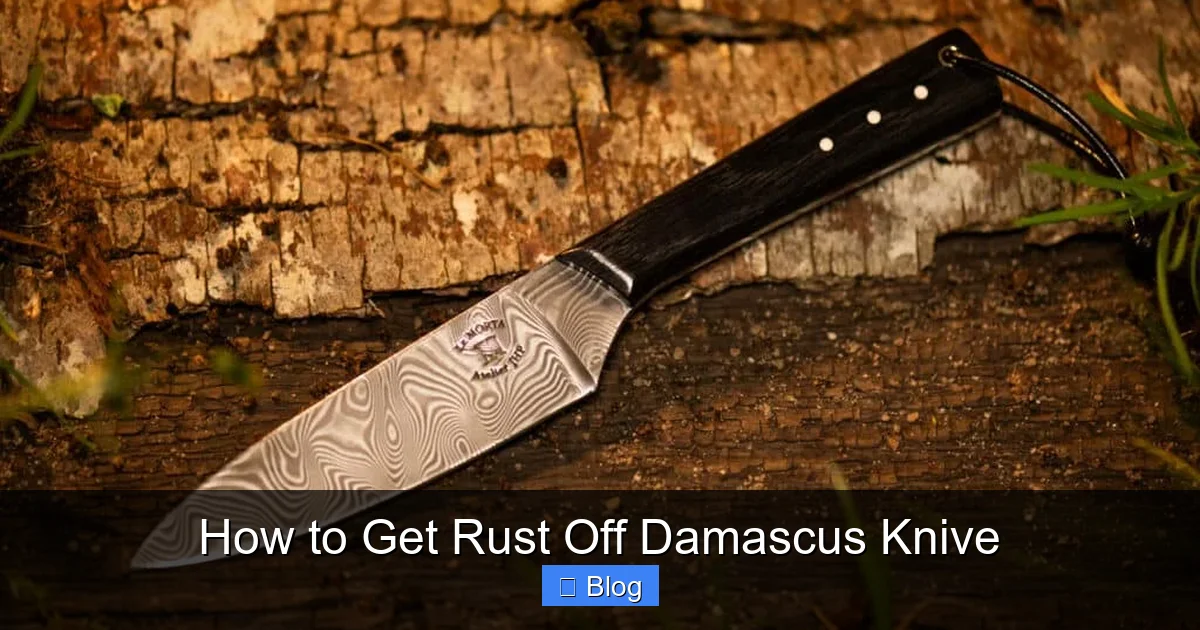
Visual guide about How to Get Rust Off Damascus Knive
Image source: couteaux-morta.com
- Mix 3 parts baking soda with 1 part water to form a thick paste.
- Apply the paste to the rusted area using a soft cloth.
- Let it sit for 5‑10 minutes. The paste will start to fizz as it reacts with the rust.
- Gently rub in a circular motion with fine steel wool or a non‑abrasive pad. Do not apply heavy pressure.
- Rinse the blade with warm water, dry immediately with a microfiber towel, and apply a thin layer of oil.
Method B: Lemon Juice and Salt
The acidity of lemon combined with the mild grit of salt works like a natural rust remover.
- Squeeze fresh lemon juice onto the rusted spot.
- Sprinkle a pinch of coarse salt over the juice.
- Let the mixture sit for 10‑15 minutes. The acid will break down the rust.
- Scrub gently with a soft brush or steel wool.
- Rinse thoroughly, dry, and oil the blade.
Why These Methods Work
Both baking soda and lemon juice are weak enough to avoid etching the fine Damascus pattern, yet strong enough to dissolve iron oxide. The gentle abrasion removes the rust without scratching the underlying steel.
4. Tackling Stubborn Rust with Commercial Products
Choosing a Food‑Safe Rust Remover
If home remedies don’t fully clear the rust, look for a rust remover labeled “food‑grade” or “non‑toxic.” Popular options include Evapo-Rust and Metal Rescue. These solutions are water‑based, biodegradable, and safe for knives that will touch food.
Step‑by‑Step Guide
- Read the product label and wear gloves.
- Pour the remover into a small container; submerge only the rusted portion of the blade.
- Let it soak for the recommended time (usually 5‑15 minutes).
- After soaking, use a soft brush to gently scrub away loosened rust.
- Rinse the blade with plenty of warm water to remove any residue.
- Dry immediately and apply a protective oil coat.
Precautions
- Never leave the blade soaking for longer than instructed; prolonged exposure can affect the Damascus layers.
- Always rinse thoroughly—chemical residues can affect food safety.
- Store the remover out of reach of children and pets.
5. Restoring Deep Pitting Rust: When to Use a Fine Abrasive Pad
Assessing the Damage
If pitting is present, you’ll need a slightly more aggressive approach, but still one that respects the blade’s pattern. A fine abrasive pad (e.g., 0000 steel wool) can level out pits without gouging the steel.
Procedure
- Apply a small amount of mineral oil to the rusted area to lubricate.
- Gently rub the fine steel wool over the pits in a back‑and‑forth motion.
- Check frequently; you want the surface to become even, not scratched.
- Once the pits are minimized, clean the blade with warm, soapy water to remove metal particles.
- Rinse, dry, and finish with a protective oil layer.
When to Seek Professional Help
If the pits are deep (more than 0.5 mm) or cover a large portion of the blade, it’s best to consult a professional bladesmith. They can re‑forge or re‑polish the blade, preserving its structural integrity and aesthetic value.
6. Preventing Future Rust: Maintenance Tips for Damascus Knives
Everyday Care
- Hand wash only: Avoid dishwashers. Use warm water, a mild dish soap, and a soft brush.
- Dry immediately: Pat the blade dry with a microfiber towel; never air‑dry.
- Oil after each use: A thin coat of food‑grade mineral oil creates a moisture barrier.
Storage Solutions
Store your Damascus knife in a dry knife block, magnetic strip, or a sheath made of breathable material. Avoid leather sheaths that retain moisture.
Seasoning the Blade
Just like a cast‑iron pan, a well‑seasoned Damascus blade resists rust. To season:
- Apply a generous amount of oil to the entire blade.
- Heat the blade gently over low flame or place it in a warm oven (150 °F/65 °C) for 10 minutes.
- Wipe off excess oil. Repeat once a month for optimal protection.
Regular Inspection
Make it a habit to glance at the blade after each use. Early spotting of rust allows you to treat it before it spreads.
Conclusion: Keep Your Damascus Knife Gleaming for Years
Rust on a Damascus knife may feel like a disaster, but with the right knowledge and tools, you can restore its shine and performance. Start with gentle home remedies, move to food‑safe commercial cleaners if needed, and use fine abrasives only for stubborn pitting. Most importantly, adopt a consistent maintenance routine—clean, dry, oil, and store properly—to keep rust at bay.
Remember, the beauty of Damascus lies not just in its pattern, but in the care you give it. Follow these steps, and your knife will stay a trusted kitchen companion for many meals to come.
🎥 Related Video: How to Remove Rust from a Damascus steel blade and prepare it for long term storage.
📺 STUFF WE DO.
Knife maintenance: How to keep your knives looking good and in super shape for long term storage. Also how to remove rust from …
Frequently Asked Questions
Can I use regular steel wool on a Damascus knife?
Yes, but only the ultra‑fine grade #0000. Coarser steel wool can scratch the delicate layers and damage the pattern.
Is vinegar safe for removing rust from Damascus steel?
White vinegar works for light surface rust, but it should be used sparingly and rinsed off quickly to avoid prolonged acid exposure.
How often should I oil my Damascus knife?
Apply a thin layer of food‑grade oil after each wash and before storage. If you use the knife daily, a weekly deep oiling is ideal.
Will a rust remover damage the Damascus pattern?
Food‑safe, non‑acidic rust removers are designed not to affect the pattern. Always follow the manufacturer’s timing guidelines.
Can I put my Damascus knife in the dishwasher?
No. The high humidity, detergent chemicals, and heat in dishwashers accelerate rust and can dull the edge.
What should I do if rust returns quickly after cleaning?
Check your storage conditions. Ensure the blade is completely dry, stored in a low‑humidity environment, and oiled regularly.