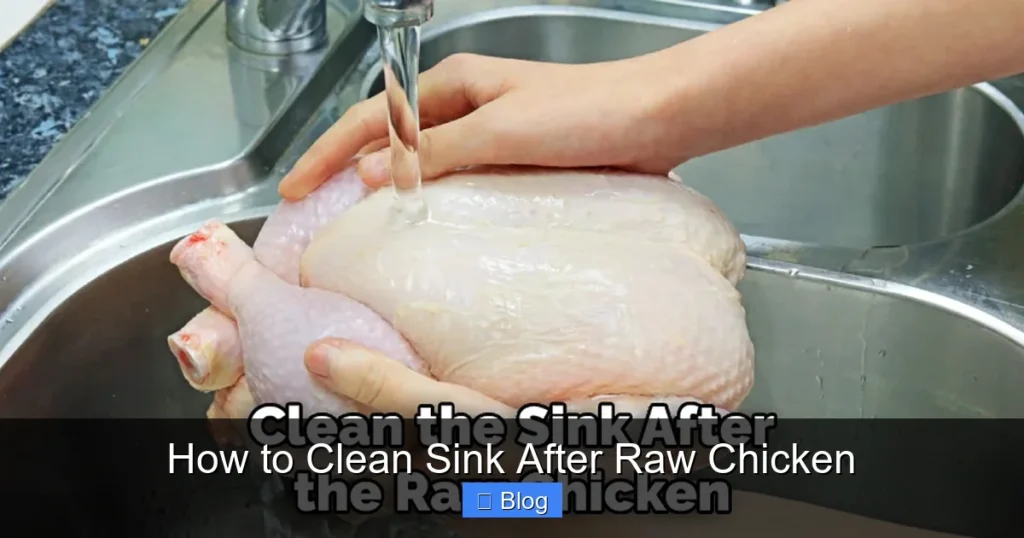
Cleaning a sink after handling raw chicken doesn’t have to be a chore. With a few simple steps—hot water, the right cleaners, and proper rinsing—you’ll eliminate bacteria, banish smells, and protect your family’s health.
Key Takeaways
- Act quickly: Clean the sink right after use to stop bacteria from setting in.
- Use hot water: Water at 140°F (60°C) or hotter helps dissolve grease and kills microbes.
- Choose the right cleanser: Dish soap, white vinegar, and a diluted bleach solution are the most effective.
- Disinfect all surfaces: Include faucet, handles, and surrounding countertops.
- Rinse thoroughly: Residual cleaner can attract dirt or cause irritation.
- Dry completely: Moisture fuels bacterial growth, so wipe the sink dry.
- Maintain a routine: Regular deep cleaning keeps your sink safe for every meal.
📑 Table of Contents
Why Cleaning the Sink After Raw Chicken Matters
Raw chicken carries Salmonella and Campylobacter. These bacteria love warm, moist places—exactly what a kitchen sink provides after you’ve washed a bird. If you leave residues, you risk cross‑contamination. That means the next time you chop veggies or rinse a plate, you could spread harmful germs.
But don’t panic. A proper cleaning routine removes the danger in minutes. The key is to combine heat, soap, and a disinfectant. Below we walk you through the whole process, from the moment you finish cooking to the final polish.
Step‑by‑Step Guide: How to Clean Sink After Raw Chicken
1. Gather Your Supplies
Before you start, collect everything you’ll need. Having the tools ready prevents you from scrambling mid‑clean.

Visual guide about How to Clean Sink After Raw Chicken
Image source: cychicken.com
- Hot water: Aim for at least 140°F (60°C). If your tap can’t reach that, heat water on the stove.
- Dish soap: A degreasing formula works best.
- White vinegar: Natural deodorizer and mild disinfectant.
- Baking soda: Helps lift stuck‑on bits.
- Bleach (optional): Use a diluted solution (1 tablespoon bleach per gallon of water) for extra sanitizing.
- Soft scrub brush or non‑scratch sponge
- Clean microfiber cloths for drying
2. Remove Food Debris
Scrape any chicken pieces, bone fragments, or sauce splatters into the trash. A rubber spatula works well; it won’t scratch the surface. Rinse the sink with hot water to flush loose bits down the drain.
3. Apply Dish Soap and Hot Water
Squirt a generous amount of dish soap onto the sponge. The soap’s surfactants break down the protein and fat that chicken leaves behind. Scrub the entire basin, paying special attention to the corners and the drain lip where grime hides.
4. Use Baking Soda for Stubborn Spots
If you see a sticky patch, sprinkle a thin layer of baking soda over it. Add a splash of hot water to create a gentle fizz. Let it sit for 2‑3 minutes, then scrub again. Baking soda is mildly abrasive but safe for stainless steel, porcelain, and composite sinks.
5. Rinse Thoroughly
Turn on the hottest water you can safely handle. Rinse the sink from the top down, ensuring all soap and particles are washed away. A good rinse removes residues that could attract future dirt.
6. Disinfect the Surface
Choose one of the following methods:
- Vinegar spray: Fill a spray bottle with equal parts white vinegar and water. Spray generously, let bubble for 1 minute, then wipe.
- Bleach solution: For a stronger kill, spray the diluted bleach mixture. Let it sit for 5 minutes—no need to rinse immediately if you’ll follow with a water rinse.
Both options are safe for most sink materials. Avoid harsh chemicals like ammonia, which can create toxic fumes when mixed with bleach.
7. Rinse Again and Dry
After disinfecting, give the sink one final rinse with hot water. Then, using a clean microfiber cloth, dry the basin, faucet, and handles. Drying eliminates moisture that bacteria love.
Additional Tips to Keep Your Sink Safe
Use a Sink Divider or Cutting Board
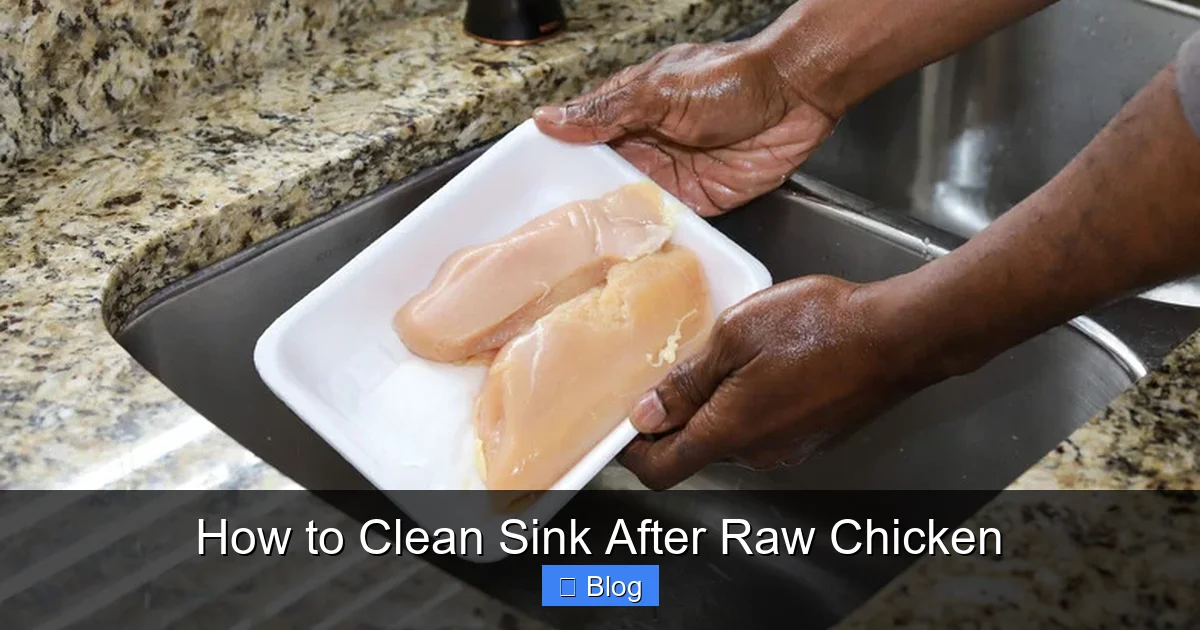
When you prep raw chicken, place a plastic sink divider or a large cutting board inside the sink. This creates a barrier between the bird and the basin, reducing the amount of direct contact.
Visual guide about How to Clean Sink After Raw Chicken
Image source: thedailymeal.com
Sanitize the Drain
The drain can harbor bacteria and food particles. Pour a cup of white vinegar down the drain, let it sit for 10 minutes, then flush with boiling water. For extra power, follow with the bleach solution.
Maintain Regular Deep Cleans
Even with daily wipes, schedule a deep clean once a week. Use a commercial kitchen degreaser or a mixture of 1 part vinegar to 2 parts water, let it sit for 15 minutes, then scrub and rinse.
Choose the Right Sink Material
Stainless steel is non‑porous and easy to disinfect. Porous materials like some composite stones can trap bacteria if not sealed properly. If you have a porous sink, apply a food‑safe sealant annually.
Avoid Cross‑Contamination Elsewhere
Cleaning the sink is only part of the puzzle. Wash your hands, utensils, and any surfaces the raw chicken touched. Use separate cutting boards for meat and vegetables, or label them clearly.
Common Mistakes and How to Fix Them
Using Cold Water Only
Cold water doesn’t dissolve fat well and leaves a film that bacteria can cling to. If you only have cold water, add a splash of dish soap and a longer soak before scrubbing.
Visual guide about How to Clean Sink After Raw Chicken
Image source: thumbs.dreamstime.com
Skipping the Disinfect Step
Soap removes grime, but it doesn’t kill all germs. Always follow up with vinegar or bleach, especially after raw poultry.
Rinsing With Too Much Water
While you want to rinse thoroughly, a torrent can splash dirty water onto countertops. Use a controlled flow and a basin or large bowl to catch excess water.
Using Abrasive Pads
Steel wool can scratch stainless steel, creating tiny crevices where bacteria hide. Stick to soft sponges or non‑scratch scrubbers.
Putting It All Together: A Sample Cleaning Routine
Here’s a quick, 5‑minute routine you can memorize:
- Scrape and rinse with hot water.
- Soap + hot water scrub (30 seconds).
- Baking soda spot treat (if needed).
- Rinse fully.
- Vinegar spray, wait 1 minute.
- Final hot‑water rinse and dry.
Follow this each time you finish cooking chicken, and your sink will stay hygienic without extra effort.
Conclusion
Cleaning a sink after raw chicken is a simple habit that protects your family from food‑borne illness. By acting quickly, using hot water, the right soap, and a disinfectant, you eliminate bacteria and odors in minutes. Keep the supplies handy, follow the steps, and make a weekly deep clean part of your routine. Your sink will stay sparkling, and you’ll cook with confidence knowing the kitchen is safe.
🎥 Related Video: HOW I WASH MY DISHES AFTER HANDLING RAW CHICKEN IN THEM #cleaning #cleaningmotivation #shorts
📺 LifeWithSydneyx
Frequently Asked Questions
How long should I let vinegar sit on the sink?
Let the vinegar solution bubble for about 1 minute before wiping. This gives it enough time to break down residues and kill surface germs.
Can I use regular household bleach?
Yes, but dilute it to 1 tablespoon of bleach per gallon of water. Undiluted bleach can damage sink finishes and create strong fumes.
Is boiling water safe for porcelain sinks?
Boiling water is safe for porcelain and stainless steel. It helps melt grease and kills bacteria without harming the surface.
Do I need to clean the faucet as well?
Absolutely. Bacteria can linger on faucet handles and aerators. Wipe them with the same soap‑water solution and then disinfect.
How often should I deep clean my sink?
A weekly deep clean is ideal. Use a kitchen degreaser or a vinegar‑water mix, let it sit, scrub, and rinse thoroughly.
What if I don’t have bleach or vinegar?
Hot water, dish soap, and baking soda can still do a solid job. For extra sanitation, you can use a commercial kitchen sanitizer that’s safe for your sink material.