
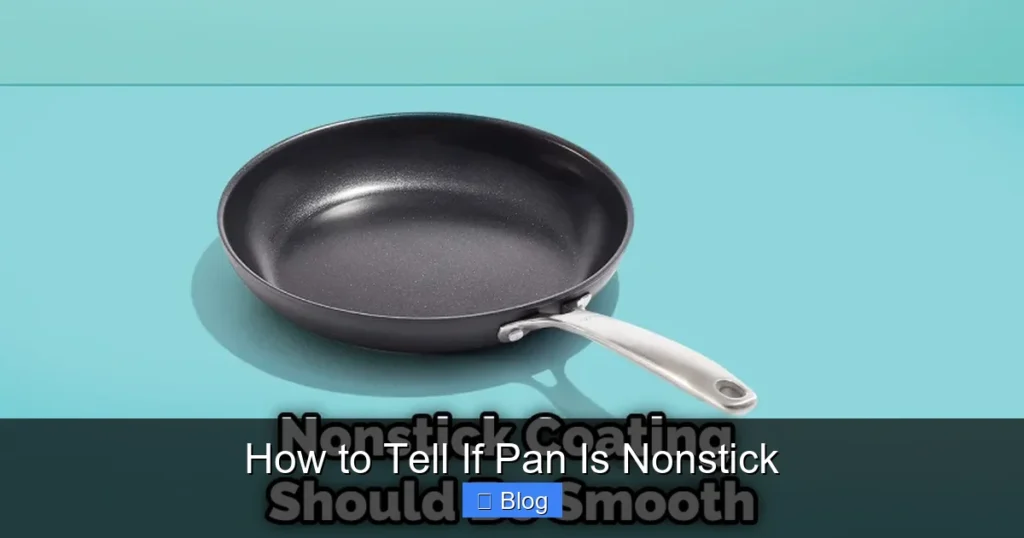
Wondering whether your favorite skillet truly has a nonstick coating? We break down simple visual checks, water tests, and everyday clues that reveal a pan’s nonstick status. Follow our friendly guide to keep your cookware performing its best.
Key Takeaways
- Visual clues matter: Look for a smooth, glossy surface and faded wear patterns.
- Water‑drop test works: A droplet that beads and slides indicates a functional coating.
- Food release is a reliable indicator: Easy‑release cooking means the pan is still nonstick.
- Age and usage affect performance: Most coatings last 3‑5 years with proper care.
- Maintenance extends life: Use low heat, avoid metal tools, and hand‑wash gently.
- Know the coating type: PTFE, ceramic, and anodized aluminum each behave differently.
- When to replace: Persistent sticking, flaking, or discoloration signals it’s time for a new pan.
📑 Table of Contents
- Introduction: Why Knowing If a Pan Is Nonstick Matters
- 1. The Visual Inspection: What Your Eyes Can Reveal
- 2. The Water‑Drop Test: A Quick At‑Home Experiment
- 3. The Food Release Test: Cooking to Confirm
- 4. Understanding Different Nonstick Coatings
- 5. Everyday Habits That Affect Nonstick Life
- 6. When to Replace Your Pan: Signs It’s Time to Say Goodbye
- Conclusion: Your Quick Checklist to Know If Pan Is Nonstick
Introduction: Why Knowing If a Pan Is Nonstick Matters
Cooking is part science, part art, and a big part of it depends on the tools you use. A nonstick pan can be a game‑changer—less oil, easier cleanup, and food that slides off like a dream. But not every pan lives up to the “nonstick” label, and over time even the best‑rated skillet can lose its slip‑away qualities.
If you’ve ever stared at a pancake that refuses to lift or a piece of fish that clings stubbornly to the surface, you know the frustration. Knowing how to tell if pan is nonstick helps you avoid ruined meals, saves money by preventing premature replacement, and keeps your kitchen safe from scratched coatings that may release unwanted chemicals.
1. The Visual Inspection: What Your Eyes Can Reveal
Surface texture and shine
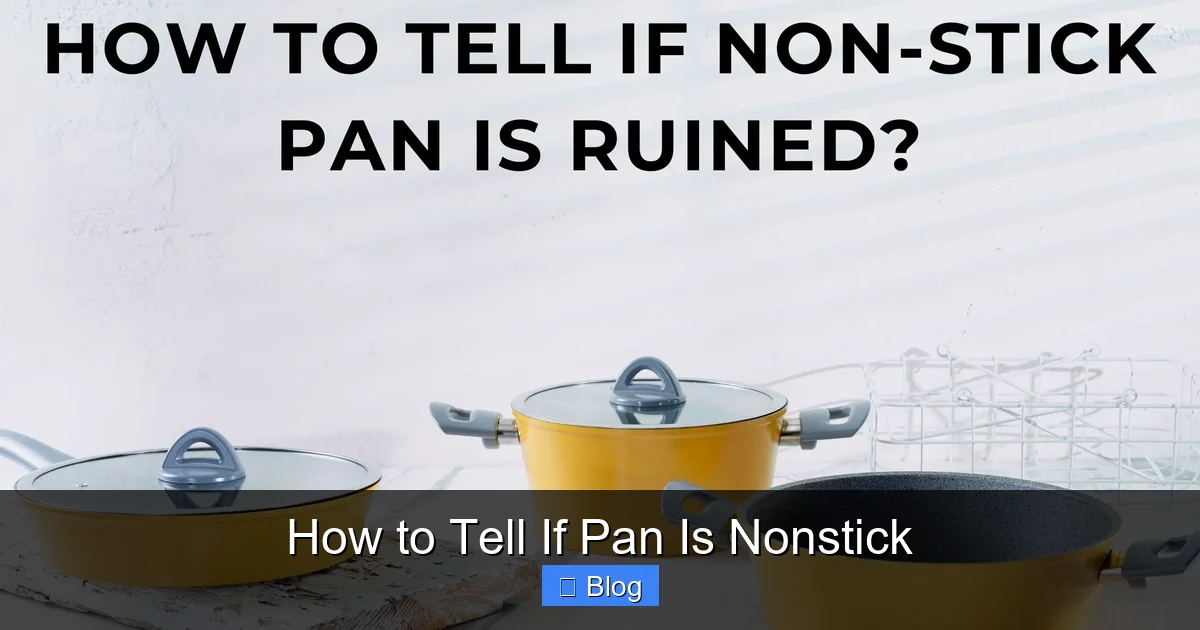
The first clue is the look of the pan. Most modern nonstick coatings are smooth, glossy, and almost glass‑like. If the surface feels rough, has a matte finish, or shows a grainy texture, the coating may be worn or it could be a different type of cookware altogether.
Visual guide about How to Tell If Pan Is Nonstick
Image source: foodandkitchenappliances.com
Color changes and discoloration
Over time, heat can cause the coating to turn yellow, brown, or even develop a rainbow sheen. A slight yellowing is normal for PTFE (Teflon) coatings after many uses, but deep brown spots often mean the pan is overheating and the nonstick layer is breaking down.
Scratches, chips, and flaking
Run your fingertip lightly over the interior. Any raised edges, flaking, or visible scratches are red flags. Even tiny chips can let food seep underneath the coating, leading to sticking.
Wear patterns around the rim
Because most people stir toward the center, the outer rim often retains more of its original coating. If you notice that the middle of the pan is dull while the edge still shines, the middle may have lost its nonstick properties.
2. The Water‑Drop Test: A Quick At‑Home Experiment
How to perform the test
1. Clean the pan and dry it thoroughly.
2. Heat the pan on low to medium heat for about a minute.
3. Drop a few drops of water onto the surface.
Visual guide about How to Tell If Pan Is Nonstick
Image source: images.yummy.ph
Interpreting the results
If the water beads up and dances across the pan without evaporating immediately, the coating is still intact and hydrophobic—this is a good sign that the pan is still nonstick. If the water spreads out, sizzles, or evaporates instantly, the surface may be stripped or the coating compromised.
Why it works
Nonstick coatings repel water because they are designed to have low surface energy. When that property fades, water behaves like it would on regular stainless steel.
3. The Food Release Test: Cooking to Confirm
Egg test
Crack an egg into a lightly oiled pan heated to medium. A truly nonstick pan will let the whites set while the edges lift easily with a spatula. If the egg sticks to the bottom or you need to scrape it off, the coating is no longer doing its job.
Visual guide about How to Tell If Pan Is Nonstick
Image source: i.ytimg.com
Fish fillet test
Season a thin fish fillet, add a teaspoon of oil, and place it skin‑side down on the pan. After a minute, try to flip it. A nonstick surface will let the fillet glide; stubborn resistance means the pan’s performance has declined.
Stir‑fry test
In a wok‑style nonstick pan, heat a splash of oil and toss quick‑cooking veggies. If they slide around without sticking, the coating is still effective.
4. Understanding Different Nonstick Coatings
PTFE (Polytetrafluoroethylene) – the classic “Teflon”
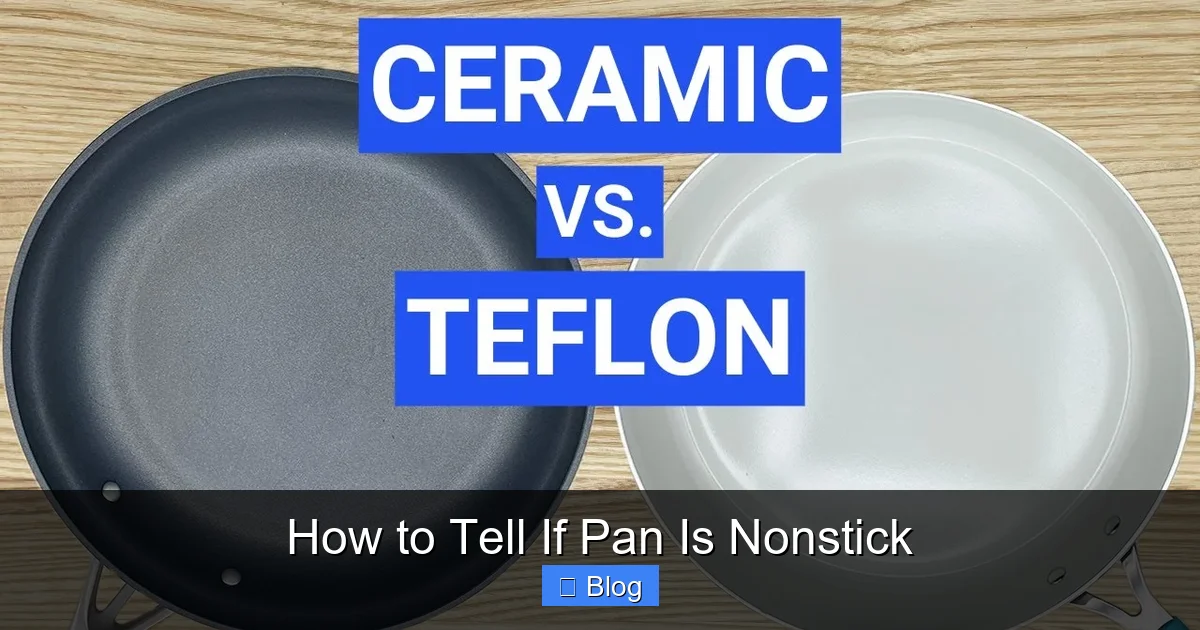
PTFE is the most common nonstick material. It’s smooth, cheap, and works well at low to medium heat. However, it can degrade above 500°F (260°C), causing the surface to become sticky.
Ceramic nonstick
Ceramic coatings are made from inorganic minerals and are marketed as “PTFE‑free.” They excel at high heat but can become porous over time, leading to a gradual loss of nonstick performance.
Anodized aluminum
Hard‑anodized pans have a porous aluminum surface that is sealed and then coated. They are tougher than PTFE but may still need a small amount of oil for optimal release.
Hybrid and newer technologies
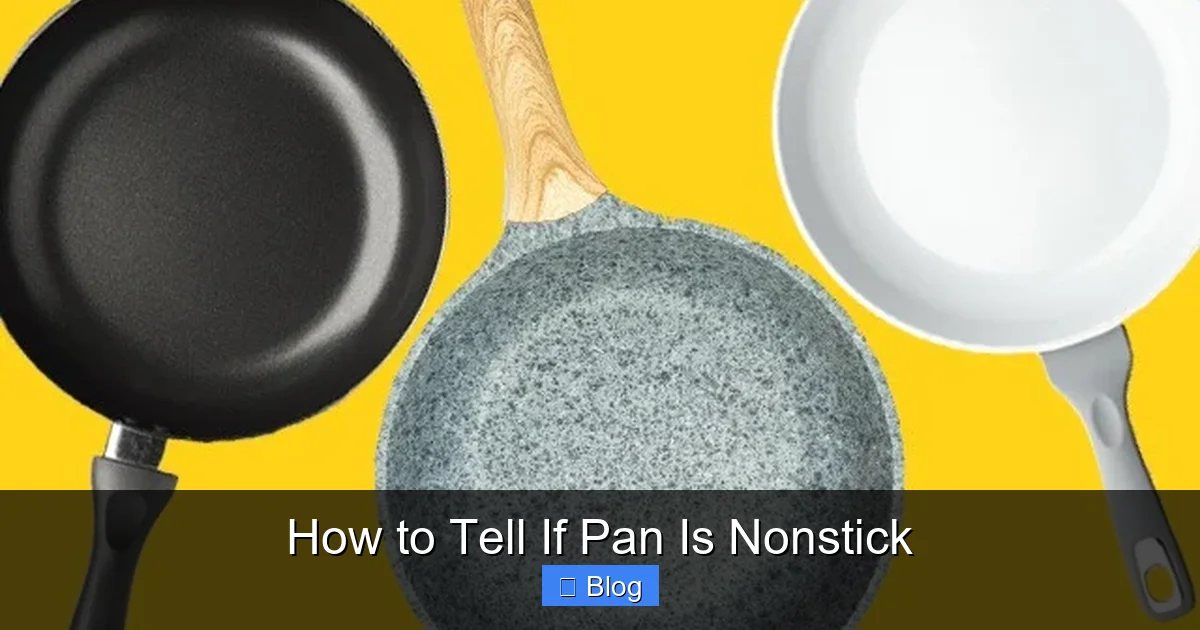
Brands now blend PTFE with ceramic particles or use diamond‑infused surfaces. The principle remains the same—smooth, low‑friction layers—but the durability varies. Knowing how to tell if pan is nonstick often means recognizing the specific wear signs of each type.
5. Everyday Habits That Affect Nonstick Life
Heat settings
High heat is the number one enemy of nonstick coatings. Keep the burner on low to medium unless the manufacturer explicitly states the pan is safe for high heat.
Cooking utensils
Metal spatulas, forks, and knives can gouge the surface. Opt for silicone, wood, or plastic tools to preserve the coating.
Cleaning methods
A gentle hand wash with a soft sponge and mild detergent is best. Abrasive cleaners, steel wool, or dishwasher cycles can strip the coating faster.
Oil and spray usage
Even nonstick pans benefit from a thin layer of oil or butter. Too much spray can create a sticky residue that masks the true performance of the pan.
6. When to Replace Your Pan: Signs It’s Time to Say Goodbye
Persistent sticking despite proper technique
If you’ve tried the water‑drop test, visual inspection, and food release test and the pan still sticks, it’s likely beyond rescue.
Flaking or peeling coating
Any visible flake that comes off in your hand is a health concern. Replace the pan immediately.
Odor or discoloration after heating
Burnt smells or dark spots that won’t wash away indicate chemical breakdown.
Age and mileage
Even with perfect care, most nonstick coatings last 3‑5 years. Mark the purchase date on the handle to keep track.
Conclusion: Your Quick Checklist to Know If Pan Is Nonstick
Knowing how to tell if pan is nonstick doesn’t require a lab—just a few simple steps. Look, test, and listen to your cooking results. Keep the heat moderate, use gentle tools, and give the pan a loving hand wash. When the signs of wear appear, replace the pan before it affects your food or health. With this knowledge, you’ll enjoy smoother cooking, easier cleanup, and longer‑lasting cookware.
🎥 Related Video: Top 5 Mistakes When Using Nonstick Pans
📺 ZWILLING USA
Take care of your pans ❤️ Avoiding these common mistakes will ensure a longer life for your favorite nonstick pans: 1. Heating …
Frequently Asked Questions
How can I tell if a pan’s nonstick coating is worn out?
Check for visible scratches, flaking, or discoloration, do the water‑drop test, and try cooking an egg. If the egg sticks or the water spreads, the coating is likely worn.
Is it safe to use metal utensils on a nonstick pan?
Generally no. Metal can scratch and remove the coating, reducing its nonstick ability and potentially releasing particles into food.
Can I put my nonstick pan in the dishwasher?
Most manufacturers advise against it. Dishwashers use harsh detergents and high heat that can degrade the coating faster.
Do ceramic nonstick pans last longer than PTFE pans?
Ceramic coatings are more heat‑resistant but can become porous over time. PTFE may last longer with gentle use, but both typically need replacement after 3‑5 years.
What temperature should I avoid on a nonstick pan?
Avoid heating above 500°F (260°C) for PTFE pans. Ceramic pans can handle higher heat but still benefit from medium settings.
How often should I replace my nonstick cookware?
Plan to replace every 3‑5 years, or sooner if you notice sticking, flaking, or persistent discoloration despite proper care.



