
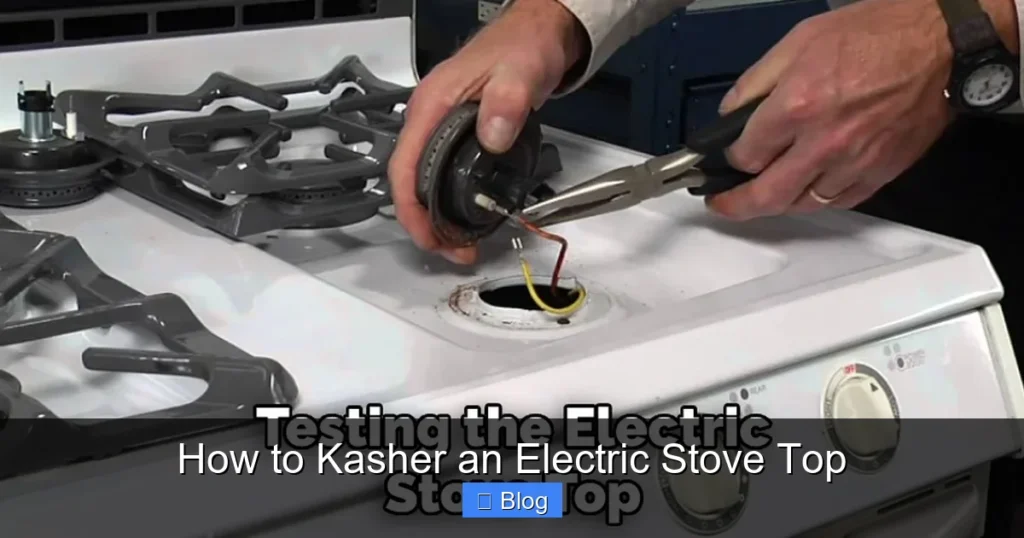
Kashering an electric stove top isn’t as hard as you think. With the right tools, a little patience, and clear halachic guidance, you can make your stovetop kosher and ready for everyday cooking. Follow our simple, friend‑to‑friend instructions and enjoy a fully kosher kitchen.
Key Takeaways
- Understand the law: Kosher certification depends on whether the burners are “absorptive” or “non‑absorptive.”
- Clean first: A thorough cleaning removes food residues that could invalidate the kashering process.
- Use hagalah (boiling water): For most electric coil or smooth tops, boiling water is the primary kashering method.
- Consider libun (burning): When needed, high heat can be used to burn off absorbed taste.
- Document the process: Keep a short log of dates, methods, and witnesses for future reference.
- Maintain kosher status: Avoid cross‑contamination by using separate utensils and cookware.
- Seek rabbinic advice: When in doubt, consult your local authority to ensure compliance.
📑 Table of Contents
- Introduction: Why Kasher an Electric Stove Top?
- 1. The Halachic Basics: What Makes a Stove Top Kasherable?
- 2. Preparing Your Kitchen: Cleaning Before Kashering
- 3. Choosing the Right Kashering Method for Your Stove
- 4. Performing Hagalah: The Boiling Water Method
- 5. Performing Libun: The Burning Method for Metal Burners
- 6. Finishing Touches: Documentation and Ongoing Kosher Maintenance
- Conclusion: Your Kosher Kitchen Is Within Reach
Introduction: Why Kasher an Electric Stove Top?
For many families, the kitchen is the heart of the home. When you decide to keep a kosher kitchen, every surface that comes into contact with food must be examined. An electric stove top—whether it has coil burners or a smooth glass‑ceramic surface—often falls into a gray area. Some people assume that because the heat is “dry,” no kashering is needed. Others worry that hidden residues might make the stove non‑kosher.
In this guide we’ll walk you through the entire process, from understanding the halachic principles to the practical steps you’ll take in your own kitchen. Think of it as a friendly chat over a cup of tea, with clear instructions, helpful tips, and real‑world examples. By the end, you’ll feel confident that your electric stove top is kosher and ready for any recipe you want to prepare.
1. The Halachic Basics: What Makes a Stove Top Kasherable?
1.1 Absorptive vs. Non‑Absorptive Materials
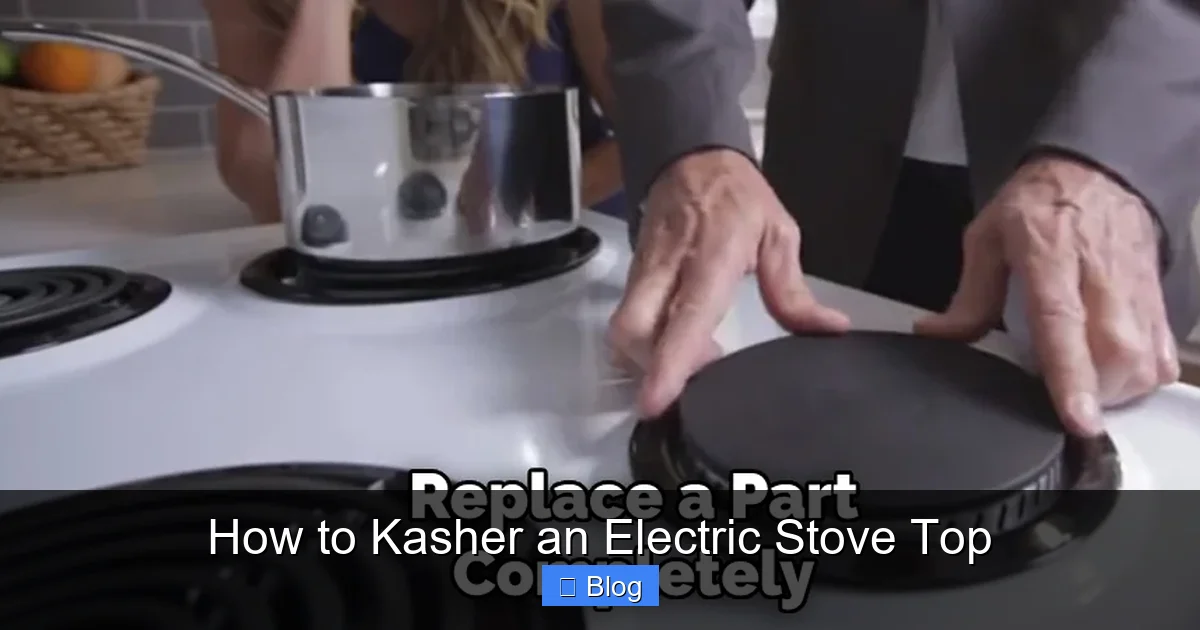
The first question a rabbi will ask is whether the stove top material absorbs taste. Metal coils, cast iron, and certain enamel finishes are considered “absorptive.” Glass‑ceramic tops, on the other hand, are usually classified as “non‑absorptive.” This distinction determines which kashering method you’ll use.
Visual guide about How to Kasher an Electric Stove Top
Image source: thekitchenix.com
1.2 The Two Main Methods: Hagalah and Libun
Hagalah means “boiling.” You pour or splash boiling water over the surface, allowing the heat to purge any lingering taste. Libun means “burning.” You heat the surface until it is red‑hot, essentially scorching away any absorbed flavor. Most modern electric stoves can be kashered with hagalah alone, but some authorities require a brief libun for added stringency.
1.3 When a Stove Top Is Already Kosher
If the stove has never been used for non‑kosher food, many poskim (halachic decisors) say it is already kosher. However, a thorough cleaning is still recommended to remove dust, grease, or any accidental contamination.
2. Preparing Your Kitchen: Cleaning Before Kashering
2.1 Gather Your Supplies
- Mild dish soap
- Soft scrub brush or non‑abrasive sponge
- White vinegar or lemon juice (natural degreaser)
- Clean towels
- Large pot or kettle for boiling water
- Heat‑proof gloves
2.2 Step‑by‑Step Cleaning Procedure
Step 1: Turn off the stove. Allow the burners to cool completely.
Visual guide about How to Kasher an Electric Stove Top
Image source: thekitchenix.com
Step 2: Remove any removable parts. Coil burners, drip pans, and knobs can be taken off and cleaned separately.
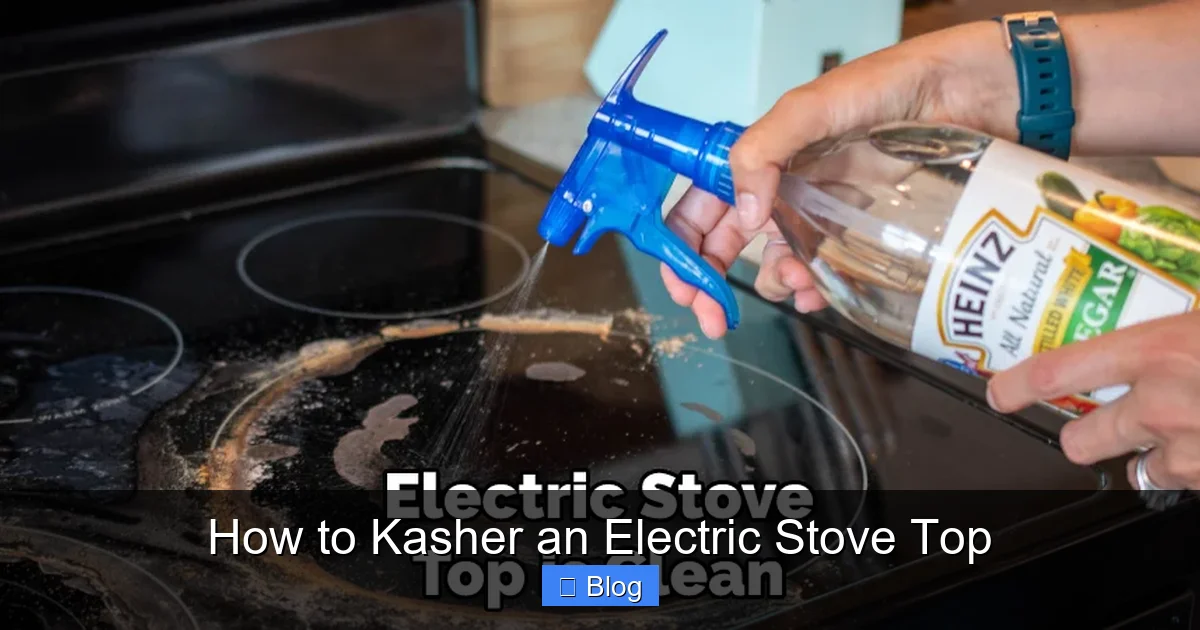
Step 3: Scrub the surface. Mix a few drops of dish soap with warm water. Use the soft sponge to wipe away food particles, grease, and spills. For stubborn stains, apply a 1:1 mixture of white vinegar and water, let it sit for five minutes, then scrub.
Step 4: Rinse and dry. Wipe the stove top with a damp cloth to remove soap residue, then dry thoroughly with a clean towel.
Step 5: Clean the removable parts. Soak coil burners and drip pans in hot, soapy water, scrub, rinse, and dry. These parts will be kashered separately (see Section 4).
3. Choosing the Right Kashering Method for Your Stove
3.1 Smooth Glass‑Ceramic Tops
These surfaces are non‑absorptive, so hagalah is sufficient. The process is simple: pour boiling water over the entire cooking area, making sure the water contacts every spot.
Visual guide about How to Kasher an Electric Stove Top
Image source: thekitchenix.com
3.2 Coil Burners (Metal)
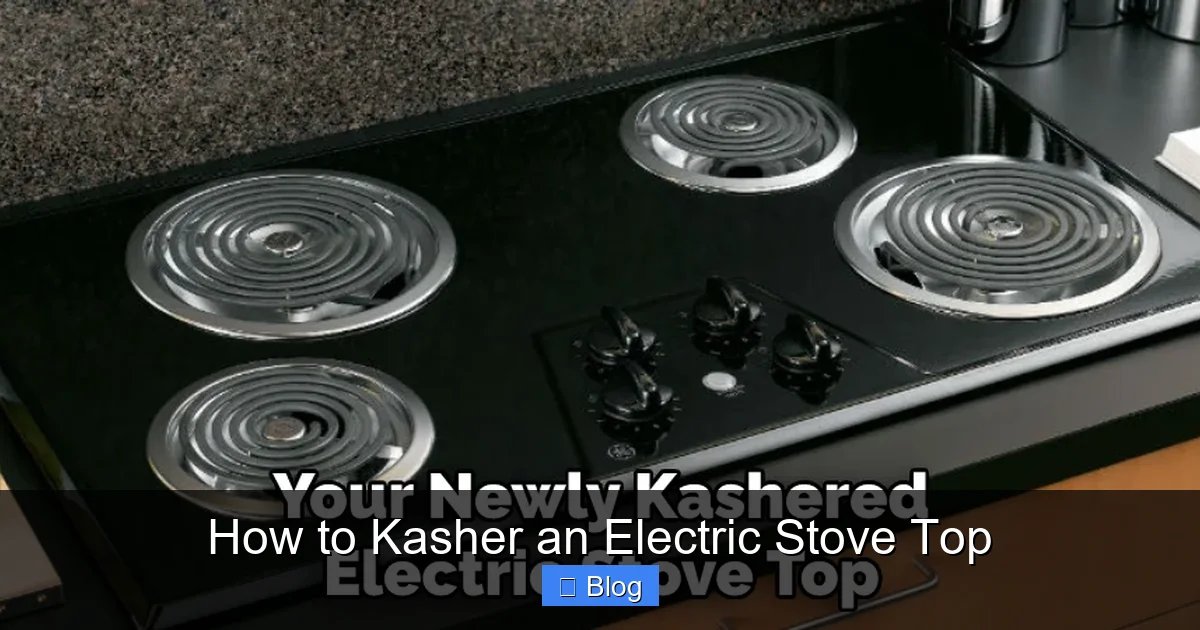
Coils are absorptive. You must first clean them (as above), then perform libun by heating them to a red‑hot state, followed by hagalah to remove any residual taste.
3.3 Hybrid Stoves (Both Coil and Smooth)
If your stove has both types, treat each section according to its material. Perform libun on the coils, hagalah on the glass‑ceramic, and finally run a quick “final rinse” of boiling water over the entire surface to unify the process.
4. Performing Hagalah: The Boiling Water Method
4.1 Safety First
Wear heat‑proof gloves, keep children and pets away, and have a fire extinguisher handy. Boiling water can cause steam burns if not handled carefully.
4.2 How to Hagalah a Smooth Top
- Fill a large kettle or pot with water and bring it to a rolling boil.
- Using a sturdy, heat‑resistant ladle or pitcher, pour the boiling water slowly over the stove top, starting at one corner and moving systematically to cover the entire surface.
- Make sure the water reaches the edges, the area under the control knobs, and any crevices.
- After the water has cooled, wipe the surface with a clean, dry towel.
4.3 How to Hagalah a Coil Burner After Libun
Once the coil has been heated to a red‑hot state (see Section 5), allow it to cool slightly—just enough so you can safely handle the ladle. Then pour boiling water over the coil, ensuring every part is covered. This double‑step (libun + hagalah) satisfies the strictest opinions.
5. Performing Libun: The Burning Method for Metal Burners
5.1 When Libun Is Required
Most authorities require libun for metal coils that have cooked non‑kosher food, especially meat. If you only cooked dairy, some communities allow hagalah alone, but libun adds extra confidence.
5.2 The Libun Process
- Re‑install the coil burners if you removed them for cleaning.
- Turn the stove to the highest setting for each coil, one at a time.
- Leave the coil on high for 10–15 minutes, or until it glows red‑orange. You will see a faint glow—this is the sign the surface is burning away any absorbed taste.
- Turn off the burner and let it cool for a few minutes before moving to the next coil.
5.3 Practical Tips
- Open windows for ventilation; libun can produce a slight odor.
- If you have a vent hood, turn it on high.
- Never leave the stove unattended while it is on high.
- Use a timer to avoid forgetting the burner is still on.
6. Finishing Touches: Documentation and Ongoing Kosher Maintenance
6.1 Keeping a Kashering Log
Write down the date, method (hagalah, libun, or both), and any witnesses present. This log is useful if a question ever arises about the stove’s status.
6.2 Using Separate Utensils and Cookware
After kashering, keep a set of designated kosher pots, pans, and utensils for that stove. Label them if needed. This prevents accidental cross‑contamination.
6.3 Regular Upkeep
Wipe the stove top after each use with a damp cloth. For coil burners, give them a quick visual check before each use to ensure no food residue remains. A light cleaning once a week will keep the surface ready for the next kashering, should the need arise.
6.4 When to Re‑Kasher
If non‑kosher food is cooked on the stove, repeat the full kashering process. If only kosher food is prepared, a simple cleaning is sufficient.
Conclusion: Your Kosher Kitchen Is Within Reach
Kashering an electric stove top may sound technical, but with a clear plan it becomes a manageable task. By understanding the halachic categories, cleaning thoroughly, and applying hagalah (and libun when needed), you can transform any electric stove into a kosher cooking surface. Remember to document the process, keep separate cookware, and stay in touch with your local rabbi for any nuances specific to your community.
Now you can fire up that stove with confidence, knowing every meal you prepare respects the dietary laws that matter to you. Happy cooking, and may your kitchen always be filled with delicious, kosher meals!
🎥 Related Video: Kashering a Stovetop
📺 Rabbinical Assembly
Note that this demonstration is for a glass stove top. For information about an old fashioned stove top with burners or a new …
Frequently Asked Questions
Can I kasher a glass‑ceramic stove top without boiling water?
Because glass‑ceramic is non‑absorptive, hagalah (boiling water) is the standard method. Some authorities allow a simple cleaning if the surface has never been used for non‑kosher food.
Do I need to kasher the knobs and control panel?
Knobs that are removable and made of metal should be cleaned and kashered like the burners. Fixed plastic or glass controls are generally considered non‑absorptive and only need thorough cleaning.
How long should I let the coil burners cool after libun before pouring boiling water?
Allow them to cool just enough to handle the ladle safely—usually about 2–3 minutes. The surface should still be hot, which helps the hagalah step.
Is it okay to use a regular kettle for boiling water?
Yes, any pot or kettle that can bring water to a rolling boil works. Make sure the water is truly boiling, not just hot.
What if I don’t have a large enough pot to pour water over the whole stove?
You can fill a clean bucket with boiling water and carefully pour it, or use a large heat‑proof pitcher. The key is to cover the entire cooking surface.
Should I consult my rabbi before starting?
It’s always wise to check with your local rabbinic authority, especially if your stove has unique features or if you follow a particular community custom.



