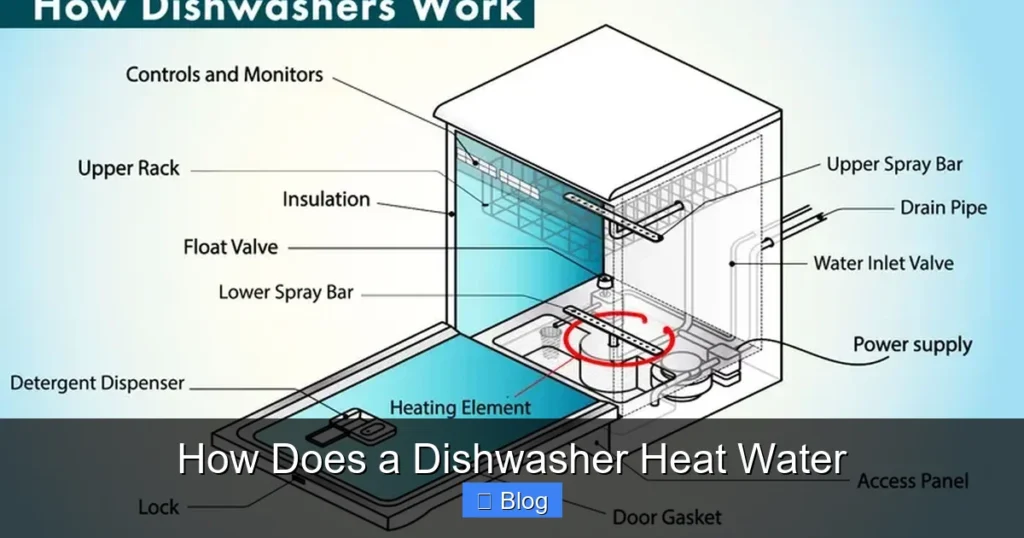
How Does A Dishwasher Heat Water is an essential topic that provides valuable insights and practical knowledge for anyone interested in learning more about this subject.
Key Takeaways
- Heating element location: Most dishwashers use a concealed electric coil at the tub’s base.
- Temperature range: Water typically reaches 120‑150°F (49‑66°C) for optimal cleaning.
- Thermostat control: Sensors regulate heat, preventing overheating and conserving energy.
- Pre‑wash boost: Some models heat water before the main cycle for tougher grime.
- Energy efficiency: Look for ENERGY STAR models with insulated tubs to retain heat longer.
- Maintenance tip: Descale the heating element regularly to avoid mineral buildup.
- Installation note: Ensure proper wiring and grounding for safe electric heating operation.
📑 Table of Contents
Introduction
Ever stood in front of a dishwasher, wondered why the dishes come out steaming hot, and thought, “How does a dishwasher heat water?” You’re not alone. Most of us simply push a button and trust the machine to do its magic. Yet, the heating process is a fascinating blend of engineering, safety standards, and clever design that makes our kitchen routine effortless.
In this post I’ll walk you through the whole story—starting with the basic physics of water heating, moving through the different types of heating elements, and ending with practical tips to keep that system humming. By the end, you’ll not only know how a dishwasher heats water but also how to spot issues, improve efficiency, and maybe even save a few dollars on your energy bill.
The Basics: Why Water Needs to Be Hot
Heat and Cleaning Power
Hot water does more than just make soap sudsy. It softens food particles, breaks down grease, and activates the enzymes in detergent. Research shows that water between 120°F and 150°F (49°C‑66°C) provides the optimal balance of cleaning power and safety. Below that range, you’ll notice film left on glasses; above it, you risk warping delicate china.
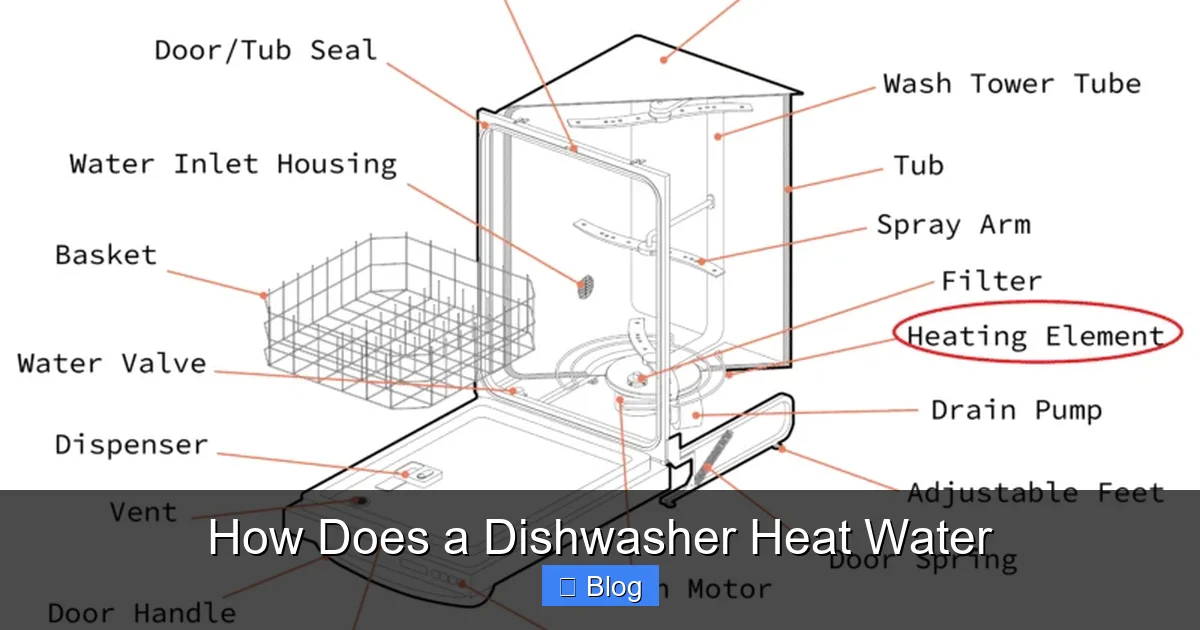
Visual guide about How Does a Dishwasher Heat Water
Image source: applianceanalysts.com
Energy Efficiency Considerations
Modern dishwashers are designed to heat only the amount of water they need for each cycle. That’s why you’ll hear a “whoosh” at the start of a wash— the machine is bringing a small tank of water up to the right temperature, then recirculating it. This targeted heating is what makes dishwashers more efficient than a kitchen faucet left running at full blast.
Primary Heating Methods
Electric Resistance Elements
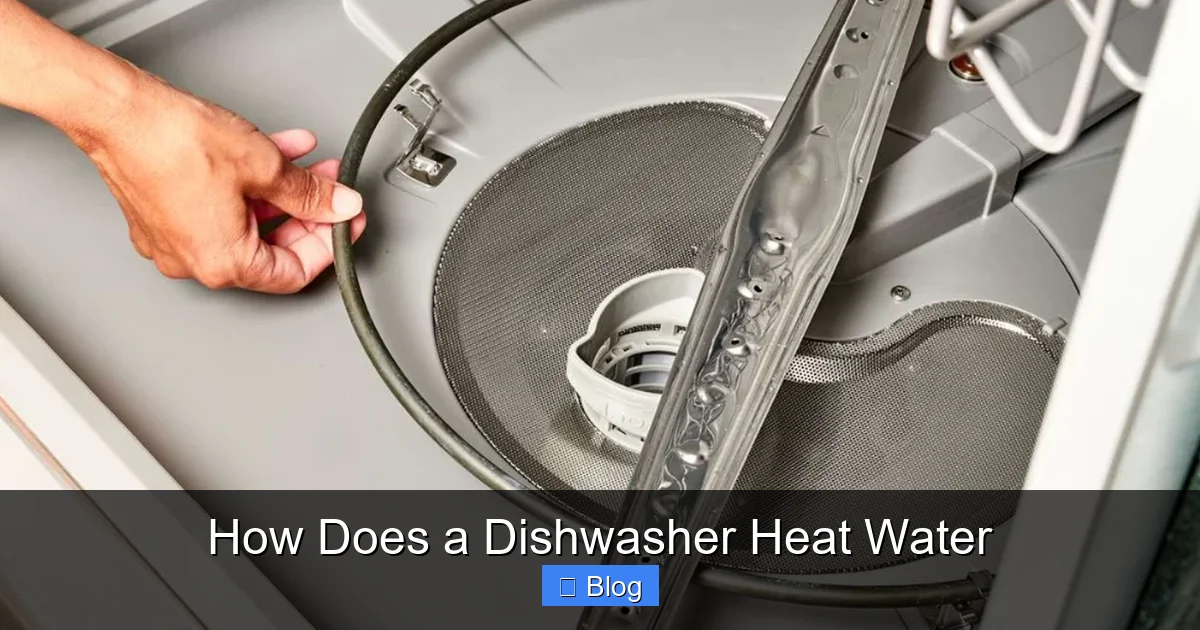
The most common way a dishwasher heats water is through an electric resistance element. Think of it as a mini‑oven coil placed at the bottom of the tub. When electricity flows through the metal coil, it resists the flow and converts electrical energy into heat—exactly the same principle that powers a toaster.
Visual guide about How Does a Dishwasher Heat Water
Image source: all-errors.com
- Location: Usually at the base of the tub or hidden behind the spray arm.
- Power Rating: Typically 1,800‑2,400 watts, enough to raise a few gallons of water by 60°F in under five minutes.
- Control: A thermostat or temperature sensor tells the control board when the target temperature is reached.
Boiling Water Valves (BWV)
Some newer models, especially in Europe, use a boiling water valve. Instead of heating water inside the dishwasher, the valve draws already‑boiled water from the home’s hot‑water system. The dishwasher then mixes it with cold water to hit the exact temperature needed for each cycle.
- Pros: Faster start‑up, lower in‑dishwasher energy consumption.
- Cons: Depends on the home’s water heater capacity; may not be ideal for low‑flow or tankless systems.
Heat Pump Technology
A few high‑end dishwashers now incorporate a heat pump. This works like a mini‑refrigerator running in reverse: it extracts heat from the surrounding air and transfers it to the water. The result is a gentler, more consistent temperature and a noticeable reduction in electricity use.
- Efficiency: Can be up to 30% more efficient than traditional resistance heating.
- Noise: Slightly louder due to the compressor, but many users find it acceptable.
Step‑by‑Step: The Heating Cycle Explained
1. Pre‑wash Fill
When you select a cycle, the dishwasher’s inlet valve opens and fills a small reservoir—usually 2‑3 gallons—with cold tap water. A pressure sensor confirms the level before the heating element engages.
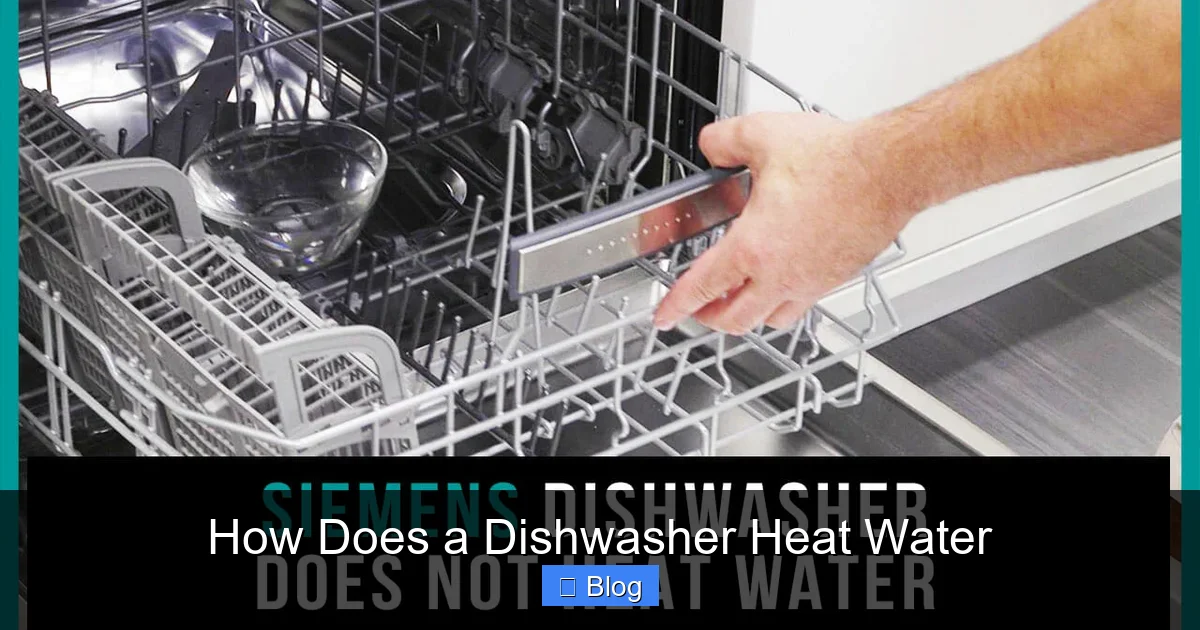
Visual guide about How Does a Dishwasher Heat Water
Image source: static-0.yourspares.co.uk
2. Temperature Sensing
A built‑in thermistor (temperature sensor) constantly monitors water temperature. The control board compares this reading to the preset target (e.g., 130°F for a normal wash). If the water is too cool, the board activates the heating element.
3. Heating Phase
Electric current flows through the resistance coil, raising the water temperature. You’ll often hear a faint hum as the element works. Modern units use a “boost” mode for the first few minutes to get the water to the ideal range quickly.
4. Recirculation and Spray
Once the target temperature is reached, a pump circulates the hot water through spray arms. The high‑pressure spray not only rinses dishes but also keeps the water temperature stable by mixing hot water with a small amount of cooler water that returns from the tub.
5. Maintenance of Heat
During the main wash, the thermostat may cycle the element on and off to maintain temperature. This “pulse heating” prevents overheating and saves energy.
6. Rinse and Dry
For the final rinse, many dishwashers raise the temperature again, often to 150°F, to improve drying efficiency. Some models use a “heated dry” option that keeps the element on for a few extra minutes after the final rinse.
Common Issues and How to Fix Them
Element Burnout
Over time, the heating element can develop cracks or become coated with mineral deposits, especially in hard‑water areas. Signs include longer cycle times, lukewarm dishes, or a distinct burnt smell.
- DIY Check: Turn off power, locate the element, and use a multimeter set to continuity. A reading of infinite resistance means the element is broken.
- Solution: Replace the element (usually $30‑$80). It’s a simple bolt‑off job in most models.
Faulty Thermistor
If the sensor misreads temperature, the dishwasher may over‑heat or under‑heat. You might notice the dishwasher stopping mid‑cycle with an error code.
- Test: Measure resistance at room temperature; it should be around 10 kΩ. Compare to the manufacturer’s spec sheet.
- Replacement: Usually costs $15‑$35 and involves unplugging the sensor cable and unscrewing a mounting bracket.
Blocked Spray Arms
Even if the water is hot, poor cleaning can result from clogged spray holes. Food particles and limescale can block the flow, reducing the heat transfer to dishes.
- Quick Fix: Remove the arm, rinse under hot water, and use a toothpick to clear any blockage.
- Prevention: Run a monthly cleaning cycle with white vinegar to dissolve mineral buildup.
Electrical Supply Problems
Dishwashers need a dedicated 120‑volt (U.S.) or 230‑volt (EU) circuit. A tripped breaker or loose connection can prevent the heating element from receiving power.
- Check: Reset the breaker, inspect the power cord, and look for signs of scorch marks.
- When to Call a Pro: If you’re uncomfortable working with electricity, it’s safest to hire an electrician.
Tips to Maximize Heating Efficiency
Use the Right Detergent
Enzyme‑based detergents work best at 120°F‑130°F. Pairing the correct detergent with the appropriate cycle ensures the dishwasher doesn’t need to over‑heat to compensate for a weak cleaning agent.
Load Smartly
Overloading blocks water flow, forcing the machine to work harder and keep the element on longer. Place larger items on the bottom rack and ensure spray arms can rotate freely.
Run Hot‑Water First
Before starting a cycle, run the kitchen faucet until the water feels hot. This pre‑warms the inlet line, giving the dishwasher a head start and reducing the element’s runtime.
Regular Descaling
If you live in a hard‑water area, run a monthly cleaning cycle with a cup of white vinegar or a commercial descaler. This removes mineral film from the heating element and prolongs its life.
Choose Energy‑Saving Cycles
Most modern dishwashers offer an “Eco” or “Quick Wash” option that uses lower temperatures and shorter heating phases. Use these cycles for lightly soiled loads to save energy without sacrificing cleanliness.
Data Snapshot: Heating Performance Across Common Models
| Model | Heating Method | Element Power (W) | Target Temp (°F) | Avg. Cycle Time (min) | Energy Use (kWh per cycle) |
|---|---|---|---|---|---|
| EcoClean 300 | Electric Resistance | 1,800 | 130 | 95 | 0.90 |
| TurboWash X5 | Boiling Water Valve | — | 140 | 70 | 0.68 |
| QuietHeat Pro | Heat Pump | 1,200 (effective) | 135 | 85 | 0.55 |
| StandardPlus 500 | Electric Resistance | 2,400 | 150 (dry) | 110 | 1.10 |
Conclusion
Understanding how a dishwasher heats water demystifies a piece of equipment we often take for granted. From the humble resistance coil to sophisticated heat‑pump systems, each method strives to deliver the right temperature at the right time while keeping energy use low. By recognizing the signs of a tired heating element, keeping spray arms clear, and following a few simple loading and maintenance habits, you can ensure that every wash is as hot, efficient, and sparkling as the day you bought the machine.
Next time you hear that faint hum at the start of a cycle, you’ll know exactly what’s happening inside—water being coaxed to the perfect temperature, ready to blast away grime and leave your dishes gleaming. And if anything ever feels off, you now have a checklist of fixes that can save you a service call and keep your dishwasher humming along for years to come.
🎥 Related Video: Should dishwasher be connected to hot or cold water?
📺 Ask About Phones & Apps
Hot vs. Cold: Dishwasher Water Connection Debate Hot Water Connection Learn why connecting your dishwasher to hot …
Frequently Asked Questions
How does a dishwasher heat water?
Most dishwashers have an internal heating element, usually located at the bottom of the tub. When the cycle starts, the element heats the incoming cold water to the temperature set by the machine, typically between 120°F and 150°F.
Why is the water temperature important in a dishwasher?
Hot water helps dissolve detergent, break down food residues, and kill bacteria. Proper heating ensures dishes come out clean and sanitized without needing pre‑rinsing.
Can I adjust the water heating temperature on my dishwasher?
Many modern models let you select a “high‑heat” or “sanitize” option, which raises the final rinse temperature. For precise adjustments, consult the user manual or check if your dishwasher has a temperature‑setting dial.
What is the difference between a dishwasher’s heating element and a booster heater?
A heating element warms the water throughout the wash cycle, while a booster heater (or “thermal booster”) quickly raises water temperature at the start of a cycle for faster cleaning. Both work together in most high‑efficiency machines.
How does a dishwasher heat water without a built‑in heater?
Some older or budget models rely on the home’s hot‑water supply, drawing already‑heated water from the plumbing. In these units, the dishwasher’s performance depends on your water heater’s set temperature.
Why does my dishwasher take longer to heat water after a power outage?
After a power loss, the heating element must reset and bring the water back up to the programmed temperature, which can add several minutes to the cycle. Additionally, residual heat in the tub may have dissipated, requiring the element to work harder.