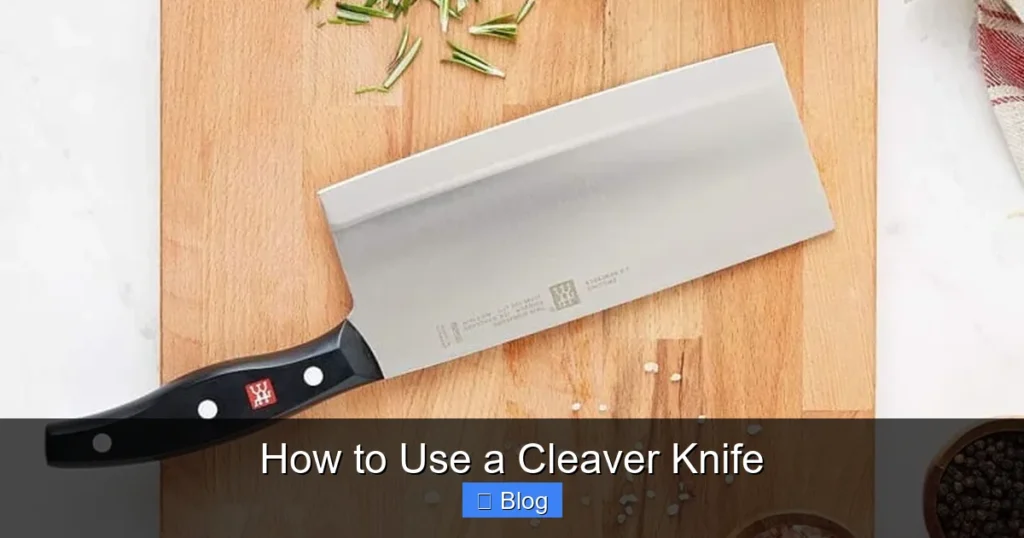
Ready to transform your kitchen skills? Learn how to use a cleaver knife from the basics to advanced techniques. This guide covers safety, grip, and practical applications, ensuring you chop like a pro while keeping your hands safe.
Key Takeaways
- Safety First: Always maintain a firm grip and use a stable cutting surface to prevent slips.
- Proper Grip: The “claw” technique keeps fingertips protected while giving you control.
- Versatility: Cleavers excel at bone‑breaking, filleting, and even crushing garlic.
- Maintenance: Regular oiling and tempered steel keep the blade sharp and rust‑free.
- Technique Matters: Use a rocking motion for even cuts and avoid cutting on hard surfaces.
- Practice: Start with soft vegetables before tackling tougher meats.
- Storage: Hang or store in a knife block to preserve blade integrity.
📑 Table of Contents
Introduction
When you think of a cleaver knife, you might picture a heavy, blunt tool used in Asian kitchens for smashing bones or chopping tough vegetables. In reality, a cleaver is a versatile workhorse that can slice, dice, and even tenderize. If you’ve never used one before, the idea of holding a 10‑inch blade might seem intimidating. But with the right technique, a cleaver becomes your most reliable kitchen companion.
This guide will walk you through everything you need to know about how to use a cleaver knife safely and effectively. From choosing the right blade to mastering the rocking motion, you’ll learn practical tips that turn a daunting tool into a kitchen staple.
Choosing the Right Cleaver
Blade Size and Weight
Cleavers come in various lengths, typically ranging from 6 to 12 inches. A 10‑inch blade hits the sweet spot for most home cooks: it’s heavy enough to break through bone but light enough to control. If you mostly chop vegetables, a lighter 8‑inch blade works best. Heavier blades are ideal for butchers or professional kitchens where bone‑breaking is frequent.
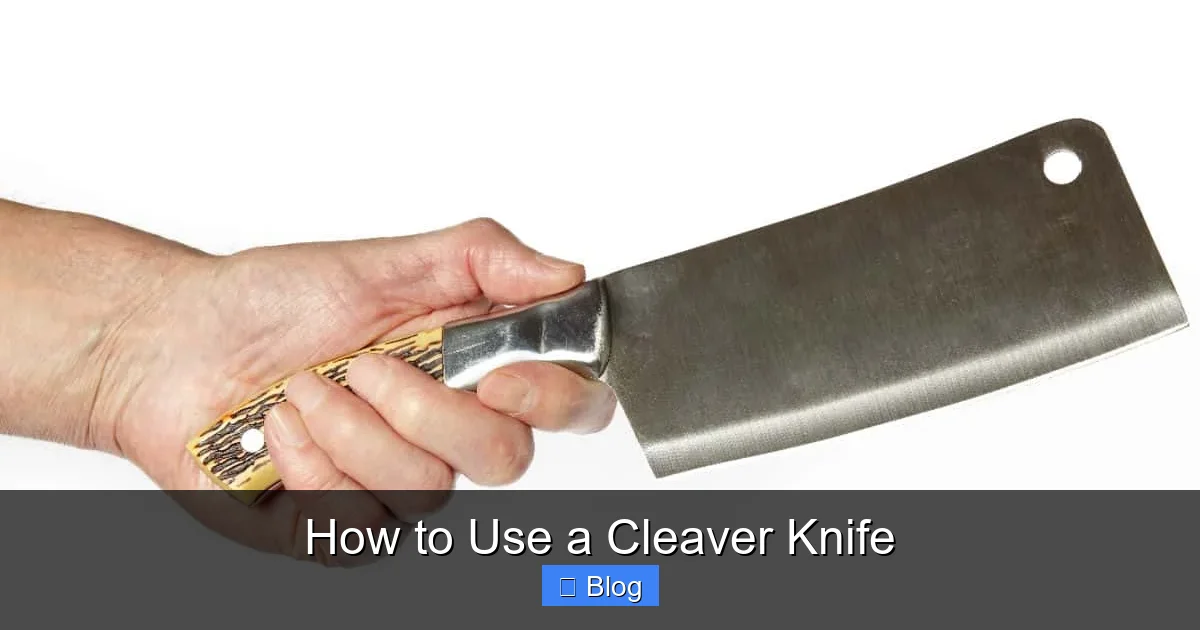
Visual guide about How to Use a Cleaver Knife
Image source: knifeade.com
Material Matters
High‑carbon stainless steel is the most common material. It offers a sharp edge, good corrosion resistance, and durability. If you’re on a tighter budget, a forged steel cleaver is a great choice, but it may require more frequent sharpening.
Handle Comfort
Handles can be made of wood, plastic, or metal. Wooden handles provide a natural grip and are often more comfortable for extended use, but they need proper oiling to prevent cracking. Plastic handles are lightweight and splash‑resistant, making them a good option for wet tasks. Metal handles can be cool to touch but may not provide the same tactile feedback.
Mastering the Basic Grip
The “Claw” Technique
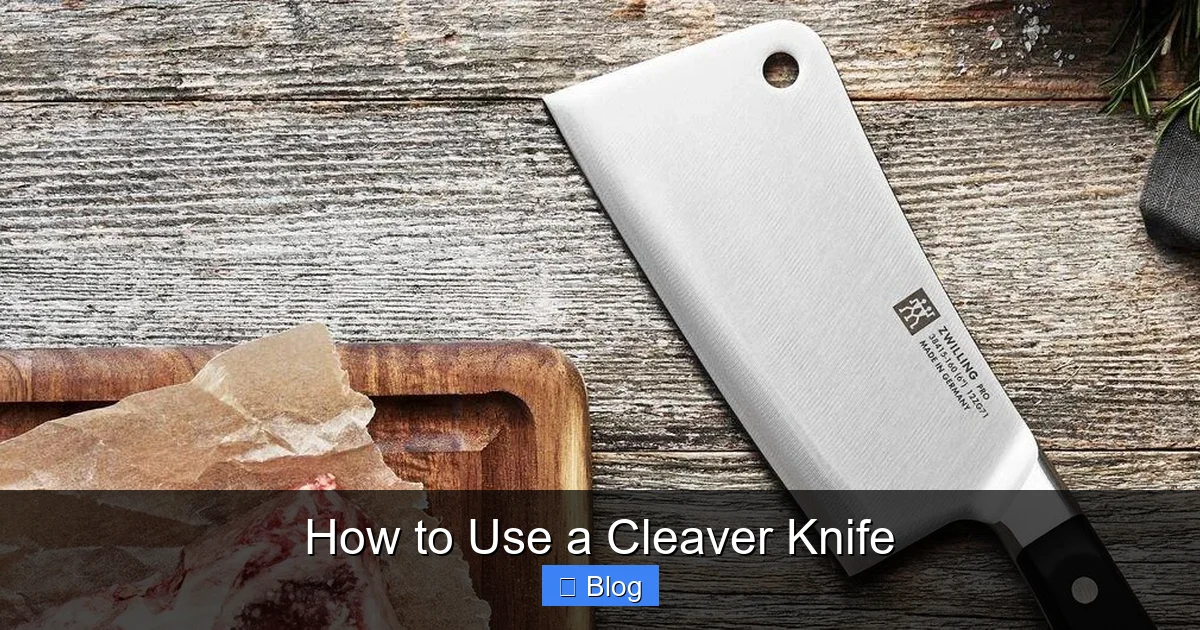
One of the most important safety tricks is the “claw” grip. Curl your fingertips inward and tuck them under the blade’s edge. This places your fingers away from the cutting path and reduces the risk of accidental cuts.
Visual guide about How to Use a Cleaver Knife
Image source: assets.katogroup.eu
Hand Position
Place your thumb on the back of the blade, near the handle. Your index finger should rest on the top edge of the blade, while the middle and ring fingers support the handle from below. This balanced grip gives you both control and leverage.
Finger Placement on the Food
When chopping, keep your fingers curled and forward. The tip of your index finger should point toward the cutting board, not straight down. This orientation keeps your fingers safe while you apply pressure.
Fundamental Cutting Techniques
Rocking Motion
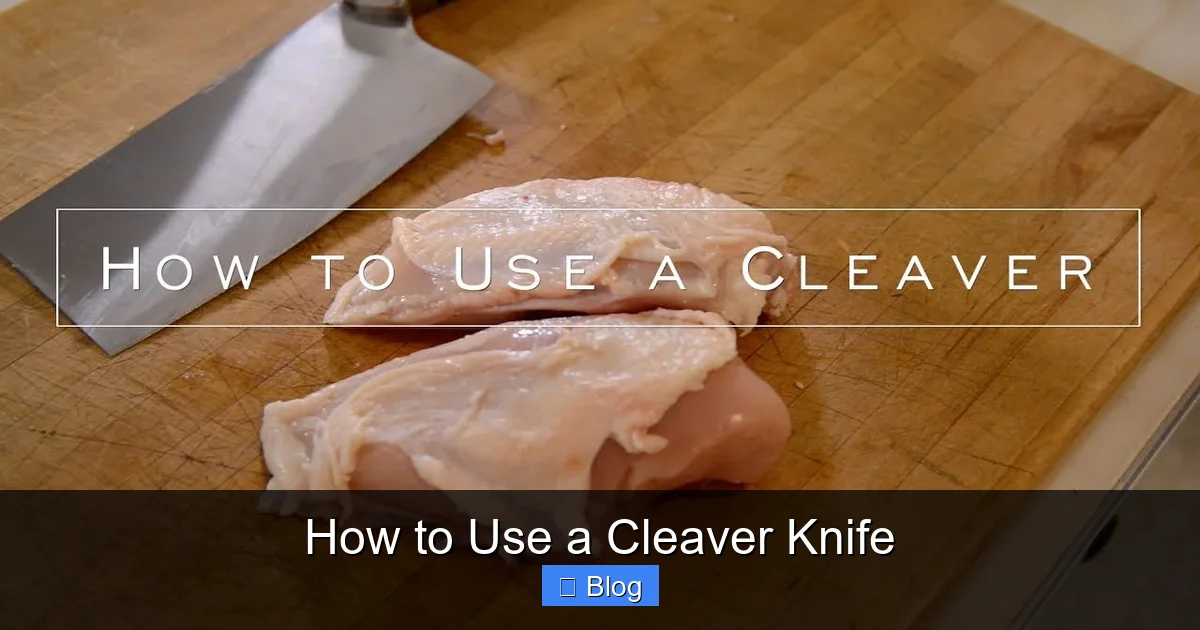
Unlike a chef’s knife, which often uses a slicing motion, a cleaver works best with a rocking technique. Here’s how:
Visual guide about How to Use a Cleaver Knife
Image source: i.ytimg.com
- Place the tip of the blade on the cutting board.
- Using the heel of your hand, rock the blade back and forth.
- Apply even pressure so the blade moves smoothly through the food.
This motion distributes force evenly and reduces strain on your wrist.
Vertical Cleaving
When you need a quick, straight cut—such as slicing a carrot—hold the blade vertically. Keep the blade’s tip on the board and push straight down. This technique is great for chopping large, flat pieces.
Horizontal Slicing
For thin slices, use a horizontal motion. Move the blade from left to right in a single stroke. This works well for cutting fish fillets or thin cuts of meat.
Practical Applications in the Kitchen
Breaking Through Bone
Cleavers are renowned for breaking down bone‑laden cuts. To do this safely:
- Place the meat on a sturdy board.
- Position the blade’s heel on the bone.
- Apply a downward force, letting the weight of the blade do the work.
Always keep your fingers curled and avoid applying too much force, which can damage the blade.
Filleting Fish
Filleting is a delicate task, but a cleaver can make it easier. Use the blade’s flat side to slide along the fish’s spine, keeping the blade parallel to the bone. This helps remove the fillet cleanly without tearing the flesh.
Crushing Garlic and Ginger
Place a clove of garlic or a small piece of ginger on the board. Use the flat side of the cleaver to apply pressure, crushing the piece in one motion. This technique releases flavor quickly and is a favorite among home cooks.
Preparing Vegetables
Large vegetables like carrots, pumpkins, and broccoli florets can be diced easily with a cleaver. The blade’s width allows you to cut through thick stems in a single stroke, saving time and effort.
Maintenance and Care
Sharpening Your Cleaver
Keep a whetstone or sharpening rod handy. Hone the blade at a 15‑20 degree angle, moving from heel to tip. A sharp blade requires less force, reducing the risk of slips.
Oiling the Blade
After each wash, dry the blade and apply a light coat of mineral oil. This prevents rust and keeps the steel from drying out.
Proper Storage
Never toss a cleaver into a drawer with other knives. Hang it on a magnetic strip or store it in a knife block with a dedicated slot. This protects the blade and keeps it accessible.
Safety Tips You Can’t Ignore
Never Cut on Hard Surfaces
A wooden cutting board is ideal. Cutting on glass, stone, or ceramic can damage the blade and increase the chance of accidents.
Keep the Blade Away from Others
When not in use, keep the blade pointed downward and away from people or pets. This reduces the risk of accidental cuts.
Use a Cutting Board with a Non‑Slip Base
Place a damp towel underneath your board to keep it steady. A sliding board can lead to mishaps.
Watch Your Surroundings
Always be aware of your hands, the blade, and other kitchen tools. A momentary distraction can turn a simple chop into a dangerous situation.
Conclusion
Learning how to use a cleaver knife is a rewarding skill that opens up a world of culinary possibilities. With the right grip, technique, and safety measures, you can confidently tackle bone‑breaking, filleting, and even quick vegetable prep. Remember to maintain the blade, store it properly, and practice frequently. Over time, the cleaver will become an indispensable tool in your kitchen arsenal.
FAQs
Can I use a cleaver for delicate tasks like slicing fish fillets?
Yes, a cleaver’s flat edge makes filleting easier. Use a gentle, controlled motion to avoid tearing the fillet.
How often should I sharpen my cleaver?
Sharpen it when you notice a loss of cutting efficiency—usually after several uses or a month of daily cooking.
Is a wooden handle safe for wet cleaning?
Yes, but it requires regular oiling to prevent cracking and water damage.
What’s the best way to store a cleaver to keep it sharp?
Hang it on a magnetic strip or store it in a knife block with a dedicated slot; avoid stacking it on top of other knives.
Can I use a cleaver on frozen food?
It’s possible, but the blade may not cut cleanly. Thaw the food first for safer, more effective cuts.
Do I need a special cutting board for a cleaver?
A sturdy, non‑slip wooden board works best. Avoid cutting on hard surfaces like glass or stone to protect the blade.
🎥 Related Video: Learn To Love Your Cleavers
📺 Epicurious
Professional chef Eric Huang explains why when it comes to getting things done in the kitchen, few tools will serve you as …
Frequently Asked Questions
What is How To Use A Cleaver Knife?
How To Use A Cleaver Knife is an important topic with many practical applications.