
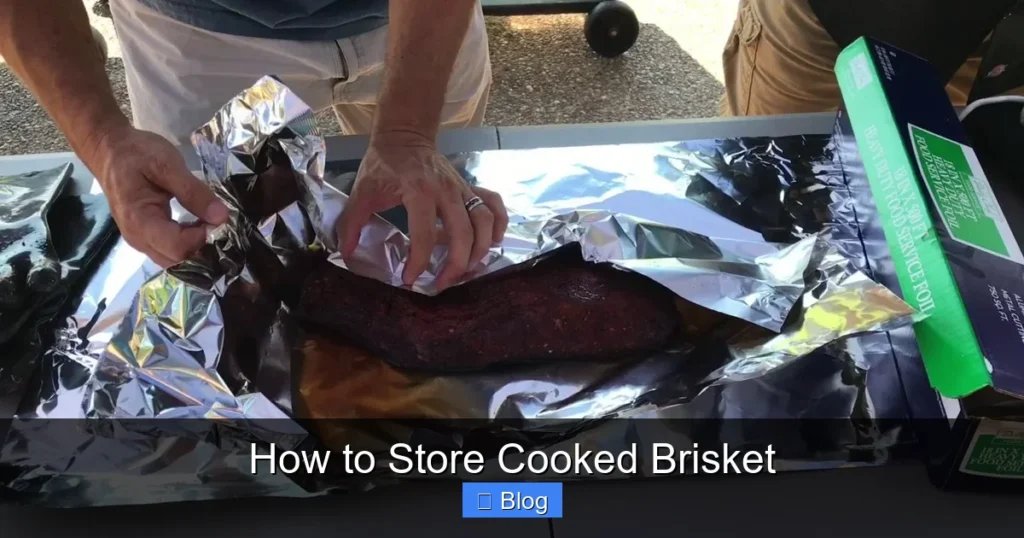
Storing cooked brisket correctly preserves its flavor, moisture, and safety. Use proper cooling, airtight containers, and the right fridge or freezer methods to enjoy tender brisket for days or weeks.
Key Takeaways
- Cool before you store: Let brisket reach room temperature for no more than two hours before refrigerating.
- Airtight matters: Use vacuum‑sealed bags or tight‑fitting containers to stop air from drying out the meat.
- Refrigerate vs. freeze: Refrigerate up to 4 days; freeze for up to 3 months for optimal taste.
- Slice or keep whole: Slicing before storage speeds cooling, while whole pieces retain juicier texture.
- Reheat gently: Low‑heat methods with added moisture keep the brisket from turning rubbery.
- Label everything: Date and portion info prevent waste and help you track freshness.
- Safety first: Keep the brisket at or below 40 °F (4 °C) in the fridge and below 0 °F (‑18 °C) in the freezer.
📑 Table of Contents
- Why Proper Storage Is the Secret to Perfect Brisket
- Step 1: Cool the Brisket Properly Before It Hits the Fridge
- Step 2: Choose the Right Storage Container
- Step 3: Refrigerate or Freeze—Know the Limits
- Step 4: Reheating Techniques That Preserve Moisture
- Step 5: Extending Shelf Life with Simple Tricks
- Bonus: Creative Ways to Use Leftover Brisket
- Conclusion: Mastering the Art of Storing Cooked Brisket
Why Proper Storage Is the Secret to Perfect Brisket
When you spend hours smoking or braising a brisket, the last thing you want is to waste it because it went bad or dried out. The way you store cooked brisket determines whether the next bite is just as tender and flavorful as the first. Good storage preserves moisture, locks in the smoky aroma, and keeps the meat safe from harmful bacteria.
In this guide, we’ll walk you through every step of how to store cooked brisket—from cooling it down the right way to choosing the best containers, from fridge life to freezer longevity, and finally how to bring it back to life when you’re ready to eat.
Step 1: Cool the Brisket Properly Before It Hits the Fridge
Let It Rest, Then Cool Quickly
After the brisket finishes cooking, give it a 15‑ to 30‑minute rest. This rest lets the juices redistribute, preventing them from spilling out when you slice.
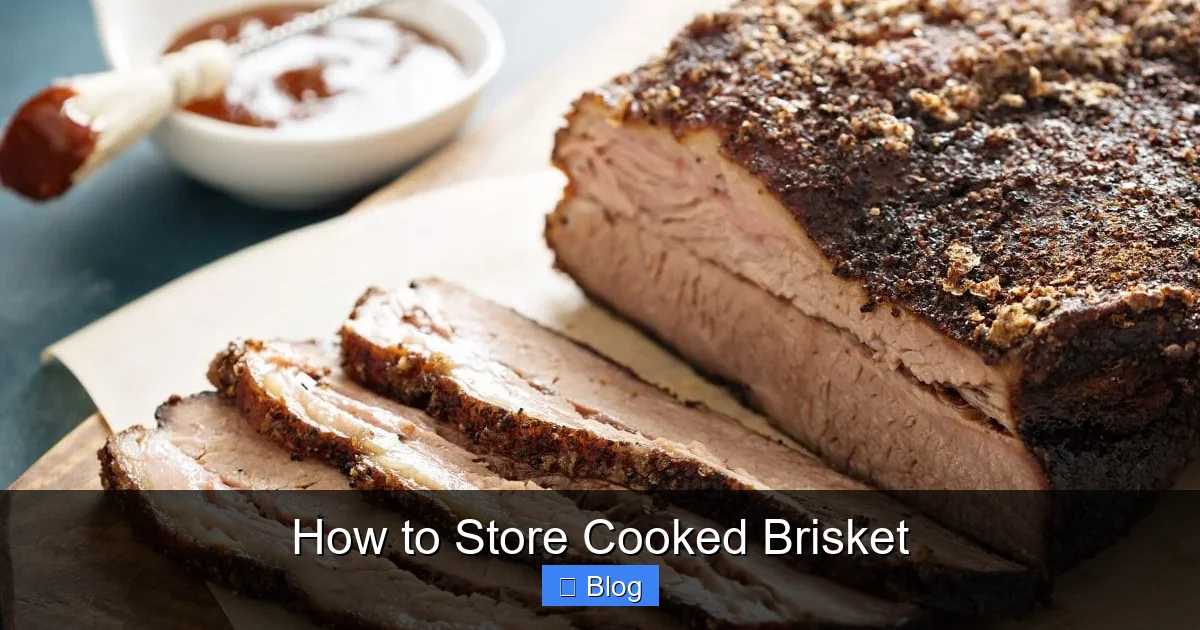
Visual guide about How to Store Cooked Brisket
Image source: storables.com
Once rested, you have two options for cooling:
- Room‑temperature method: Place the whole brisket on a clean rack, uncovered, in a well‑ventilated area. Keep it no longer than two hours to stay within the USDA’s “danger zone” rule.
- Ice‑water bath: If you need to speed things up, submerge a sealed bag containing the brisket (or large slices) in a bowl of ice water. This drops the temperature by about 30 °F in 20 minutes.
Why You Should Not Skip This Step
If you shove a hot brisket straight into the fridge, the appliance’s temperature rises, putting other foods at risk. Moreover, the steam creates condensation, which can make the meat soggy.
Step 2: Choose the Right Storage Container
Airtight Plastic Containers
Heavy‑duty, BPA‑free containers with snap‑tight lids are a solid choice. They’re reusable, stackable, and keep air out.
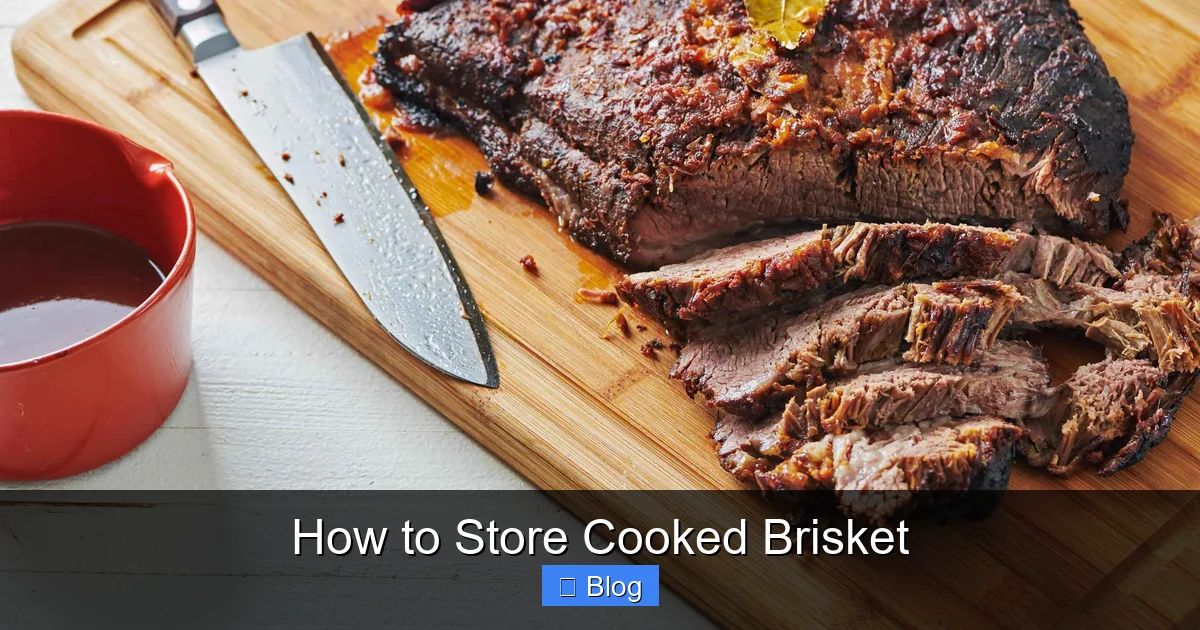
Visual guide about How to Store Cooked Brisket
Image source: themom100.com
Vacuum‑Sealed Bags
Vacuum sealers remove almost all oxygen, which dramatically slows freezer burn and freezer‑dry. For a home cook, a hand‑pump vacuum sealer works fine and costs under $30.
Aluminum Foil & Butcher Paper
If you don’t have a vacuum sealer, wrap the brisket tightly in double layers of heavy aluminum foil, then place it in a zip‑top bag. The foil blocks light, while the bag adds an extra barrier.
Portion Size Matters
Divide the brisket into meal‑sized portions (about ½‑pound each). Smaller packs cool faster and are easier to reheat without overcooking.
Step 3: Refrigerate or Freeze—Know the Limits
Refrigerator Storage (Up to 4 Days)
Store the brisket in the coldest part of your fridge, usually the back of the lower shelf. Keep the temperature at 40 °F (4 °C) or lower.
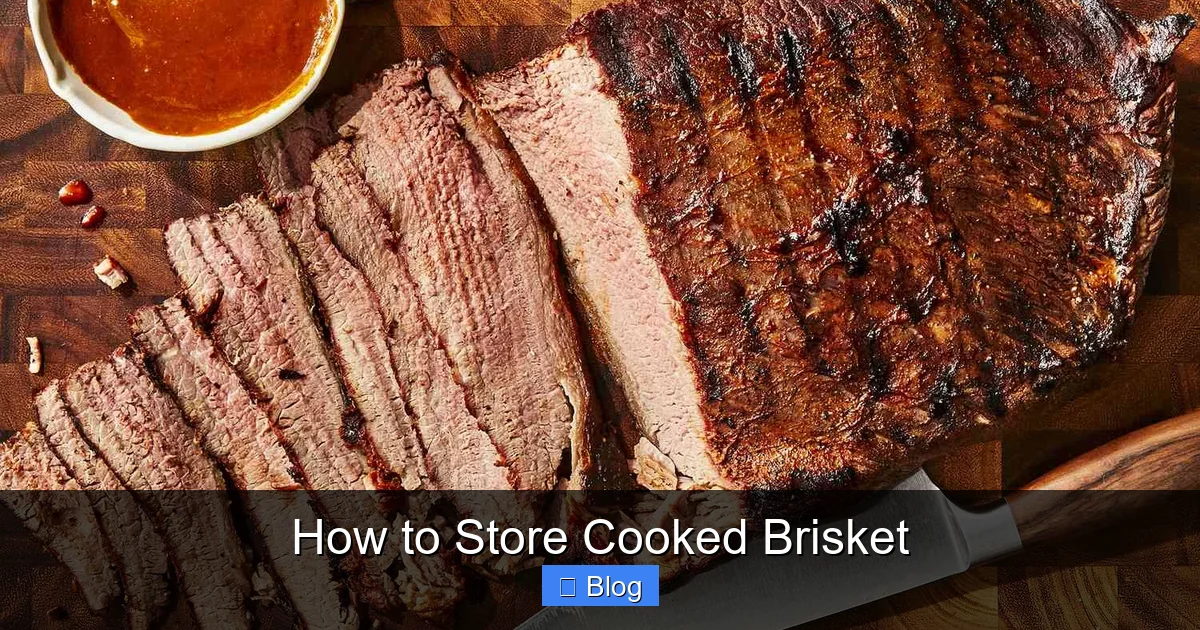
Visual guide about How to Store Cooked Brisket
Image source: storables.com
When you’re ready to eat, pull the brisket out and let it sit at room temperature for 20 minutes before reheating. This reduces the shock of heat and helps the meat heat evenly.
Freezer Storage (Up to 3 Months)
For longer keeping, freeze the brisket at 0 °F (‑18 °C) or colder. Properly vacuum‑sealed brisket can stay tasty for three months without noticeable texture loss.
Label each bag with the date and portion size. Write the “use by” date in a clear, easy‑to‑read format—e.g., “2026‑09‑15 – ½ lb.”
Thawing the Brisket Safely
Never thaw at room temperature. The safest ways are:
- Refrigerator thaw: Transfer the sealed bag to the fridge 24‑48 hours before you need it.
- Cold‑water thaw: Submerge the sealed bag in cold water, changing the water every 30 minutes. Small portions thaw in 1‑2 hours.
- Microwave quick‑thaw: Use the defrost setting only if you plan to reheat immediately afterward.
Step 4: Reheating Techniques That Preserve Moisture
Low‑Heat Oven Method
Preheat your oven to 250 °F (120 °C). Place the brisket in a shallow pan, add a splash of broth or water, and cover tightly with foil. Heat for 20‑30 minutes, or until the internal temperature reaches 165 °F (74 °C).
Stovetop “Steaming” Method
Slice the brisket thinly, then place the slices in a skillet with a ladle of broth. Cover and simmer on low for 5‑10 minutes. The steam keeps the meat tender.
Microwave Quick Fix
If you’re in a rush, arrange slices on a microwave‑safe plate, drizzle with a little sauce, cover with a damp paper towel, and microwave at 50 % power for 2‑3 minutes, checking half‑way.
Avoid Common Mistakes
- Don’t over‑cook; brisket can become rubbery.
- Never reheat more than once—heat only the portion you’ll eat.
- Keep the meat covered; uncovered reheating dries it out.
Step 5: Extending Shelf Life with Simple Tricks
Add a Moisture Barrier
Before sealing, place a thin layer of beef broth or the cooking liquid on the surface of the brisket. This creates a barrier that locks in moisture during storage.
Use a “Freezer Bag” with a Squeeze
Press out as much air as possible by squeezing the bag flat before sealing. The less air, the slower the oxidation.
Rotate Stock
Follow the “first‑in, first‑out” rule. Keep a small notebook on your freezer door listing what’s inside and the dates. This prevents forgotten packages.
When to Toss It
If the brisket smells sour, has a slimy texture, or shows any off‑color (gray or greenish), discard it immediately. Safety always beats saving a few dollars.
Bonus: Creative Ways to Use Leftover Brisket
Brisket Tacos
Warm sliced brisket, load it into corn tortillas, add pickled onions, cilantro, and a squeeze of lime. Instant fiesta!
Brisket Chili
Dice the meat, simmer with beans, tomatoes, and chili spices for a hearty stew that tastes even better the next day.
Brisket Sandwiches
Pile hot brisket on a toasted bun, add coleslaw and BBQ sauce. A classic that never disappoints.
Brisket Fried Rice
Stir‑fry leftover brisket with rice, peas, carrots, soy sauce, and a scrambled egg for a quick, protein‑packed meal.
Conclusion: Mastering the Art of Storing Cooked Brisket
Knowing how to store cooked brisket turns a single cooking session into a week‑long feast. Cool it quickly, choose airtight containers, respect fridge and freezer limits, and reheat gently. Add a few simple tricks, and your brisket will stay juicy, flavorful, and safe to eat.
Now you have a complete roadmap—from the moment the smoke clears to the final bite at the table. Store smart, reheat right, and enjoy every succulent morsel of that hard‑earned brisket.
🎥 Related Video: Sliced Brisket Order Prep
📺 Backyahd BBQ
I just got an order for five pounds of sliced brisket vac sealed in one 3 pound bag, and two one pound bags. I don’t normally …
Frequently Asked Questions
How long can I keep cooked brisket in the refrigerator?
Cooked brisket stays safe and tasty in the fridge for up to four days if stored in an airtight container at 40 °F (4 °C) or lower.
Is it better to slice the brisket before freezing?
Yes. Slicing speeds cooling, reduces freezer burn, and makes it easier to thaw only the amount you need.
Can I refreeze brisket that was thawed in the fridge?
If the brisket was thawed in the refrigerator and has not been left out at room temperature, you can safely refreeze it, though texture may suffer slightly.
What’s the best way to reheat frozen brisket without drying it out?
Reheat in a low‑heat oven (250 °F) with a splash of broth and foil cover, or use a skillet with a little liquid and a lid to steam the meat gently.
Do I need to trim the fat before storing cooked brisket?
Trimming is optional. Leaving a thin fat cap helps protect the meat’s moisture during storage, but you can remove excess fat before reheating if you prefer a leaner bite.
How can I tell if stored brisket has gone bad?
Look for off‑colors (gray or green), a sour or metallic smell, or a slimy texture. If any of these appear, discard the meat immediately.



