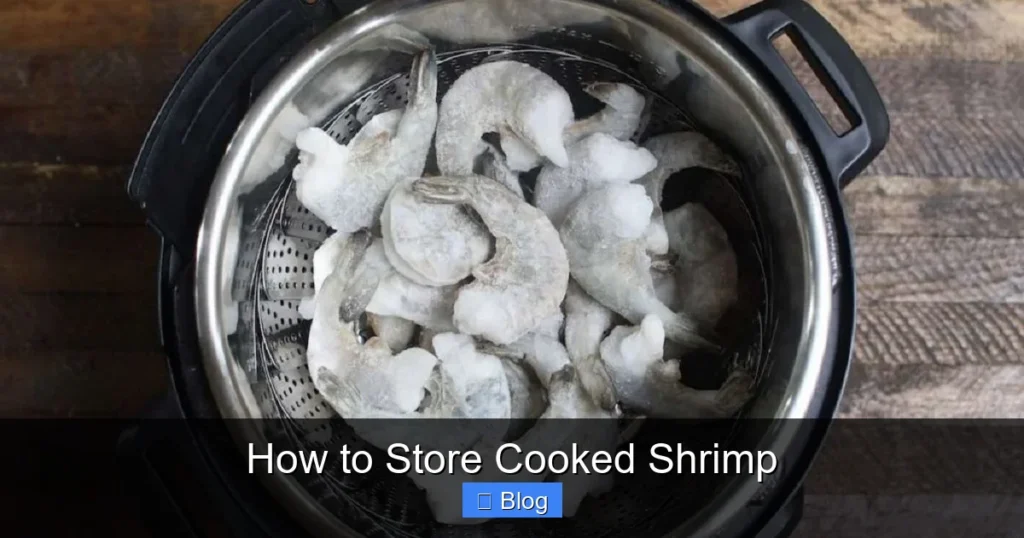
Storing cooked shrimp properly is key to keeping its flavor and safety intact. Use airtight containers, chill quickly, and follow our step‑by‑step guide to enjoy shrimp‑filled meals for up to three days. Follow these easy tips and never waste a single bite.
Key Takeaways
- Cool quickly: Refrigerate shrimp within two hours of cooking to prevent bacterial growth.
- Airtight storage: Use glass or BPA‑free plastic containers to lock in moisture and flavor.
- Portion control: Divide shrimp into meal‑size portions for easier reheating and less waste.
- Freezing works: Properly wrapped shrimp can last up to three months in the freezer.
- Reheat gently: Low heat methods keep shrimp tender and prevent a rubbery texture.
- Label & date: Mark containers with the date you stored them to stay organized.
- Safety first: When in doubt, discard shrimp that smells off or shows discoloration.
📑 Table of Contents
- Introduction: Why Proper Storage Matters
- 1. Cooling Cooked Shrimp the Right Way
- 2. Choosing the Best Containers
- 3. Refrigerating Cooked Shrimp
- 4. Freezing Cooked Shrimp for Long‑Term Storage
- 5. Reheating Cooked Shrimp Without Overcooking
- 6. Creative Ways to Use Leftover Cooked Shrimp
- Conclusion: Keep Your Shrimp Fresh, Safe, and Delicious
Introduction: Why Proper Storage Matters
Imagine you’ve just cooked a big batch of succulent shrimp for a family dinner, a taco night, or a quick salad. The aroma fills the kitchen, the taste is spot‑on, and you’re already thinking about tomorrow’s lunch. But if you don’t store those shrimp the right way, they can turn mushy, develop off‑flavors, or even become a food‑safety hazard.
In this guide we’ll walk through everything you need to know about how to store cooked shrimp so they stay tasty, safe, and ready to use whenever you need them. From immediate cooling tricks to long‑term freezer tips, you’ll get a complete, friend‑to‑friend roadmap that takes the guesswork out of shrimp storage.
1. Cooling Cooked Shrimp the Right Way
Why rapid cooling is essential
Cooked shrimp sit in the “danger zone” (40°F‑140°F or 4°C‑60°C) where bacteria multiply quickly. The longer they stay warm, the higher the risk of spoilage. Cooling them fast shuts down bacterial growth and locks in texture.
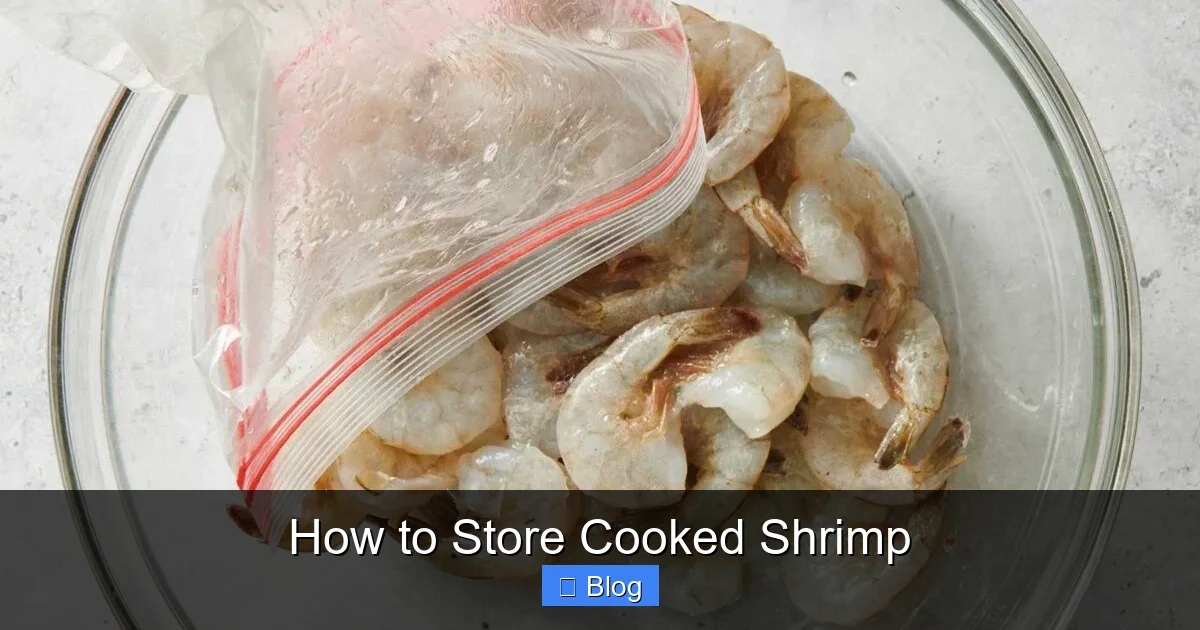
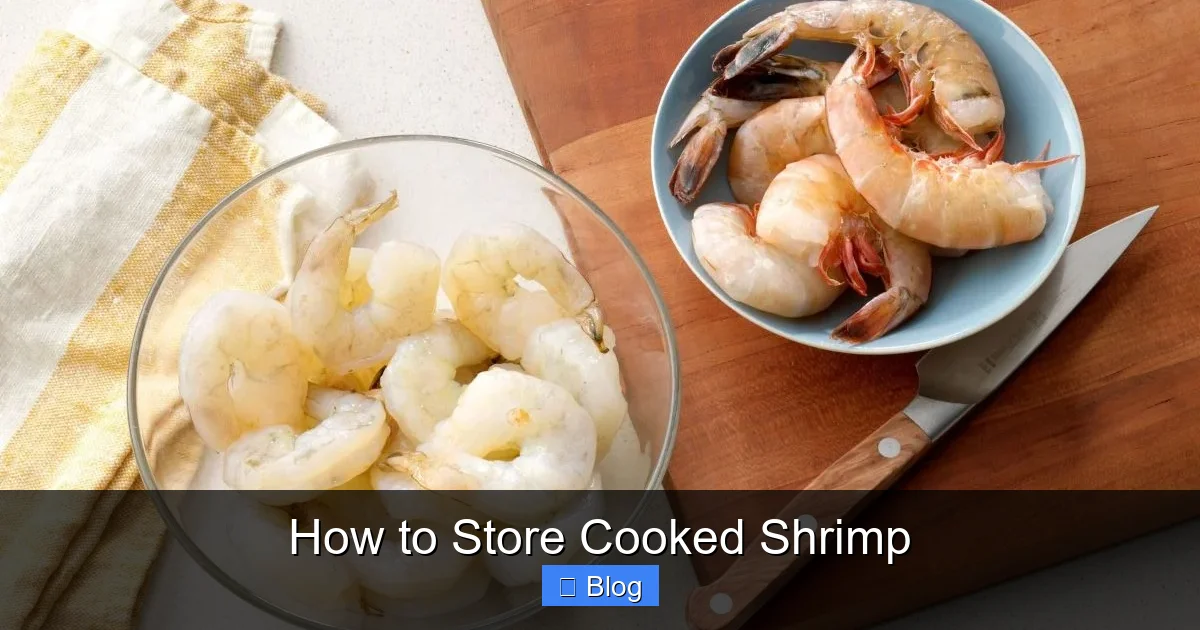
Visual guide about How to Store Cooked Shrimp
Image source: themom100.com
Step‑by‑step cooling process
- Spread them out: Arrange shrimp in a single layer on a large plate or a rimmed baking sheet. This lets heat escape faster than a piled‑up bowl.
- Ice bath shortcut: If you’re in a hurry, place the plate in a larger bowl filled with ice water. Stir occasionally for even cooling.
- Room‑temperature window: Let the shrimp sit at room temperature for no more than 20‑30 minutes before moving them to the fridge.
Common cooling mistakes to avoid
Don’t seal hot shrimp in a container right away—trapping steam creates condensation, which makes the shrimp soggy and encourages bacterial growth. Also, avoid leaving shrimp out for more than two hours total; beyond that, safety is compromised.
2. Choosing the Best Containers
Material matters
Glass containers with airtight lids are ideal because they don’t absorb odors and they’re microwave‑safe. If you prefer plastic, pick BPA‑free options and make sure the seal is tight.
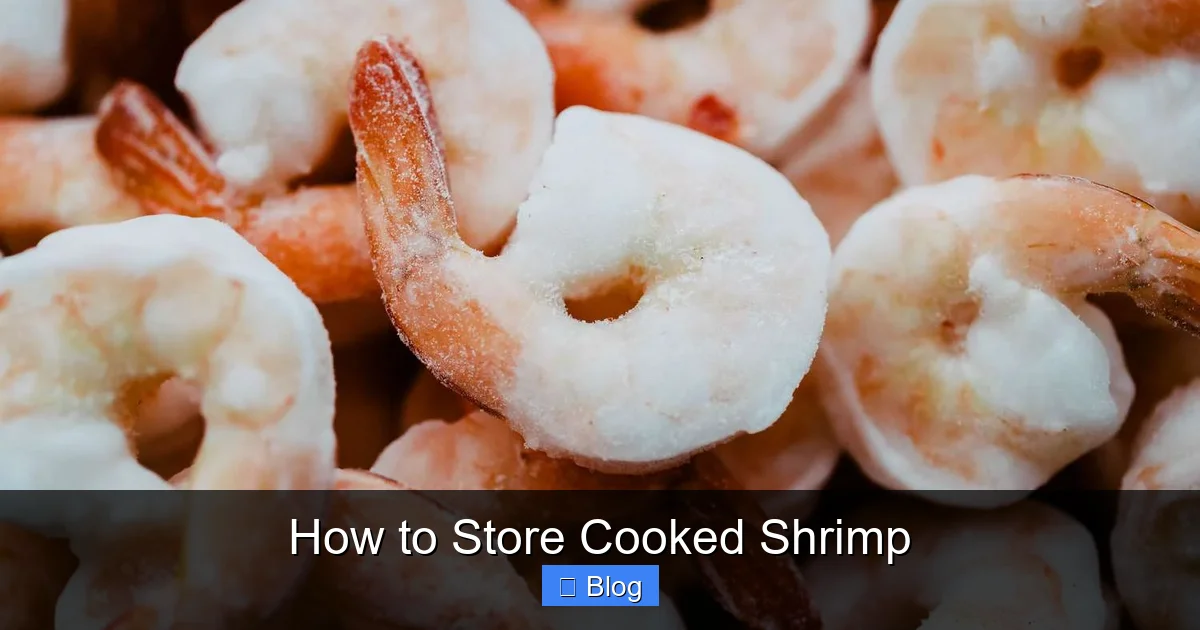
Visual guide about How to Store Cooked Shrimp
Image source: storables.com
Portion‑size containers
Dividing shrimp into meal‑size portions (about ½ cup or 4‑6 ounces) has two benefits:
- It speeds up cooling and reheating.
- You only take out what you need, keeping the rest fresher longer.
Extra tips for airtight sealing
- Press a piece of parchment paper directly onto the shrimp before sealing. This reduces moisture buildup.
- For glass jars, leave a small headspace (about ½ inch) to allow for expansion if you plan to freeze.
3. Refrigerating Cooked Shrimp
Ideal fridge temperature
Set your refrigerator to 35°F‑38°F (1.5°C‑3°C). Use a fridge thermometer if you’re not sure. Consistent cold temps keep shrimp fresh for up to three days.
Visual guide about How to Store Cooked Shrimp
Image source: storables.com
How long can you keep it?
When stored properly, cooked shrimp stay safe and delicious for 2‑3 days. After that, the risk of spoilage rises, and texture starts to deteriorate.
Labeling and dating
Grab a sticky note or a marker and write the storage date on the container lid. This simple habit prevents accidental “forgotten shrimp” that sit too long.
4. Freezing Cooked Shrimp for Long‑Term Storage
When to freeze
If you won’t use the shrimp within three days, freezing is the best option. Freezing preserves both flavor and texture when done correctly.
Pre‑freeze preparation
- Pat dry: Use paper towels to remove excess moisture. Too much water creates ice crystals that damage the shrimp’s flesh.
- Flash freeze: Spread shrimp on a baking sheet in a single layer and place in the freezer for 1‑2 hours. This prevents them from sticking together.
Packaging for the freezer
After flash freezing, transfer shrimp to a freezer‑safe zip‑top bag or an airtight container. Squeeze out as much air as possible—vacuum seal if you have the equipment.
Shelf life in the freezer
Cooked shrimp can be stored for up to 3 months without noticeable loss of flavor. Beyond that, they may develop freezer burn.
Thawing safely
- Refrigerator method: Move the bag to the fridge overnight. This is the safest way and keeps the shrimp at a safe temperature.
- Cold‑water method: Submerge the sealed bag in cold water, changing the water every 30 minutes. Use within an hour.
- Avoid microwave thawing: It can start cooking the shrimp, leading to rubbery texture.
5. Reheating Cooked Shrimp Without Overcooking
Gentle reheating techniques
Because shrimp are already cooked, the goal is to warm them without turning them rubbery. Here are three foolproof methods:
1. Stovetop “sauté‑plus‑steam”
- Heat a non‑stick pan over low‑medium heat.
- Add a splash of broth or water, then the shrimp.
- Cover for 1‑2 minutes, stirring gently, until just warmed through.
2. Microwave “low power”
- Place shrimp in a microwave‑safe dish, sprinkle a few drops of water, and cover with a vented lid.
- Microwave on 30% power for 30‑45 seconds, then check. Repeat in short bursts if needed.
3. Oven “quick bake”
- Preheat oven to 300°F (150°C).
- Spread shrimp on a baking sheet, cover loosely with foil, and heat for 5‑7 minutes.
Flavor‑boosting reheating tips
Add a dash of lemon juice, a sprinkle of fresh herbs, or a drizzle of olive oil right before serving. This revives the shrimp’s bright flavor and masks any slight texture changes.
6. Creative Ways to Use Leftover Cooked Shrimp
Quick meal ideas
- Shrimp salad: Toss chilled shrimp with mixed greens, avocado, cucumber, and a citrus vinaigrette.
- Shrimp tacos: Warm the shrimp, add slaw, salsa, and a squeeze of lime in soft corn tortillas.
- Pasta boost: Stir shrimp into a garlic‑olive oil pasta for a protein‑rich dinner.
Snack‑size options
Combine shrimp with cream cheese and dill for a simple spread, or serve them with a spicy cocktail sauce for a party appetizer.
Reducing waste
When you plan ahead and store shrimp correctly, you’ll always have a protein ready for a fast, healthy dish—no more throwing away perfectly good seafood.
Conclusion: Keep Your Shrimp Fresh, Safe, and Delicious
Knowing how to store cooked shrimp transforms a single cooking session into a week’s worth of tasty meals. Cool quickly, choose the right containers, refrigerate or freeze with care, and reheat gently. Follow the simple steps outlined above, and you’ll never waste shrimp again. So next time you hear that sizzle in the pan, remember: the real magic happens after the cooking is done, in the way you store and reuse those beautiful crustaceans.
🎥 Related Video: How to Cook Already Cooked Shrimp Safely & to Retain Flavour?
📺 Foodology
In this video we are talking about how to cook already cooked shrimp safely & to retain flavour Chapters of this video: 0:00 – Intro …
Frequently Asked Questions
How long can cooked shrimp stay in the refrigerator?
When stored in an airtight container at 35°F‑38°F (1.5°C‑3°C), cooked shrimp remain safe and tasty for 2‑3 days.
Can I freeze cooked shrimp that was previously refrigerated?
Yes. Pat the shrimp dry, flash freeze them on a tray, then transfer to a freezer‑safe bag. They’ll keep for up to three months.
What’s the best way to reheat shrimp without making them rubbery?
Use low‑heat methods such as a covered skillet with a splash of liquid, low‑power microwave bursts, or a gentle oven bake at 300°F.
Do I need to thaw frozen cooked shrimp before using them?
For the best texture, thaw in the refrigerator overnight. If you’re in a hurry, submerge the sealed bag in cold water, changing the water every 30 minutes.
Is it safe to eat shrimp that smells slightly “fishy” after storage?
No. A strong or sour odor indicates spoilage. Discard any shrimp that doesn’t smell fresh, even if the date looks okay.
Can I store cooked shrimp with the shell on?
Yes. Keeping the shell on can help protect the meat and retain flavor, but be sure to cool and seal the shrimp properly before refrigerating or freezing.