

Storing kimbap correctly keeps it moist, flavorful, and safe to eat for days. Use airtight containers, refrigerate promptly, and follow simple reheating methods to enjoy your rolls just like the day they were made.
Key Takeaways
- Cool quickly: Put kimbap in the fridge within two hours of making it.
- Airtight matters: Use tight‑fitting containers or wrap tightly in plastic to stop drying.
- Separate ingredients: Keep sauces and fillings separate when possible for texture.
- Freezing works: Freeze rolls for up to two months, but thaw slowly for best texture.
- Reheat right: Use a microwave with a damp paper towel or steam briefly for soft bites.
- Watch for spoilage: Discard if you see off smells, slime, or mold.
- Label dates: Mark containers with the storage date to avoid waste.
📑 Table of Contents
- Introduction: Why Proper Storage Is a Game Changer
- 1. Cool It Down Before You Pack
- 2. Choose the Right Container
- 3. Refrigeration: How Long Can Kimbap Last?
- 4. Freezing Kimbap for the Long Term
- 5. Reheating Without Losing the Crunch
- 6. Common Mistakes and How to Avoid Them
- Conclusion: Keep Your Kimbap Fresh, Every Time
Introduction: Why Proper Storage Is a Game Changer
Kimbap is a Korean favorite that looks simple but packs a lot of flavor. A rice‑filled seaweed roll with veggies, egg, and sometimes meat can be a quick lunch or a picnic snack. The problem is that kimbap can go soggy or dry out fast if you don’t store it right. When you ask yourself, “How do you store kimbap?” the answer isn’t just “put it in the fridge.” It’s about timing, temperature, and the right containers.
In this guide we’ll walk through every step—from cooling the rolls after you make them, to packing them for a workday, to freezing them for later. You’ll learn practical tricks that keep the rice fluffy, the seaweed crisp, and the fillings fresh. By the end you’ll feel confident storing kimbap so it tastes great every time you open the lunchbox.
1. Cool It Down Before You Pack
Why cooling matters
Hot food raises the temperature inside your fridge, which can cause other foods to spoil faster. More importantly, steam from warm kimbap makes the seaweed soggy. Letting the rolls sit at room temperature for a short time lets the steam escape.
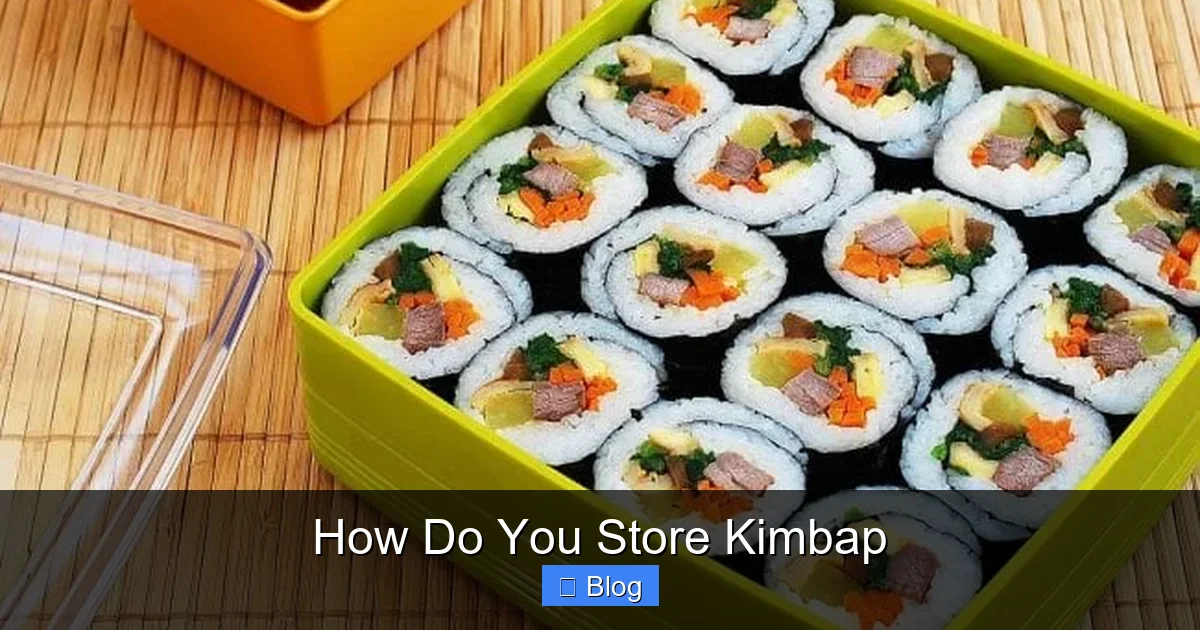
Visual guide about How Do You Store Kimbap
Image source: koreanbapsang.com
How long to cool
- Leave the sliced rolls on a plate for 10‑15 minutes.
- If you made a large batch, spread them out on a baking sheet to speed up cooling.
- Never leave them out longer than two hours—bacteria start to grow after that.
Quick tip
Place a clean kitchen towel under the plate. The towel absorbs excess moisture and helps the rolls cool evenly.
2. Choose the Right Container
Airtight plastic containers
Clear containers with snap‑tight lids are the most common choice. They keep air out, which stops the rice from drying and the seaweed from wilting. Look for containers that are just a little bigger than the roll stack so the rice doesn’t get crushed.
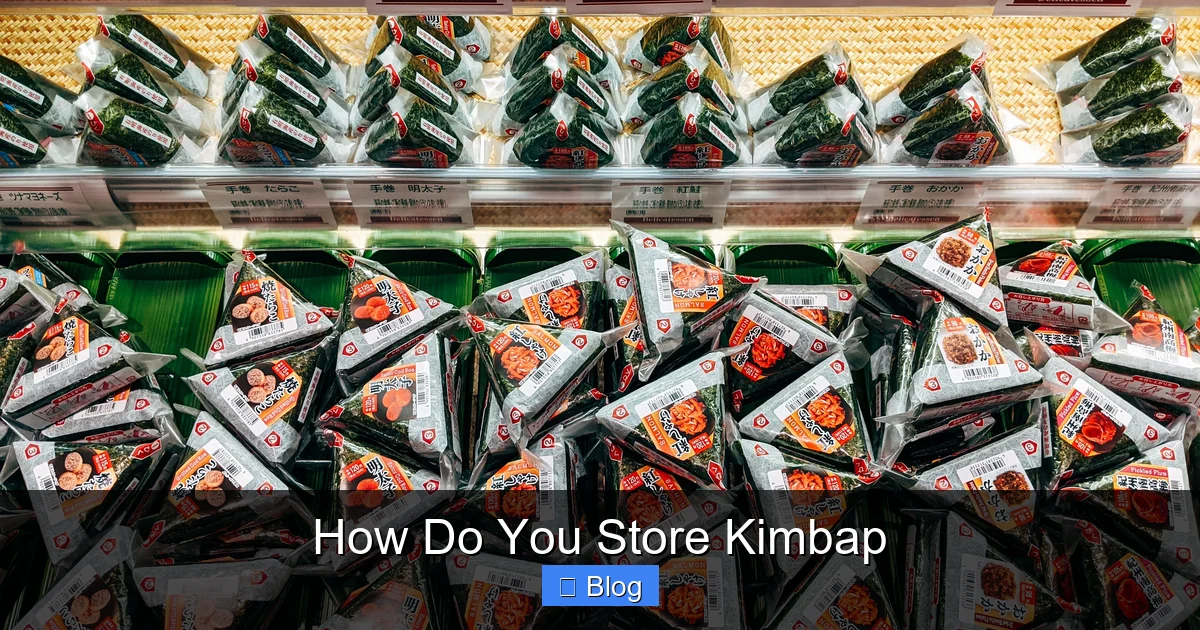
Visual guide about How Do You Store Kimbap
Image source: koreafoods.co.uk
Reusable silicone bags
Silicone bags are flexible, seal tightly, and are freezer‑safe. They’re great if you want to keep the rolls flat without a rigid container.
Wax paper or parchment wrap
If you don’t have a tight‑fitting container, wrap each roll tightly in wax paper or parchment. Then place the wrapped rolls in a zip‑top bag and squeeze out the air.
What to avoid
- Loose containers that let air circulate.
- Aluminum foil directly on the seaweed—foil can cause the roll to become rubbery.
- Containers that are too small and crush the rice.
3. Refrigeration: How Long Can Kimbap Last?
General shelf life
When stored properly in the fridge, kimbap stays good for 3‑4 days. The rice may become a little firmer, but the flavors stay intact.
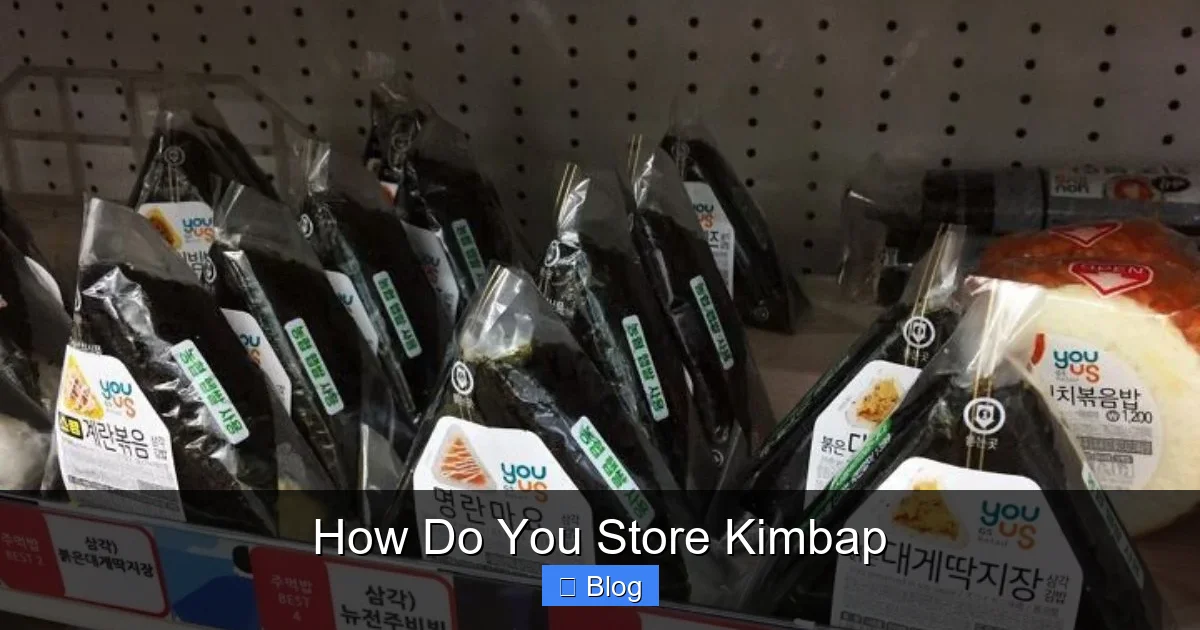
Visual guide about How Do You Store Kimbap
Image source: kollectionk.com
Temperature check
Keep your fridge at 35‑38°F (1‑3°C). Anything warmer speeds up bacterial growth.
Storing sauces separately
Soy sauce, spicy gochujang, or sesame oil can make the seaweed soggy if they sit on the roll. Store sauces in a small dip container and add them right before eating.
Labeling
Write the date you made the kimbap on the container lid. This simple habit saves you from guessing whether the rolls are still safe.
4. Freezing Kimbap for the Long Term
Is freezing safe?
Yes! Freezing preserves the texture of the rice and the flavor of the fillings. The seaweed may lose some crispness, but you can revive it with a quick steam.
Step‑by‑step freezing guide
- Wrap each roll tightly in plastic wrap. Press out as much air as possible.
- Place the wrapped rolls in a freezer‑safe bag or container.
- Label with the date and type of fillings.
- Freeze flat for even storage.
How long to keep
For best taste, use frozen kimbap within 2 months. After that the rice may develop freezer burn.
Thawing and reheating
- Move the rolls to the fridge overnight. This slow thaw keeps the texture smooth.
- Before eating, steam the rolls for 2‑3 minutes or microwave with a damp paper towel for 30‑45 seconds.
5. Reheating Without Losing the Crunch
Microwave method
Place the roll on a microwave‑safe plate. Cover with a damp paper towel. Heat on medium power for 30‑45 seconds. The towel adds moisture, preventing the rice from drying out.
Steaming method
Set a steamer basket over boiling water. Steam the roll for 2‑3 minutes. This method restores the seaweed’s bite and makes the rice fluffy again.
Pan‑fry shortcut
Heat a non‑stick pan on low heat. Add a splash of water, cover, and warm the roll for 1 minute. The steam inside the pan mimics a steamer.
6. Common Mistakes and How to Avoid Them
Leaving rolls uncovered
Air dries out the rice and makes the seaweed rubbery. Always seal the container.
Storing with strong‑smelling foods
Kimbap can absorb odors from onions, garlic, or fish. Keep it away from these items in the fridge.
Over‑packing the container
Pressing too many rolls together squashes the rice. Give each roll a little breathing room.
Skipping the label
Without a date, you might eat old kimbap and risk foodborne illness. A quick label saves health and money.
Conclusion: Keep Your Kimbap Fresh, Every Time
Knowing how do you store kimbap isn’t a mystery once you follow these simple steps. Cool the rolls quickly, seal them airtight, refrigerate or freeze promptly, and reheat with gentle moisture. Treat the seaweed and sauces with care, and you’ll enjoy a roll that tastes as fresh as the day it was made. Next time you pack lunch or prep a snack for a road trip, remember these tips and share them with friends. Your kimbap will thank you with every bite.
🎥 Related Video: Kimbap Two ways to Roll #koreanfood #sushi
📺 Sora Joanna
how to roll kimbap 2 ways #kimbap #gimbap.
Frequently Asked Questions
Can I store kimbap at room temperature?
No. Kimbap should be refrigerated within two hours of preparation. Room temperature encourages bacterial growth and makes the seaweed soggy.
How long does refrigerated kimbap stay safe to eat?
When kept in an airtight container at 35‑38°F, kimbap stays good for 3‑4 days. Check for off smells or slime before eating.
Is it okay to freeze kimbap with raw fish inside?
Yes, but only if the fish is sushi‑grade and fresh. Freeze the rolls quickly and use them within two months for best quality.
What’s the best way to prevent the seaweed from getting soggy?
Wrap the roll tightly in wax paper or plastic before placing it in a container, and store sauces separately. This keeps moisture away from the seaweed.
Can I reheat frozen kimbap in the microwave?
Yes. After thawing in the fridge, microwave the roll with a damp paper towel for 30‑45 seconds on medium power. This restores softness without drying.
Do I need to wash the container before storing kimbap?
Always use a clean container. Residual food particles can cause faster spoilage, so a quick rinse and dry is recommended.



