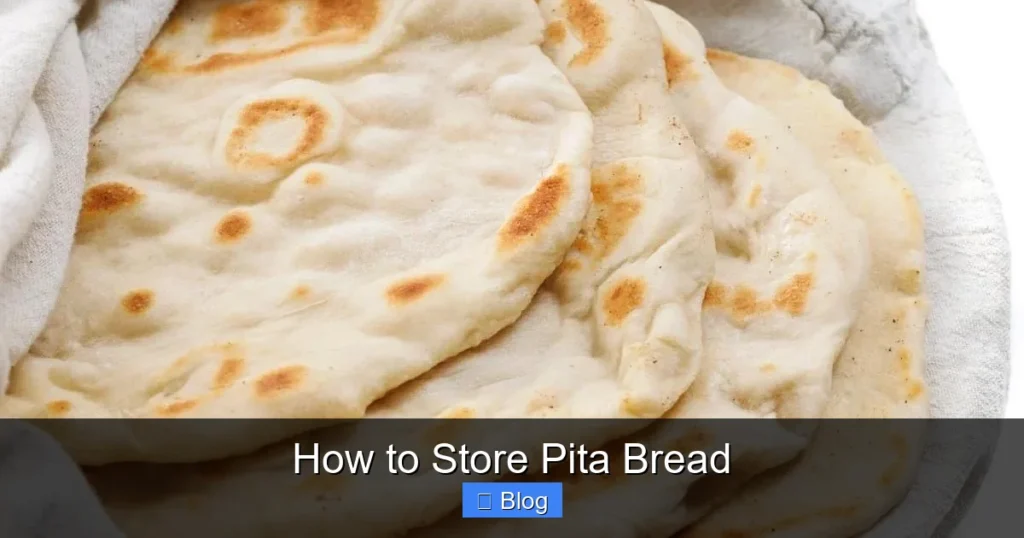
Keeping pita bread fresh is easier than you think. With the right storage techniques—whether in the fridge, freezer, or at room temperature—you can extend its life, preserve flavor, and avoid waste. This guide will walk you through every step, from choosing the right container to reviving stale pita with simple tricks.
Key Takeaways
- Room‑Temperature Storage: Store pita in a paper bag, then a sealed plastic bag for up to 3 days.
- Freezing Basics: Wrap pita tightly, freeze for up to 3 months, and thaw at room temperature.
- Reheating Tips: Warm pita in a skillet or oven to restore softness and crispness.
- Avoid Moisture: Keep pita dry; moisture leads to mold and staleness.
- Use Airtight Containers: Glass jars or vacuum‑sealed bags keep pita fresh longer than plastic bags.
- Revive Stale Bread: Sprinkle water and toast to bring back freshness.
- Plan Portions: Freeze pita in single‑serving portions to reduce waste.
📑 Table of Contents
Introduction
Have you ever bought a fresh batch of pita bread, only to find it flat and dry a day later? Or maybe you’re a pita lover who buys in bulk and wonders how to keep the bread from going stale? You’re not alone. Pita bread, with its soft interior and slightly crisp crust, is a staple in many kitchens, but its delicate texture makes it vulnerable to moisture and air. The good news is that with a few simple storage tricks, you can keep pita fresh for days—or even months—without sacrificing taste or texture.
In this guide, I’ll show you the best ways to store pita bread, whether you’re keeping it at room temperature, in the refrigerator, or in the freezer. I’ll also share tips for reviving stale pita, choosing the right containers, and planning your portions so you never waste a single piece. Grab a cup of tea, and let’s dive into the world of pita preservation.
Why Pita Bread Goes Bad So Quickly
Pita bread is made from simple ingredients—flour, water, yeast, and salt. Its simplicity is part of its charm, but it also means the bread lacks preservatives that keep other breads fresh. Several factors contribute to pita’s rapid staleness:

Visual guide about How to Store Pita Bread
Image source: canyoupreserve.com
- Moisture Loss: As pita cools, moisture evaporates, causing the dough to dry out.
- Air Exposure: Oxygen reacts with the bread’s surface, accelerating staling.
- Temperature Fluctuations: Warm, humid environments make pita mold quickly.
- Absorption of Odors: Pita can absorb smells from the fridge or freezer, altering its flavor.
Understanding these factors helps you choose the best storage method for your lifestyle.
1. Storing Pita at Room Temperature
When you buy pita fresh from a bakery or make it at home, the easiest way to keep it fresh for a few days is to store it at room temperature. The key is to balance moisture control with protection from air.
Visual guide about How to Store Pita Bread
Image source: thekitchencommunity.org
1.1. Use a Paper Bag First
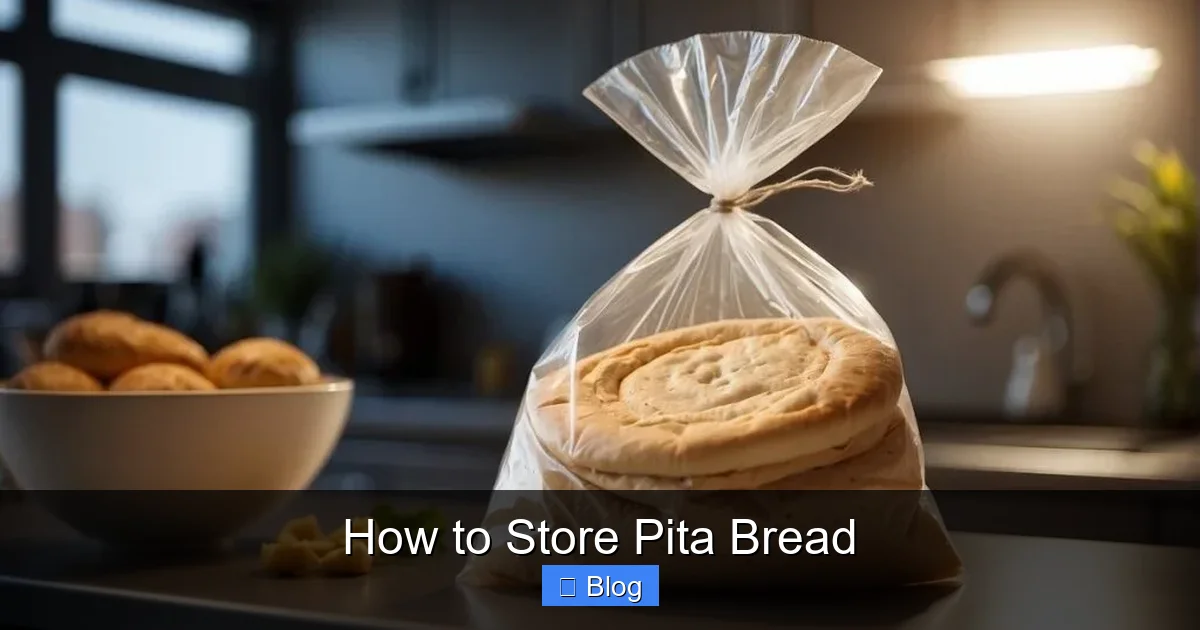
Paper bags are great for absorbing excess moisture. Place your pita in a clean paper bag—like a sandwich bag or a paper grocery bag. This step helps keep the bread from getting soggy if it was freshly baked.
1.2. Seal in a Plastic Bag
After the paper bag, put the pita into a resealable plastic bag. Squeeze out as much air as possible before sealing. This two‑layer approach keeps the bread dry inside the paper bag while protecting it from the air outside.
1.3. Store in a Cool, Dry Spot
A pantry or a kitchen counter away from direct sunlight is ideal. Avoid the kitchen cabinet where the stove or oven heats up the air. Keep the pita out of reach of children and pets if you’re using plastic bags.
1.4. Shelf Life
When stored correctly, pita can last about 3 days at room temperature. If you notice it becoming slightly dry, a quick toast will revive it.
2. Refrigerating Pita Bread
Refrigeration slows down mold growth but can also dry out the bread faster. Use the fridge only if you plan to eat the pita within a week.
Visual guide about How to Store Pita Bread
Image source: cooklikeagreekblog.com
2.1. Wrap in Wax Paper First
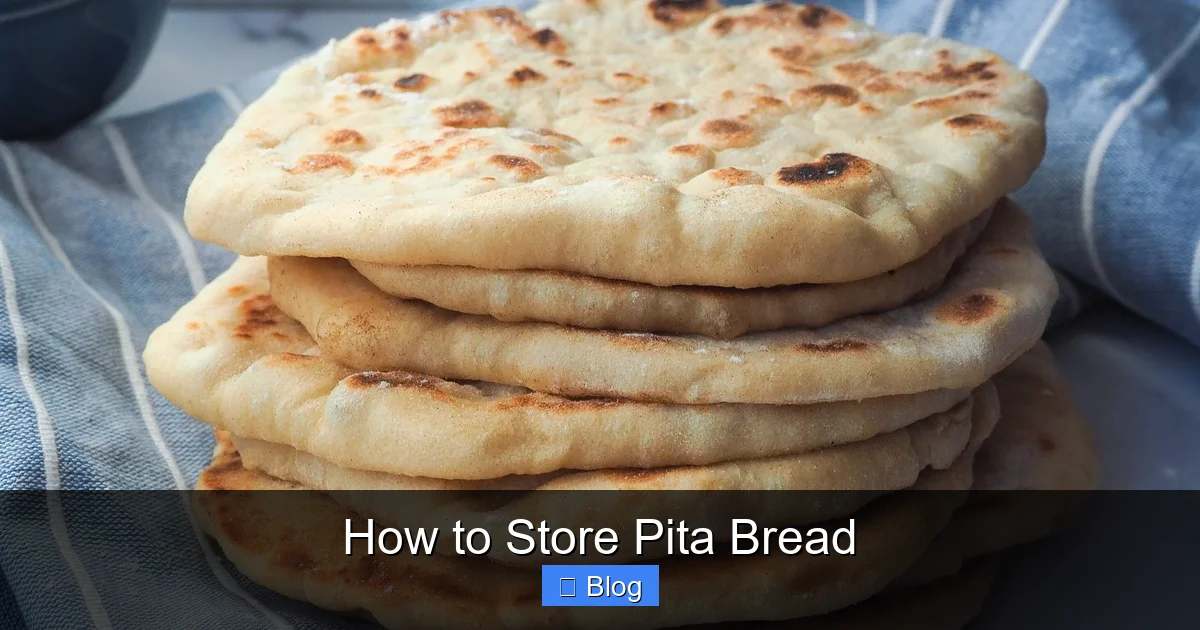
Wrap each pita individually in wax paper. This protects the bread from the dry air in the fridge.
2.2. Place in an Airtight Container
After wax paper, put the wrapped pita in a sealed plastic container or a zip‑lock bag. If you have a vacuum sealer, that’s even better.
2.3. Check for Moisture
Inspect the pita daily. If you see condensation, replace the wax paper or add a small paper towel to absorb excess moisture.
2.4. Shelf Life in the Fridge
Properly stored, pita can stay good for up to 7 days in the refrigerator. Always reheat before eating to restore the soft interior.
3. Freezing Pita Bread
Freezing is the best way to keep pita bread fresh for long periods—up to 3 months. The trick is to prevent freezer burn and maintain texture.
3.1. Portion Out Before Freezing
Divide the pita into the number of pieces you usually eat at one time. This way, you only thaw what you need.
3.2. Wrap Tightly
Use parchment paper or foil to wrap each piece individually. Then place the wrapped pita in a freezer‑safe zip‑lock bag. Squeeze out air, seal, and label with date.
3.3. Use Vacuum Sealing
If you have a vacuum sealer, sealing the pita eliminates almost all air, extending freshness and preventing freezer burn.
3.4. Thawing and Reheating
To thaw, leave the pita in the bag at room temperature for 15–20 minutes. For a crispier crust, heat in a preheated oven at 350°F (175°C) for 5 minutes. Alternatively, toast in a skillet for 1 minute per side.
3.5. Shelf Life in the Freezer
When wrapped properly, pita stays fresh for up to 3 months. Beyond that, it may still be safe to eat but could lose flavor and texture.
4. Choosing the Right Containers
The container you use can make or break your pita’s freshness. Here’s a quick rundown of the best options.
4.1. Airtight Plastic Containers
Clear plastic containers with tight‑sealing lids are convenient. They’re reusable and make it easy to see how many pieces you have left.
4.2. Glass Jars with Airtight Lids
Glass jars keep pita free from plastic odors and are great for long‑term storage. Use a silicone seal for extra protection.
4.3. Vacuum‑Seal Bags
Vacuum sealing removes all air, which is the main cause of staling. If you have a vacuum sealer, this is the best option for both room temperature and freezer storage.
4.4. Paper Bags with Plastic Over‑Wrap
This classic combo is inexpensive and effective for short‑term room temperature storage.
5. Reviving Stale Pita Bread
Even with the best storage, pita can become stale after a few days. Don’t toss it—revive it! Here are simple methods to bring back that fresh, soft interior.
5.1. Water‑Spray Method
Lightly mist the pita with water using a spray bottle, then wrap it in foil and heat in a 350°F oven for 5 minutes. The steam softens the crust while the heat restores crispness.
5.2. Skillet Toasting
Place the pita in a dry skillet over medium heat. Toast for 30 seconds on each side. The heat melts the surface fat, making it chewy again.
5.3. Microwave and Toast Combo
Microwave the pita for 10–15 seconds, then transfer to a toaster or skillet for a minute to crisp up. This works well for thick pita varieties.
5.4. Add Moisture When Baking
If you’re baking fresh pita, add a splash of water to the dough. The extra moisture helps keep the bread soft longer.
6. Common Mistakes and How to Avoid Them
- Over‑air Exposure: Leaving pita uncovered lets air dry it out. Always seal.
- Storing in Warm Places: Heat accelerates staling. Keep pita in a cool area.
- Re‑freezing Thawed Bread: This causes ice crystals and texture loss. Use thawed pita within a day.
- Ignoring Moisture: Condensation inside bags leads to mold. Use paper towels or absorbent packs.
- Mixing Old and New Bread: Old bread can transfer mold spores to fresh pieces. Store separately.
Conclusion
Storing pita bread properly is all about controlling moisture, air, and temperature. By using a simple paper‑and‑plastic bag combo at room temperature, wrapping tightly for the fridge, or freezing in airtight bags, you can keep pita fresh for days or even months. And when that pita starts to feel a little dry, a quick toast or a sprinkle of water will bring it back to life.
Now you’re equipped with the best techniques for pita preservation. Next time you buy a fresh batch, keep these tricks in mind and enjoy soft, warm pita whenever you want—without the waste.
🎥 Related Video: I can’t believe this works! #kitchenhacks #pitabread #shorts #chefpriyanka #bread
📺 Priyanka Naik
Frequently Asked Questions
Can I store pita bread in the freezer without wrapping it?
It’s best to wrap pita tightly before freezing to prevent freezer burn and preserve flavor. Freezing unwrapped pita can cause it to become dry and develop off‑odors.
How long does pita stay fresh in the refrigerator?
When wrapped properly, pita can last up to 7 days in the fridge. After that, it may still be safe to eat but could become dry and lose taste.
What’s the best way to reheat frozen pita?
Thaw at room temperature for 15–20 minutes, then heat in a 350°F oven for 5 minutes or toast in a skillet for 1 minute per side. This restores the soft interior and crisp crust.
Can I store pita in a paper bag only?
A paper bag alone can absorb moisture but doesn’t protect from air exposure. For best results, use a paper bag first, then seal in a plastic bag.
Is it okay to keep pita at room temperature for more than 3 days?
Storing pita at room temperature beyond 3 days increases the risk of staling and mold. If you need to keep it longer, consider refrigerating or freezing.
How do I prevent mold on stored pita?
Mold often starts where moisture accumulates. Keep pita dry by using paper towels in the storage bag, store in a cool area, and avoid mixing old and new bread.