
Ever wondered how to break a dishwasher? This tongue‑in‑cheek guide walks you through the most common (and avoidable) mistakes that can turn a sparkling appliance into a costly repair. From overloading racks to ignoring maintenance, we reveal the hidden triggers that silently sabotage your dishwasher.
Key Takeaways
- Overloading kills: Packing dishes too tightly blocks spray arms and strains motors.
- Wrong detergent = damage: Using regular soap or too much powder creates suds that overflow and corrode parts.
- Neglecting filters leads to clogs: Food particles build up, causing pump failure and leaks.
- Ignoring the rinse aid: Without it, water spots and mineral buildup can wear out spray nozzles.
- Skipping regular cleaning: Grease and limescale accumulate, shortening the dishwasher’s lifespan.
- Improper installation can snap components: Loose hoses or unlevel units stress internal seals.
- Power surges are silent killers: Not using a surge protector can fry the control board.
📑 Table of Contents
- Introduction: Why Talk About How to Break a Dishwasher?
- 1. Overloading the Racks – The Most Obvious Way to Break a Dishwasher
- 2. Using the Wrong Detergent – A Sudsy Disaster
- 3. Ignoring the Filter and Drain – The Clog Trap
- 4. Skipping Rinse Aid – The Invisible Enemy
- 5. Poor Installation and Leveling – The Structural Slip
- 6. Ignoring Power Surges – The Electrical Shock
- Conclusion: Turning Mistakes into Maintenance Wins
Introduction: Why Talk About How to Break a Dishwasher?
Most of us treat our dishwasher like a silent hero—load it, press a button, and hope for sparkling plates. But have you ever stopped to think about the tiny things that can silently sabotage it? Understanding how to break a dishwasher isn’t about encouraging mishaps; it’s about spotting the warning signs before they become costly repairs.
In this friendly, no‑jargon guide, we’ll walk through the most common blunders that lead to a broken dishwasher. Think of it as a “what not to do” cheat sheet you can share with roommates, kids, or anyone who dares to load the racks.
1. Overloading the Racks – The Most Obvious Way to Break a Dishwasher
Why packing too many dishes hurts
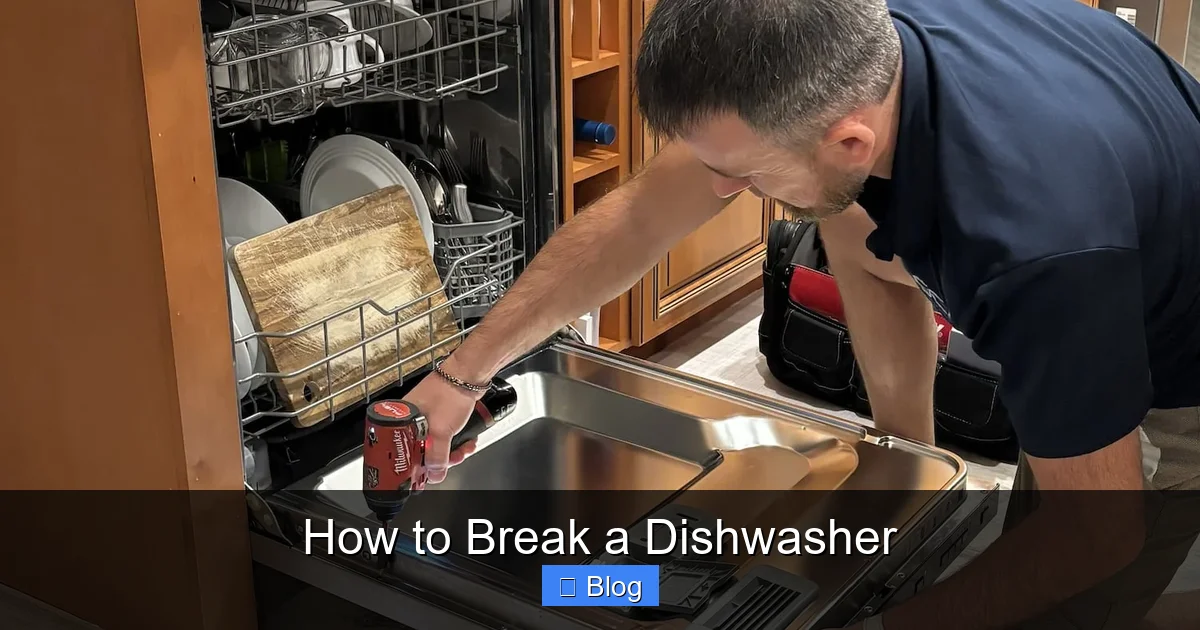
When you cram plates, bowls, and utensils into every nook, you block the water jets. The spray arms can’t spin freely, and the motor works harder than it should. Over time, that extra strain can wear out the motor bearings and cause premature failure.
Visual guide about How to Break a Dishwasher
Image source: gulfcoastappliances.com
Practical tip: The “one‑hand rule”
Imagine you’re holding a dish with one hand while the other hand stays free. If you can’t comfortably place a dish with one hand, the rack is already too full. This simple rule keeps water flow smooth and prevents the hidden damage that explains how to break a dishwasher.
2. Using the Wrong Detergent – A Sudsy Disaster
Regular soap vs. dishwasher detergent
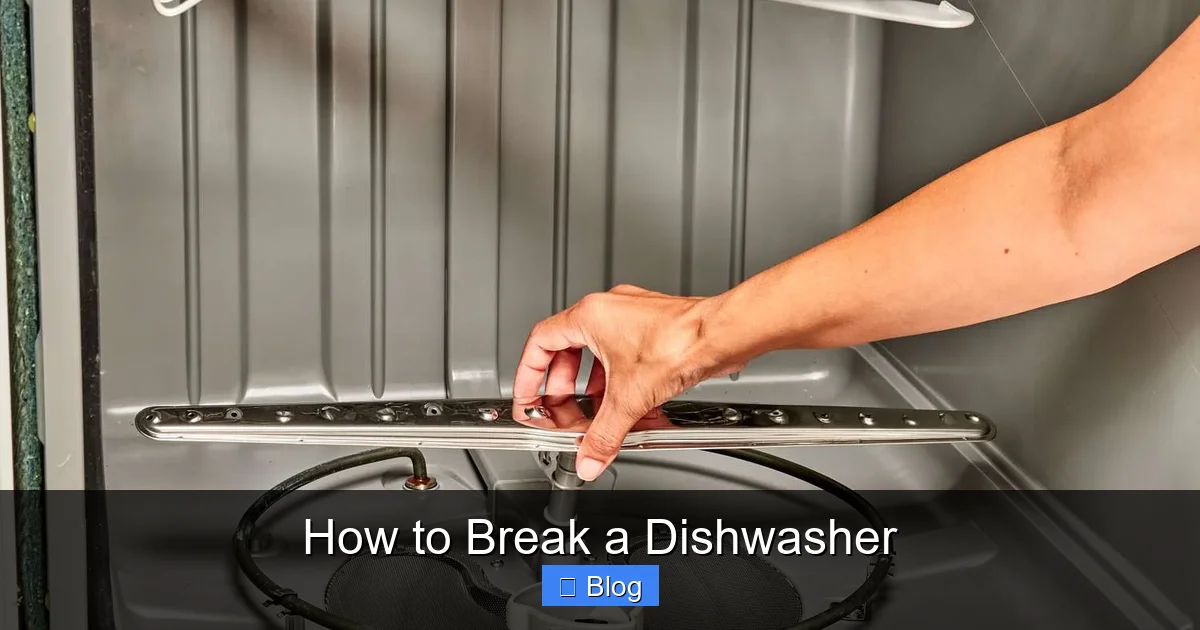
Regular hand‑washing soap creates a mountain of suds that overflow, seep into electrical components, and corrode wiring. That’s a classic example of how to break a dishwasher in just a few cycles.
Visual guide about How to Break a Dishwasher
Image source: thespruce.com
How much is too much?
Even the right detergent can be harmful if you over‑dose. Follow the manufacturer’s scoop recommendation. A tablespoon too many can cause excess foam, leading to leaks and pump strain.
Tip: Keep a detergent log
Write down the brand, amount, and cycle each time you run the machine. If you notice a pattern of leaks after a certain brand, you’ve found a new way to learn how to break a dishwasher—and how to stop it.
3. Ignoring the Filter and Drain – The Clog Trap
What the filter does
The filter catches food particles before they reach the pump. When you skip cleaning it, debris builds up, eventually blocking the drain and overworking the pump.
Visual guide about How to Break a Dishwasher
Image source: i.ytimg.com
Step‑by‑step cleaning
- Turn off the dishwasher and unplug it.
- Locate the filter at the bottom of the tub (usually a circular metal grate).
- Remove it and rinse under warm water. Use a soft brush for stubborn bits.
- Replace and run a short rinse‑only cycle.
How this explains how to break a dishwasher
If you never clean the filter, the pump motor will overheat and fail—a textbook case of how to break a dishwasher without even opening the door.
4. Skipping Rinse Aid – The Invisible Enemy
Rinse aid’s role
Rinse aid reduces surface tension, preventing water spots and mineral deposits. Without it, hard water leaves a film that gradually erodes spray nozzles and the interior coating.
When you forget to refill
Most people notice a drop in shine after a few weeks of neglect. That’s the silent way of learning how to break a dishwasher—by letting limescale grind away internal parts.
Simple habit
Set a reminder on your phone to check the rinse‑aid level every month. A quick refill can save you from a costly replacement.
5. Poor Installation and Leveling – The Structural Slip
Why level matters
A dishwasher that isn’t level will vibrate excessively. Those vibrations can loosen internal hoses, crack the tub, or damage the door latch. All of these are classic outcomes of how to break a dishwasher during installation.
Quick leveling test
- Place a bubble level on the rack.
- If it tilts, adjust the front legs (usually a screw underneath the door).
- Re‑check until the bubble sits in the center.
Hose connections
Make sure the drain hose has a proper “high loop” or air gap. A low‑lying hose can siphon water back into the dishwasher, flooding the pump and showing another method of how to break a dishwasher.
6. Ignoring Power Surges – The Electrical Shock
What a surge does
A sudden spike in electricity can fry the electronic control board. That’s a silent, instant way to learn how to break a dishwasher without any physical damage.
Protective steps
- Plug the dishwasher into a surge‑protected outlet.
- Consider a whole‑home surge protector if you live in an area with frequent storms.
- Unplug the unit during lightning storms.
Signs of a fried board
If the display flashes or the machine won’t start at all, you may have just discovered a fast track for how to break a dishwasher. Call a professional before attempting a DIY fix.
Conclusion: Turning Mistakes into Maintenance Wins
Now you know the most common ways to break a dishwasher—and more importantly, how to avoid them. By treating each mishap as a learning moment, you can keep your appliance humming for years. Remember, the goal isn’t to actually break anything; it’s to understand how to break a dishwasher so you never have to.
Next time you load a rack, measure detergent, or check the filter, think of this guide. A few simple habits will save you time, money, and the headache of a silent kitchen saboteur.
🎥 Related Video: Simple Way To Break Your Dishwasher Down 🧹 Would You Try It?
📺 Eden404
dishwasher #cleaning #shoes #howtoclean #advice #comedy #5minutecrafts We advise adult supervision and care at all times.
Frequently Asked Questions
What is the most common way to break a dishwasher?
Overloading the racks blocks spray arms and forces the motor to work harder, which is the #1 cause of premature dishwasher failure.
Can using regular dish soap really damage a dishwasher?
Yes. Regular soap creates excess suds that can overflow, seep into electrical parts, and cause corrosion—an easy way to learn how to break a dishwasher.
How often should I clean the dishwasher filter?
Ideally once a month, or after every 30 cycles. Regular cleaning prevents clogs that can lead to pump failure.
Do I need rinse aid even if I have soft water?
Even soft water benefits from rinse aid because it helps water sheet off surfaces, reducing spotting and protecting spray nozzles.
Will a power surge permanently damage my dishwasher?
A strong surge can fry the control board, which is a quick route to break a dishwasher. Using a surge protector greatly reduces this risk.
Is it safe to run a dishwasher without a door latch?
No. A missing or broken latch can cause water to leak during cycles, leading to motor and floor damage—another classic example of how to break a dishwasher.