Cooking salmon in an air fryer oven is fast, easy, and delivers incredible flavor. You only need 10 to 15 minutes at 400 degrees for most fillets. This method keeps the fish moist and flaky while giving you a nice crisp texture. Master the right timing, and you will enjoy restaurant-quality meals at home.
Key Takeaways
- Cooking time varies: Most salmon fillets need 10 to 15 minutes at 400 degrees, but thickness matters.
- Preheat your air fryer oven: A hot start ensures even cooking and better texture from the beginning.
- Check internal temperature: Aim for 145 degrees Fahrenheit for safe, perfectly cooked salmon every time.
- Season simply: Olive oil, salt, pepper, and lemon work wonders without overpowering the natural flavor.
- Avoid overcrowding: Give each piece space so hot air circulates properly for crisp, even results.
- Rest before serving: Let salmon sit for two minutes after cooking to lock in juices and improve texture.
- Experiment with glazes: Try honey garlic, teriyaki, or herb butter for variety while keeping cook times similar.
📑 Table of Contents
Why Choose an Air Fryer Oven for Salmon
Salmon is a favorite for good reason. It tastes great, feels light, and packs healthy fats into every bite. But cooking it perfectly can feel tricky. Overcook it, and it turns dry. Undercook it, and it feels raw. That is where an air fryer oven changes everything.
This appliance blows hot air around your food. It mimics a convection oven but works faster. You get crisp edges without heavy oil. You also get consistent heat from every angle. For delicate fish like salmon, that gentle, even heat is a huge win.
Many home cooks already love air fryer ovens for quick weeknight meals. They save time. They clean up fast. And they handle everything from veggies to frozen snacks. If you want to learn how long to cook salmon in an air fryer oven, you are about to add one of the easiest protein recipes to your routine.
Here is what makes this method stand out:
- Speed: Most fillets cook in under 15 minutes.
- Texture: You get a light crisp on the outside while the inside stays tender.
- Flexibility: You can cook one portion or a full family meal with simple timing tweaks.
- Less mess: A light coating of oil replaces heavy pans and splatter.
If you already use your air fryer oven for other favorites, you know the drill. You set the temperature, slide in the tray, and wait for the timer. Salmon follows the same pattern. The only difference is that fish needs a bit more attention to timing. Once you learn the basics, you will make it again and again.
Before we dive into exact minutes and temperatures, let us look at what affects your results. Thickness, starting temperature, and seasoning all play a role. Understanding these details helps you adjust on the fly. That is the real secret to consistent, juicy salmon.
How Long to Cook Salmon in an Air Fryer Oven
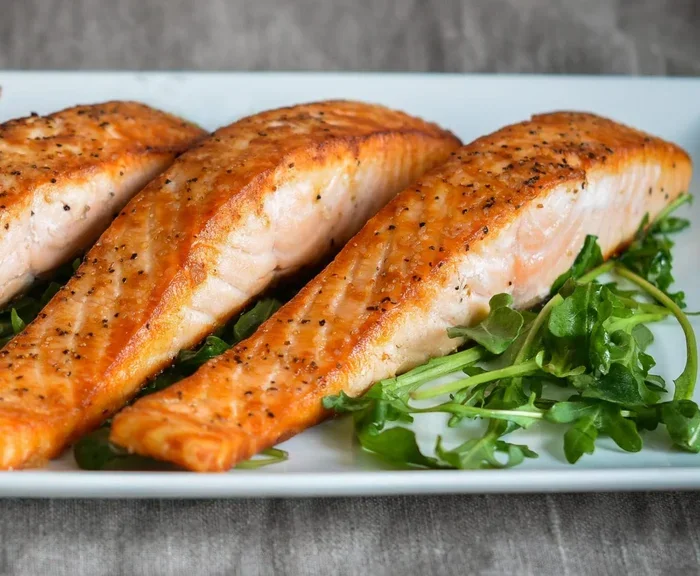
The short answer is simple. Most salmon fillets need 10 to 15 minutes at 400 degrees Fahrenheit. That range works for standard portion sizes. It also gives you a safe internal temperature without drying out the fish.
Visual guide about salmon fillets air fryer oven
Image source: onceuponachef.com
But timing is not one-size-fits-all. A thin tail piece cooks faster than a thick center cut. A frozen fillet needs more time than a fresh one. Even your air fryer oven model can shift the clock by a minute or two. The good news is that you can easily adjust once you know what to watch for.
Here is a practical starting point:
- Thin fillets, 1 inch or less: 8 to 10 minutes at 400 degrees.
- Average fillets, around 1 inch thick: 10 to 12 minutes at 400 degrees.
- Thick cuts or side portions: 12 to 15 minutes at 400 degrees.
- Frozen salmon: 14 to 18 minutes at 400 degrees, flipping halfway.
These times are a strong baseline. They help you answer the question of how long to cook salmon in an air fryer oven with confidence. Still, your best tool is a quick temperature check. Fish is done when it reaches 145 degrees Fahrenheit at the thickest part. If you prefer a slightly softer texture, some cooks pull it at 140 degrees and let carryover heat finish the job.
A few simple habits make timing even more reliable:
- Preheat first: A 3-minute preheat gives you a more accurate cook time.
- Use similar sizes: Try to cook pieces that are close in thickness.
- Flip halfway: Turning the fillet helps both sides brown evenly.
- Watch the last few minutes: Fish goes from done to overdone quickly.
If you are new to this method, start with the 10-minute mark. Check the color and texture. The flesh should look opaque and separate easily with a fork. If it still looks translucent, give it another minute or two. Small adjustments like this turn a good meal into a great one.
For more air fryer timing guidance on other proteins and sides, you can also explore recipes like how long to cook chicken wings in oven 400 or how long to cook sausage in oven 400. Those guides show how temperature and thickness change cooking windows in the same appliance.
Best Temperature for Air Fryer Salmon
Temperature matters just as much as time. For salmon, 400 degrees Fahrenheit is the sweet spot for most home cooks. It gives you a nice balance of speed and control. The heat is high enough to brown the surface, but not so aggressive that the outside burns before the inside cooks.
Some people prefer 375 degrees for a gentler cook. That can work well for very thick fillets or if your air fryer oven runs hot. You may just need a couple extra minutes. On the other hand, 400 degrees is usually the easiest starting point because it matches the timing most recipes recommend.
A quick comparison helps clarify the choice:
| Temperature | Best For | Typical Time |
|---|---|---|
| 375 degrees | Thick cuts, delicate seasoning, slower browning | 12 to 16 minutes |
| 400 degrees | Standard fillets, crisp texture, fast weeknight meals | 10 to 15 minutes |
| 425 degrees | Thin fillets, extra crisp edges, experienced cooks | 8 to 12 minutes |
If you are wondering how long to cook salmon in an air fryer oven at a higher heat, just watch it closely. A hotter setting shortens the window between perfect and overdone. For most home kitchens, 400 degrees is the safest bet. It is easy to remember, easy to adjust, and it produces consistently good results.
You can also think about your desired texture. Want a little more color on the outside? Go with 400 degrees and a light oil coating. Want a softer finish? Stick with 375 degrees and check early. Either way, the fish should stay juicy if you do not overcook it.
Fresh vs Frozen Salmon Timing
Starting with fresh or frozen salmon changes your clock. Fresh fillets cook faster and more evenly because the heat moves through them right away. Frozen fillets need extra time because the cold center has to catch up before the fish is fully done.
If you are using frozen salmon, do not worry. Air fryer ovens handle frozen food very well. You just need to plan for a longer window and check progress near the end. Many people like this option because it saves prep time. You can cook straight from the freezer with good results.
Here is a simple way to think about it:
- Fresh salmon: 10 to 15 minutes at 400 degrees, depending on thickness.
- Frozen salmon: 14 to 18 minutes at 400 degrees, flipping halfway.
- Partially thawed salmon: Somewhere in between, so start checking at 12 minutes.
If you want a more detailed walkthrough for frozen fish, you may enjoy this guide on how to cook frozen fish in air fryer. It covers timing, texture tips, and ways to keep the fish from drying out. That same mindset applies to salmon too.
One helpful tip is to separate frozen fillets before cooking if they are stuck together. That gives the hot air better access. It also helps the edges crisp up instead of steaming. A little space goes a long way in an air fryer oven.
How to Prepare Salmon for the Air Fryer Oven
Great timing starts with good prep. Salmon does not need much work, but a few small steps make a big difference. You want the surface dry, the seasoning even, and the fillet ready to sit flat on the tray. That setup helps the air circulate and keeps the fish from sticking.
Visual guide about salmon fillets air fryer oven
Image source: americanoceans.org
Start by patting the salmon dry with paper towels. Moisture on the surface can soften the texture you want. A dry exterior helps the seasoning cling and gives you a better finish. If the fillet has skin, you can leave it on or remove it based on your preference. Both work fine in an air fryer oven.
Next, add a light coating of oil. You do not need much. A small brush of olive oil or a quick drizzle is enough. This helps the salt and spices stick. It also supports browning without making the fish greasy. Think of it as a thin, even layer rather than a heavy soak.
Then season simply. Salmon has a rich flavor, so you do not need to mask it. A little salt and black pepper is a classic start. After that, you can add lemon, garlic powder, paprika, dill, or a touch of soy sauce. Keep the seasoning light at first. You can always add more after cooking.
Here is a quick prep checklist:
- Dry the fillet: Remove excess moisture for better texture.
- Add a light oil coat: Helps seasoning stick and supports browning.
- Season evenly: Cover both sides lightly and consistently.
- Space it out: Leave room between pieces on the tray.
If you like a more detailed look at seasoning and timing together, you can also check how long to cook salmon in an air fryer oven for a focused walkthrough. It is a useful companion when you want to lock in the basics before trying new flavor ideas.
Simple Seasoning Ideas
You can keep salmon exciting without making it complicated. A few pantry ingredients go a long way. The goal is to enhance the fish, not hide it. Here are some easy flavor paths that work well in an air fryer oven:
- Lemon herb: Olive oil, salt, pepper, garlic powder, and a little dried dill or parsley.
- Honey garlic: A light brush of honey, soy sauce, and minced garlic for a sweet-savory finish.
- Spicy kick: Paprika, a pinch of cayenne, salt, and pepper for a gentle heat.
- Butter herb finish: Brush with melted butter after cooking and sprinkle with fresh herbs.
Each option works with the same basic timing. You do not need to change the clock much for these simple glazes. If you add a thicker sauce, you may want to watch the surface closely so it does not burn. A thin layer is usually safest.
If you enjoy building flavor with easy air fryer recipes, you might also like how to make grilled cheese in ninja air fryer oven. It shows how the same appliance can handle both savory snacks and main dishes with very different timing.
Preheating and Air Flow Tips
Preheating is one of those small steps that improves results. It gets the basket and tray up to temperature before the fish goes in. That means the cooking clock starts accurately instead of losing a few minutes while the appliance warms up.
Air flow matters too. An air fryer oven works by moving hot air around the food. If the tray is crowded, the air cannot move as well. That can lead to uneven browning and longer cook times. Giving each fillet some space helps the heat reach every side.
A few quick tips keep things smooth:
- Preheat for 2 to 4 minutes: This creates a more consistent start.
- Use a single layer: Avoid stacking pieces on top of each other.
- Leave small gaps: Space fillets so air can pass between them.
- Flip once halfway: This helps both sides brown evenly.
If your air fryer oven has a rack or tray with a mesh surface, that can help too. Just make sure the salmon sits flat enough not to slide around. A stable setup makes flipping easier and keeps the seasoning in place.
Checking Doneness Like a Pro
Knowing when salmon is done is the real skill. Time gives you a starting point, but the finished texture tells the truth. The good news is that salmon gives you clear signs. You do not need fancy tools, though a thermometer makes the job easier.
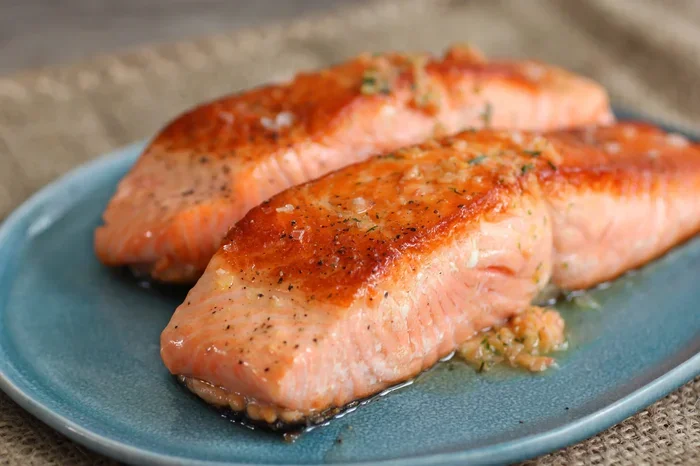
Visual guide about salmon fillets air fryer oven
Image source: static01.nyt.com
The first sign is color. Raw salmon looks translucent and deep pink. As it cooks, it turns lighter and more opaque. When the flesh changes color evenly through the thickest part, you are close. If the center still looks glossy and raw, it needs more time.
The second sign is texture. Press the fillet gently with a fork or finger. It should flake easily along the white lines of fat. If it feels firm and separates cleanly, it is ready. If it feels mushy or rubbery, adjust your timing next round.
The most accurate method is a quick temperature check. Insert a thermometer into the thickest part. You want 145 degrees Fahrenheit for fully cooked salmon. Some people prefer to pull it slightly earlier and let resting heat finish the job. That can help preserve a softer, juicier feel.
A simple doneness checklist:
- Color: Opaque and lighter pink, not translucent.
- Texture: Flakes easily with a fork.
- Temperature: 145 degrees at the thickest point.
- Juices: Clear, not cloudy or raw-looking.
If you are learning how long to cook salmon in an air fryer oven, do not rely on the timer alone. Use time as your guide, then confirm with look and feel. That combination gives you the best chance of perfect results every time.
Visual and Texture Cues
Visual cues are fast and helpful. As salmon cooks, the color moves from the outside toward the center. You will see the opaque pink spread through the fillet. When the center loses its raw shine, you are very close. That change is easy to spot if you check near the end.
Texture cues matter just as much. Salmon should be tender, not tough. A fork should slide in with little resistance. The flakes should separate cleanly, but the fish should still feel moist. If it crumbles too much, it may be overdone. If it resists flaking, it likely needs another minute.
One useful habit is to check early rather than late. It is easier to add a minute than to fix dry fish. If you are cooking several fillets, check the thickest one first. That one tells you whether the rest need more time.
Using a Meat Thermometer
A thermometer takes the guesswork out of the process. It is especially helpful when fillets vary in thickness. You can check the thickest part without cutting into the fish. That keeps the presentation nice and the juices inside.
For salmon, 145 degrees Fahrenheit is the standard safe temperature. Some cooks like to remove it at 140 degrees if they want a softer bite. The residual heat continues cooking for a short time after it comes out. Either approach can work if you are consistent.
A few thermometer tips:
- Insert into the thickest part: That is the last place to finish cooking.
- Avoid the pan or tray: Do not let the probe touch metal.
- Check one fillet first: Use that as your guide for the rest.
- Clean the probe after each use: Keep it ready for the next meal.
If you cook a lot of fish, a thermometer becomes one of your most useful tools. It helps you repeat success instead of hoping for it. That is exactly what you want when you are figuring out how long to cook salmon in an air fryer oven and trying to make it perfect each time.
Common Mistakes to Avoid
Even a simple recipe has a few traps. Salmon is forgiving, but a couple of small mistakes can affect texture and flavor. Once you know them, they are easy to avoid. Here are the most common ones and how to fix them.
Overcrowding the tray. If the fillets sit too close together, the air cannot move well. That leads to uneven cooking and softer spots where you want crispness. Give each piece room and cook in batches if needed.
Skipping the dry step. Wet salmon can steam instead of brown. A quick pat with paper towels removes surface moisture and helps the seasoning stick. It is a tiny step that improves the final texture.
Using too much oil. You only need a light coating. Heavy oil can make the surface greasy and may cause smoking at higher heat. A thin brush or drizzle is enough for a clean finish.
Ignoring thickness. Not all fillets are the same. A thin piece will cook faster than a thick one. If you treat them exactly the same, one may end up overdone. Sort pieces by size when you can.
Forgetting to check early. Salmon goes from perfect to dry quickly. If you wait until the timer ends without checking, you may miss the ideal window. Start checking a minute or two before the expected finish time.
A quick list of fixes:
- Give space: Cook in a single layer with gaps between pieces.
- Dry first: Pat fillets before seasoning.
- Light oil: Use just enough to help browning.
- Match timing to thickness: Adjust for thin and thick cuts.
- Check early: Look for opacity and flaking before the timer ends.
If you want more air fryer troubleshooting ideas, you can browse related guides like how to reheat french fries in an air fryer oven. Those tips show how small adjustments in timing and spacing can improve results in the same appliance.
Overcooking and Dryness
Dry salmon is the most common complaint. It usually happens when the fish stays in too long or the heat is too aggressive for the cut. The fix is simple: watch the clock, check the texture, and pull it when it flakes.
Another cause of dryness is cooking salmon straight from the fridge without adjusting timing. A cold center can make the outside wait too long before the inside finishes. If your fillet is very cold, give it a few extra minutes and check carefully.
To keep salmon juicy, remember these habits:
- Do not push past 145 degrees: That is the safe finish point.
- Check the thickest part first: It tells you when the whole fillet is done.
- Rest briefly: Two minutes helps the juices settle.
- Use a light glaze: A little oil or butter supports moisture.
Undercooking and Food Safety
Undercooked salmon can be unsafe if it has not reached the right temperature. It may also feel too soft for your taste. The easiest way to avoid this is to check the thickest part with a thermometer. When it hits 145 degrees Fahrenheit, you are in good shape.
If you prefer a softer texture, do not go too far below the safe range. A small rest after cooking can help without leaving the fish underdone. The goal is a balance: safe, tender, and flavorful.
Signs that salmon may need more time:
- Translucent center: The flesh still looks raw in the middle.
- Resistance when flaking: The fork does not move through easily.
- Cool spot in the thickest part: The center has not heated through.
Serving Ideas and Flavor Variations
Once you know how long to cook salmon in an air fryer oven, the fun part starts. You can serve it in so many easy ways. It works for quick lunches, easy dinners, and even meal prep. The flavor stays clean, so it pairs well with both simple and bold sides.
A classic plate is salmon with vegetables and a starch. Think asparagus, potatoes, rice, or a fresh salad. You can even cook some sides in the same air fryer oven if the timing fits. For example, frozen asparagus is an easy match for a fast weeknight meal. If you want a quick side idea, check how to cook frozen asparagus in an air fryer for a simple method that complements salmon nicely.
Here are a few serving ideas:
- Lemon butter salmon: Top with a little melted butter and lemon juice after cooking.
- Salmon bowl: Serve over rice with veggies and a light sauce.
- Taco style: Flake the fish and use it in fish tacos with slaw and sauce.
- Salad topper: Add warm salmon to greens for a fast protein boost.
You can also play with glazes after the cook. A drizzle of teriyaki, a spoon of salsa, or a squeeze of citrus can change the whole feel of the dish. Since the fish already cooks quickly, these finishing touches keep dinner moving without extra fuss.
Quick Sides That Pair Well
Good sides make salmon feel like a complete meal. You want something that balances the rich fish without taking over. Crisp vegetables, light starches, and fresh flavors all work well.
A few easy pairings:
- Roasted or air-fried asparagus: Simple, green, and fast.
- Baby potatoes: Crispy on the outside, soft inside.
- Rice or quinoa: A neutral base that soaks up flavor.
- Simple salad: Greens, cucumber, and a light vinaigrette.
If you like building full meals in the same appliance, you might also enjoy how to cook frozen lasagna in air fryer or how to reheat a burrito in air fryer. Those ideas show how flexible an air fryer oven can be when you want different textures and timing in one kitchen routine.
Meal Prep and Storage Tips
Salmon is a great meal prep protein if you handle it right. Cook it, let it cool, and store it in an airtight container. It usually keeps well in the fridge for a few days. You can flake it into salads, rice bowls, or wraps later in the week.
For best results, do not stack warm fish with other foods. Let it cool first so condensation does not make it soggy. When you reheat it, go gently. A short warm-up in the air fryer oven can bring it back to life without drying it out.
Storage tips to remember:
- Cool before sealing: Reduces moisture buildup.
- Use airtight containers: Helps keep flavor and texture.
- Reheat lightly: Short warm-up time is usually enough.
- Use within a few days: Freshness matters for fish.
Final Thoughts on Perfect Air Fryer Salmon
Cooking salmon does not have to be complicated. Once you learn how long to cook salmon in an air fryer oven, you have a fast, reliable way to make a healthy meal. For most fillets, 10 to 15 minutes at 400 degrees is the right starting point. From there, you adjust for thickness, fresh or frozen state, and the texture you want.
The best results come from simple habits. Dry the fish first. Use a light coating of oil. Leave space on the tray. Check early. Confirm with look, feel, and temperature. Those small steps make a big difference. They help you get juicy, flaky salmon without guessing.
As you practice, you will get faster and more confident. You will know when to check, when to flip, and when to pull the tray out. That is when air fryer salmon becomes one of those easy meals you make without thinking twice.
So the next time you want a quick dinner that feels polished, reach for salmon and your air fryer oven. Keep the timing simple, trust the signs, and enjoy the result. Perfect salmon is much closer than it seems.
Frequently Asked Questions
How long do I cook salmon in an air fryer oven at 400 degrees?
Most salmon fillets cook in 10 to 15 minutes at 400 degrees, depending on thickness. Check the thickest part near the end so you do not overcook it.
How do I know when salmon is done in the air fryer oven?
Salmon is done when it turns opaque, flakes easily with a fork, and reaches 145 degrees Fahrenheit at the thickest part. A quick visual check near the end helps a lot.
Can I cook frozen salmon in an air fryer oven?
Yes, you can cook frozen salmon directly, but it needs more time. Aim for about 14 to 18 minutes at 400 degrees and flip it halfway through for even results.
Should I preheat the air fryer oven before cooking salmon?
Preheating is a good idea because it gives you a more accurate cook time. A short preheat of 2 to 4 minutes helps the salmon start cooking right away.
Do I need oil when cooking salmon in an air fryer oven?
A light coating of oil helps seasoning stick and supports browning, but you do not need much. A small drizzle or brush is usually enough for a clean, tasty finish.
What temperature is best for air fryer salmon?
400 degrees Fahrenheit is the most common choice because it balances speed and texture well. Thicker fillets can work at 375 degrees if you want a gentler cook.