
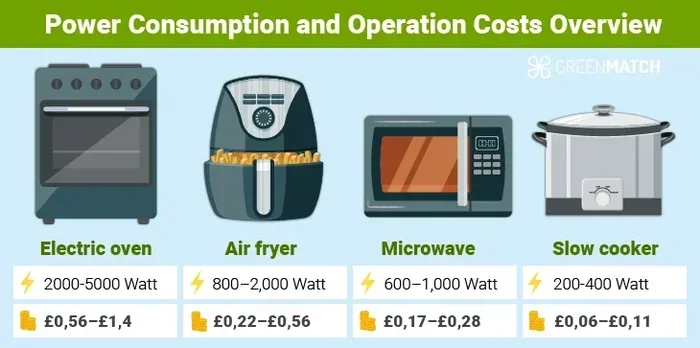
If you are asking what uses less electricity oven or air fryer, the answer is clear. Small countertop appliances usually win on power use. They heat faster and waste less energy. You can cook the same foods for less money. This guide breaks down the real numbers so you can choose wisely.
Cooking at home should be simple and affordable. Many people ask the same question every week. What uses less electricity oven or air fryer is a smart question. It touches your wallet and your daily routine. The good news is that the answer is fairly straightforward once you look at how each appliance works.
Small countertop machines usually beat full-size ovens on energy use. They warm up fast. They hold heat well. They also cook smaller portions quickly. That said, a regular oven still shines for big dinners and large baking projects. The right choice depends on what you cook and how much you cook.
Below, we will walk through the real differences. We will look at wattage, heat loss, cook times, and simple habits that cut costs. You will also find quick tips, common mistakes, and expert insights to help you decide. Let us start with the basics.
Key Takeaways
- Air fryers use less power: They heat a small space quickly and cook food faster than a full oven.
- Ovens suit large meals: Big baking jobs and multiple trays still work best in a standard oven.
- Cooking time matters most: Shorter cook times often save more electricity than lower wattage alone.
- Batch cooking helps: Filling the basket or tray fully cuts energy use per serving.
- Size and insulation count: Well-sealed appliances lose less heat and run more efficiently.
- Preheating is optional: Many air fryer recipes skip long preheat steps to save power.
- Check your local rates: Your electricity cost per kilowatt hour changes the total savings.
📑 Table of Contents
- How an Air Fryer Uses Electricity
- How a Standard Oven Uses Electricity
- Energy Use Comparison: Wattage, Time, and Heat Loss
- Cost to Run: Simple Math You Can Use
- When to Choose Which Appliance
- Tips to Lower Kitchen Electricity Use
- Quick Answers to Common Questions
- Final Thoughts on What Uses Less Electricity Oven or Air Fryer
How an Air Fryer Uses Electricity
An air fryer is a compact convection machine. It uses a strong fan and a small heating element. The fan moves hot air around the food. This fast airflow browns the outside and cooks the inside quickly. Because the cooking chamber is small, the machine does not waste much energy heating empty space.
Most home models draw between 1,400 and 1,800 watts while running. That sounds high, but the machine often finishes the job in less time. A frozen snack or a small batch of vegetables may cook in 10 to 20 minutes. Less time means less total power used. The result is often a lower bill for everyday meals.
The design also helps. Many units have a tight basket or tray. That shape keeps heat focused on the food. You also get less heat escaping into your kitchen. In warm months, that matters. Your home stays cooler, so your air conditioner does not work as hard.
Key features that affect power use
- Strong fan circulation: Moves heat evenly and cuts cook time.
- Small chamber: Heats faster and loses less energy.
- Quick preheat: Many foods need little or no long warm-up.
- Basket style: Holds heat close to the food for better results.
Quick Tip: Fill the basket without crowding it. Good airflow cooks faster and uses less power per serving.
How a Standard Oven Uses Electricity
A full-size oven is built for volume and versatility. It has a larger heating space and thicker walls. That design is great for casseroles, big roasts, and multiple trays. It is less efficient for small portions. The oven must heat a much larger cavity before the food cooks well.
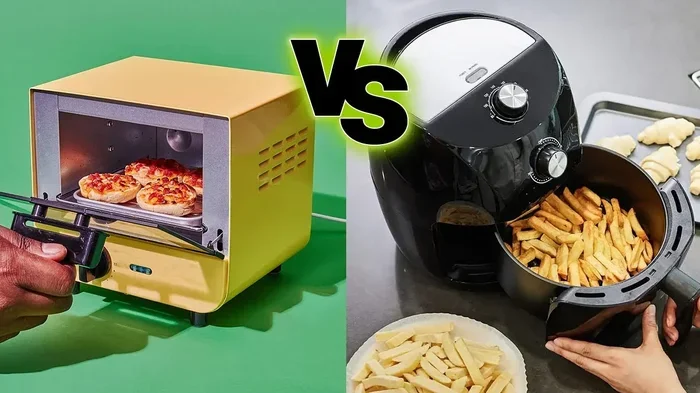
Visual guide about air fryer vs oven electricity
Image source: i.ytimg.com
Electric ovens often draw 2,000 to 5,000 watts while operating. The exact number depends on the model, the temperature, and whether the door stays closed. Bigger ovens usually use more power. They also take longer to reach temperature. If you only bake a single tray of cookies, the oven may run far longer than needed.
Heat loss is another factor. Every time you open the door, hot air escapes. The machine then works harder to recover the temperature. Poor insulation can make this worse. Older units may leak more heat than newer ones. That extra work adds up on your bill.
When the oven makes more sense
- Large families: Big meals need the extra space.
- Multi-rack baking: Several sheets cook at once.
- Slow roasting: Large cuts of meat benefit from steady heat.
- One-pan dinners: A big dish may fit better in a full oven.
Common Mistake: Preheating for too long or opening the door often. Both habits waste energy and extend the run time.
Energy Use Comparison: Wattage, Time, and Heat Loss
People often look only at wattage and stop there. That is a mistake. Wattage tells you how much power the machine draws while it runs. Total energy use depends on wattage times time. A lower-watt machine that runs for a long time can use more electricity than a higher-watt machine that finishes fast.
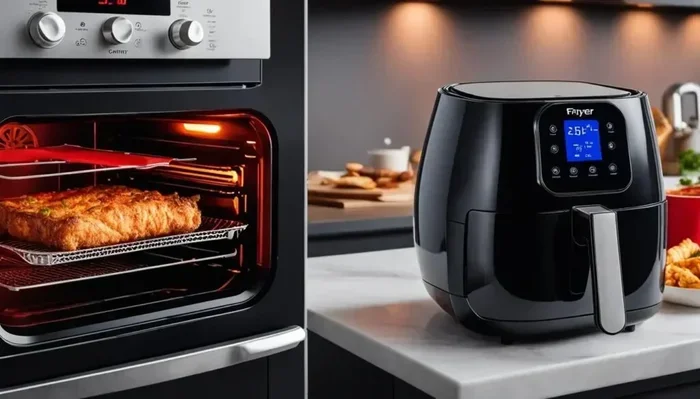
Visual guide about air fryer vs oven electricity
Image source: airfryeraid.com
Here is a simple way to think about it. If a small appliance cooks a meal in 15 minutes, it may use less total power than a big oven that runs for 45 minutes. The shorter cycle often wins. Heat loss also plays a role. A compact chamber loses less heat than a large cavity. That means less energy spent on warming the room around the food.
Let us compare the two in a clear way. The table below shows general patterns, not exact numbers for every model. Your real results will vary by brand, size, and recipe.
| Factor | Air Fryer | Standard Oven |
|---|---|---|
| Typical wattage range | 1,400 to 1,800 watts | 2,000 to 5,000 watts |
| Chamber size | Small and compact | Large and spacious |
| Heat-up speed | Fast | Slower |
| Heat loss | Lower | Higher, especially with door openings |
| Best for | Small batches and quick meals | Large meals and big baking jobs |
| Energy per small portion | Usually lower | Usually higher |
Why time often matters more than wattage
Total energy is the real number that hits your bill. A machine that pulls more watts for a short time can still use less electricity overall. That is why quick meals often favor the compact appliance. A pizza snack, a batch of wings, or a few salmon fillets can be done fast. The oven would need more time to heat up and cook the same items.
On the other hand, a large roast or a full tray of lasagna may take a long time in either machine. In that case, the gap narrows. The oven may still use more power, but the difference is smaller when both machines run for a long time. The key is to match the tool to the task.
Expert Insight: Think in terms of total run time, not just the label on the box. Shorter cycles usually save more electricity than lower wattage alone.
Cost to Run: Simple Math You Can Use
You can estimate your own costs with a simple formula. First, find the wattage. Next, multiply by the hours used. Then divide by 1,000 to get kilowatt hours. Finally, multiply by your local electricity rate. That gives you a rough cost for one cooking session.
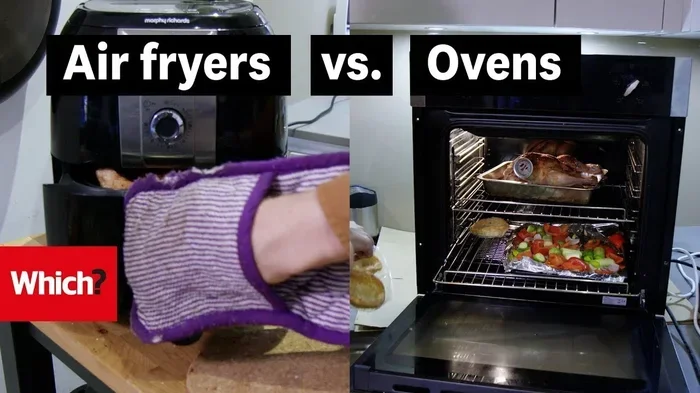
Visual guide about air fryer vs oven electricity
Image source: i.ytimg.com
For example, a 1,600-watt machine that runs for 0.25 hours uses about 0.4 kilowatt hours. If your rate is 15 cents per kilowatt hour, that session costs about 6 cents. A 3,000-watt oven that runs for 0.75 hours uses about 2.25 kilowatt hours. At the same rate, that session costs about 34 cents. These are rough figures, but they show the pattern clearly.
Your actual rate matters a lot. Some regions pay more, some pay less. Time-of-use plans can also change the math. If you cook during peak hours, the cost rises. If you cook during off-peak hours, the cost drops. The appliance choice still matters, but your local plan changes the final number.
Simple steps to estimate your cost
- Check the label: Find the wattage on the unit or in the manual.
- Estimate the time: Use your normal cook time in hours.
- Calculate kilowatt hours: Multiply watts by hours, then divide by 1,000.
- Apply your rate: Multiply kilowatt hours by your electricity price.
Quick Tip: Keep a small note on your phone with your rate per kilowatt hour. It makes these quick calculations much easier.
When to Choose Which Appliance
The best choice depends on the meal and the portion size. For quick lunches, snacks, and small dinners, the compact machine is often the better pick. It heats fast, cooks evenly, and uses less total energy for small jobs. For holiday meals, big bakes, and large roasts, the full oven still makes more sense. It holds more food and handles bigger dishes with ease.
Think about your routine. If you cook for one or two people most nights, the smaller appliance will likely save money. If you feed a family of five or batch-cook on weekends, the oven may be the practical center of the kitchen. You can even use both. Start quick items in the compact machine and use the oven for the heavy lifting.
Capacity is another key point. A small basket limits how much you can cook at once. If you need to feed several people, you may need two rounds. That can add time and energy. In those cases, the oven may be more efficient because it handles more food in one cycle. Match the tool to the amount of food, not just the type of food.
Smart habits that cut energy use
- Cook in batches: Fill the space well without blocking airflow.
- Skip long preheats: Many recipes do not need a long warm-up.
- Keep the door closed: Every peek loses heat and adds run time.
- Use the right temperature: Higher heat is not always better.
- Clean regularly: Grease and crumbs can affect airflow and performance.
Common Mistake: Running the compact machine empty or with tiny portions. That wastes the same heat on less food, which raises energy use per serving.
Tips to Lower Kitchen Electricity Use
You can save more by changing a few habits. Small adjustments add up over a month. The goal is simple: cook well, waste less, and keep heat where it belongs. Here are practical moves that work in most homes.
First, plan your cooking. Group items that need similar temperatures. That way, you run fewer cycles. Second, use lids and covers when the recipe allows. They trap heat and speed up cooking. Third, avoid overcooking. Extra minutes waste power and hurt texture. A timer helps a lot.
Fourth, maintain your appliances. Clean filters, baskets, and trays often. Good airflow improves performance. Fifth, check insulation and seals on the oven door. If heat leaks out, the machine works harder. A quick check can reveal problems early.
More ways to trim the bill
- Thaw food first: Frozen items take longer and use more power.
- Cut food evenly: Uniform pieces cook at the same rate.
- Use residual heat: Turn the machine off a minute or two early for some foods.
- Cook during cooler hours: Less kitchen heat can ease cooling needs.
- Match pot size to burner: For stovetop tasks, the right fit saves energy too.
Expert Insight: The most efficient meal is the one you plan well. Good prep and smart timing often save more than any single gadget.
Quick Answers to Common Questions
Many readers want a fast rule of thumb. Here are a few plain answers to help you decide. These points work for most homes, though your exact results will vary by model and recipe.
If you cook small portions most days, the compact machine is usually the better pick. If you cook large meals or bake several trays at once, the oven may be the better tool. The biggest savings come from matching the appliance to the job and keeping run times short.
You can also mix both into your routine. Use the compact machine for quick snacks and weeknight sides. Use the oven for family dinners and big bakes. That balanced approach gives you speed, space, and better energy use across the week.
Key Takeaways
- Small countertop machines often use less electricity for small meals.
- Total energy depends on wattage and run time, not wattage alone.
- Big ovens still win for large portions and multi-tray baking.
- Good habits like batch cooking and shorter preheats cut costs.
- Your local electricity rate changes the final savings.
Final Thoughts on What Uses Less Electricity Oven or Air Fryer
So, what uses less electricity oven or air fryer? For most small meals, the compact countertop machine is the more efficient choice. It heats fast, loses less heat, and finishes quickly. For big meals and large baking jobs, the standard oven remains the better tool. The smartest approach is to match the appliance to the task and keep your habits efficient.
Start by looking at your normal routine. If you often cook for one or two people, you will likely see the biggest savings with the smaller machine. If you regularly cook for a crowd, keep the oven in the center of your plan. Either way, simple habits like batch cooking, shorter preheats, and fewer door openings will help your bill.
Use the quick math above to estimate your own costs. Check your wattage, track your time, and apply your local rate. Then choose the tool that fits the meal. With a little planning, you can cook great food and keep your kitchen energy use under control.



