Keeping your kitchen appliances spotless is key to great food and long-lasting gear. When you wonder what to use to clean air fryer oven surfaces, safe and effective solutions matter most. This guide shares simple methods to remove grease without damaging your machine. You will learn the best tools and habits for a sparkling clean cooking space.
Keeping your kitchen gear in top shape is essential for delicious meals and a healthy home. When you cook crispy fries or golden chicken, grease and crumbs can build up quickly. Knowing what to use to clean air fryer oven components ensures you do not damage sensitive parts. A clean machine also helps your food taste better by avoiding old oil smells.
Many people worry about using the wrong chemicals or scrubbing too hard. You do not need expensive products to get great results. Simple household items often work wonders on stuck-on food and grease. This guide will walk you through safe methods and smart habits. You will learn how to maintain your appliance easily.
Key Takeaways
- Safe Cleaning Agents: Mild dish soap and warm water work best for most interior parts without causing damage.
- Non-Abrasive Tools: Use soft sponges or microfiber cloths to avoid scratching the non-stick coatings on trays and baskets.
- Regular Maintenance: Wiping down the interior after every few uses prevents heavy grease buildup and makes deep cleaning easier.
- Avoid Harsh Chemicals: Steer clear of bleach or abrasive cleaners that can degrade materials and leave harmful residues.
- Cool Down First: Always let the appliance cool completely before cleaning to prevent burns and warping of parts.
- Check Manufacturer Guidelines: Refer to your specific model’s manual for approved cleaning methods and dishwasher-safe components.
- Vinegar Solution: A mix of water and white vinegar helps cut through stubborn grease and neutralizes odors naturally.
📑 Table of Contents
- Why Regular Cleaning Matters for Your Appliance
- What to Use to Clean Air Fryer Oven Safely
- Step-by-Step Cleaning Process
- Tools and Accessories for Easy Maintenance
- Common Mistakes to Avoid When Cleaning
- Expert Tips for a Spotless Kitchen Appliance
- Quick Tips for Maintenance
- Common Mistakes to Avoid
- Key Takeaways
Why Regular Cleaning Matters for Your Appliance
Cleaning your cooking appliance regularly keeps it working well for years. Grease buildup can affect how heat circulates inside the chamber. This might lead to uneven cooking or soggy results. Also, old oil can go rancid and create bad odors. Nobody wants their fresh food to taste like yesterday’s fries.
Hygiene is another big reason to stay on top of cleaning. Food particles can attract pests or grow bacteria if left too long. A clean surface ensures your meals are safe to eat. Plus, a shiny appliance looks great in your kitchen. It shows you care about your tools and your cooking space.
Preventing Grease Buildup
Grease is the main enemy of any frying appliance. It sticks to walls, trays, and heating elements. If you ignore it, layers build up over time. This makes cleaning much harder later. Wiping down surfaces after each use stops this problem. A quick wipe takes only a minute but saves you hours of scrubbing later.
Extending the Lifespan of Your Machine
Appliances are an investment. Treating them well helps them last longer. Harsh scrubbing or wrong chemicals can wear down non-stick coatings. Once the coating is gone, food sticks more and cleaning becomes a chore. Gentle care keeps the surfaces smooth. This means your machine stays efficient and looks new longer.
What to Use to Clean Air Fryer Oven Safely
Choosing the right cleaning supplies is the first step. You want items that cut grease but do not scratch. Many owners ask what to use to clean air fryer oven parts without causing harm. The answer is usually simple and gentle. Avoid anything abrasive or highly chemical.

Visual guide about clean air fryer oven kitchen
Image source: hiro-baseball.com
Here are the best options for safe cleaning:
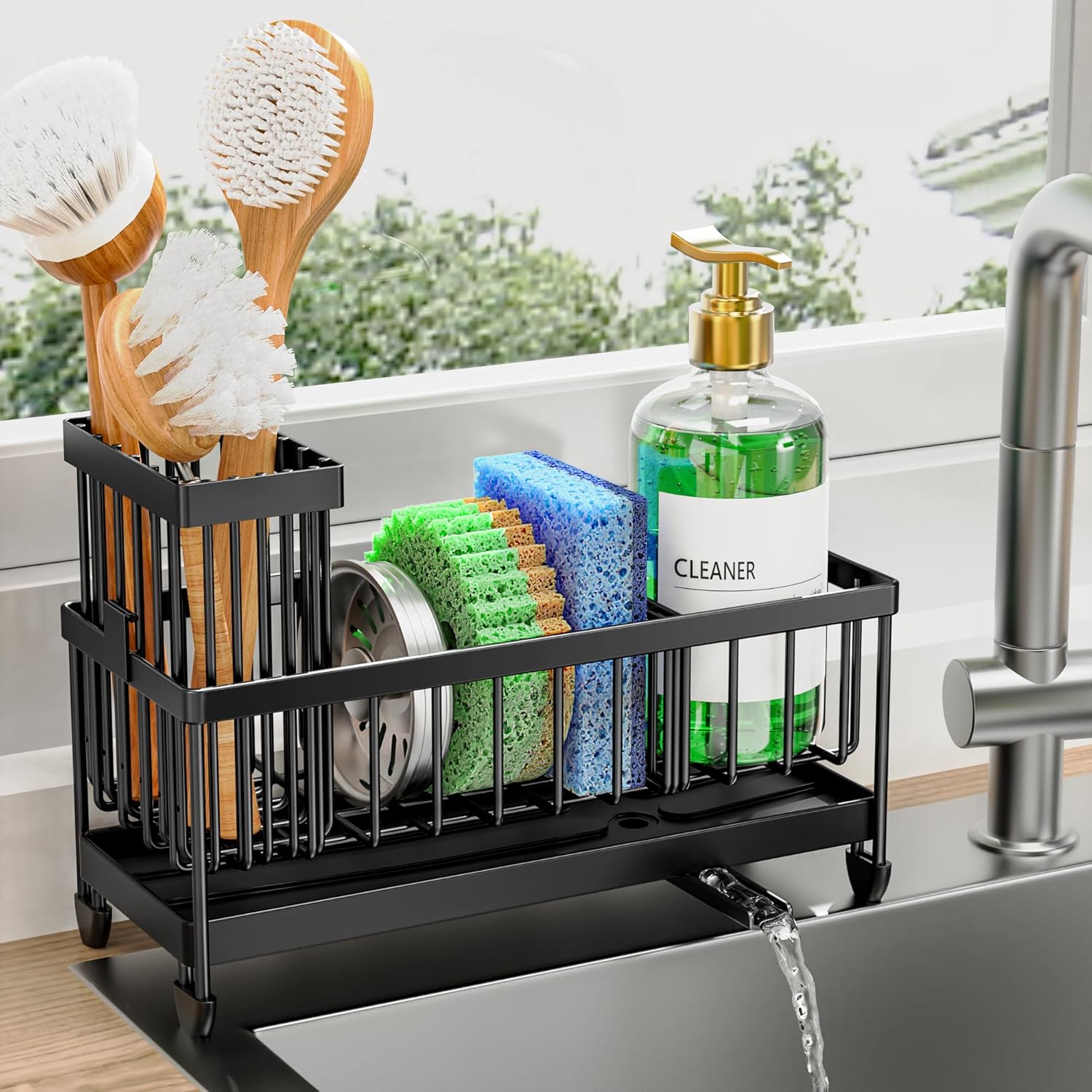
- Warm Water: Great for loosening fresh grease and crumbs.
- Mild Dish Soap: Cuts through oil without leaving harsh residues.
- White Vinegar: Natural deodorizer and grease cutter.
- Baking Soda: Gentle abrasive for stubborn spots.
- Microfiber Cloths: Soft and effective for wiping surfaces.
- Soft Sponges: Safe for non-stick trays and baskets.
The Power of Mild Dish Soap
Dish soap is a kitchen staple for a reason. It breaks down oils effectively. Mix a few drops with warm water in a sink or bowl. Dip a soft cloth or sponge into the solution. Wipe down removable parts like the basket or tray. Rinse well to remove any soap taste. This method is safe for most materials.
White Vinegar for Stubborn Grease
Vinegar is a natural cleaner that works wonders. It helps dissolve sticky grease and neutralizes odors. Mix equal parts water and white vinegar in a spray bottle. Spray the interior walls and let it sit for a few minutes. Then wipe clean with a damp cloth. This is a great option if you want to avoid soap residue.
Baking Soda Paste for Tough Stains
Sometimes grease hardens into tough stains. Baking soda acts as a gentle scrubber. Make a paste by mixing baking soda with a little water. Apply it to the stained area. Let it sit for ten minutes. Then scrub gently with a soft sponge. Rinse thoroughly. This lifts grime without scratching the surface.
Step-by-Step Cleaning Process
Having a routine makes cleaning easy. You do not need to deep clean after every meal. A quick wipe is often enough. But a thorough clean once a week keeps things fresh. Follow these steps to get the best results.

Visual guide about clean air fryer oven kitchen
Image source: hiro-baseball.com
Cool Down and Unplug
Safety comes first. Always let the appliance cool completely. Hot surfaces can burn your hands. Also, unplug the unit before cleaning. This prevents any electrical issues. Never spray water directly into the machine while it is plugged in. Wait until it is cool to the touch.
Remove and Wash Removable Parts
Take out the basket, tray, and any racks. These parts often hold the most grease. Wash them in warm soapy water. Use a soft sponge to scrub gently. If your model allows, check if these parts are dishwasher safe. Many are, which makes life even easier. Dry them completely before putting them back.
Wipe the Interior Chamber
Use a damp cloth or sponge for the inside walls. Dip it in your soapy water or vinegar solution. Wipe down all surfaces carefully. Avoid touching the heating elements directly. They are delicate and can break. If food is stuck near the elements, use a dry soft brush to loosen it. Then wipe away the debris.
Clean the Exterior and Controls
Do not forget the outside. Use a damp cloth to wipe the exterior shell. For stainless steel models, a dedicated stainless cleaner can restore shine. Be careful around the control panel. Excess moisture can damage electronics. Wipe the buttons and display gently with a slightly damp cloth. Dry immediately.
Tools and Accessories for Easy Maintenance
Using the right tools makes the job faster. Some accessories are designed specifically for these appliances. They help you reach tight spots and protect coatings. Investing in a few good items saves time and effort.

Visual guide about clean air fryer oven kitchen
Image source: soukenkyujo.co.jp
Best Sponges and Cloths
Soft sponges are your best friend. Avoid steel wool or harsh scouring pads. They scratch non-stick surfaces. Microfiber cloths are excellent for drying and polishing. They trap dust and grease well. Keep a set of dedicated cloths for kitchen cleaning. This keeps your tools hygienic.
Specialized Cleaning Brushes
Small brushes help clean hard-to-reach areas. A soft-bristled brush can clean around the heating element guard. Some kits come with custom brushes for these appliances. They are shaped to fit the interior contours. This ensures you clean every corner without damage.
Dishwasher-Safe Parts
Check your manual to see which parts can go in the dishwasher. This saves a lot of hand washing. Baskets and trays are often dishwasher safe. Place them on the top rack to avoid high heat. This is a convenient way to keep parts clean. Just make sure they are dry before reassembling.
Common Mistakes to Avoid When Cleaning
Even with good intentions, mistakes happen. Some habits can damage your appliance or leave it unsafe. Knowing these pitfalls helps you clean better. Avoid these common errors to keep your machine in great shape.
Using Harsh Chemicals
Bleach and strong oven cleaners are too harsh. They can degrade coatings and leave toxic residues. Food cooks directly in this chamber. You do not want chemicals touching your meals. Stick to mild soap, vinegar, or baking soda. These are safe and effective.
Scrubbing Too Hard
Aggressive scrubbing harms non-stick layers. Once the coating is damaged, food sticks more. This makes cleaning harder in the future. Use gentle pressure and soft tools. Let the cleaning solution do the work. Soak tough spots instead of forcing them off.
Ignoring the Heating Elements
The heating elements are fragile. Do not scrub them with a wet sponge. Water can damage them or cause electrical issues. Use a dry soft brush to remove dust or crumbs. If you must clean them, ensure the unit is unplugged and completely dry before using again.
Not Drying Parts Fully
Moisture leads to rust and mold. Always dry removable parts completely. Wipe the interior dry with a cloth. Leave the door open for a while to air out. This prevents musty smells and keeps the appliance fresh. A dry machine is a healthy machine.
Expert Tips for a Spotless Kitchen Appliance
Pros have tricks to make cleaning effortless. These tips help you maintain your appliance with less effort. Incorporate these habits into your routine. They keep your kitchen running smoothly.
Line the Basket for Easy Cleanup
Using parchment paper or liners can save time. You can place food on a liner instead of directly in the basket. This catches crumbs and grease. After cooking, you can throw away the liner. Just wipe the basket quickly. This reduces deep cleaning frequency. Make sure the liner is safe for high heat.
Wipe After Every Few Uses
Do not wait for a big buildup. Wipe the interior after every two or three uses. A quick pass with a damp cloth removes fresh grease. This prevents it from hardening. It takes only a minute. Your deep clean will be much easier later.
Deodorize Naturally
Sometimes odors linger. Baking soda helps here too. Place an open box of baking soda inside when not in use. It absorbs smells. You can also wipe with vinegar to freshen up. This keeps your kitchen smelling clean. It is a simple trick with great results.
Check the Manual Regularly
Every model is slightly different. Some have special coatings or parts. Refer to your user manual for specific advice. It tells you what is dishwasher safe. It also warns against certain cleaners. Following the maker’s advice protects your warranty. It ensures you use the right methods.
Quick Tips for Maintenance
- Cool Completely: Never clean a hot appliance.
- Soft Tools Only: Protect non-stick surfaces with gentle sponges.
- Vinegar Spray: Use for natural grease cutting and odor removal.
- Dry Thoroughly: Prevent rust and mold by drying all parts.
- Regular Wipes: Quick clean after a few uses prevents heavy buildup.
Common Mistakes to Avoid
- Harsh Chemicals: Avoid bleach and strong oven cleaners.
- Abrasive Scrubbers: Steel wool damages coatings quickly.
- Wet Heating Elements: Keep water away from electrical parts.
- Skipping Drying: Moisture causes rust and bad smells.
- Ignoring Manual: Always check manufacturer guidelines for safety.
Key Takeaways
- Gentle Cleaners: Use mild soap, vinegar, or baking soda for safe cleaning.
- Soft Tools: Microfiber cloths and soft sponges protect non-stick surfaces.
- Routine Care: Wipe down after a few uses to prevent hard-to-remove grease.
- Safety First: Always unplug and cool the appliance before cleaning.
- Dry Everything: Ensure all parts are dry to prevent rust and odors.
- Check Manual: Follow manufacturer instructions for specific care needs.
- Natural Deodorizing: Use baking soda or vinegar to keep smells fresh.
Maintaining your appliance is simple when you know the right methods. Using safe cleaners and gentle tools keeps everything in top condition. You do not need to struggle with stubborn grime. A little regular care goes a long way. Your food will taste better, and your kitchen will look great. Start with these simple steps today. Your appliance will thank you with years of reliable service.
Frequently Asked Questions
Can I use oven cleaner on my air fryer oven?
No, you should avoid harsh oven cleaners as they can damage non-stick coatings and leave toxic residues. Stick to mild dish soap, vinegar, or baking soda for safe and effective cleaning.
Is it safe to put air fryer oven parts in the dishwasher?
Many removable parts like baskets and trays are dishwasher safe, but you should check your user manual first. Place them on the top rack to avoid excessive heat that might warp the plastic or coating.
How often should I deep clean my air fryer oven?
A deep clean once a week is ideal for regular use, but a quick wipe after every few uses prevents heavy buildup. This routine keeps grease from hardening and makes the deep clean much easier.
What is the best way to remove stubborn grease?
A paste of baking soda and water works well for tough spots. Apply it, let it sit for ten minutes, then gently scrub with a soft sponge and rinse thoroughly.
Can I clean the heating elements?
You should clean heating elements carefully with a dry soft brush to remove crumbs. Avoid using wet sponges or sprays directly on them to prevent damage and electrical issues.
How do I get rid of bad odors from my appliance?
Wiping the interior with a vinegar solution helps neutralize smells naturally. You can also leave an open box of baking soda inside when not in use to absorb lingering odors.