Traveling with a pressure cooker is possible, but it requires careful planning. You need to know airline rules and TSA guidelines before you fly. How to pack pressure cooker for air travel depends on whether it is empty or full. Always check your specific airline policy first. This guide will help you avoid delays at security.
Traveling opens up new worlds. You get to taste new foods and explore new cultures. Sometimes, you want to bring a piece of home with you. Maybe you love cooking specific meals. Or perhaps you need your trusted kitchen tool for a trip. This brings us to a common question. How to pack pressure cooker for air travel is a tricky topic. Many people love their pressure cookers. They make cooking fast and easy. But flying with one is not simple.
Airlines have strict rules. Security checkpoints look for dangerous items. A pressure cooker is metal and heavy. It might look suspicious on an X-ray. You do not want to hold up the line. You also do not want to damage your cooker. Broken parts mean you cannot cook when you arrive. This guide will walk you through everything. We will cover rules, packing methods, and safety tips. You will learn how to fly with confidence.
Key Takeaways
- Check Airline Rules: Each airline has different policies on cookware.
- Empty the Cooker: Never fly with food or liquid inside the pot.
- Secure the Lid: Lock the lid or wrap it separately to prevent damage.
- Protect the Valve: The pressure valve is delicate and needs extra care.
- Use Padding: Wrap the cooker in clothes or bubble wrap for safety.
- Carry-On vs Checked: Large cookers usually must go in checked luggage.
- Know the Material: Stainless steel is heavier than aluminum or ceramic.
📑 Table of Contents
Understanding Airline Policies for Cookware
Before you pack anything, you must know the rules. Every airline is different. Some are strict about weight. Others care about size. A pressure cooker is bulky. It takes up space in your luggage. This matters for carry-on bags. Most airlines limit carry-on size. A large cooker will not fit. You might have to check it.
Checked bags have weight limits too. Stainless steel cookers are heavy. If you exceed the limit, you pay fees. This can be expensive. It is often cheaper to buy a new one at your destination. But if you must bring yours, plan ahead. Check the airline website. Look for their baggage policy. Search for terms like “cookware” or “metal items.” There is usually no ban on pots. But the size matters.
Carry-On vs. Checked Luggage
Deciding where to put your cooker is key. Carry-on bags stay with you. This reduces the risk of loss. But space is tight. A small cooker might fit. A large one will not. Security might also question it. They may want to inspect it. This takes time. You could miss your flight if you are not careful.
Checked luggage is more spacious. You can wrap the cooker well. It will not move around as much. But it goes in the cargo hold. Temperatures vary there. Pressure changes too. A sealed cooker could be at risk. Always ensure the cooker is open. Do not lock it shut. This prevents pressure buildup during the flight.
Here is a quick comparison to help you decide.
| Feature | Carry-On Bag | Checked Luggage |
|---|---|---|
| Space | Limited | Ample |
| Security Check | Likely Inspection | Less Likely |
| Risk of Damage | Higher (Handling) | Lower (Wrapped) |
| Weight Limits | Strict | Higher Allowance |
| Best For | Small, Lightweight Cookers | Large, Heavy Cookers |
How to Pack Pressure Cooker for Air Travel Safely
Packing is the most important step. You need to protect the cooker. You also need to protect your other items. A loose pot can dent your clothes. It can even break other things. The goal is to keep it stable. Here is the best way to do it.
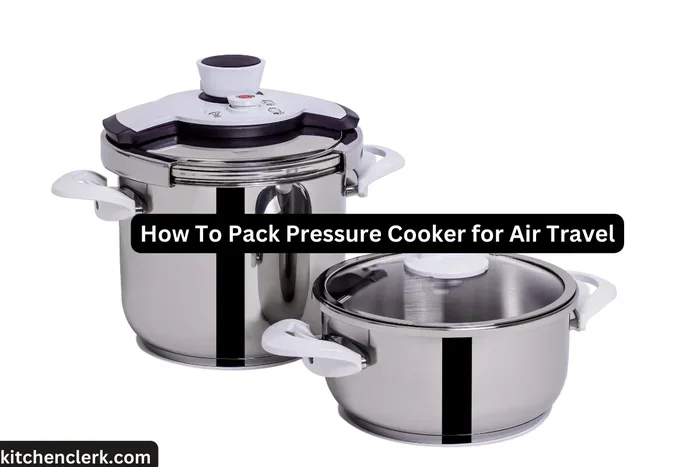
Visual guide about packed pressure cooker luggage
Image source: kitchenclerk.com
First, clean the cooker thoroughly. Remove all food residue. Smells can attract pests. They can also bother other passengers. Let it dry completely. Moisture can cause rust or mold. Once clean, disassemble the parts. Take off the lid. Remove the pressure valve. Take out the sealing ring. Packing them separately is safer.
Wrapping and Padding Techniques
Use soft items for padding. Clothes are great for this. Roll up socks or t-shirts. Place them inside the pot. This fills empty space. It stops the pot from collapsing. Then wrap the outside. Use bubble wrap if you have it. Thick towels work well too. Wrap the lid separately. Do not let it bang against the pot.
Secure the parts in a bag. A plastic bag keeps small parts together. Put the valve and ring inside. Label the bag clearly. You do not want to lose the small pieces. Tape the bag to the inside of your suitcase. Or place it in a pocket. This keeps everything together. If you use a box, fill the gaps. Cardboard works well for structure.
Here are some quick packing tips:
- Use Clothing: Wrap the cooker in thick sweaters or jeans.
- Vacuum Bags: Compress clothes around the cooker to save space.
- Cardboard Dividers: Use cardboard to keep the lid from shifting.
- Label Clearly: Mark the bag as “Kitchen Tool” for easy identification.
- Check Weight: Weigh your bag before leaving home to avoid fees.
TSA Guidelines and Security Checks
In the United States, the TSA handles security. They have rules about metal objects. A pressure cooker is mostly metal. It will show up on the scanner. This often triggers a manual inspection. An agent will open your bag. They will look inside. This is normal. Do not panic. Just be polite and cooperative.
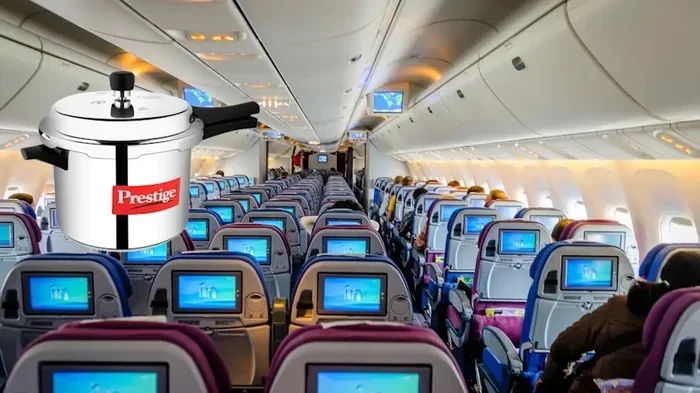
Visual guide about packed pressure cooker luggage
Image source: blogger.googleusercontent.com
There are no specific bans on pressure cookers. But they must be empty. You cannot bring food through security. Liquids are also restricted. If you have sauce or broth, it must follow liquid rules. Usually, it is better to buy food at your destination. This saves space and hassle. Empty cookers are fine for travel.
Dealing with Security Inspections
If your bag is selected, stay calm. The agent might ask what the item is. Tell them it is a cooking pot. They might swab it for explosives. This is standard procedure. They check for trace amounts of chemicals. Your cooker is safe. It is just metal and rubber. Allow extra time at the airport. Arrive early if you know you have bulky items.
Sometimes, the shape looks odd on the X-ray. The agent might not recognize it. They might need to open the bag to see. This is why packing clearly helps. If parts are loose, it looks messy. If they are bagged and labeled, it looks organized. Organization speeds up the process. It helps the agent understand quickly.
Shipping vs. Flying with Your Cooker
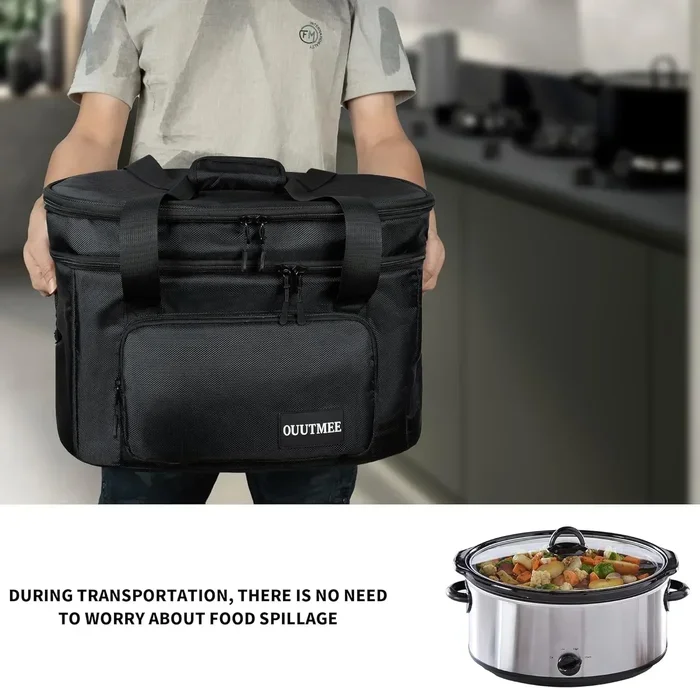
Sometimes flying is not the best option. Shipping might be easier. You can send the cooker ahead. Use a reliable courier service. Pack it well in a box. This avoids airport security entirely. You do not have to worry about weight limits. You also do not need to carry it around.
Visual guide about packed pressure cooker luggage
Image source: cookingapplianceworld.com
But shipping takes time. You need to plan weeks in advance. It can also be costly. Compare the shipping cost to baggage fees. Sometimes the fees are similar. If you are going for a long trip, shipping makes sense. If it is a short trip, flying is better. Think about your specific situation.
Consider these factors when choosing:
- Time: Do you have time to ship weeks ahead?
- Cost: Is shipping cheaper than extra baggage fees?
- Convenience: Do you want to carry it or have it waiting?
- Risk: Is shipping safer than checking a bag?
Important Safety Tips for Travel
Safety is paramount. A pressure cooker is designed for high pressure. Air travel involves pressure changes. The cargo hold has lower pressure than sea level. This does not usually affect the cooker. But you must ensure it is not sealed. Never lock the lid before flying. The pressure difference could damage the seal. It could even warp the metal.
Protect the rubber ring. Heat and pressure changes can degrade rubber. Keep the ring in a cool, dry place. Do not leave it in a hot car. When you arrive, inspect the ring. If it looks cracked, replace it. A damaged ring causes leaks. This makes the cooker unsafe to use. Check the valves too. Ensure they move freely.
If you plan to cook upon arrival, test it first. Use water to check for leaks. Do this before you cook food. Safety comes first. You do not want an accident in a new kitchen. Also, check the voltage if you are using an electric cooker. Different countries have different plugs. You might need an adapter.
Common Mistakes to Avoid
Many people make simple errors. These errors cause stress. Avoid these common mistakes to have a smooth trip.
One mistake is forgetting to empty the cooker. Food left inside spoils. It smells bad. It attracts bugs. Always clean it before packing. Another mistake is locking the lid. As mentioned, this is dangerous. The pressure changes in the plane can cause issues. Keep it open.
People also forget to protect the handle. Handles can snap off if bent. Wrap the handle well. Support it with padding. Do not let it hang loose. Finally, do not ignore weight limits. Weigh your bag at home. Buy a cheap luggage scale. It saves money at the airport.
- Forgetting to Clean: Old food causes smells and pests.
- Locking the Lid: Pressure changes can damage a sealed pot.
- Ignoring Weight: Heavy cookers lead to expensive fees.
- Poor Padding: Loose items get damaged in transit.
- Missing Parts: Small valves get lost easily without a bag.
Conclusion
Traveling with kitchen gear takes effort. But it is possible with the right steps. How to pack pressure cooker for air travel comes down to preparation. Know the rules. Pack it safely. Protect the parts. By following these tips, you can bring your favorite tool. You will be ready to cook delicious meals anywhere. Safe travels and happy cooking.
Frequently Asked Questions
Can I bring a pressure cooker in my carry-on bag?
Yes, you can bring an empty pressure cooker in your carry-on. However, it must fit within size limits. Security may inspect it due to the metal content.
Do I need to empty the pressure cooker before flying?
Yes, you must empty the cooker completely. Remove all food and liquids. Clean it thoroughly to avoid smells and pests during travel.
Will the pressure changes in the plane damage the cooker?
Generally, no, as long as the lid is not locked. Pressure changes in the cargo hold are mild. Always transport the cooker with the lid unlocked.
Can I pack the pressure cooker lid separately?
Yes, packing the lid separately is often safer. Wrap it well to prevent scratching. Keep it with the pot so you do not lose it.
Are there weight restrictions for pressure cookers in luggage?
Yes, airlines have weight limits for checked and carry-on bags. Stainless steel cookers are heavy. Check your airline’s baggage allowance before packing.
What should I do if security asks to inspect my cooker?
Cooperate politely with the security agents. They may need to open your bag to identify the metal object. Arrive early to allow time for potential inspections.