

Many people wonder if they can drink coffee while taking glipizide. The short answer is yes, but you need to watch your blood sugar closely. Caffeine can raise glucose levels and hide low blood sugar signs. Talk to your doctor about your personal caffeine limits. Small changes to your routine can help you stay safe and happy.
If you take glipizide to manage type 2 diabetes, you may love your morning cup of coffee. You might also worry that caffeine could mess with your medicine or your blood sugar. That worry is common. Many people ask the same question every day. The good news is that you can usually enjoy coffee while on glipizide. The key is to understand how caffeine works in your body and how it may interact with your diabetes care plan.
This guide breaks down the science in plain language. You will learn what happens when caffeine meets glipizide, what signs to watch for, and how to build a coffee routine that fits your life. We will also cover sugar, timing, and simple tracking tips. By the end, you will feel more confident about your daily brew and your blood sugar goals.
Key Takeaways
- Coffee is generally safe with glipizide: Most people can enjoy moderate amounts without major problems.
- Caffeine may raise blood sugar: It can increase insulin resistance and make glucose harder to control.
- Watch for hidden low blood sugar signs: Caffeine can mask symptoms like shaking or fast heartbeat.
- Timing matters: Drinking coffee right after your dose may change how your body responds.
- Add-ins affect glucose: Sugar, syrup, and cream can spike blood sugar faster than black coffee.
- Track your numbers: Check blood sugar before and after coffee to learn your personal response.
- Consult your care team: Your doctor or pharmacist can give advice tailored to your health and dose.
📑 Table of Contents
- Can You Drink Coffee with Glipizide Safely
- How Caffeine May Affect Your Blood Sugar Levels
- Coffee Add Ins Sugar Creamers and Blood Sugar Spikes
- Timing Your Coffee and Glipizide Dose
- Signs to Watch For and When to Talk to Your Doctor
- Practical Tips for Enjoying Coffee on Glipizide
- Expert Insights and Common Mistakes
- Final Thoughts on Coffee and Glipizide
Can You Drink Coffee with Glipizide Safely
The short answer is yes for most people. Glipizide helps your body release more insulin to lower blood sugar. Caffeine does not cancel out that effect. Still, caffeine can change how your body handles glucose. That means your numbers may shift a bit after a cup. For many people, the shift is small and easy to manage. For others, it may be more noticeable.
Safety depends on your overall health, your dose, and how your body reacts. If your diabetes is well controlled and you drink coffee in moderation, you will likely do fine. If your blood sugar runs high or low often, you may need to be more careful. The best approach is to start slow, watch your numbers, and adjust as needed. That way, you can keep enjoying coffee without guesswork.
How Glipizide Works in the Body
Glipizide belongs to a class of medicines called sulfonylureas. It tells your pancreas to release more insulin. More insulin helps move sugar from your blood into your cells. That lowers your blood glucose level. This medicine works best when you take it as directed and eat regular meals. Skipping meals while on glipizide can raise the risk of low blood sugar. So timing and food matter a lot with this drug.
Because glipizide boosts insulin, your blood sugar can drop too much if you do not eat enough. That is why people on this medicine often learn to balance food, activity, and medicine. Coffee does not replace food. It also does not fix a missed meal. Understanding this balance helps you see why coffee is only one piece of the puzzle.
What Caffeine Does to Blood Sugar
Caffeine is a stimulant. It can make you feel more awake and alert. It also affects hormones like adrenaline. That hormone can tell your liver to release stored sugar. As a result, your blood glucose may rise for a short time after caffeine. Caffeine can also make your cells a bit more resistant to insulin for a few hours. That means the insulin your body makes may work less efficiently right after coffee.
These effects vary from person to person. Some people see little change. Others notice a small spike. The amount of caffeine matters too. A small cup may have less impact than a large one. Decaf coffee has very little caffeine, so it usually causes less change. If you want to know your personal response, testing your blood sugar before and after coffee is the clearest way to learn.
Common Concerns People Have
Many people worry that coffee will make glipizide less effective. Others fear that caffeine will cause dangerous low blood sugar. Some wonder if coffee counts as a meal replacement. These concerns are understandable. The reality is more balanced. Coffee does not destroy glipizide. Caffeine does not usually cause low blood sugar on its own. And coffee is not a meal. When you keep these facts in mind, it becomes easier to make smart choices.
Another common worry is about added sugar and cream. Those extras can raise blood sugar quickly. A black cup of coffee has almost no carbs. But a sweet latte or a flavored creamer can add a lot of sugar. If you use glipizide, those extra carbs matter. Choosing simpler coffee drinks can help you keep your numbers steadier. Small swaps often make a big difference over time.
How Caffeine May Affect Your Blood Sugar Levels
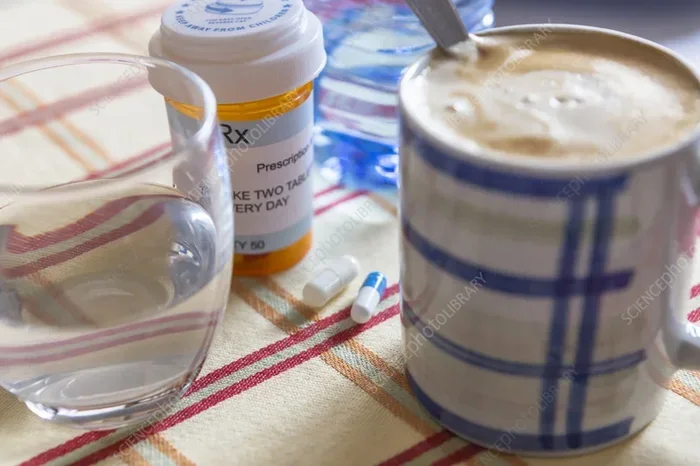
Caffeine can influence blood sugar in a few different ways. It may raise glucose briefly by triggering stress hormones. It may also reduce how well insulin works for a short window. That does not mean caffeine is bad for everyone with diabetes. It just means your body may react in a noticeable way. Learning your pattern helps you plan better.
Visual guide about Coffee cup and medication
Image source: media.sciencephoto.com
For some people, the effect is mild and fades quickly. For others, it lasts longer or feels stronger. Your sleep, stress level, and activity also play a role. Poor sleep can make blood sugar harder to control. Stress can push glucose up too. So coffee is one factor among many. Looking at the whole picture gives you a clearer answer than focusing on one cup alone.
Short Term Glucose Changes After Coffee
Right after coffee, some people see a small rise in blood sugar. This can happen even without sugar in the drink. The rise is often temporary. It may peak within an hour or two and then settle. If you check your glucose, you may notice a pattern. That pattern can guide your habits. For example, you might decide to drink coffee after food instead of on an empty stomach.
If you use glipizide, you already have medicine working to lower glucose. A small caffeine-related rise may not cause problems if your numbers are stable. But if your blood sugar is already high, the extra bump may be more noticeable. That is why checking your levels matters. You do not need to fear coffee. You just need to know how your body responds.
Long Term Patterns to Watch For
Over time, daily coffee habits can shape your routine. If you drink several cups with sugar, your total carb intake may climb. That can make blood sugar management harder. If you drink black coffee or use low sugar options, the impact is usually smaller. Long term, consistency helps. Your body tends to respond better when your habits are steady.
It also helps to notice how coffee fits with meals and activity. A cup before a walk may feel different than a cup before a long sit. Your sleep quality matters too. Too much caffeine late in the day can disrupt rest. Poor sleep can then affect glucose the next day. Watching these patterns gives you more control without giving up the things you enjoy.
Coffee Add Ins Sugar Creamers and Blood Sugar Spikes
The coffee itself is only part of the story. What you add to it often matters more for blood sugar. Black coffee has very few carbs. That makes it a simple choice for many people with diabetes. Once you add sugar, syrup, sweet cream, or flavored milk, the carb count rises fast. Those extra carbs can push glucose up, especially if you drink coffee on an empty stomach.

Visual guide about Coffee cup and medication
Image source: health.com
You do not have to give up flavor. You just need to choose wisely. Small changes can keep your coffee enjoyable and your numbers calmer. The goal is to match your drink to your health goals without feeling deprived. A little planning goes a long way here.
Hidden Carbs in Popular Coffee Drinks
Many coffee shop drinks are more like dessert than a simple beverage. Flavored lattes, mochas, and frapp style drinks can carry a lot of sugar. Even some bottled creamers have added sweeteners. Reading the label or asking about ingredients can save you from a surprise spike. If you are on glipizide, those hidden carbs can matter more because your medicine is already pushing your blood sugar down while food pushes it up. Balance is key.
Here are common add-ins that can raise blood sugar:
- Sugar and honey: These add quick carbs that can spike glucose.
- Flavored syrups: They often contain sugar and add several grams of carbs per pump.
- Sweet creamers: Many are made with sugar or corn syrup.
- Flavored milk or oat milk: Some versions have added sugar, so check the label.
- Whipped cream and toppings: These can add sugar and extra calories.
Smarter Swaps for Coffee Lovers
You can keep your coffee tasty and still support your blood sugar goals. Try these simple swaps:
- Use a small amount of sugar or a sugar substitute if you need sweetness.
- Choose unsweetened almond, soy, or regular milk instead of sweet creamers.
- Flavor coffee with cinnamon, nutmeg, or vanilla extract instead of syrup.
- Pick a smaller drink size so the total carbs stay lower.
- Order unsweetened versions and add your own taste at home.
These choices let you enjoy your routine without a big glucose swing. If you like richer drinks, have them sometimes rather than every day. That keeps your overall pattern more balanced.
Timing Your Coffee and Glipizide Dose
When you drink coffee can matter as much as what you drink. Glipizide usually works best when you take it with food and follow your doctor advice. Coffee on an empty stomach may feel fine, but it can also make blood sugar changes more noticeable. If you pair coffee with a meal or a snack, you may get a steadier response. Food slows down how fast things hit your system. That can help smooth out glucose bumps.
Visual guide about Coffee cup and medication
Image source: media.sciencephoto.com
Some people like coffee first thing in the morning. Others prefer it after breakfast. There is no single right answer for everyone. The best timing is the one that matches your numbers and your day. If you notice spikes or dips, shift your coffee a bit and watch what happens. Small timing changes can make a real difference.
Best Times to Drink Coffee
For many people, having coffee with or after breakfast works well. That way, food is in your system and your blood sugar has a more stable base. If you take glipizide in the morning, your care team may have given you a specific plan. Follow that plan first. Then use coffee timing as a fine tuning tool. If you drink coffee later in the day, keep an eye on total caffeine so it does not affect sleep or stress.
A simple rule is to avoid large amounts of caffeine when your blood sugar is already unstable. If you are sick, stressed, or sleeping poorly, your glucose may be more sensitive. In those times, a milder coffee habit may feel better. Listen to your body and adjust as needed.
What to Do If You Feel Off After Coffee
If you feel shaky, tired, dizzy, or oddly thirsty after coffee, check your blood sugar if you can. Those feelings can come from many things, including caffeine itself. They can also signal a glucose shift. If your number is low, follow your care plan for treating low blood sugar. If your number is high, note what you drank and what you ate. That log can help you spot patterns later.
Do not guess in silence. A quick check gives you real information. If something keeps happening, share it with your doctor or pharmacist. They can help you decide whether to change your coffee habit, your food timing, or your medicine plan.
Signs to Watch For and When to Talk to Your Doctor
Most people can enjoy coffee without major issues. Still, it helps to know what to watch for. Pay attention to how you feel and what your numbers do. If you see a repeated pattern of highs or lows tied to coffee, that is useful information. You may not need to stop coffee. You may just need a small change in how you drink it.
Talk to your doctor if you notice strong or frequent reactions. Also reach out if you are unsure about your dose, your meals, or your activity plan. Your care team can help you fit coffee into your routine safely. Personalized advice is always better than guessing, especially with diabetes medicine.
Symptoms That Deserve Attention
Some signs are worth tracking closely. They may point to blood sugar changes or to too much caffeine. Watch for:
- Shaking or tremors: This can happen with low blood sugar or with caffeine.
- Fast heartbeat: Caffeine can speed up your pulse, and low glucose can too.
- Sweating or chills: These can be signs of a glucose shift.
- Extreme thirst or frequent urination: These may suggest high blood sugar.
- Dizziness or confusion: These deserve prompt attention if they keep happening.
If these symptoms are mild and brief, you may just need to tweak your coffee or food. If they are strong, repeated, or scary, get medical advice soon. It is always better to check than to ignore a pattern.
Questions to Ask Your Care Team
A short conversation can clear up a lot. You might ask:
- How much caffeine is reasonable for me?
- Should I drink coffee with food or at a certain time?
- What blood sugar range should I watch for after coffee?
- Do any of my other medicines or health issues change this advice?
- Which coffee add-ins fit my carb goals?
These questions help you build a plan that feels practical. You do not need to memorize everything. Just bring your notes and your questions to the visit. That makes the talk more useful for both sides.
Practical Tips for Enjoying Coffee on Glipizide
You can keep your coffee ritual and still support your diabetes care. The trick is to make it simple, steady, and a little personal. Use a few easy habits, and you will learn what works for your body. Over time, those habits become second nature. Then coffee feels less like a worry and more like a normal part of your day.
Here are practical tips you can try right away:
- Start with black coffee or low sugar options: This keeps carbs low and makes patterns easier to see.
- Check your blood sugar before and after: A couple of checks can show your personal response.
- Pair coffee with food: A meal or snack can help steady glucose changes.
- Keep caffeine moderate: One to three cups a day is a common starting point for many adults, but your limit may differ.
- Watch the clock: Try to avoid late caffeine if it affects your sleep.
- Keep a simple log: Write down what you drank, what you ate, and your numbers.
- Make one change at a time: That helps you see what actually matters.
A Simple Coffee and Blood Sugar Routine
A steady routine can make life easier. For example, you might check your blood sugar in the morning, eat breakfast, take your medicine as directed, and then enjoy coffee with your meal. If you want a second cup later, notice how you feel and check again if needed. This kind of routine builds confidence. You are not guessing. You are learning.
If you travel or your schedule changes, keep the basics the same. Eat regularly, stay hydrated, and do not skip doses unless your doctor tells you to. Coffee can fit into many routines if you keep the foundation strong. That foundation is food, medicine, movement, sleep, and monitoring.
Quick Tips for Busy Days
When life gets hectic, it is easy to grab the nearest drink and rush out. A few small habits can help you stay on track:
- Carry a small snack if you drink coffee away from home.
- Choose simpler drinks when you are in a hurry.
- Keep your meter or monitoring tool easy to reach.
- Drink water alongside coffee so you stay hydrated.
- Set a caffeine cutoff time if sleep is a problem.
These quick tips are small, but they add up. They help you avoid surprises and keep your day feeling manageable.
Expert Insights and Common Mistakes
Experts usually say that moderate coffee can fit into a diabetes plan for many people. The main focus is balance, not bans. That means watching sugar, timing, and your personal glucose response. It also means remembering that every person is different. What works for a friend may not work for you. Your own numbers tell the real story.
Common mistakes are easy to avoid once you know them. The biggest one is assuming coffee is the only problem. Often, the real issue is a sweet drink, a skipped meal, or poor sleep. Another mistake is changing too much at once. If you cut caffeine, sugar, and food timing all together, you will not know what helped. Small, steady changes are easier to understand and easier to keep.
Mistakes to Avoid
- Adding lots of sugar and calling it harmless: Those carbs add up fast.
- Drinking coffee instead of eating: Coffee is not a meal replacement.
- Ignoring repeated patterns: If something happens again and again, pay attention.
- Making big changes without checking: Test and observe before you overhaul your routine.
- Forgetting sleep and stress: Both can affect blood sugar as much as coffee.
Expert Insights Worth Knowing
- Personal response matters most: Your blood sugar logs are more useful than general guesses.
- Moderation usually works: Many people do well with moderate caffeine and simple coffee choices.
- Food helps stabilize things: Eating with coffee can reduce sharp changes for some people.
- Consistency helps: Regular habits make patterns easier to read and manage.
- Ask early if unsure: A quick question to your care team can prevent bigger problems later.
Final Thoughts on Coffee and Glipizide
So, can you drink coffee with glipizide? For most people, the answer is yes, with a little attention. Caffeine can nudge blood sugar in different ways, and add-ins can change the picture too. But you do not have to give up your favorite cup. You just need a plan that fits your body and your routine. Start simple, track your response, and make small adjustments. That approach lets you enjoy coffee while staying mindful of your health.
Remember that glipizide works best when your meals, activity, and medicine timing line up. Coffee is just one part of that day. Keep your choices steady, watch for patterns, and reach out to your doctor or pharmacist if you need help. With a little care, you can keep both your coffee habit and your blood sugar goals moving in the right direction.
Frequently Asked Questions
Can I drink coffee right after taking glipizide?
Yes, many people can, but it is often better to have coffee with or after food. Food can help steady blood sugar changes and support your medicine plan. Follow your doctor instructions for when to take glipizide.
Does caffeine raise blood sugar in people with diabetes?
It can for some people. Caffeine may cause a short term rise in blood sugar by affecting hormones and insulin sensitivity. The effect varies, so checking your own numbers is the best way to know.
Is black coffee better than coffee with sugar for glipizide users?
Black coffee is usually a simpler choice because it has almost no carbs. Sugar, syrup, and sweet creamers can raise blood sugar more quickly. If you want sweetness, use a small amount or a low sugar option.
How much coffee is safe with glipizide?
Many adults do well with moderate coffee, but the right amount depends on your health and your blood sugar response. Start with a smaller amount, watch your numbers, and ask your care team if you want a personal limit.
Can coffee hide low blood sugar symptoms?
Caffeine can sometimes make low blood sugar signs harder to notice because it can also cause shaking or a fast heartbeat. That is why checking your blood sugar is helpful if you feel off after coffee.
Should I switch to decaf if I take glipizide?
Not always. Decaf may cause less caffeine related change, but regular coffee can still work for many people. If you notice strong blood sugar swings or sleep problems, decaf is one option to consider and discuss with your doctor.



