
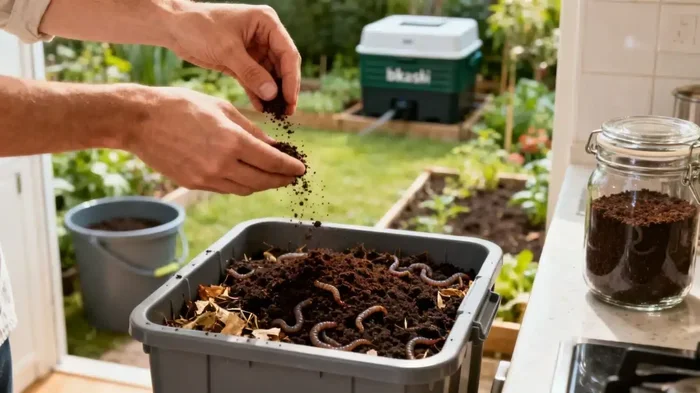
Composting coffee grounds is one of the easiest ways to reduce kitchen waste and boost your garden soil. Used coffee grounds add nitrogen, improve drainage, and attract helpful worms to your compost pile. You can mix them into backyard bins, worm farms, or even apply them directly to certain plants. This guide shows you exactly how to compost coffee grounds safely and effectively. Start turning your morning brew into garden gold today.
Every morning, millions of people brew a fresh pot of coffee and toss the leftovers into the trash. That habit sends valuable organic matter to the landfill, where it creates methane and wasted nutrients. The good news is that you can turn those used grounds into a powerful soil booster with very little effort. Composting coffee grounds is simple, affordable, and highly rewarding for home gardeners.
You do not need a large yard or fancy equipment to get started. A small kitchen bin, a backyard pile, or a worm box can all handle your daily coffee waste. The process takes a little attention, but the results speak for themselves. Your plants get better drainage, richer nutrients, and a healthier root environment. Let us walk through everything you need to know.
Key Takeaways
- Coffee grounds are nitrogen-rich: They act as a green material that fuels microbial activity in your compost.
- Balance is essential: Mix grounds with brown materials like leaves or paper to avoid clumping and odor.
- Worms love coffee: Vermicomposting systems thrive when you add small amounts of used grounds regularly.
- Avoid thick layers: Spread grounds thinly to prevent mold, compaction, and slow decomposition.
- Use as soil amendment: aged grounds improve soil structure, water retention, and nutrient availability.
- Track pH carefully: Fresh grounds are slightly acidic, but composted grounds usually trend near neutral.
- Store before composting: Keep wet grounds in a sealed container or freeze them until you are ready to add them to your pile.
📑 Table of Contents
- Why Coffee Grounds Work So Well in Compost
- How to Compost Coffee Grounds the Right Way
- Best Ways to Use Composted Coffee Grounds in the Garden
- Worm Composting With Coffee Grounds
- Common Mistakes to Avoid When Composting Coffee Grounds
- Quick Tips for Better Coffee Ground Composting
- Expert Insights on Using Coffee Grounds Well
- Key Takeaways for Composting Coffee Grounds
- Conclusion
Why Coffee Grounds Work So Well in Compost
Many people think of coffee grounds as brown waste because they look dark and dry. In compost science, they actually count as a green material because they are rich in nitrogen. That nitrogen feeds the bacteria and fungi that break down your pile. A healthy compost system needs both nitrogen and carbon to stay active and smell fresh.
Coffee grounds also contain small amounts of phosphorus, potassium, magnesium, and copper. These trace nutrients support strong plant growth over time. The grounds are fine and crumbly, which helps them mix evenly into other materials. When you add them correctly, they improve the texture of your finished compost.
The Nitrogen Boost Your Pile Needs
Microbes need nitrogen to build their cells and digest carbon-rich materials. Without enough nitrogen, a compost pile slows down and may sit cold for weeks. Coffee grounds provide a steady, accessible nitrogen source that keeps decomposition moving. They work especially well when you pair them with dry leaves, cardboard, or straw.
More Than Just Nitrogen
Gardeners often ask whether coffee grounds add real value beyond nitrogen. The answer is yes. Grounds improve soil aggregation, which means they help soil particles stick together in a healthy way. That structure creates tiny air pockets and better water movement. Your plants benefit from stronger roots and less compaction.
How to Compost Coffee Grounds the Right Way
The easiest method is to add grounds directly to an active compost pile or bin. You can also use a dedicated worm bin if you prefer vermicomposting. Both approaches work well when you follow a few simple rules. The key is to treat coffee grounds as one ingredient in a balanced mix, not the whole recipe.
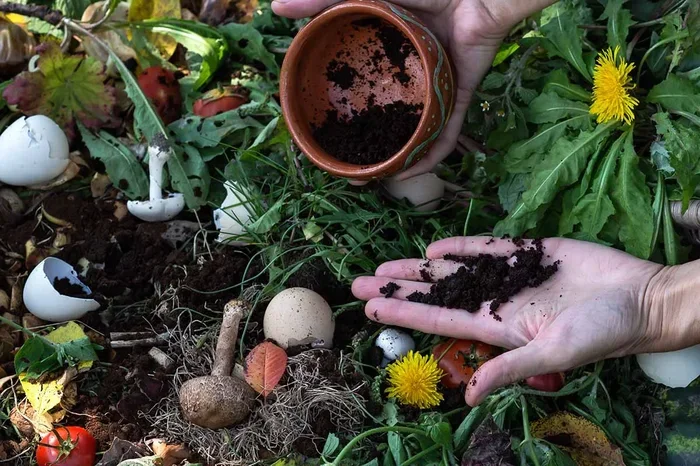
Visual guide about composting coffee grounds in garden
Image source: gardenerspath.com
Step One: Collect and Store Your Grounds
Start by keeping a small container in your kitchen. A lidded jar, a reusable coffee can, or a sealed bucket works fine. If you brew daily, you may want to store the grounds in the fridge or freezer to reduce mold and smell. Freezing also breaks up clumps, which makes the grounds easier to spread later.
Step Two: Add Grounds in Thin Layers
Spread the grounds evenly instead of dumping a thick pile in one spot. A good rule is to keep any single layer under half an inch. Thin layers prevent compaction and help air move through the pile. If you add a lot of grounds at once, mix them thoroughly with dry materials right away.
Step Three: Balance With Brown Materials
For every bucket of coffee grounds, add roughly two to three buckets of brown material. Good options include shredded newspaper, dry leaves, cardboard, sawdust, or straw. This balance keeps the pile from becoming too wet or too dense. It also reduces the chance of sour odors and sticky clumps.
Step Four: Mix and Monitor Moisture
Turn or stir your pile after adding grounds so the materials blend well. Check the moisture level with a quick squeeze test. The compost should feel damp like a wrung-out sponge, not soggy and not dusty. If it feels wet, add more brown material. If it feels dry, sprinkle a little water and mix again.
Best Ways to Use Composted Coffee Grounds in the Garden
Once your grounds break down into finished compost, you can use them in several useful ways. The material should look dark, crumbly, and earthy, with no recognizable coffee bits left. At that point, it acts like a gentle soil conditioner and mild fertilizer. You can apply it to beds, containers, and lawns with confidence.
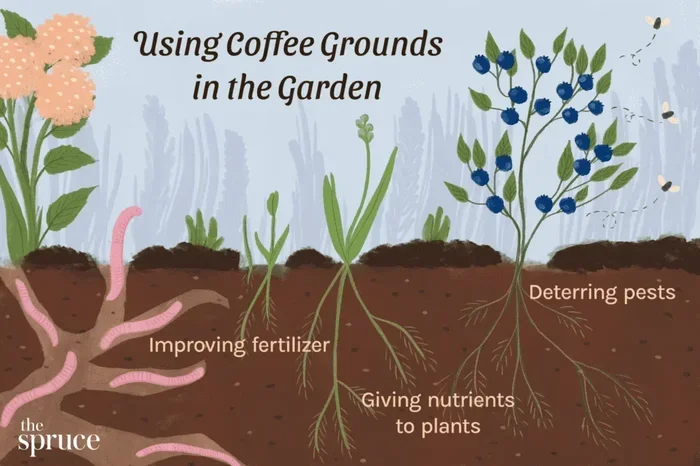
Visual guide about composting coffee grounds in garden
Image source: southelmontehydroponics.com
Mix Into Garden Beds
Work a thin layer of composted grounds into the top few inches of soil. This method improves texture and adds slow-release nutrients. It works especially well in vegetable beds, flower borders, and herb patches. Avoid heavy applications, since too much organic matter can hold excess moisture.
Top Dress Around Established Plants
Sprinkle a light layer around the base of shrubs, perennials, and tomatoes. Keep the material a few inches away from stems and trunks to prevent rot. Water gently after applying so the compost settles into the soil. This technique feeds plants gradually and helps the soil retain moisture.
Boost Container Soil Mixes
Container plants often need extra structure and nutrition because potting mix breaks down over time. Blend a small amount of composted grounds into your container soil before planting. The fine texture helps loosen dense mixes and supports better root growth. Use moderation, since containers drain faster and need balanced ingredients.
Worm Composting With Coffee Grounds
Vermicomposting is a fantastic option for small spaces and indoor setups. Red wigglers thrive on soft, moist food scraps, and coffee grounds fit that description well. The worms break the grounds down quickly and produce rich castings that plants love. You just need to feed them in small, regular amounts.
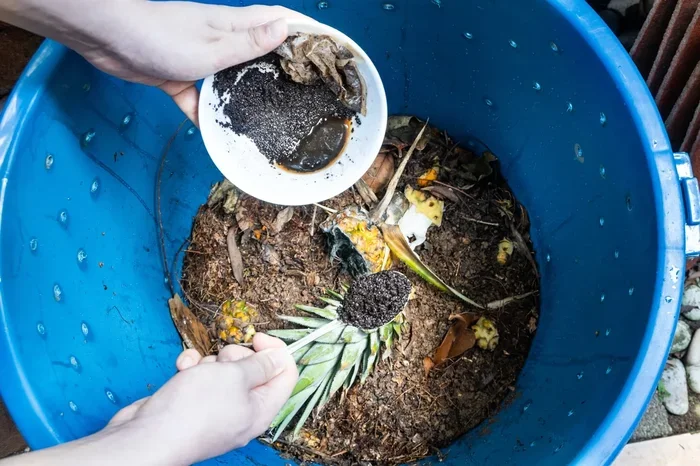
Visual guide about composting coffee grounds in garden
Image source: horticulture.co.uk
Why Worms Enjoy Coffee Grounds
Worms prefer food that is easy to digest and already starting to break down. Coffee grounds offer a soft texture and a helpful nitrogen boost. They also encourage beneficial microbes that worms graze on naturally. When you add grounds thoughtfully, your worm bin stays active and productive.
How to Feed Worms Safely
Add grounds in small pockets rather than covering the whole surface. Bury the grounds under a bit of bedding so flies stay away and moisture stays balanced. If your bin starts to smell sour, pause coffee additions and add more dry bedding. A healthy worm bin should smell like fresh soil, not stale coffee.
Common Mistakes to Avoid When Composting Coffee Grounds
Even a simple process can go wrong if you add too much too fast. Coffee grounds are helpful, but they are not a magic fix. Treat them as one part of a diverse compost recipe. That mindset keeps your pile healthy and your garden happy.
Adding Too Much at Once
A thick layer of grounds can mat together and squeeze out air. That condition slows decomposition and may create a sour smell. Break up clumps and mix grounds with dry materials before adding more. Small, frequent additions work better than large dumps.
Ignoring the Carbon Balance
Some gardeners pile in grounds without adding enough brown material. The result is often a wet, dense pile that decomposes slowly. Remember that coffee grounds count as green material, so they need carbon partners. Leaves, paper, and cardboard help keep the system balanced.
Expecting Instant Results
Composting takes time, even with helpful ingredients like coffee grounds. A well-managed pile may finish in a few months, while a passive pile can take longer. Be patient and keep turning, watering, and balancing as needed. The reward is a rich amendment that improves your soil for seasons to come.
Believing Every Coffee Ground Myth
You may hear that coffee grounds make soil very acidic or repel every pest. The reality is more nuanced. Fresh grounds can lean slightly acidic, but composted grounds usually move closer to neutral. Grounds can help certain plants, but they are not a universal shield against insects or disease. Use them wisely and test your soil when possible.
Quick Tips for Better Coffee Ground Composting
A few small habits make a big difference. Keep your storage container clean so old grounds do not develop a strong odor. Chop or shred bulky brown materials so they break down faster. Turn your pile regularly to distribute moisture and oxygen. If you notice a bad smell, add dry material and mix well. If the pile looks dry, add a little water and check again.
You can also keep a simple log of what you add each week. That habit helps you spot imbalances early. For example, if your pile feels heavy and damp, you know you need more carbon. If it seems inactive, you may need more nitrogen or moisture. Small adjustments keep the process smooth.
Expert Insights on Using Coffee Grounds Well
Experienced composters often say the best ingredient is balance. Coffee grounds are valuable because they are easy to find and rich in nitrogen, but they work best alongside varied materials. A diverse pile supports a diverse microbial community, and that diversity creates better compost. Think of your bin as a small ecosystem rather than a trash can.
Another helpful insight is to match your method to your space. If you have a yard, a simple open pile or enclosed bin may be ideal. If you live in an apartment, a worm bin or small countertop system may suit you better. The right method is the one you will actually use consistently. Consistency matters more than perfection.
Key Takeaways for Composting Coffee Grounds
To wrap up the practical side, remember these core ideas. Use thin layers, balance greens with browns, and keep the pile moist but not soggy. Store grounds until you are ready to add them, and mix them in rather than letting them sit on top. With these habits, composting coffee grounds becomes an easy weekly routine that benefits your soil and reduces waste.
Conclusion
Turning your daily coffee habit into garden fuel is one of the simplest sustainability steps you can take. Composting coffee grounds adds nitrogen, improves soil structure, and helps your plants grow stronger with less waste. You only need a balanced mix, a little attention, and a willingness to start small. Whether you use a backyard pile, a worm bin, or a modest kitchen container, the process fits easily into everyday life. Try it this week, adjust as you go, and enjoy the rich results in your garden.
Frequently Asked Questions
Can I put coffee grounds directly in my garden without composting?
Yes, but use them sparingly and mix them into the soil. Fresh grounds can clump and may temporarily tie up nitrogen if applied in thick layers. Composting first usually gives better, more balanced results.
Do coffee grounds make compost too acidic?
Fresh grounds can be slightly acidic, but composted grounds usually move closer to neutral. Most garden plants handle composted grounds well when you use them in moderation. If you are growing acid-loving plants, test your soil first.
How often should I add coffee grounds to my compost pile?
You can add them regularly as long as you balance them with brown materials. Small, frequent additions work better than large amounts at once. Mix them in well and watch moisture levels.
Can worms eat coffee grounds in a worm bin?
Yes, worms generally enjoy coffee grounds in small amounts. Add them in thin layers and bury them under bedding to keep the bin balanced. If the bin smells sour, reduce the amount and add more dry material.
What should I mix with coffee grounds to avoid odor?
Mix grounds with carbon-rich materials like dry leaves, shredded paper, cardboard, or straw. A good green-to-brown balance helps prevent smells and keeps air moving through the pile. Turning the compost regularly also helps.
Are coffee filters compostable too?
Yes, plain paper filters usually compost well as a brown material. Avoid filters with plastic lining or heavy ink if you are unsure about the materials. Tear them into smaller pieces so they break down faster.



