

Can you drink decaf coffee while breastfeeding? Yes, most health experts agree that moderate consumption is safe for nursing mothers. While decaf contains trace amounts of caffeine, the levels are so low they rarely affect your baby. Always listen to your body and watch for any unusual changes in your infant.
Key Takeaways
- Safety First: Decaf coffee is generally considered safe for breastfeeding mothers when consumed in moderation.
- Trace Caffeine: Decaf is not completely caffeine-free, but the remaining amount is negligible for most infants.
- Monitor Baby: Watch for signs of irritability or sleep changes if you introduce new beverages into your diet.
- Hydration Matters: Drinking water alongside coffee helps maintain milk supply and overall hydration.
- Timing Helps: Nursing before drinking coffee can minimize any potential caffeine transfer to breast milk.
- Consult Experts: Always talk to your doctor or lactation consultant if you have specific health concerns.
- Listen to Your Body: Every mother and baby pair is unique, so pay attention to how you both feel.
📑 Table of Contents
- Can You Drink Decaf Coffee While Breastfeeding
- Understanding Caffeine in Breast Milk
- Is Decaf Coffee Safe for Nursing Mothers
- How Much Decaf Coffee Is Safe During Breastfeeding
- Tips for Enjoying Coffee While Breastfeeding
- Common Concerns and Myths About Decaf
- Expert Insights on Maternal Diet
- Conclusion
Can You Drink Decaf Coffee While Breastfeeding
Hey there, new mom. You probably missed your morning brew the moment you found out you were pregnant. Now that you are breastfeeding, you might be wondering if you can finally enjoy that cup of joe again. The good news is that you likely can. Many nursing mothers crave that warm, comforting ritual. It helps start the day right. But safety always comes first when you are feeding a little one.
Let us talk about decaf coffee specifically. It sounds like the perfect compromise. You get the taste without the buzz. But is it truly safe? There is a lot of confusing information out there. Some people say avoid all caffeine. Others say a little bit is fine. We want to clear up the confusion for you. You deserve to enjoy your drink without worry.
Here is the bottom line. Most health organizations say moderate caffeine intake is okay. Decaf has much less caffeine than regular coffee. This makes it a safer choice for many moms. However, every baby is different. What works for one might not work for another. We will dig into the details below. You will learn about caffeine levels and timing. We will also share tips to keep things smooth.
Understanding Caffeine in Breast Milk
When you drink something, your body processes it. Some of it passes into your breast milk. This is true for caffeine. Caffeine is a stimulant. It can cross into milk easily. But the amount that transfers is usually small. Your body metabolizes most of it before it reaches the baby. Nursing mothers often worry about this transfer. It is a common concern.

Visual guide about breastfeeding mother drinking coffee
Image source: thumbs.dreamstime.com
Regular coffee has a lot of caffeine. A standard cup might have 95 milligrams. That is a significant amount. Babies have immature livers. They cannot process caffeine as well as adults. This is why too much caffeine can be an issue. It might make them jittery. It could also keep them awake. This is why moderation is key.
Decaf coffee is different. It is not 100% caffeine-free. The decaffeination process removes most of the caffeine. But a little bit remains. A cup of decaf might have 2 to 5 milligrams. This is a huge difference. Compare 95 milligrams to 5 milligrams. The risk is much lower. This is why many experts say it is safe.
How Much Caffeine Transfers
Studies show that only about 1% of caffeine enters breast milk. If you drink decaf, that 1% is tiny. It is unlikely to cause problems. However, accumulation matters. If you drink many cups, the small amounts add up. One cup is usually fine. Five cups might be too much. Think about your total intake.
Timing also plays a role. Caffeine levels peak in your blood soon after drinking. They then slowly drop. Nursing right before drinking might help. This gives your body time to process it. By the next feed, levels are lower. This is a simple strategy. It helps minimize exposure.
Individual Sensitivity Varies
Some babies are more sensitive. Newborns are especially vulnerable. Their systems are still developing. Older babies handle caffeine better. If your baby is very young, be extra careful. Watch them closely. If they seem fussy, you might need to adjust. Every baby reacts differently.
Mothers also metabolize caffeine at different rates. Genetics play a part. Some people clear caffeine quickly. Others take longer. If you feel jittery, your baby might too. Listen to your own body. If you feel off, cut back. Your comfort matters too.
Is Decaf Coffee Safe for Nursing Mothers
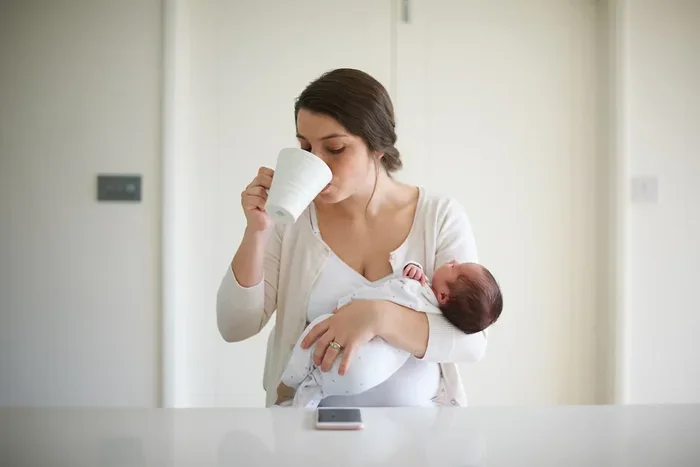
So, is it safe? The short answer is yes. Most health groups agree. The American Academy of Pediatrics says moderate caffeine is okay. They do not forbid decaf. In fact, they often suggest limiting regular coffee. Decaf fits well into those limits. It allows you to enjoy the taste.
Visual guide about breastfeeding mother drinking coffee
Image source: smartmedia.digital4danone.com
Safety is about dosage. Too much of anything can be bad. Water is good, but too much can be harmful. The same logic applies here. Enjoy your cup. Do not overdo it. Keep it to one or two cups a day. This keeps caffeine levels very low. It is a reasonable approach.
There are other benefits too. Coffee contains antioxidants. These are good for your health. They help fight cell damage. You get these benefits with decaf too. You also get hydration. Coffee counts toward your fluid intake. Staying hydrated is crucial for milk production.
Benefits of Drinking Decaf
Let us look at the perks. You get the ritual without the stress. Many moms feel guilty about drinking coffee. Decaf removes that guilt. You can relax and enjoy your break. This mental boost is valuable. Stress reduction helps milk flow. Relaxation is key for nursing.
- Lower Caffeine Load: Great for sensitive babies.
- Antioxidant Boost: Supports your immune system.
- Hydration Support: Contributes to daily fluid needs.
- Routine Comfort: Helps establish a calming morning habit.
- Reduced Jitters: Less likely to cause heart palpitations for you.
There are also social benefits. Meeting a friend for coffee is nice. You do not have to order tea every time. You can participate normally. This helps you feel normal. Postpartum life can be isolating. Small joys matter a lot.
Potential Downsides to Consider
Nothing is perfect. Decaf still has some caffeine. If your baby is extremely sensitive, even trace amounts might matter. Acid reflux is another concern. Coffee can be acidic. It might bother some stomachs. If your baby has reflux, watch out.
Some decaf processes use chemicals. This worries some people. Look for organic beans. They often use water processes. This avoids harsh chemicals. It is a cleaner choice. You can find these at most stores. Reading labels helps.
How Much Decaf Coffee Is Safe During Breastfeeding
Quantity matters most. One cup is generally safe. Two cups are usually fine too. But keep track of the total. Remember, other foods have caffeine. Chocolate has caffeine. Tea has caffeine. Soda might have caffeine. Add it all up.

Visual guide about breastfeeding mother drinking coffee
Image source: thumbs.dreamstime.com
The general limit for breastfeeding moms is 300 milligrams per day. This is for total caffeine. If you drink decaf, you stay well under this. You have plenty of room. But do not use that as an excuse. Stay mindful. Consistency is better than bingeing.
Here is a simple guide. Start with one cup. See how your baby reacts. If all is well, you can have another. If you notice changes, stop. It is a trial process. You know your baby best. Trust your instincts.
Recommended Daily Limits
Let us break down the numbers. Regular coffee has high caffeine. Decaf has low caffeine. You can drink more decaf than regular. But variety is good. Do not rely on coffee alone. Drink water too. Milk supply needs water.
| Beverage | Approx. Caffeine | Safety for Nursing |
|---|---|---|
| Regular Coffee (8 oz) | 95 mg | Limit to 1-2 cups |
| Decaf Coffee (8 oz) | 2-5 mg | Generally Safe |
| Black Tea (8 oz) | 47 mg | Moderate Intake |
| Cola (12 oz) | 30 mg | Moderate Intake |
This table shows the difference. Decaf is clearly lower. It is a safer bet for high consumption. But remember the other sources. Chocolate snacks count too. Be holistic about your diet.
Signs You Should Cut Back
How do you know if it is too much? Watch your baby. Look for changes in behavior. Sleep patterns are a big clue. If they sleep less, caffeine might be the cause. Irritability is another sign. Fussiness during feeds is common.
- Sleep Changes: Baby stays awake longer than usual.
- Fussiness: Baby cries more often without clear reason.
- Jitteriness: Baby seems shaky or hyperactive.
- Feeding Issues: Baby refuses the breast or is gassy.
- Maternal Jitters: You feel anxious or heart races.
If you see these signs, pause. Stop drinking coffee for a few days. See if things improve. Then try again slowly. This helps identify the trigger. It is a process of elimination.
Tips for Enjoying Coffee While Breastfeeding
You can make this work smoothly. Preparation helps. Plan your coffee time. Think about when your baby sleeps. Drink your coffee during that time. This maximizes the gap before the next feed. It is a simple trick.
Hydration is another tip. Drink a glass of water with your coffee. This balances the diuretic effect. Coffee makes you pee more. You need to replace that fluid. Milk production needs water. Staying hydrated helps you feel good.
Choose your beans wisely. Organic is better. Water-processed decaf is cleaner. Avoid added sugars. Sweet coffee adds empty calories. You need nutrients for recovery. Black coffee or with a little milk is best. Keep it healthy.
Best Times to Drink
Timing is everything. Morning is usually best. You are awake anyway. Your baby might be settling. Avoid late evening drinks. Caffeine can stay in your system. It might affect your sleep. Sleep is precious for moms. Protect your rest.
Try nursing right before your cup. This empties the breast. The next feed will be later. By then, caffeine levels drop. This reduces transfer. It is a strategic move. Many lactation consultants suggest this.
Pairing with Food
Do not drink on an empty stomach. Coffee can cause acidity. Eat something first. A healthy snack works well. Oats are great for milk supply. Nuts provide protein. This slows caffeine absorption. It is gentler on your system.
Eating well supports breastfeeding. Your body needs fuel. Coffee is a treat, not a meal. Balance your diet. Include fruits and veggies. This ensures you get vitamins. Your baby gets those too. Good nutrition is foundational.
Common Concerns and Myths About Decaf
There is a lot of noise out there. Let us address some myths. Some people say decaf is unsafe. This is not true. Science says otherwise. Moderation is the key factor. Fear often comes from misinformation.
Another myth is that it lowers milk supply. There is no evidence for this. Caffeine in high doses might affect supply. But decaf levels are too low. Your supply depends on hydration. It depends on nursing frequency. Coffee does not stop milk.
Some worry about chemicals. The process uses solvents. But residues are minimal. Regulatory bodies check this. Organic options remove this worry. You can choose safe beans. Do not stress too much.
Myth Busting
Let us clear the air. You do not need to quit coffee. You do not need to suffer. Enjoyment is part of wellness. A happy mom helps a happy baby. If you love coffee, have some. Just be smart about it.
- Myth: Decaf has no caffeine.
- Fact: It has trace amounts, but very low.
- Myth: It will ruin your milk supply.
- Fact: No link found at moderate consumption levels.
- Myth: All decaf is processed with chemicals.
- Fact: Water and CO2 methods exist and are safe.
Knowledge empowers you. Do not let rumors scare you. Check reliable sources. Talk to your doctor. They know your history. Personalized advice is best.
Expert Insights on Maternal Diet
Diet matters during breastfeeding. You need extra calories. You need good nutrients. Coffee fits into a balanced diet. It is not a staple, though. Think of it as a supplement. It adds joy to your day.
Experts suggest variety. Do not drink only coffee. Drink water, milk, juice. Variety ensures nutrient intake. Calcium is important. Vitamin D is important. Coffee does not provide these. Eat a rainbow of foods.
Listen to your body signals. Thirst means drink water. Hunger means eat food. Fatigue means rest. Coffee is not a substitute for sleep. It masks tiredness. Rest is better for recovery. Use coffee wisely.
Long Term Considerations
Breastfeeding does not last forever. Your diet will change. You can return to regular coffee eventually. For now, decaf is a good bridge. It keeps you happy. It keeps baby safe. It is a temporary phase.
Building healthy habits now helps later. Learn to moderate. Learn to listen. These skills last a lifetime. Parenting is about balance. You balance care for baby and self. Coffee is part of self-care. Enjoy it guilt-free.
Conclusion
So, can you drink decaf coffee while breastfeeding? Yes, you can. It is a safe choice for most mothers. The caffeine content is very low. It rarely affects babies. But always watch for reactions. Every child is unique. What works for one might not work for another.
Enjoy your cup mindfully. Keep it to one or two servings. Stay hydrated with water. Choose organic beans if you can. Time your drinks around feeds. These steps keep things safe. You can maintain your routine. You can find comfort in your brew.
Being a mom is hard work. You need little joys. Coffee can be one of them. Do not let fear stop you. Use common sense. Consult your healthcare provider if unsure. You know your body best. Trust yourself. Enjoy that warm cup. You deserve it.
Frequently Asked Questions
Does decaf coffee contain any caffeine?
Yes, decaf coffee does contain trace amounts of caffeine. However, the levels are very low, usually around 2 to 5 milligrams per cup. This is significantly less than regular coffee, making it generally safe for nursing mothers.
Can caffeine in decaf affect my baby sleep?
It is unlikely but possible if consumed in large quantities. Most babies tolerate the small amount of caffeine in decaf without issue. If you notice your baby is restless or sleeping less, try reducing your intake to see if it helps.
Is organic decaf coffee better for breastfeeding?
Organic decaf coffee is often processed using water or carbon dioxide instead of chemical solvents. Many mothers prefer this to minimize chemical exposure. It is a cleaner option, though standard decaf is also considered safe by regulatory standards.
How many cups of decaf can I drink per day?
Most experts suggest that one to two cups of decaf per day is safe. Since the caffeine content is low, it fits well within the recommended daily caffeine limits for breastfeeding women. Always monitor your baby for any sensitivity.
Should I nurse before or after drinking coffee?
It is often recommended to nurse right before drinking your coffee. This allows time for your body to metabolize the caffeine before the next feeding. By the time the next feed comes, the caffeine levels in your milk will be lower.
Can decaf coffee reduce my milk supply?
There is no strong evidence that moderate decaf coffee consumption reduces milk supply. Milk production relies more on hydration and frequent nursing. As long as you stay hydrated and drink in moderation, your supply should remain stable.



