Most people drink coffee to feel more alert, but few know the exact caffeine count in their favorite mug. A standard 8-ounce cup of brewed coffee typically contains between 80 and 100 milligrams of caffeine, though the number can swing widely. How many mg of caffeine in one cup of coffee depends on your bean choice, roast level, brewing time, and the size of your cup. Understanding these factors helps you manage your daily intake and enjoy your brew without the jitters.
How many mg of caffeine in one cup of coffee is one of those questions that sounds simple but hides a lot of variation. You might grab a quick mug at home and feel a gentle boost. Then you might order a large latte at a café and feel completely wired. The difference comes down to several small choices that add up fast. Coffee is not a fixed recipe. It is a living drink that changes with the bean, the roast, the grind, the water, and the brew time. Once you understand those moving parts, you can predict your caffeine intake much better. You can also tune your daily habit to match your energy needs and your sleep schedule.
This guide breaks down the numbers in plain language. We will look at the typical caffeine range for a standard cup. We will compare brew methods and cup sizes. We will also cover bean types, roast levels, and simple ways to measure your grounds at home. If you want a quick answer first, a regular 8-ounce cup of drip coffee usually lands near 95 milligrams of caffeine. That is a useful starting point. From there, the real story gets more interesting.
Key Takeaways
- Standard Range: An average 8-ounce cup of brewed coffee contains about 80 to 100 milligrams of caffeine.
- Bean Type Matters: Robusta beans naturally contain nearly twice the caffeine of Arabica beans.
- Roast Level Myth: Light roasts often retain slightly more caffeine than dark roasts by volume.
- Brew Method Impact: Espresso has more caffeine per ounce, but a full cup of drip coffee usually delivers more total caffeine.
- Cup Size Counts: Larger mugs and coffee shop drinks can pack 200 to 400 milligrams or more per serving.
- Health Guidance: Most healthy adults can safely consume up to 400 milligrams of caffeine per day.
- Track Your Intake: Reading labels, measuring your grounds, and noting your brew time helps you stay consistent.
📑 Table of Contents
- What Is the Average Caffeine Content in a Cup of Coffee?
- How Many Mg of Caffeine in One Cup of Coffee by Brew Method
- How Many Mg of Caffeine in One Cup of Coffee Based on Bean Type
- Does Roast Level Change Caffeine Content?
- How Cup Size Changes the Caffeine Count
- How to Estimate Caffeine in Your Own Brew
- Common Mistakes When Estimating Caffeine
- Expert Insights: Using Caffeine Wisely
- Quick Comparison: Caffeine by Common Coffee Types
- Conclusion
What Is the Average Caffeine Content in a Cup of Coffee?
The short answer is that a standard cup of coffee usually contains 80 to 100 milligrams of caffeine. Many people use an 8-ounce cup as the baseline. In that case, brewed coffee often lands near 95 milligrams. That number is helpful, but it is only a starting point. Your actual cup can be lower or higher depending on how you brew it and what beans you use.
Here is a simple way to think about it. Caffeine is a natural compound found in coffee beans. When hot water passes through the grounds, it pulls out caffeine along with flavor, oils, and acids. The longer the water touches the grounds, the more caffeine usually extracts. The more coffee you use relative to water, the stronger the cup tends to be. That is why two people can use the same beans and still end up with very different cups.
Why the Numbers Vary So Much
Several common factors change the caffeine count in a cup:
- Bean variety: Different plants produce different caffeine levels.
- Roast level: Lighter and darker roasts can differ slightly in caffeine by scoop or by weight.
- Brew time: Longer contact often means more extraction.
- Water temperature: Hotter water can pull out more compounds faster.
- Grind size: Finer grinds expose more surface area to the water.
- Cup size: A small mug and a large travel cup are not the same serving.
If you want a steadier caffeine dose, keep your recipe consistent. Use the same beans, the same grind, and the same water-to-coffee ratio each time. That makes your morning cup more predictable. It also makes it easier to compare your favorite brews from day to day.
How Many Mg of Caffeine in One Cup of Coffee by Brew Method
Brew method matters a lot. People often assume espresso is always stronger than drip coffee. That is not quite right. Espresso is more concentrated, so it has more caffeine per ounce. But a full cup of drip coffee usually contains more caffeine overall because you drink a larger serving. If you are asking how many mg of caffeine in one cup of coffee, the brewing style is one of the biggest clues.
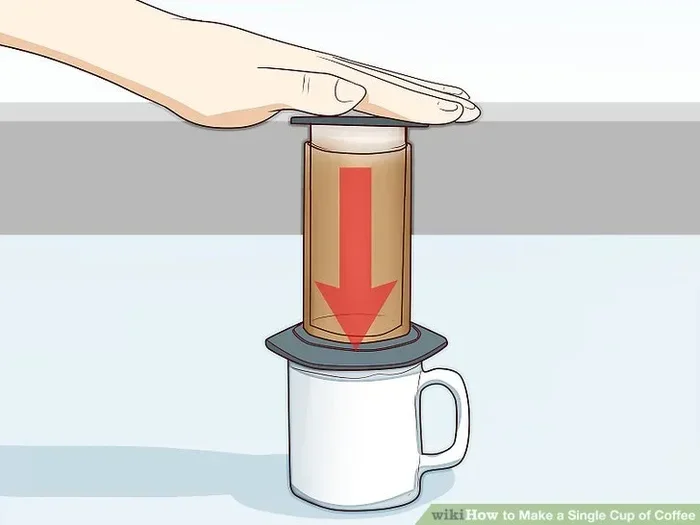
Visual guide about single cup of coffee
Image source: wikihow.com
Drip Coffee
Drip coffee is the most common home brew for many households. It is simple, familiar, and easy to scale. A typical 8-ounce cup of drip coffee often falls in the 80 to 100 milligram range. Some batches land a little lower. Some go higher, especially if you use a bold setting or extra grounds. If you use a machine that keeps water hot for a long time, extraction can increase. If your filter basket is crowded, the water may move more slowly and pull out more caffeine.
Espresso
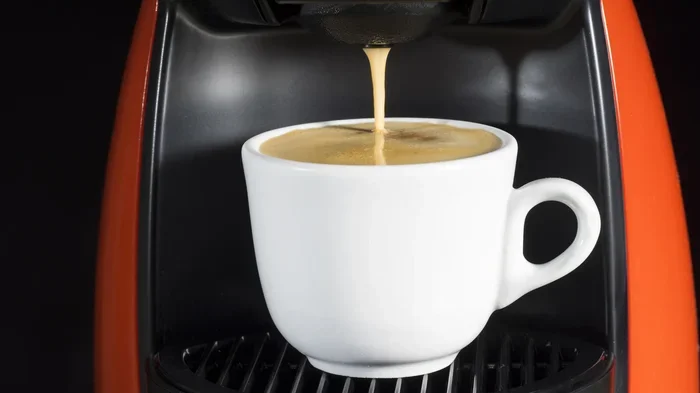
Espresso is brewed with pressure and a fine grind. The result is a small, intense shot. A single shot usually contains about 60 to 80 milligrams of caffeine, though the exact amount varies. Because the serving is small, the total caffeine is often lower than a full mug of drip coffee. Still, espresso can feel stronger because it is concentrated and often consumed quickly. If you drink a double shot, the caffeine count rises accordingly.
French Press
French press coffee steeps the grounds directly in hot water. That longer contact time can produce a fuller-bodied cup. It can also extract a solid amount of caffeine. A typical 8-ounce cup from a French press often lands near the same general range as drip coffee. The exact number depends on your steep time and your coffee-to-water ratio. If you like a bold cup, you may naturally use more grounds, which can raise the caffeine content.
Cold Brew
Cold brew is made with room-temperature or cold water over many hours. Because the water is cooler, extraction happens more slowly. Many cold brews are sold as concentrates, which can be very high in caffeine per ounce. When diluted to a normal drinking strength, the caffeine content can be similar to hot coffee or sometimes a bit higher. If you buy a ready-to-drink cold brew, check the label when you can. Servings vary widely.
Instant Coffee
Instant coffee is convenient and fast. It usually contains less caffeine per cup than freshly brewed coffee, though it still provides a noticeable boost. A standard cup of instant coffee often sits a bit lower on the caffeine scale. If you want a milder cup, instant coffee can be a practical option. If you want more caffeine, you can simply use a little more powder.
How Many Mg of Caffeine in One Cup of Coffee Based on Bean Type
Not all coffee beans are the same. The two most common species are Arabica and Robusta. Arabica is widely used because it often tastes smoother and more nuanced. Robusta is known for a stronger, more bitter profile and a higher caffeine content. If you are tracking how many mg of caffeine in one cup of coffee, the bean type is a major piece of the puzzle.
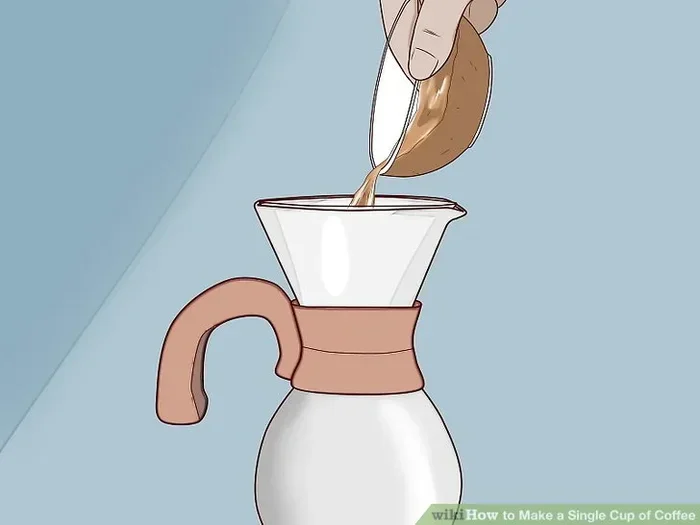
Visual guide about single cup of coffee
Image source: foodie.com
Arabica Beans
Arabica beans are popular in specialty coffee. They tend to grow at higher elevations and often produce a wider range of flavors. Their caffeine content is generally lower than Robusta. That does not mean they are weak. It simply means they usually provide a more moderate caffeine dose. Many home brewers prefer Arabica for its balance and aroma. If you want a smoother cup with a steady lift, Arabica is a common choice.
Robusta Beans
Robusta beans usually contain more caffeine than Arabica beans. That extra caffeine can give the brew a sharper edge. Robusta is often used in espresso blends and some stronger commercial coffees. It can also be more resistant to certain plant stresses, which makes it useful for growers. If you drink a blend with a higher Robusta share, your cup may contain more caffeine than a pure Arabica brew of the same size.
Blends and Commercial Coffees
Many coffee bags are blends. A blend may combine Arabica and Robusta to balance flavor, body, and cost. Some instant coffees and canned drinks also use specific blends to keep caffeine and flavor consistent. If you are sensitive to caffeine, blends can be tricky because the ratio may not be obvious. When possible, check the packaging or choose a brand that shares more details about the beans.
Does Roast Level Change Caffeine Content?
This is one of the most common coffee myths. Many people assume dark roast always means more caffeine because it tastes bolder. In reality, roast level affects flavor more than caffeine. The difference in caffeine between light and dark roasts is usually small. If you measure by scoop, light roast can sometimes contain slightly more caffeine because the beans are denser. If you measure by weight, the difference becomes even smaller.
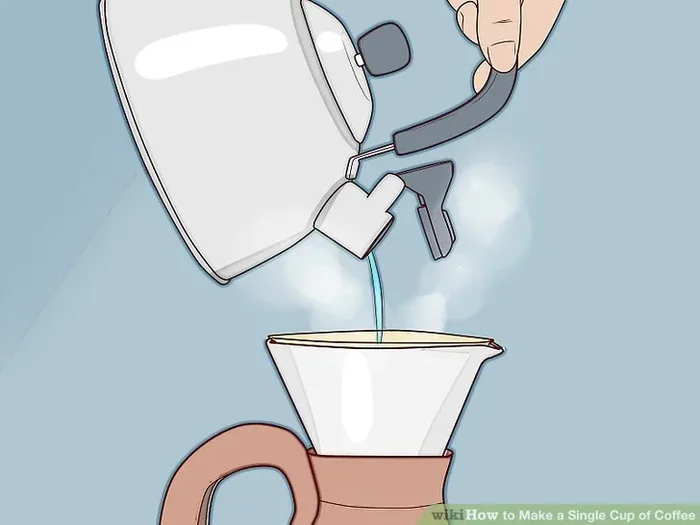
Visual guide about single cup of coffee
Image source: wikihow.com
What roast level does change is taste. Darker roasts tend to taste more smoky, bold, and bitter. Lighter roasts often preserve more acidity and origin flavors. So if you are choosing coffee for caffeine alone, roast is not the biggest lever. Bean type, brew ratio, and serving size matter more. If you are choosing coffee for flavor, roast level matters a lot.
How Cup Size Changes the Caffeine Count
Cup size is where many people get surprised. A home mug may hold 8 ounces. A café small may be larger. A medium or large drink can be much bigger than the standard baseline. That means the caffeine in your cup can climb quickly when the serving size grows. If you are asking how many mg of caffeine in one cup of coffee, always ask how large the cup actually is.
Small, Medium, and Large Servings
Here is a simple comparison of how serving size can change total caffeine:
- Small cup: A smaller serving usually stays closer to the 80 to 100 milligram range.
- Medium cup: A larger mug can push the total higher, especially with a stronger brew.
- Large cup: Big servings can reach 200 milligrams or more, depending on strength and size.
- Coffee shop drinks: Some large drinks contain multiple shots or extra coffee, which increases caffeine a lot.
This is why one person may feel relaxed after a cup while another feels overstimulated. The difference may not be the beans alone. It may be the size of the drink. If you want to manage your intake, pay attention to the actual ounces you drink, not just the word “cup.”
How to Estimate Caffeine in Your Own Brew
You do not need a lab to get a reasonable estimate. You just need a consistent routine and a few simple habits. Start by picking a standard measure for your grounds. Then keep your water amount steady. Over time, you will learn how your setup behaves. If you want more precision, you can also look at the general ranges for your brew method and adjust from there.
Practical Ways to Track Your Caffeine
- Use a standard ratio: Keep your coffee-to-water ratio consistent from day to day.
- Measure your grounds: A scoop or scale helps you repeat the same brew.
- Note your brew time: Longer contact can increase extraction.
- Watch serving size: Write down how much you actually drink.
- Check labels on packaged drinks: Bottled and canned coffees sometimes list caffeine content.
- Be careful with blends and pods: Different formats can change the total per serving.
If you want a more controlled cup, start with a baseline recipe and change one thing at a time. For example, keep the beans the same and adjust the amount of coffee. Or keep the ratio the same and change the brew time. Small changes are easier to understand than big overhauls. That makes it simpler to learn what drives your caffeine level.
Quick Tip: Start Low and Adjust
If you are unsure how much caffeine you want, begin with a modest serving. Drink it and notice how you feel. If you want more lift, increase the coffee amount slightly next time. If you feel too jittery or too alert at night, reduce the serving or switch to a smaller cup. This simple feedback loop works better than guessing.
Common Mistakes When Estimating Caffeine
People often overestimate or underestimate caffeine because they focus on the wrong things. The taste of the coffee is not a reliable caffeine meter. A bold flavor does not always mean more caffeine. A smooth, mild cup can still contain a solid amount. Here are some common mistakes to avoid.
- Assuming flavor equals strength: Taste and caffeine are related, but they are not the same thing.
- Ignoring serving size: A large drink can double or triple the total caffeine.
- Treating all brews as identical: Espresso, drip, cold brew, and instant coffee are not equal.
- Forgetting bean type: Robusta-heavy blends can be higher in caffeine.
- Changing too many variables at once: That makes it hard to learn what changed the result.
If you avoid these mistakes, you will get a much clearer picture of your daily intake. The goal is not perfection. The goal is enough accuracy to make good choices.
Expert Insights: Using Caffeine Wisely
Caffeine can be a helpful tool when you use it with intention. It can support focus and alertness, especially in the morning or during a long afternoon. The key is to match your intake to your body and your schedule. Some people tolerate caffeine well. Others feel anxious, restless, or sleepy in a weird way after too much. Listening to your own response is one of the best guides you have.
Smart Habits for Daily Coffee Drinkers
- Set a cutoff time: Many people stop caffeine earlier in the day to protect sleep.
- Spread intake out: One huge dose can feel very different from smaller servings across the day.
- Hydrate too: Coffee can be part of a healthy routine, but water still matters.
- Watch added ingredients: Sugary drinks can change how your energy feels after the caffeine fades.
- Adjust for special days: Stress, poor sleep, or a busy schedule may change how caffeine affects you.
If you want a steadier routine, think of coffee as part of your day, not just a quick fix. A predictable brew, a sensible serving size, and a reasonable cutoff time can make caffeine feel much more manageable. That is usually better than chasing a perfect number.
Quick Comparison: Caffeine by Common Coffee Types
This table gives a general overview. Your actual results will still depend on beans, ratio, and preparation.
- Drip coffee, 8 ounces: About 80 to 100 milligrams
- Espresso, 1 shot: About 60 to 80 milligrams
- French press, 8 ounces: Similar range to drip, often a bit variable
- Cold brew, diluted: Can be similar to hot coffee or higher, depending on concentrate
- Instant coffee, 8 ounces: Often a bit lower than brewed coffee
- Large café drink: Can be much higher, especially with multiple shots
Use this as a rough map, not a strict rulebook. The more consistent your brewing habits are, the easier it becomes to estimate your own numbers.
Conclusion
So, how many mg of caffeine in one cup of coffee? For most people, a standard 8-ounce cup of brewed coffee lands in the 80 to 100 milligram range, with many cups hovering near 95 milligrams. That is a helpful average, but your real number depends on the bean, the roast, the brew method, and especially the size of your serving. Espresso is concentrated, but a full mug of drip coffee often delivers more caffeine overall. Robusta beans usually bring more caffeine than Arabica. Light and dark roasts are closer than many people think. And a large café drink can change the math completely.
The best approach is to learn your own routine. Measure your grounds. Keep your ratio steady. Notice how different cup sizes affect you. If you want more control, adjust one variable at a time. If you want less caffeine, choose a smaller serving, a milder brew, or a bean profile that suits you. If you want more, increase the coffee amount carefully and watch your timing. With a little attention, you can turn coffee from a mystery into a reliable part of your day.
Frequently Asked Questions
How many mg of caffeine in one cup of coffee on average?
A standard 8-ounce cup of brewed coffee usually contains about 80 to 100 milligrams of caffeine. Many cups land near 95 milligrams, but your exact amount can vary based on beans, brew time, and serving size.
Does espresso have more caffeine than drip coffee?
Espresso has more caffeine per ounce, but a full cup of drip coffee usually has more caffeine overall because the serving is larger. A single espresso shot often contains about 60 to 80 milligrams of caffeine.
Do light roast coffees have more caffeine than dark roasts?
Not by much. Light roasts can sometimes have slightly more caffeine by scoop because the beans are denser, but the difference is usually small. Roast level affects flavor more than caffeine content.
How much caffeine is in a large coffee from a café?
A large café drink can contain far more than a standard cup, sometimes 200 milligrams or more. The total depends on the drink size, the number of shots, and how strongly the coffee is brewed.
Which has more caffeine, Arabica or Robusta beans?
Robusta beans generally contain more caffeine than Arabica beans. That is why Robusta-heavy blends can feel stronger, even when the cup size is the same.
How can I lower the caffeine in my cup of coffee?
You can use less coffee, choose a smaller serving, shorten the brew time a bit, or pick a bean and brew style that tends to be milder. Decaf coffee is another option if you want very little caffeine.