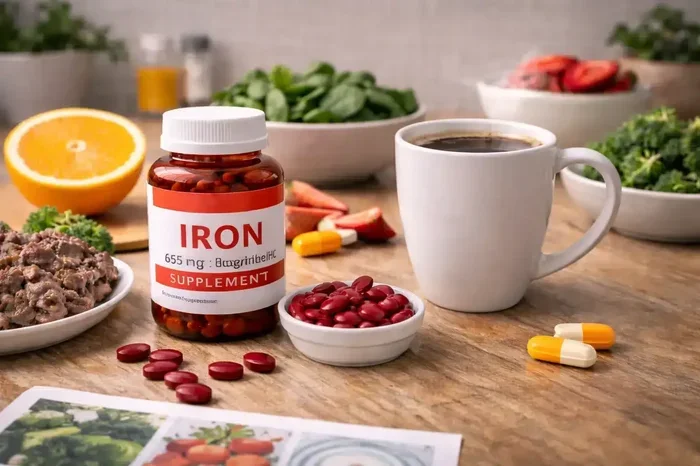
Many people ask, does coffee deplete iron, and the short answer is that it can reduce absorption when timing is off. Coffee does not strip iron from your body, but it can make it harder for your gut to take in the iron from meals. This matters most for people with low iron, heavy periods, or plant-based diets. The good news is that small changes in timing and food pairing can protect your levels. Here is what you need to know to keep your energy steady and your coffee habit intact.
This is a comprehensive guide about Does Coffee Deplete Iron.
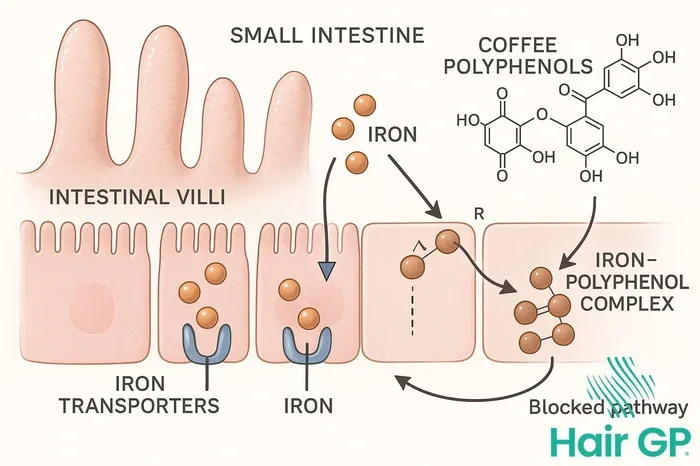
Visual guide about coffee beans and iron supplements
Image source: hairgp.co.uk
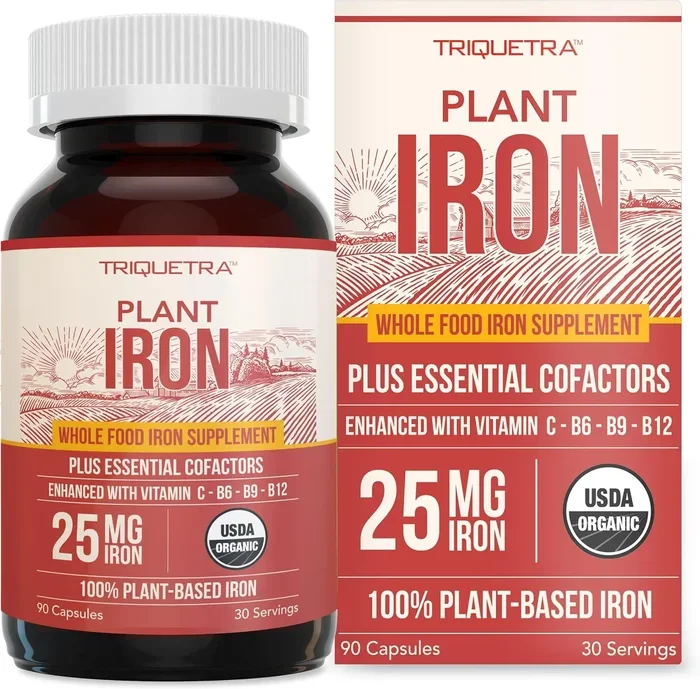
Visual guide about coffee beans and iron supplements
Image source: m.media-amazon.com
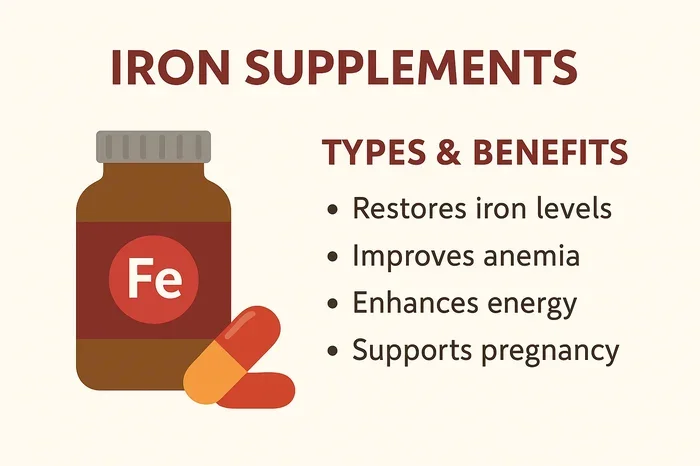
Visual guide about coffee beans and iron supplements
Image source: healthitamin.com
Key Takeaways
- Coffee can lower iron absorption: Compounds in coffee may bind to iron and reduce how much your body absorbs from food.
- Timing matters most: Drinking coffee between meals instead of with meals can greatly reduce the impact on iron uptake.
- Non-heme iron is more affected: Plant-based iron is more sensitive to coffee than iron from meat, so vegetarians and vegans should plan meals carefully.
- Low iron has real symptoms: Fatigue, pale skin, shortness of breath, and poor focus can signal low iron, so pay attention to your body.
- Pair iron with vitamin C: Adding vitamin C-rich foods can boost absorption and help offset the effect of coffee.
- Not everyone needs to worry: People with healthy iron stores and balanced diets often tolerate coffee with meals without major issues.
- Simple habits help a lot: Wait 30 to 60 minutes after meals before drinking coffee, and consider testing if you feel tired often.
[FEATURED_IMAGE_PLACEHOLDER]
Does Coffee Deplete Iron? What the Science Says
You wake up, brew a fresh cup, and feel ready for the day. Then you hear a rumor that your favorite drink might be draining your iron. It sounds scary, but the truth is more nuanced. Coffee does not actively remove iron from your body. Instead, it can interfere with how much iron your gut absorbs from the food you eat. That difference matters, because absorption and depletion are not the same thing.
Iron is a mineral your body uses to build hemoglobin, the part of red blood cells that carries oxygen. When iron intake is low or absorption is poor, you may feel tired, weak, or foggy. Coffee contains compounds that can bind to iron in the digestive tract. This binding can reduce the amount of iron that moves into your bloodstream. The effect is real, but it is usually modest for most healthy people.
The main concern is with non-heme iron, which comes from plant foods like beans, lentils, spinach, and fortified cereals. Non-heme iron is already less easily absorbed than heme iron from animal foods. Coffee can make this process even less efficient if you drink it close to mealtime. The good news is that you do not need to quit coffee to protect your iron. Small timing changes and smart food pairings often solve the problem.
How Coffee Interacts With Iron Absorption
Your digestive system is clever, but it is also sensitive to what you consume together. Coffee contains polyphenols, which are plant compounds with antioxidant properties. These compounds can attach to iron and form complexes that your body absorbs less readily. Caffeine also plays a role, though the effect is smaller than many people think. The bigger issue is usually the polyphenols and the timing of your cup.
When you drink coffee with a meal, the compounds mix with the iron in your food. This can reduce the amount of iron that crosses from your gut into your blood. The effect is strongest for non-heme iron. Heme iron from meat is more stable and less affected by coffee. That is why some people with balanced diets do not notice any problem at all.
The size of the effect depends on several factors. Your current iron stores matter. If your body already has plenty of iron, it naturally absorbs less anyway. If your stores are low, your body tries to absorb more, but coffee can still interfere. The type of meal matters too. A meal rich in vitamin C can improve absorption and partly offset the coffee effect. A meal heavy in calcium or phytates can reduce absorption further.
Who Should Pay Extra Attention
Some people need to be more careful about coffee and iron. If you have low iron, heavy menstrual bleeding, or a condition that affects absorption, coffee timing matters more. Pregnant people also need more iron, so planning coffee around meals can help. Vegetarians and vegans often rely on non-heme iron, so they may notice the effect more clearly.
Athletes and highly active people can also be more sensitive. Intense training increases iron needs, and small absorption issues can add up over time. If you feel unusually tired, short of breath, or your performance drops, it is worth checking your iron status. Coffee is only one piece of the puzzle, but it is an easy one to adjust.
Older adults may have different absorption patterns too. Some medications can affect iron uptake, and coffee can add to that effect when taken near meals. If you take supplements or medicines, ask a healthcare professional about timing. A simple conversation can prevent a lot of guesswork.
Practical Ways to Protect Your Iron Without Quitting Coffee
You do not need to choose between your morning brew and healthy iron levels. The easiest fix is timing. Try to drink coffee between meals rather than with meals. Waiting about 30 to 60 minutes after eating gives your body time to absorb iron before the coffee compounds arrive. This one habit can make a meaningful difference.
Food pairing is another powerful tool. Add vitamin C-rich foods to iron-rich meals. Citrus fruit, strawberries, bell peppers, tomatoes, and broccoli can help your body absorb more iron. If you eat a spinach salad, add peppers and a squeeze of lemon. If you have oatmeal with fortified cereal, add berries on the side. These small additions stack up over time.
If you take iron supplements, timing matters even more. Many people absorb supplements better on an empty stomach, but some need food to avoid stomach upset. If you need food, choose a small snack with vitamin C and keep coffee a bit farther away. Your clinician or pharmacist can help you find a routine that fits your stomach and your schedule.
Common Mistakes People Make With Coffee and Iron
One common mistake is assuming coffee is the only culprit. Many factors affect iron absorption, including calcium, phytates, tannins from tea, and certain medications. If you focus only on coffee, you may miss bigger issues. A balanced view helps you make better choices.
Another mistake is skipping iron-rich foods because you fear coffee will block everything. That is not necessary. You can still enjoy coffee and get enough iron by planning meals and timing your cups. Avoiding iron-rich foods can backfire and leave you with less iron, not more.
A third mistake is ignoring symptoms. Fatigue has many causes, and low iron is only one of them. If you feel tired all the time, do not assume coffee is to blame or that more coffee will fix it. A simple blood test can clarify what is happening. Then you can act with confidence instead of guessing.
Quick Tips to Balance Coffee and Iron
Here are some easy habits that work well for most people.
- Time your coffee: Drink it between meals, ideally 30 to 60 minutes after eating.
- Add vitamin C: Pair iron-rich meals with citrus, berries, peppers, or tomatoes.
- Choose iron sources wisely: Include both heme and non-heme iron foods if you eat animal products.
- Watch tea and calcium: These can also affect absorption, so space them out when needed.
- Test, do not guess: If fatigue persists, ask about a blood test for iron status.
- Keep it simple: Small changes beat drastic rules. Consistency matters more than perfection.
For many people, the best approach is steady and practical. You can enjoy coffee and still support healthy iron levels. The key is to treat coffee as one part of your day, not the boss of your meals. When you plan timing and food pairings, you reduce the chance of absorption issues and keep your energy more stable.
Expert Insights on Coffee and Iron
Nutrition experts often say that context matters more than fear. Coffee is not a poison, and iron is not a magic fix. The relationship is about timing, diet quality, and individual needs. For a person with normal iron stores and a varied diet, coffee with meals may have little noticeable effect. For someone with low iron or a plant-heavy diet, spacing coffee away from meals can be helpful.
Experts also note that overall diet patterns matter more than any single drink. A diet with enough iron-rich foods, vitamin C, and variety usually supports healthy levels. Coffee can fit into that pattern without causing trouble for most people. The goal is not to eliminate coffee, but to use it wisely.
If you are unsure, a healthcare professional can look at your full picture. They may suggest a blood test, review your diet, and help you adjust timing or supplements. That personalized guidance is often more useful than generic rules. Everyone absorbs nutrients a bit differently, so one size does not fit all.
Key Takeaways on Coffee and Iron
Let’s recap the most useful points.
- Coffee can reduce absorption: It does not deplete iron, but it can lower how much iron your body takes from food.
- Timing is the easiest fix: Drinking coffee between meals often reduces the effect on iron uptake.
- Non-heme iron is more sensitive: Plant-based iron is affected more than iron from animal foods.
- Vitamin C helps: Adding vitamin C-rich foods can improve absorption and offset some of the effect.
- Symptoms matter: Persistent fatigue or weakness deserves a checkup, not just a coffee change.
- Balance beats restriction: You can keep your coffee habit and still support healthy iron levels with simple habits.
Conclusion
So, does coffee deplete iron? Not exactly. Coffee can make it harder for your body to absorb iron from meals, especially non-heme iron from plant foods. It does not pull iron out of your body or cause depletion on its own. For most people, the effect is manageable with a few simple habits.
The best strategy is to time your coffee between meals, pair iron-rich foods with vitamin C, and pay attention to your overall diet. If you have risk factors for low iron or you feel tired often, a blood test can give you a clear answer. Then you can adjust with confidence.
You do not need to give up coffee to protect your iron. You just need a plan that fits your body and your routine. With small changes and a little awareness, you can enjoy your cup and keep your energy steady.
Frequently Asked Questions
Does coffee deplete iron from the body?
Coffee does not remove iron that is already in your body. It can reduce how much iron you absorb from food, especially when you drink it with meals. The effect is usually small for healthy people, but it can matter more if your iron is already low.
Should I stop drinking coffee if I have low iron?
You usually do not need to stop completely. Spacing coffee away from meals and adding vitamin C-rich foods can help a lot. If your iron is low, a healthcare professional can help you build a plan that includes coffee if you want it.
Is tea worse than coffee for iron absorption?
Tea also contains polyphenols that can reduce iron absorption, and some teas can have a similar effect to coffee. The main idea is the same: timing matters. Drinking tea between meals instead of with meals can help reduce the impact on iron uptake.
Can I take iron supplements with coffee?
It is usually better to avoid taking iron supplements with coffee, since coffee can reduce absorption. Many people do better with water and a small vitamin C-rich snack if needed. If coffee upsets your stomach or affects absorption, ask a pharmacist or clinician for a timing that works for you.
What foods help iron absorption the most?
Foods rich in vitamin C help a lot, such as citrus fruit, strawberries, bell peppers, tomatoes, and broccoli. Combining these with iron-rich foods can improve absorption. For plant-based meals, this pairing is especially useful because non-heme iron is harder to absorb.
How do I know if coffee is affecting my iron levels?
The only reliable way is through a blood test and a review of your symptoms. Fatigue, pale skin, shortness of breath, and poor focus can happen for many reasons, not just low iron. If you suspect a problem, get tested before making big changes to your diet or coffee habit.
Frequently Asked Questions
What is Does Coffee Deplete Iron?
Does Coffee Deplete Iron is an important topic with many practical applications.