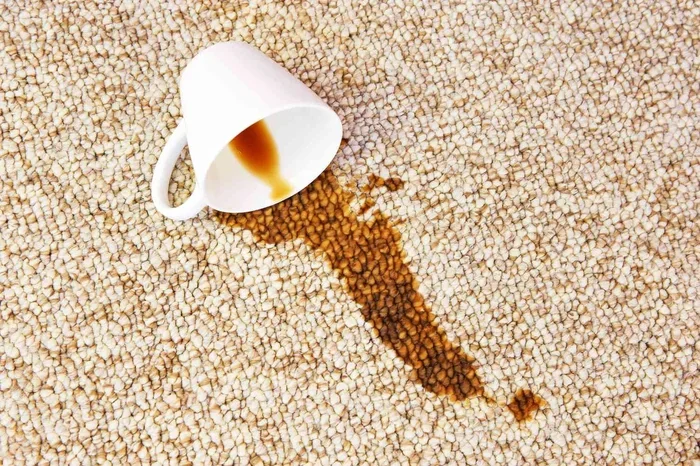
Coffee spills happen to everyone, but dried marks do not have to ruin your floors. You can remove stubborn spots with common household items like vinegar, dish soap, and baking soda. Acting fast helps, yet old stains still lift with the right technique. This guide shows you exactly how to get dried coffee stains out of carpet without harsh chemicals.
Spilled coffee feels like a small disaster when it hits your favorite rug. The dark liquid sinks fast. It leaves a brown mark that seems impossible to lift. You might worry that the stain will stay forever. The good news is that most coffee marks come out with simple steps. You do not need fancy products or expensive services. A few household items often do the job well.
Many people try to scrub hard right away. That instinct makes things worse. Rubbing pushes the coffee deeper into the fibers. It also spreads the mark across a wider area. The right approach is gentler. You want to lift the stain, not grind it in. This guide walks you through safe methods that work on most carpet types. You will learn what to use, what to avoid, and how to protect your floors.
Old coffee spots feel stubborn because the tannins bind to the fibers over time. Heat and time make the mark set harder. Still, you can break that bond with the right mix of water, mild soap, and a little patience. The process takes a bit longer for dried stains, but the result is worth it. Let us look at the best ways to restore your carpet.
Key Takeaways
- Act quickly: Fresh spills clean easier, but dried marks still come out with patience.
- Blot, never rub: Pressing pushes liquid deeper and spreads the stain.
- Use mild cleaners first: Dish soap and warm water often work before trying stronger solutions.
- Test hidden spots: Always check colorfastness on a small area first.
- Rinse well: Leftover soap attracts dirt and causes new stains.
- Dry completely: Air drying prevents mold and keeps fibers fresh.
- Repeat if needed: Old coffee stains may need two or three gentle treatments.
📑 Table of Contents
Why Coffee Stains Stick to Carpet Fibers
Coffee contains natural compounds called tannins. These compounds love to cling to fabric and woven fibers. When coffee dries, the water evaporates and leaves the dark particles behind. The stain then settles deep into the carpet pile. Synthetic fibers hold the mark differently than natural fibers. Wool and cotton tend to absorb more liquid. Nylon and polyester may show a clearer surface stain.
The type of coffee matters too. Black coffee leaves a simpler mark. Coffee with milk, cream, or sugar adds oils and sugars to the mix. Those extras can make the spot sticky and harder to clean. Sugary residues also attract dirt over time. That is why a clean carpet can look dirty again soon after a spill. Understanding what is in the spill helps you choose the right cleaner.
Tannins and How They Bond
Tannins are plant-based compounds. They appear in tea, wine, and coffee. These compounds react with fibers and create a dark outline. The bond grows stronger as the liquid dries. Warmth speeds up the process. That is why a hot cup of coffee leaves a stronger mark than a cool one. Breaking the bond requires moisture and a gentle lifting action.
Milk, Sugar, and Added Oils
Dairy adds fat to the spill. Fat does not mix well with water alone. You may need a small amount of dish soap to cut through the grease. Sugar dissolves in water, but it can leave a sticky film if you do not rinse well. That film traps dust and turns the area gray. A thorough rinse prevents this problem.
What You Need Before You Start
Gather your supplies first. Running for tools mid-clean lets the stain set further. You probably already have most items at home. Keep everything within reach before you begin.
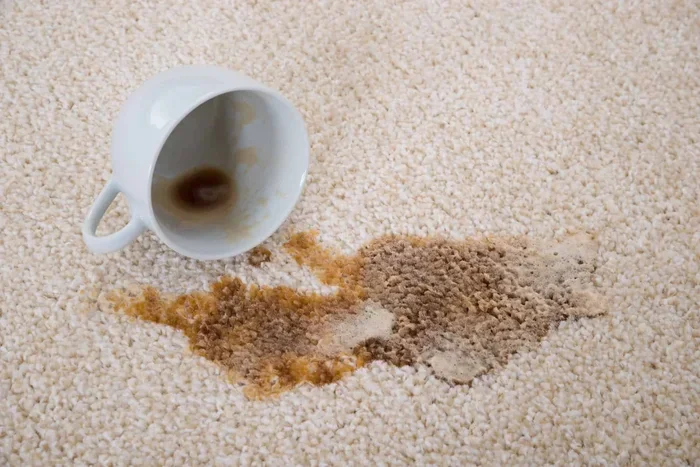
Visual guide about dried coffee stain on carpet
Image source: littlecoffeeplace.com
- Clean white cloths or paper towels: White fabric shows color transfer clearly.
- Mild dish soap: A gentle formula cuts grease without harsh chemicals.
- Warm water: Not boiling. Hot water can set some stains.
- White vinegar: A mild acid that helps break down coffee residues.
- Baking soda: Useful for lifting and neutralizing odors.
- A soft brush or sponge: For gentle agitation.
- A spray bottle: For even application of cleaning solutions.
- A vacuum cleaner: For final drying and fluffing the fibers.
Always check the carpet care label first. Some rugs need special handling. Delicate fibers may react poorly to vinegar or scrubbing. If you are unsure, test every solution in a hidden corner. Wait for the spot to dry before you proceed.
Step-by-Step Guide to Remove Dried Coffee Stains
This method works for most home carpets. It starts gentle and only moves to stronger steps if needed. Patience matters more than force.
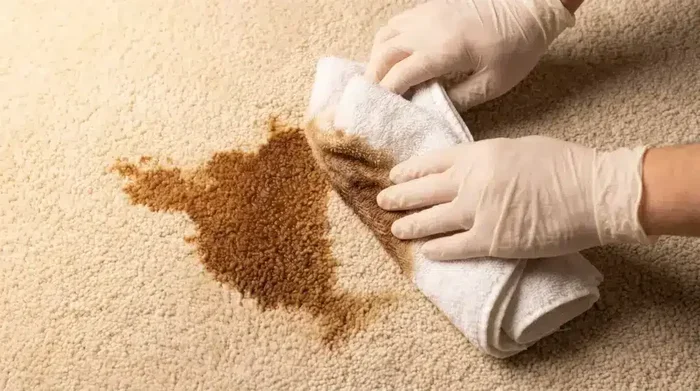
Visual guide about dried coffee stain on carpet
Image source: cdn.opplehouse.com
Step 1: Vacuum the Area First
Start by removing loose dirt. Dust and grit can grind into the fibers during cleaning. A quick vacuum clears the surface. It also helps you see the true size of the stain. Use a slow pass over the spot. If the carpet is thick, go over it twice.
Step 2: Rewet the Stain Gently
Dried coffee needs moisture to loosen. Dampen a clean cloth with warm water. Press it onto the stain for a few seconds. Do not soak the carpet. Too much water can reach the pad underneath. Blot lightly to reactivate the dried residue. You should see a bit of color lift onto the cloth.
Step 3: Apply a Mild Soap Solution
Mix one teaspoon of mild dish soap with one cup of warm water. Stir gently. You want suds, not a heavy soap mixture. Dip a cloth into the solution. Wring it out well. Press the cloth onto the stain and blot. Work from the outside toward the center. This prevents the ring from spreading outward.
Repeat the blotting motion several times. Switch to a clean part of the cloth as the color transfers. You should see the mark fade step by step. If the stain is old, this may take a few minutes. Stay calm and keep blotting.
Step 4: Use Vinegar for Stubborn Spots
If soap alone does not work, add white vinegar. Mix one tablespoon of vinegar with two cups of warm water. Spray a small amount onto the stain. Let it sit for a minute. The mild acid helps break down the coffee residue. Blot again with a clean cloth.
Vinegar is safe for many carpets, but not all. Always test first. If the fiber looks good after the test spot dries, continue. Rinse the area with a water-dampened cloth afterward. This removes any vinegar smell and leftover residue.
Step 5: Try Baking Soda for Odor and Lift
Some coffee spills leave a faint smell behind. Baking soda helps with both odor and light lifting. After you blot the area clean, sprinkle a thin layer of baking soda over the damp spot. Let it sit until the carpet dries. Then vacuum it up. This step also helps fluff the fibers.
For tougher spots, you can make a paste with a little water and baking soda. Apply it lightly. Let it rest for ten minutes. Blot it away gently. Do not scrub hard. Baking soda is mildly abrasive, so gentle pressure is enough.
Other Safe Home Remedies That Work
Not every kitchen has the same supplies. You can adapt the process with what you have. The goal stays the same: loosen the stain, lift it out, and rinse well.

Visual guide about dried coffee stain on carpet
Image source: tipsbulletin.com
Dish Soap and Warm Water
This is the safest starting point. It works well on fresh and dried marks. Use a small amount of soap. Too much soap leaves a film. That film draws dirt later. Keep the mix weak and rinse thoroughly.
Vinegar and Water Mix
Vinegar works as a mild acid. It helps break down coffee tannins and lightens the mark. Use clear white vinegar. Colored vinegars can add new stains. Dilute it well. Strong vinegar solutions can affect some fibers. A light mix is usually enough.
Baking Soda Paste
A baking soda paste works as a gentle lift. It also helps with smells. Apply it thinly. Let it dry. Vacuum it away. This method suits light stains and odor control. For deep old stains, combine this with the soap step above.
Hydrogen Peroxide for Light Carpets
Hydrogen peroxide can lighten dark marks on light carpet. Use it carefully. It may bleach some fibers. Test it in a hidden area first. If the test looks good, dab a small amount on the stain. Blot it away after a short wait. Rinse well. This remedy suits light-colored rugs only.
Common Mistakes That Make Stains Worse
Small errors can turn a simple cleanup into a bigger problem. Avoid these common traps.
- Scrubbing hard: Scrubbing spreads the stain and damages fibers.
- Using hot water: Very hot water can set coffee marks faster.
- Skipping the rinse: Soap left behind attracts dirt.
- Overwetting the carpet: Too much water reaches the padding and slows drying.
- Using colored cloths: Dye can transfer to damp carpet.
- Ignoring the care label: Some rugs need special handling.
- Giving up too soon: Old stains may need two or three rounds.
The biggest mistake is rushing. Coffee stains respond better to steady, gentle work. If one method does not finish the job, move to the next step. Do not jump to harsh chemicals. Most home remedies handle the job safely.
Aftercare and Keeping Carpet Fresh
Once the stain is gone, finish with proper aftercare. This step protects your work and keeps the carpet looking fresh.
Rinse and Blot Dry
Go over the cleaned area with a cloth dampened with plain water. Blot until the soap or vinegar is gone. Then press a dry towel over the spot to pull out moisture. Repeat with a fresh towel if needed. The goal is to leave the fibers as dry as possible.
Speed Up Drying
Open a window if the weather allows. A fan helps too. Good airflow prevents damp smells and protects the padding. If the carpet feels wet, place a dry towel over the spot and weigh it down lightly. The towel absorbs leftover moisture. Remove it after a few minutes.
Fluff the Fibers
After the area dries, the carpet may look flat. Use your fingers or a soft brush to lift the pile. A light vacuum pass also helps. This restores the texture and blends the spot with the rest of the room.
Prevent Future Stains
A few simple habits reduce future spills. Place coasters near seating areas. Use mugs with lids when you carry coffee across the room. Keep a small cleaning kit nearby if you often drink in that space. Quick action makes every future spill easier to handle.
If you want to keep your space even cleaner, think about how you store coffee gear and snacks nearby. Simple storage habits reduce clutter and make cleanup faster. Small routines protect both your carpet and your kitchen flow.
Expert Insights and Key Takeaways
Cleaning pros usually agree on a few core rules. Blot first. Use mild solutions before strong ones. Rinse well. Dry fully. These steps apply to most carpet stains, not just coffee. The process stays simple when you follow a calm routine.
Here is what to remember:
- Start gentle: Soap and water handle many dried marks.
- Move slowly: Blot from the outside in.
- Test first: Hidden spot tests prevent damage.
- Rinse well: Leftover cleaner causes new dirt buildup.
- Dry fast: Good airflow protects the carpet padding.
- Repeat if needed: Old stains may need another round.
If the stain remains after several careful attempts, the coffee may have reached the padding. In that case, a professional cleaner can help. Deep stains sometimes need special equipment. Still, many marks fade enough with home care to become barely noticeable.
For a broader view on handling kitchen spills and protecting your space, you may also find it useful to read about how to get rid of roaches in kitchen cabinets and how to get rid of small ants around kitchen sink. These topics share a similar theme: quick action and simple routines keep your home cleaner.
When you learn how to get dried coffee stains out of carpet, you gain a skill that saves money and reduces stress. Most rugs recover well with steady care. Keep your supplies ready. Test first. Blot, rinse, and dry. Your carpet can look fresh again with a little patience.
Frequently Asked Questions
Can dried coffee stains come out of carpet?
Yes, most dried coffee stains can be removed with gentle cleaning. Start by rewetting the spot, then blot with mild soap and water. Older stains may need a second round, but many fade well with patience.
What is the best homemade cleaner for coffee stains on carpet?
A mix of mild dish soap and warm water works well for most carpets. White vinegar diluted with water can help with stubborn marks. Always test any solution in a hidden area first.
Should I use hot water on a coffee stain?
No, very hot water can set the stain faster. Warm water is safer because it loosens the residue without baking the coffee into the fibers. Keep the temperature moderate.
How do I remove old coffee stains from light carpet?
Light carpet often responds to soap, water, and careful blotting. For tougher spots, a diluted vinegar solution can help. Hydrogen peroxide may work on some light fibers, but test it first to avoid bleaching.
Why does my carpet smell like coffee after cleaning?
A lingering smell often comes from leftover residue or moisture trapped in the fibers. Rinse the area well and dry it fully. Baking soda can help absorb odors once the spot is clean.
When should I call a professional for a coffee stain?
Call a professional if the stain remains after several careful attempts or if the carpet padding may be soaked. Deep or old stains sometimes need special equipment. A pro can also help with delicate rug fibers.