Sealed coffee does not spoil like milk, but it loses flavor and aroma over time. The shelf life depends on whether you have whole beans, ground coffee, or instant coffee. Proper storage in a cool, dark place helps maintain freshness longer. Always check for off smells or stale taste before brewing. Understanding how coffee ages helps you enjoy better cups every day.
Many people ask does sealed coffee go bad when they find an old bag in the pantry. The short answer is yes, but not in the same way food spoils. Coffee does not grow mold or make you sick easily. Instead, it loses its bright flavors and rich smell. This process is called oxidation. Air, heat, and light speed it up. Even in a sealed bag, time slowly changes the oils inside the beans.
Knowing how long your coffee stays good helps you avoid weak, boring cups. It also saves money because you stop brewing stale grounds. Whether you buy whole beans or pre-ground packs, the clock starts ticking after roasting. Packaging plays a big role too. Some bags use one-way vents to let gas escape while keeping air out. Others seal tightly to block moisture. Understanding these details makes your daily brew much better.
In this guide, we will break down everything you need to know. You will learn the real shelf life of different coffee types. We will share simple storage tricks that keep flavor locked in. You will also discover how to spot stale coffee before you waste a brew. Let us dive into the facts and help you enjoy fresher cups every morning.
Key Takeaways
- Whole bean coffee lasts longer: Unopened bags stay fresh for 6 to 9 months on the shelf.
- Ground coffee loses flavor faster: Sealed ground coffee is best used within 3 to 5 months.
- Instant coffee has the longest shelf life: It can last 1 to 2 years or more if kept dry.
- Oxygen is the enemy: Air exposure causes oxidation, which ruins taste and smell.
- Heat and light damage coffee: Store bags away from sunlight and warm spots.
- Smell and taste are key signs: Stale coffee smells flat or rancid and tastes dull.
- Freezing can help: You can freeze sealed coffee for long-term storage if done right.
📑 Table of Contents
- How Long Does Sealed Coffee Stay Fresh
- Does Sealed Coffee Actually Go Bad or Just Lose Flavor
- Why Coffee Goes Stale Inside a Sealed Bag
- Best Ways to Store Sealed Coffee for Maximum Freshness
- Does Ground Coffee Go Bad Faster Than Whole Beans
- How to Tell If Your Coffee Is Still Good to Brew
- Can You Still Drink Old Sealed Coffee Safely
- Final Thoughts on Does Sealed Coffee Go Bad
How Long Does Sealed Coffee Stay Fresh
When you ask does sealed coffee go bad, the timeline matters a lot. Unopened coffee does not last forever on the shelf. The clock starts at the roast date, not the purchase date. Most roasters print a best-by date that assumes proper storage. If you keep the bag untouched in a cool, dark place, you get the longest life. Here is a quick look at what to expect.
Whole Bean Coffee Shelf Life
Whole beans hold their flavor longer than ground coffee. The oils stay protected inside the hard shell. A sealed bag of whole beans usually stays good for 6 to 9 months past the roast date. Some high-quality bags last closer to a year if stored well. The key is keeping air and moisture out. Once you open the bag, the clock speeds up.
Ground Coffee Shelf Life
Ground coffee has more surface area. That means more contact with any tiny air left in the bag. Sealed ground coffee typically stays fresh for 3 to 5 months. After that, the taste grows flat and dull. Many people notice a papery or cardboard-like flavor. If your morning cup feels weak, the grounds may simply be too old.
Instant Coffee and Pod Coffee
Instant coffee lasts the longest because it is dried and stable. An unopened jar or packet can stay good for 1 to 2 years or more. Pod coffee also holds up well due to individual sealing. Each capsule keeps air away until you brew. Just keep them away from heat and humidity. These options are great for long pantry storage.
Quick Tip
Always check the roast or best-by date on the package. If the date has passed, the coffee is likely safe but may taste stale. Trust your nose and palate before tossing it.
Does Sealed Coffee Actually Go Bad or Just Lose Flavor
Many buyers worry about safety when they wonder does sealed coffee go bad. The good news is that old coffee rarely makes you sick. Coffee is a dry product with very low moisture. Mold and bacteria need water to grow. As long as the bag stays dry and sealed, harmful growth is unlikely. The real issue is quality, not safety.
Over time, the natural oils in coffee break down. This process changes the aroma and taste. Fresh coffee smells bright, floral, or nutty. Old coffee smells flat, dusty, or even slightly rancid. The flavor also drops. You may notice less acidity, weaker body, and a bitter finish. These changes happen slowly, so you might not catch them right away.
Moisture is the biggest risk for true spoilage. If water gets into the bag, mold can form. This is rare with sealed packages, but it can happen if the seal fails. Always inspect the bag for tears, holes, or clumping. If the coffee looks wet or smells musty, throw it out. Otherwise, you are mostly judging freshness, not safety.
Signs Your Sealed Coffee Is Past Its Prime
You can spot aging coffee with a few simple checks. Look at the color first. Fresh beans look rich and slightly oily if dark roasted. Old beans look dry and faded. Ground coffee may clump if moisture entered the package. Next, smell the bag. A stale scent tells you the oils have oxidized. Finally, brew a small test cup. If the taste feels hollow or overly bitter, the coffee has likely lost its best qualities.
- Color fade: Beans or grounds look dull and dry.
- Weak aroma: The bag smells dusty instead of rich.
- Clumping: Grounds stick together, suggesting moisture.
- Flat taste: The brew lacks brightness and depth.
- Off notes: You taste cardboard, wood, or rancid oil.
Why Coffee Goes Stale Inside a Sealed Bag
Even when the bag stays closed, coffee changes. The main culprit is oxygen. Tiny amounts of air remain in the package after sealing. Oxygen reacts with the oils and aromatic compounds. This reaction is called oxidation. It slowly drains the flavor and smell. The process is gradual, but it never stops completely.
Heat also plays a big role. Warm temperatures speed up chemical changes. A bag stored near a stove or in a hot garage ages faster. Light does damage too. Sunlight and bright indoor light break down delicate flavor notes. That is why many roasters use opaque bags or recommend dark storage.
Humidity matters as well. Coffee absorbs moisture from the air if the seal is not perfect. Moisture can cause clumping and flavor loss. It also raises the risk of mold if the package is compromised. Keeping coffee in a dry pantry is the safest bet. If you want to learn more about how moisture affects your body after drinking coffee, you can read Does Coffee Dehydrate Your Skin for a broader look at coffee and hydration.
The Role of Packaging and One-Way Valves
Good packaging slows the aging process. Many bags include a one-way valve. This small patch lets carbon dioxide escape after roasting. Beans release this gas for days or weeks. The valve prevents the bag from puffing up while keeping outside air from entering. Some packages also use foil liners and strong seals. These layers block light, air, and moisture much better than plain paper.
If you buy coffee in a clear jar or thin bag, it may age faster. Store those products in a cupboard right away. For more ideas on keeping your brew hot and fresh, check out Best Coffee Maker That Keeps Coffee Hot. The right equipment and storage habits work together to protect flavor.
Best Ways to Store Sealed Coffee for Maximum Freshness
Storage makes a huge difference in how long coffee stays good. You do not need fancy tools. You just need the right location and a few smart habits. The goal is simple. Keep the coffee cool, dark, dry, and sealed. Follow these steps to stretch the life of your beans and grounds.
Choose the Right Location
Pick a pantry or cupboard away from the stove, oven, and sunlight. A consistent temperature works best. Avoid places that get hot during the day. Do not store coffee above the kettle or near a window. These spots expose the beans to heat and light. A lower shelf in a quiet cabinet is ideal.
Keep the Original Bag or Use Airtight Containers
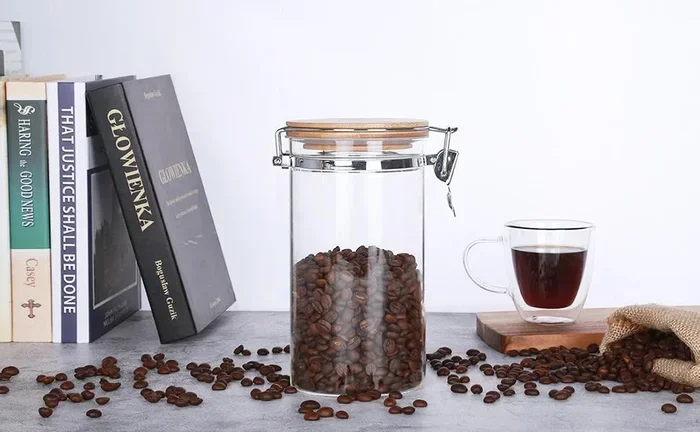
The original bag is often the best home for unopened coffee. It is designed to block air and light. If you transfer coffee, use a truly airtight container. Glass or metal with a tight seal works well. Make sure the container is clean and fully dry before filling it. Any leftover moisture can hurt the coffee.
Freezing for Long-Term Storage
Freezing is useful for large bags you will not use quickly. You can freeze sealed coffee for several months without major flavor loss. The trick is to avoid temperature swings. Place the bag in the freezer as-is if it is well sealed. Do not open it until you are ready to use it. When you take it out, let it reach room temperature before opening. This prevents condensation from forming on the beans.
Common Mistakes
- Storing coffee above the stove or near appliances.
- Keeping bags in clear jars on a sunny counter.
- Freezing coffee in small open portions that collect moisture.
- Refrigerating coffee, which introduces humidity and odors.
- Leaving the bag open between uses, which speeds oxidation.
If you are curious about other kitchen storage questions, such as how to tell if vacuum sealed meat is bad, you can read How To Tell If Vacuum Sealed Meat Is Bad 8 Tips to compare sealing methods across different foods.
Does Ground Coffee Go Bad Faster Than Whole Beans
Yes, ground coffee ages faster than whole beans. Grinding breaks the protective shell and exposes more surface area. More surface area means more contact with the small amount of air trapped in the bag. The oils also spread out and oxidize more quickly. That is why pre-ground coffee loses its spark sooner.
Whole beans stay stable longer because the interior oils remain tucked inside. You preserve more aroma and complexity when you grind just before brewing. If you love pour-over coffee, fresh grinding makes a noticeable difference. For the best results, consider a quality grinder. You can explore Best Burr Coffee Grinder For Pour Over to find a tool that matches your brewing style.
When Pre-Ground Coffee Makes Sense
Pre-ground coffee is still a great choice for convenience. It works well for drip machines, French press, and quick morning brews. Just buy smaller bags and use them within a few months. Keep the bag sealed until you are ready to brew. If you want stronger flavor from reusable pods, try Best Reusable K Cup For Stronger Coffee for tips on boosting taste without sacrificing convenience.
How to Tell If Your Coffee Is Still Good to Brew
You do not need a lab to judge coffee quality. Your senses do the job well. Start with the bag. Does it smell rich or flat? Next, look at the grounds or beans. Are they dry and free of clumps? Then brew a small cup. Taste it without sugar or milk first. This shows the true flavor profile. If the cup tastes dull, overly bitter, or cardboard-like, the coffee is likely past its best.
Another useful test is the aroma after grinding or opening. Fresh coffee releases a clear, pleasant scent. Stale coffee gives off a weak or dusty smell. If you brew a cup and the aroma is faint, the beans have probably aged too much. You can still drink it, but expect a less satisfying experience. For better cups, rotate your stock and use older bags first.
Expert Insight
Coffee quality peaks soon after roasting and slowly declines. Most drinkers notice the biggest drop after the first few months. For the best balance of flavor and value, buy amounts you can finish within 1 to 2 months of opening. Store unopened bags in a cool, dark place and track your roast dates.
Can You Still Drink Old Sealed Coffee Safely
In most cases, yes. Old sealed coffee is usually safe if it stayed dry and the package remained intact. The risk of illness is very low because coffee is a dry, low-moisture product. The main downside is poor taste, not health danger. If the coffee smells rancid, looks moldy, or feels damp, stop and discard it. Those are signs of real spoilage.
If the coffee simply tastes flat, you can still brew it. Some people use older coffee for iced drinks or mixed recipes where bold flavor matters less. You can also blend it with fresher beans to balance the cup. Just do not expect a bright, complex flavor from very old grounds. When in doubt, trust your nose and taste buds.
Practical Tips for Using Older Coffee
If your sealed coffee is past its peak but still dry and safe, try these ideas. Use it for cold brew, which softens harsh notes. Mix it with fresher coffee to stretch the bag. Add spices like cinnamon or cocoa to improve the flavor profile. Avoid boiling the coffee, since heat can pull out more bitterness from aged grounds.
- Cold brew: Long steeping reduces bitterness.
- Blending: Mix old and new grounds for balance.
- Spices: Cinnamon, nutmeg, or cocoa add warmth.
- Lower heat: Brew at a gentler temperature to reduce harshness.
- Shorter contact: Reduce brew time if the coffee tastes bitter.
Final Thoughts on Does Sealed Coffee Go Bad
So, does sealed coffee go bad? It does not spoil in the dangerous way fresh food does, but it definitely loses quality over time. Whole beans last longer than ground coffee. Instant coffee lasts the longest of all. Oxygen, heat, light, and moisture are the main enemies of freshness. Store your coffee in a cool, dark, dry place and keep the package sealed until you are ready to brew.
When you know what to look for, you can avoid weak, stale cups. Check the aroma, color, and taste before you commit to a full pot. If the coffee smells dusty or tastes flat, it is probably time to grab a fresh bag. With simple storage habits and smart buying, you can enjoy better coffee every day. Freshness is the secret to a richer, more satisfying cup.
Frequently Asked Questions
Does sealed coffee expire or just lose flavor?
Sealed coffee does not truly expire in a dangerous way, but it loses flavor and aroma over time. The oils oxidize slowly, so the taste becomes flat and dull after several months.
How long does unopened ground coffee last?
Unopened ground coffee usually stays fresh for 3 to 5 months past the roast date if stored in a cool, dark place. After that, the flavor declines, though it is still generally safe to drink.
Can old sealed coffee make you sick?
Old sealed coffee rarely makes you sick because coffee is dry and low in moisture. The main risk is poor taste, not illness, unless moisture got in and caused mold.
Does freezing sealed coffee keep it fresh longer?
Yes, freezing can extend freshness if the bag stays sealed and dry. Avoid temperature swings and let the coffee reach room temperature before opening to prevent condensation.
Why does coffee taste stale even when the bag is closed?
Coffee tastes stale because oxygen, heat, and light slowly break down the oils and aromatic compounds inside the bag. Even sealed packages contain a small amount of air that causes oxidation over time.
Should I throw away coffee after the best-by date?
Not always. You can still use coffee after the best-by date if it smells normal and tastes acceptable. The date is a freshness guide, so trust your senses before tossing it.