
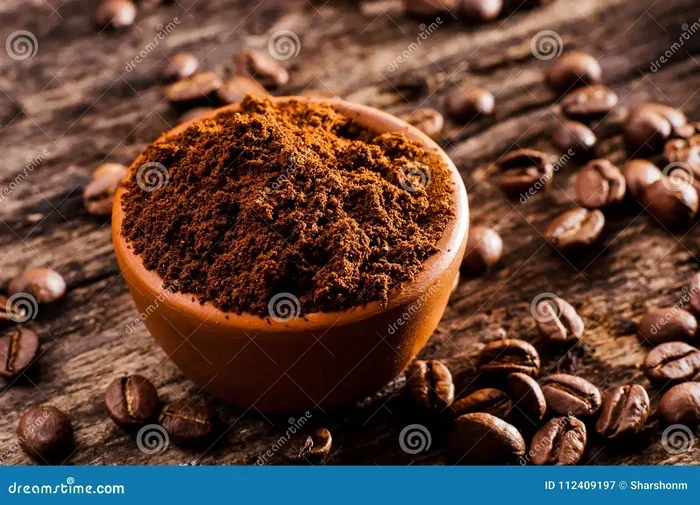
How to keep ground coffee fresh comes down to blocking air, light, heat, and moisture. Store your grounds in an airtight container, pick a cool dark spot, and buy smaller amounts you can use fast. These simple habits protect flavor and help you brew a richer cup every morning.
This is a comprehensive guide about How To Keep Ground Coffee Fresh.
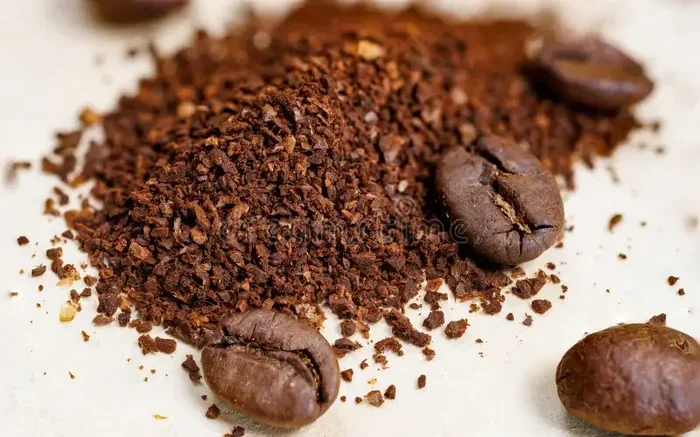
Visual guide about Freshly ground coffee beans
Image source: thumbs.dreamstime.com
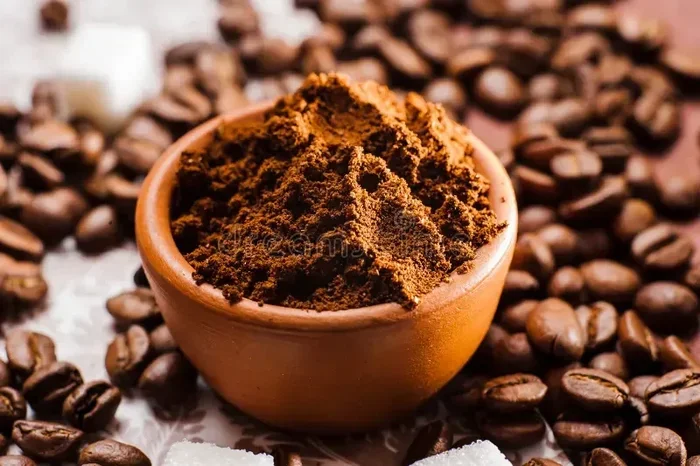
Visual guide about Freshly ground coffee beans
Image source: thumbs.dreamstime.com
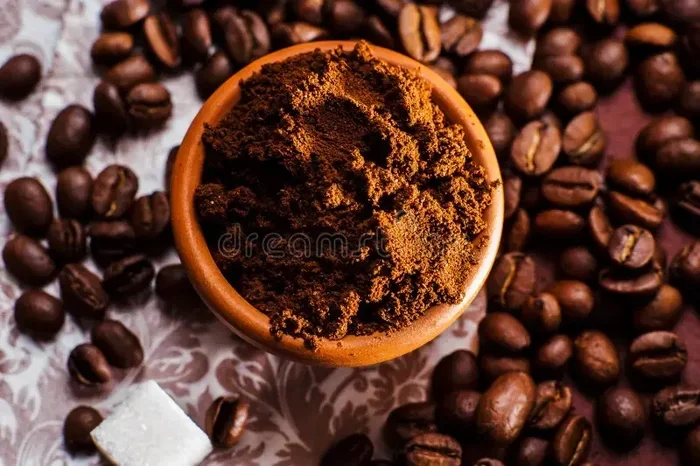
Visual guide about Freshly ground coffee beans
Image source: thumbs.dreamstime.com
Key Takeaways
- Block air exposure: Use a tight seal and close the lid right after each scoop to slow oxidation.
- Pick the right container: An opaque, airtight can or jar protects flavor better than a clear jar on the counter.
- Avoid heat and light: Keep grounds away from the stove, oven, and sunny windows to preserve aroma.
- Buy smaller batches: Freshness fades fast, so purchase amounts you can finish within a few weeks.
- Freeze with care: If you freeze grounds, use small sealed portions and avoid repeated thawing.
- Skip the fridge: Moisture and odors can ruin taste, so the fridge is usually not a good spot.
- Grind closer to brew time: Whole beans stay fresh longer, so grind right before you make your cup.
[FEATURED_IMAGE_PLACEHOLDER]
How to Keep Ground Coffee Fresh With Simple Storage Habits
Coffee tastes best when it stays close to its original flavor. Once you grind beans, the clock starts ticking. The tiny pieces release aroma faster, and they pick up smells from the air around them. That is why storage matters so much. If you learn how to keep ground coffee fresh, you can enjoy a richer cup without wasting money or flavor.
Most people do not need fancy tools. They just need a few smart habits. Keep your grounds away from air, heat, light, and moisture. Use a good container. Buy the right amount. These small steps make a big difference over time. You will notice the change in your morning cup, and your coffee will taste cleaner and more balanced.
This guide breaks the process into easy steps. You will learn what hurts freshness, where to store your grounds, and how to handle larger batches. You will also find quick tips for everyday use. The goal is simple. Make storage easy, keep flavor strong, and enjoy better coffee without extra effort.
What Hurts Coffee Freshness the Most
Ground coffee changes fast because it has more surface area than whole beans. More surface area means more contact with oxygen. Oxygen slowly drains away the oils and compounds that give coffee its taste. Light speeds up that process too. Heat does the same thing. Even a warm kitchen counter can shorten the life of your grounds.
Moisture is another problem. Humidity can make grounds clump and lose their crisp aroma. It can also invite stale flavors. Strong smells are sneaky as well. Coffee can absorb odors from spices, soap, or other foods if the container is not sealed well. Once that happens, the flavor profile changes quickly.
Here are the main enemies of freshness:
- Oxygen: It slowly dulls flavor and aroma.
- Light: Direct sun or bright kitchen light can degrade taste.
- Heat: Warm spots make coffee age faster.
- Moisture: Humidity and spills can ruin texture and flavor.
- Odors: Open containers can pick up unwanted smells.
If you want to protect your grounds, think about these factors first. A good storage plan simply limits them. That is the easiest path to better coffee.
Why Ground Coffee Ages Faster Than Whole Beans
Whole beans hold their oils inside a protective shell. Once you grind them, that protection disappears. The exposed surface starts interacting with the air right away. That is why many coffee lovers prefer to grind just before brewing. If you already own a grinder, this one habit can improve your cup a lot.
If you buy pre-ground coffee, you can still keep it fresh for a while. You just need to be more careful. Use it sooner, seal it tightly, and store it in the best possible spot. Freshness is not all or nothing. Even small improvements help your coffee taste better.
The Best Container for Daily Coffee Storage
A good container does a lot of the work for you. It should block light, limit air, and close securely. You do not need something expensive. You need something practical. A solid, opaque container with a tight lid usually works well. If you prefer a jar, make sure it seals well and sits out of direct light.
Some coffee bags have built-in valves. Those valves let gas escape without letting air in. That design can be helpful for unopened bags. Once you open the bag, though, the real challenge begins. Folding the bag down and clipping it can help for a short time. Still, a separate container often gives better protection for daily use.
Look for these features:
- Airtight lid: It should close firmly and not leak air easily.
- Opaque material: Dark or solid-colored containers block light better.
- Easy to open and close: If it is awkward, you may leave it open too long.
- Cleanable design: Wipe it dry often so no old oils build up.
If you want a simple rule, choose the container that keeps air and light away with the least effort. The easier it is to use, the more likely you are to keep it sealed.
Container Mistakes That Reduce Freshness
Some containers look nice but do not protect well. Clear glass jars on a sunny shelf can let in too much light. Loose lids can let air move in and out every time you walk by. Scooping with wet spoons can add moisture too. Even a small amount of water can change the texture and flavor of the grounds.
Try to keep the container dry and clean. Use a dry scoop or a clean spoon. Close the lid right after use. If you notice stale smells building up, wash the container and dry it fully before refilling. A little care goes a long way.
Where to Store Ground Coffee at Home
Location matters almost as much as the container. You want a place that stays cool, dry, and dark. A pantry shelf or cabinet often works well. A cupboard away from the stove is another good choice. The main idea is to avoid spots that heat up during the day.
Many people keep coffee near the kettle, toaster, or oven because it is convenient. That convenience can cost you flavor. Heat from cooking, baking, or even sunlight through a window can affect the grounds. If you want to know how to keep ground coffee fresh in a busy kitchen, choose a spot that is out of the way and stable.
Good storage spots usually have these traits:
- Cool temperature: Not near appliances or direct sun.
- Low moisture: Away from sinks and steam.
- Dark or shaded: Less light exposure.
- Easy access: You can close it quickly after use.
Places to Avoid
Some common spots seem practical but are not ideal. The top of the fridge can get warm from the motor. Windowsills can get bright and hot. Counters near cooking areas can heat up quickly. Even a cute display spot can hurt freshness if it gets too much light or heat. If you like keeping coffee visible, use a closed container so the look does not come at the cost of flavor.
If your kitchen is small, pick the best available spot, not the most decorative one. Freshness should come first. You can always move the container if your routine changes.
How Long Ground Coffee Stays Fresh
Ground coffee does not stay at peak flavor forever. It usually tastes best within a few weeks after opening. After that, it may still be safe to drink, but the flavor can fade. The aroma may get lighter too. That is why buying the right amount matters. A smaller bag that you finish quickly is often better than a large bag that sits for months.
If you use coffee every day, a weekly or biweekly supply may be a smart size. If you brew less often, buy even less at once. This approach keeps your supply moving and reduces waste. It also helps you enjoy a more lively cup.
A simple freshness timeline looks like this:
- First few days: Best aroma and flavor after opening.
- First couple of weeks: Still strong, if stored well.
- After several weeks: Flavor may soften and become less vibrant.
- Longer storage: Coffee can taste flat or dull.
Signs Your Coffee Is Losing Freshness
Your senses can tell you a lot. Fresh coffee usually has a clear aroma and a bold smell when you open the container. If the scent feels weak, the flavor may be fading too. If the grounds look clumpy from moisture, that can be another warning sign. Taste is the final test. If your brew tastes flat, sour in an unpleasant way, or less balanced, the coffee may no longer be at its best.
You do not need to throw coffee away the moment it starts to age. Use it for a little longer if it still tastes fine to you. But if the flavor has clearly dropped, it may be time to open a fresh batch.
Freezing and Long-Term Storage: Do It Right
Freezing can help if you need to store coffee for a longer time. The key is to do it carefully. Freezing works best when you divide the coffee into small portions before freezing. That way, you can take out only what you need. If you refreeze the same batch again and again, you expose it to more air and moisture each time.
Use a sealed bag or container made for freezing. Remove as much air as possible. Label the portion with the date so you know how long it has been stored. When you are ready to use it, let it come to room temperature while still sealed. That helps reduce condensation. Then brew as usual.
Freezer Tips That Help
- Portion before freezing: Small amounts are easier to use.
- Seal tightly: Limit air and moisture as much as possible.
- Avoid repeated thawing: Take out one portion at a time.
- Let it warm in the container: This reduces moisture buildup.
Freezing is not always necessary for everyday use. If you buy coffee often, a cool pantry may be enough. But if you want to store a larger batch for a while, freezing can be a useful option when done carefully.
Should You Store Ground Coffee in the Fridge
This is a common question. The fridge can seem like a cool, safe place, but it has drawbacks. Fridges are moist environments. They also hold many food odors. Coffee can absorb those smells if the container is not perfectly sealed. Even then, opening and closing the fridge can create temperature changes that may affect the coffee.
For most people, the fridge is not the best choice for daily storage. A cool, dark pantry or cabinet is usually better. If you are trying to figure out how to keep ground coffee fresh without extra hassle, skip the fridge and choose a stable spot instead.
If you still want to use the fridge for long-term storage, make sure the container is very tightly sealed. Keep the coffee away from strong-smelling foods. And once you take it out, do not put it back and forth between cold and warm too often. That cycle can create moisture problems.
Smart Buying and Brewing Habits for Fresher Coffee
Storage is only part of the picture. How you buy and use coffee matters too. If you want better flavor, think about the whole process from purchase to brew. Start by buying coffee that fits your routine. If you drink a few cups a week, a smaller bag may make more sense than a large one. Freshness is easier to maintain when you use the coffee faster.
Grinding your own beans can also help a lot. Whole beans stay protected longer than grounds. If you have a grinder, use it right before brewing. If you do not, consider buying smaller amounts of pre-ground coffee and storing them carefully. Either way, the goal is the same: less time exposed to air.
Helpful habits include:
- Buy smaller amounts more often.
- Open one bag at a time.
- Use a clean, dry scoop.
- Close the container immediately after use.
- Brew with good water and the right temperature.
Quick Tips for Better Daily Coffee
Small routines can improve your cup without much effort. Keep your scoop dry. Do not leave the container open while you measure. Wipe the rim of the container if grounds stick there. If you brew in the morning, set up your storage so you can close it fast. These tiny habits add up. They also make it easier to protect flavor every day.
If you ever feel like your coffee is tasting dull, check the storage first. Often the issue is not the beans alone. It is how long they sat out, how warm the room got, or how often the container was left open. Fix those basics and your next cup may improve right away.
Common Mistakes That Shorten Coffee Life
Even simple storage can go wrong if a few habits slip. Here are some common mistakes people make:
- Leaving the lid off too long. Air gets in every second the container is open.
- Storing coffee near heat. Appliances and sunlight can speed up flavor loss.
- Using a damp scoop. Moisture can clump the grounds and hurt aroma.
- Keeping one huge bag for months. Long storage usually lowers quality.
- Ignoring odors. Coffee can pick up flavors from nearby foods.
Avoiding these mistakes is easy once you know them. The main idea is to be quick, clean, and consistent. Good storage does not require perfection. It just requires a little attention.
Expert Insights for Better Flavor at Home
If you want a stronger, cleaner cup, focus on the first few minutes after opening the bag. That is when the most exposure happens. Pour out what you need, close the bag or container, and put it away right away. If you make coffee often, this quick routine becomes automatic.
Another useful idea is to match your storage to your habits. If you brew every morning, keep your coffee in the easiest-to-use spot that still protects it. If you only make coffee on weekends, store smaller amounts and keep the rest sealed. The best system is the one you will actually follow.
You can also pay attention to the way your coffee smells when you open it. A strong aroma usually means the coffee still has good vitality. A weak or flat smell often means it has been exposed too long. Use that as a simple guide when deciding whether to open a new batch.
Final Thoughts on How to Keep Ground Coffee Fresh
Keeping ground coffee fresh is not complicated. It mostly comes down to limiting air, light, heat, and moisture. Use a solid, airtight container. Store it in a cool, dark place. Buy amounts you can use quickly. If you need longer storage, freeze small portions with care. These steps are simple, but they protect flavor in a very real way.
The best part is that you do not need a perfect setup. You just need a better routine. Close the lid. Keep the container dry. Move the coffee away from warm spots. Make these small changes and your coffee will usually taste cleaner, brighter, and more satisfying. That is the real goal: better coffee with less waste and less effort.
Frequently Asked Questions
Does ground coffee go bad?
Yes, ground coffee can lose flavor and aroma over time. It may still be safe to use, but the taste can become dull or flat after too long.
What is the best way to store ground coffee?
The best way is in an airtight, opaque container kept in a cool, dark, dry place. Close the lid right after each use to limit air exposure.
Can I freeze ground coffee to keep it fresh?
You can freeze ground coffee if you portion it into sealed bags and avoid repeated thawing. Let the portion warm in the sealed container before brewing.
Is the fridge a good place for coffee storage?
Usually not. The fridge can be moist and full of food odors, which may affect the coffee flavor. A dark pantry or cabinet is often better.
How long does opened ground coffee stay fresh?
Opened ground coffee is usually best within a few weeks if stored well. After that, it may still work, but the flavor can fade.
Should I grind beans right before brewing?
Yes, grinding right before brewing usually gives the freshest flavor. Whole beans stay protected longer, so they lose aroma more slowly than ground coffee.



