
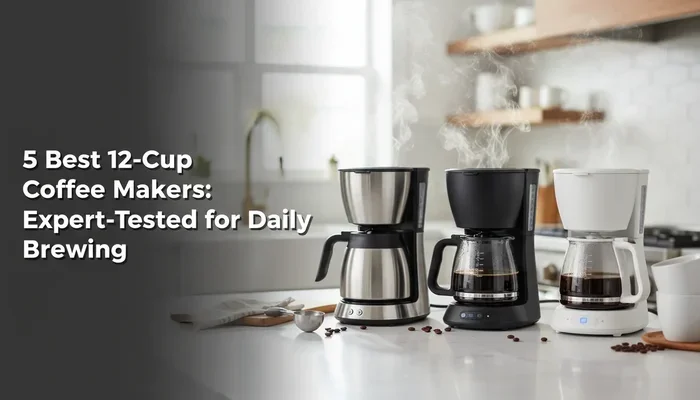
Getting the right coffee-to-water ratio makes all the difference between a dull, weak cup and a rich, satisfying brew. For a standard 12-cup pot, you will need roughly 12 to 24 tablespoons of ground coffee, depending on your preferred strength. This guide breaks down the exact measurements, explains why ratios matter, and shares easy tips to dial in your perfect morning cup.
Making a big pot of coffee should feel simple, but the measurements can get confusing fast. You might stare at the coffee can, the scoop, and the water reservoir, wondering if you are about to make a weak mess or a bitter disaster. The good news is that nailing the right amount is easier than it seems once you understand a few basic rules.
In this guide, we will walk through exactly how many tablespoons of coffee for 12 cups, explain why the ratio matters, and share practical tips that help you brew a pot everyone enjoys. Whether you use a standard drip machine, a French press, or a pour-over setup, the same core ideas apply. Let us dive in and make your next morning brew a little better.
Key Takeaways
- Standard Ratio: Use 1 to 2 tablespoons of coffee per 6 ounces of water for a balanced brew.
- 12-Cup Measurement: A full 12-cup pot requires 12 to 24 tablespoons of ground coffee, or about 3/4 to 1.5 cups by volume.
- Bean Type Matters: Darker roasts and finer grinds often taste stronger, so adjust your tablespoon count accordingly.
- Water Quality Counts: Clean, filtered water improves flavor extraction and prevents bitter or flat notes.
- Grind Consistency: Use a medium grind for drip machines to avoid over-extraction or weak coffee.
- Taste and Adjust: Start with 1.5 tablespoons per cup, then tweak up or down based on your personal preference.
- Freshness Wins: Grind your beans right before brewing for the brightest flavor and best aroma.
📑 Table of Contents
Understanding the Coffee-to-Water Ratio
The secret to great coffee is not magic. It is balance. The coffee-to-water ratio tells you how much ground coffee you need for a given amount of water. When the ratio is right, your brew tastes smooth, flavorful, and consistent. When it is off, you end up with something watery or harsh.
Most coffee experts recommend a simple starting point. A common rule is one to two tablespoons of coffee for every six ounces of water. This range works well for most drip coffee makers and gives you room to adjust based on taste. If you like a lighter cup, lean toward one tablespoon. If you want a bolder cup, move closer to two tablespoons.
Why Six Ounces Matters
Coffee makers do not always measure cups the same way. A standard “cup” on many drip machines equals about six ounces, not the eight ounces you might expect from a drinking mug. That difference matters when you calculate your grounds. If you assume eight ounces per cup, you will use less coffee than intended and end up with a weaker pot.
For a 12-cup machine, the total water is usually around 72 ounces. That means you are working with twelve six-ounce servings. Once you know that, the math becomes straightforward. You can scale your tablespoons up or down without guessing.
Quick Ratio Guide
Here is a simple reference you can keep in mind:
- Light strength: 1 tablespoon per 6 ounces of water
- Medium strength: 1.5 tablespoons per 6 ounces of water
- Strong strength: 2 tablespoons per 6 ounces of water
This range gives you flexibility. You can taste your brew and adjust the next batch. Coffee is personal, so the best ratio is the one that makes you happy.
How Many Tablespoons of Coffee for 12 Cups
Now let us answer the main question directly. If you are brewing a full 12-cup pot, you will need between 12 and 24 tablespoons of ground coffee. That range covers light, medium, and strong preferences. For a balanced, everyday cup, 18 tablespoons is a solid middle ground.
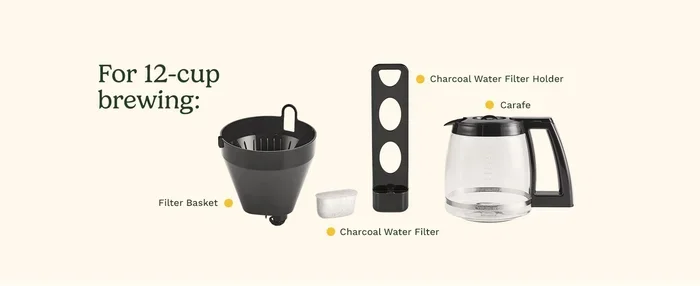
Visual guide about coffee brewing 12 cups
Image source: m.media-amazon.com
To make it even easier, think in terms of simple measurements. Twelve tablespoons equal three-quarters of a cup. Twenty-four tablespoons equal one and a half cups. So you can measure by tablespoons or use a standard measuring cup if you prefer. Both methods work fine as long as you stay consistent.
Breaking Down the Numbers
Here is how the math looks in practice:
- Light brew: 12 tablespoons (about 3/4 cup) for a milder pot
- Medium brew: 18 tablespoons (about 1 cup plus 2 tablespoons) for a balanced pot
- Strong brew: 24 tablespoons (about 1.5 cups) for a bold pot
If you have a kitchen scale, you can also weigh your coffee. A common weight-based ratio is about 1 gram of coffee for every 15 to 18 grams of water. For a 12-cup pot, that usually means around 120 to 140 grams of coffee for a medium strength brew. Weight is more precise than volume, but tablespoons are perfectly fine for daily brewing.
Adjusting for Your Taste
Not everyone likes the same strength. Some people want a gentle morning cup that they can sip for a long time. Others want a strong, energizing brew that stands up to milk or sweeteners. Start with 1.5 tablespoons per six-ounce cup, then change it by half a tablespoon at a time until you find your sweet spot.
If your coffee tastes weak or sour, add a little more ground coffee next time. If it tastes bitter or heavy, use a little less. Small changes make a big difference, so do not jump from 12 tablespoons to 24 in one go. Tweak slowly and keep notes if you want to repeat a great batch.
Choosing the Right Grind for Your Brew
The size of your coffee grounds affects extraction, which is how much flavor and caffeine end up in your cup. A grind that is too fine can make coffee taste bitter because it pulls out too much too fast. A grind that is too coarse can make coffee taste thin because water flows through too quickly.
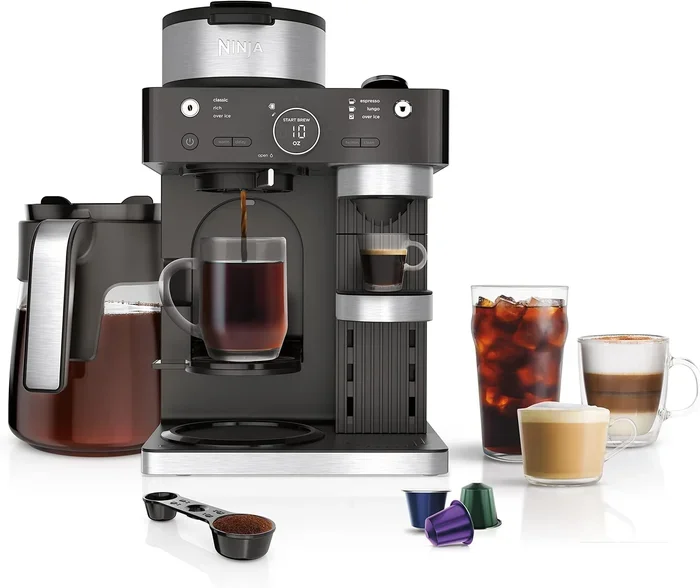
Visual guide about coffee brewing 12 cups
Image source: m.media-amazon.com
For most drip coffee makers, a medium grind works best. It looks a bit like regular sand and feels smooth, not powdery. This grind gives water a steady path through the grounds and helps create a balanced flavor. If you use a blade grinder, pulse it in short bursts and check the texture often.
Matching Grind to Brewing Method
Different methods need different grind sizes. Here is a quick overview:
- Drip coffee maker: Medium grind
- French press: Coarse grind, like sea salt
- Pour-over: Medium-fine grind
- Espresso: Fine grind, like table salt
If you are brewing a 12-cup pot in a standard machine, stick with a medium grind. That choice keeps the flow steady and helps you get the most from your tablespoons of coffee. If you notice the brew time seems too fast or too slow, the grind may need a small adjustment.
Freshness and Flavor
Grinding right before brewing gives you the freshest taste. Whole beans stay flavorful longer because less surface area is exposed to air. Once coffee is ground, it starts losing aroma and brightness more quickly. If you can, grind only what you need for each pot.
If you prefer pre-ground coffee for convenience, keep it sealed tightly and use it within a reasonable time. Store it in a cool, dark place, and avoid leaving it open on the counter. Freshness matters just as much as the right measurement, so treat your grounds with care.
Water Quality and Brewing Temperature
Coffee is mostly water, so the quality of your water affects the final taste. If your tap water tastes strong or chalky, your coffee will too. Using filtered water often gives you a cleaner, smoother cup. You do not need fancy equipment, just a simple filter or bottled water if your tap water is not great.

Visual guide about coffee brewing 12 cups
Image source: cdn.shopify.com
Temperature also plays a big role. Hot water extracts flavor from the grounds, but water that is too hot can pull out bitter compounds. Water that is too cool can leave the coffee under-extracted and flat. Most drip machines handle temperature for you, but it helps to know what to expect.
Ideal Brewing Temperature
The sweet spot for brewing is usually between 195 and 205 degrees Fahrenheit. That range is hot enough to extract good flavor without scorching the coffee. If your machine brews too slowly or sits on a hot plate too long, the coffee can keep cooking and turn bitter after brewing.
To keep things tasting good, try these simple habits:
- Use fresh, filtered water when possible
- Clean your coffee maker regularly to remove buildup
- Avoid leaving the pot on the hot plate for hours
- Brew only the amount you will drink within a reasonable time
These small steps help protect the flavor you worked to create with the right tablespoons of coffee.
Common Mistakes When Measuring Coffee
Even experienced coffee drinkers can slip into bad habits. One common mistake is trusting the scoop that comes with the machine without checking its size. Some scoops hold more or less than a true tablespoon, which can throw off your ratio. If you want consistent results, use a standard measuring tablespoon or a scale.
Another mistake is changing too many things at once. If you adjust the coffee amount, the grind, and the water all in the same batch, you will not know what made the difference. Change one variable at a time so you can learn what works best for your taste.
Mistakes to Avoid
Here are a few pitfalls that can mess with your brew:
- Using inconsistent scoops: Different scoops give different results
- Ignoring grind size: The wrong grind can weaken or bitter the coffee
- Overheating the brew: Leaving coffee on heat too long ruins flavor
- Skipping cleaning: Old oils and residue affect taste
- Guessing the water amount: Fill the reservoir accurately for best results
Avoiding these mistakes makes it much easier to get a reliable pot every time. Once you build a simple routine, measuring how many tablespoons of coffee for 12 cups becomes quick and natural.
Practical Tips for a Better 12-Cup Brew
If you want a pot that tastes great and stays consistent, a few habits go a long way. Start by measuring your coffee the same way each time. Whether you use tablespoons, a scoop, or a scale, consistency helps you repeat good results.
Next, pay attention to the coffee itself. Different beans can taste stronger or lighter even when you use the same amount. A dark roast may taste bolder than a light roast at the same measurement, so be ready to adjust a little. Roast level, origin, and freshness all shape the final cup.
Simple Brewing Checklist
Use this quick list before you start:
- Check that your machine is clean
- Measure the water accurately for 12 cups
- Use 12 to 24 tablespoons of coffee based on strength
- Choose a medium grind for drip brewing
- Start brewing and taste the result
- Adjust the next batch if needed
This routine keeps things simple and repeatable. You do not need to overcomplicate the process. A little attention to measurement and taste goes a long way.
When to Use More or Less Coffee
There are times when you may want to lean toward the stronger or lighter end of the range. If you plan to add milk, cream, or sweetener, a slightly stronger brew can hold up better. If you enjoy black coffee and want something smooth and gentle, a lighter ratio may be more comfortable.
Also think about the occasion. A morning pot for a family might need a balanced strength that pleases different tastes. A personal batch for a quiet start can be tuned exactly to your preference. Either way, the same basic rule applies: start with a solid ratio, then tweak it until it feels right.
Final Thoughts on Brewing the Right Amount
Brewing a full pot does not have to be a guessing game. Once you know how many tablespoons of coffee for 12 cups, you can make a reliable, tasty brew with confidence. Start with 12 to 24 tablespoons, aim for a medium grind, use clean water, and adjust based on taste. That simple approach gives you a strong foundation for better coffee at home.
The best part is that you can keep improving over time. Each batch teaches you something about your machine, your beans, and your preferences. With a little practice, you will land on a routine that feels easy and delivers the flavor you want. Enjoy the process, trust your taste, and make each cup your own.
Frequently Asked Questions
How many tablespoons of coffee for 12 cups of water?
For a standard 12-cup pot, use 12 to 24 tablespoons of ground coffee, depending on how strong you want it. A balanced medium brew usually lands around 18 tablespoons.
Is a coffee scoop the same as a tablespoon?
Not always. Some coffee scoops hold more or less than a true tablespoon, so it helps to check the actual volume. For consistent results, use a standard measuring tablespoon.
How much coffee for 12 cups if I want it strong?
If you prefer a bold cup, use about 2 tablespoons of coffee per 6 ounces of water, which equals roughly 24 tablespoons for a 12-cup pot. You can adjust up slightly if needed, but too much can taste bitter.
Can I use a measuring cup instead of tablespoons?
Yes, you can. Twelve tablespoons equal about 3/4 cup, and 24 tablespoons equal about 1.5 cups. Just keep your measurement method consistent so your brew stays repeatable.
What grind should I use for a 12-cup drip coffee maker?
A medium grind works best for most drip machines. It lets water flow at a steady rate and helps extract a balanced flavor without turning the coffee bitter or weak.
Why does my 12-cup coffee taste weak even with the right amount?
Weak coffee can come from a coarse grind, low water temperature, old beans, or a machine that needs cleaning. Check your grind size, use fresh coffee, and make sure your brewer is working properly.



