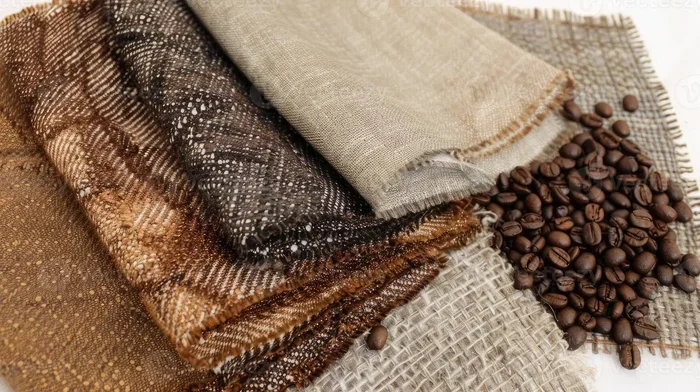
Coffee dyeing is a simple, eco-friendly way to give your clothes a new life. You can achieve rich, vintage brown tones using nothing more than your morning brew and some salt. This guide walks you through every step, from preparing the fabric to setting the color for long-lasting results.
Have you ever looked at an old white shirt and wished it had a little more character? Maybe you want a vintage look without buying new clothes. The solution might be sitting in your kitchen cupboard right now. Coffee dye fabric projects are becoming popular because they are easy, cheap, and safe. You do not need harsh chemicals to change the color of your textiles.
Using coffee for dyeing is an ancient technique that has made a comeback. People love it because it smells amazing and creates soft, earthy tones. It is perfect for beginners who want to try natural dyeing. You can turn dull linens into cozy table runners or refresh faded t-shirts. The process is relaxing and feels like a fun science experiment at home.
In this guide, we will show you exactly how to get started. We will cover the best fabrics to use and how to brew the perfect dye bath. You will also learn how to make the color last longer. By the end, you will have the confidence to transform your wardrobe naturally. Let us dive into the wonderful world of coffee dye fabric techniques.
Key Takeaways
- Natural Fabrics Work Best: Cotton, linen, and silk absorb coffee dye much better than synthetic fibers like polyester.
- Brew Strength Matters: The darker your coffee brew, the deeper and richer the final fabric color will be.
- Pre-Wash Is Essential: Always wash your fabric before dyeing to remove factory chemicals and ensure even absorption.
- Salt Sets the Color: Adding salt to the dye bath helps fix the coffee pigment to the fibers for durability.
- Rinse Until Clear: Keep rinsing the fabric in cool water until the water runs clear to prevent staining later.
- Dry Away From Sun: Air dry your dyed items in the shade to prevent the natural brown tone from fading too quickly.
- Experiment with Soak Time: Leaving fabric in the dye bath longer creates darker shades, so test small pieces first.
📑 Table of Contents
Preparing Your Materials and Fabric
Before you start brewing, you need to gather the right supplies. The success of your project depends on the materials you choose. Not all fabrics accept natural dye in the same way. You want to set yourself up for success from the beginning.
Choosing the Right Fabric
Natural fibers are the best candidates for this process. Cotton, linen, and silk absorb the coffee pigments very well. These materials are porous and allow the liquid to soak deep into the threads. Synthetic fabrics like polyester or nylon will not work well. They tend to repel water-based dyes and will leave you with uneven spots.
If you are using an old garment, check the label first. Make sure it is mostly natural fiber. A cotton blend might work, but the color will be lighter. Pure cotton gives the most dramatic results. You should also consider the original color of the item. White or light-colored fabrics show the brown tone best. Dark fabrics will not change much at all.
Gathering Your Supplies
You likely have most of these items in your kitchen already. Here is a simple list of what you need:
- White vinegar or salt: These act as mordants to help set the color.
- Large pot: Use one dedicated to crafting, not food.
- Coffee grounds: Used grounds work, but fresh brew is stronger.
- Water: You need enough to fully submerge your fabric.
- Tongs or gloves: To handle the hot fabric safely.
- Bucket or basin: For rinsing the fabric afterward.
Once you have your supplies, you need to prepare the fabric. This step is crucial for even coloring. Any dirt or oil on the cloth can block the dye. You want the fibers to be clean and open.
Pre-Washing the Fabric
Always wash your fabric before dyeing it. Use a gentle soap and warm water. Do not add any fabric softener or dryer sheets. These products leave a coating on the fibers that repels dye. You want the fabric to be raw and ready to absorb.
After washing, keep the fabric wet. Do not let it dry completely before putting it in the dye bath. Wet fabric absorbs color more evenly than dry fabric. This helps prevent patchy spots. If you are dyeing a large item like a curtain, make sure it fits in your pot. You need enough room for the water to circulate around the material.
Brewing the Perfect Dye Bath
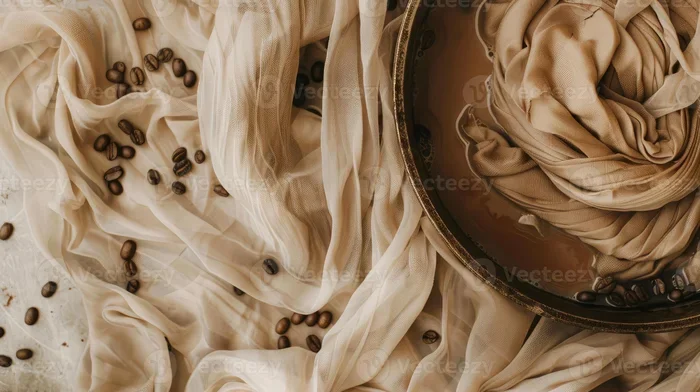
The strength of your coffee determines the final color. A weak brew will give a light tan. A strong brew will give a deep chocolate brown. You can control the shade by adjusting your brewing method. This is where the magic of coffee dye fabric happens.
Visual guide about coffee dyed fabric texture
Image source: static.vecteezy.com
Using Coffee Grounds vs. Brewed Coffee
You have two main options for your dye source. You can use leftover coffee grounds or brew a fresh pot specifically for dyeing. Used grounds are great for sustainability. They still hold plenty of pigment. However, fresh coffee usually produces a richer color.
If you use grounds, wrap them in a cheesecloth or coffee filter. This makes it easier to remove them later. If you brew coffee, make it much stronger than you would drink. Use half the amount of water you normally would. This concentrates the tannins and color compounds.
The Ratio of Coffee to Water
Getting the ratio right is key for consistent results. A good starting point is one cup of coffee grounds for every gallon of water. If you are using liquid coffee, use four cups of strong brew per gallon of water. You can adjust this based on how dark you want the shade.
Here is a quick comparison for different shades:
- Light Beige: Use weak coffee or fewer grounds.
- Medium Brown: Use standard strong coffee.
- Dark Chocolate: Use very strong brew or double grounds.
Remember that the fabric will look darker when wet. It will lighten slightly as it dries. Keep this in mind when judging the color in the pot. It is better to go slightly darker than you think you need.
The Dyeing Process Step by Step
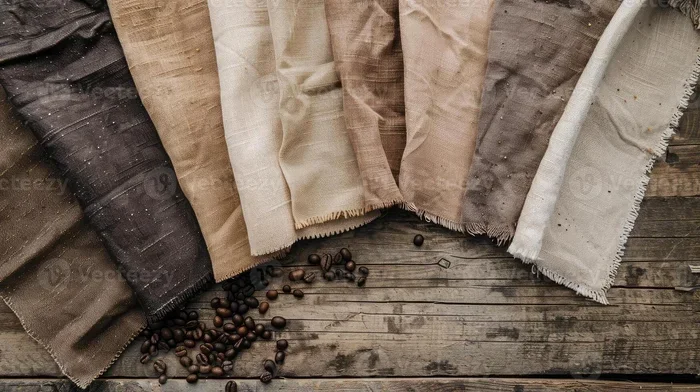
Now comes the fun part. You will submerge your fabric and let the coffee work its magic. Patience is important here. Rushing this step can lead to uneven coloring. Follow these steps carefully for the best results.
Visual guide about coffee dyed fabric texture
Image source: static.vecteezy.com
Simmering the Fabric
Start by bringing your dye bath to a simmer. Do not let it boil vigorously. High heat can damage delicate fibers like silk. A gentle simmer is enough to open the fabric pores. Once the water is hot, add your wet fabric.
Push the fabric down gently to ensure it is fully submerged. Use a wooden spoon or tongs to move it around. This prevents the fabric from folding on itself. Folded areas will not get equal exposure to the dye. Keep the fabric moving for the first ten minutes.
Timing and Soaking
How long should you leave the fabric in the bath? For a light color, thirty minutes is often enough. For darker shades, you can leave it for several hours. Some people even let it soak overnight in the pot. The longer the soak, the deeper the color.
Check the fabric every thirty minutes. Stir it gently to maintain even coverage. If you want a very dark look, you can reheat the bath. Add more coffee if the color starts to fade. Just remember that natural dyeing is somewhat unpredictable. Each batch might look slightly different.
Adding Salt or Vinegar
To help the color stick, you can add a mordant. Salt is a common choice for cotton and linen. Add half a cup of salt to the water during the last ten minutes of dyeing. Vinegar works well for silk or wool. Add one cup of white vinegar for those fibers.
These additives help bond the coffee pigments to the fabric. This makes the color more resistant to washing. Without them, the color might wash out quickly. This step is optional but highly recommended for longevity. It ensures your coffee dye fabric project lasts longer.
Rinsing and Setting the Color
Once you are happy with the color, you need to remove the fabric from the pot. This stage is just as important as the dyeing stage. Proper rinsing prevents bleeding later on. You want to lock in that beautiful brown tone.
Visual guide about coffee dyed fabric texture
Image source: img.pikbest.com
Rinsing in Cool Water
Remove the fabric using tongs or gloves. Be careful because it will be hot. Place it in a basin of cool water. Rinse it gently until the water starts to run clear. At first, the water will look very brown. This is normal.
Change the water several times if needed. Keep rinsing until you see no more color coming off. If you stop too soon, the excess dye will stain other clothes later. This step takes patience but it is worth it. You want the fabric to feel clean, not sticky.
Drying Your Dyed Items
After rinsing, wring out the excess water gently. Do not twist the fabric too hard. This can distort the shape. Hang the fabric to dry in a shaded area. Direct sunlight can fade the natural color quickly.
Avoid using a dryer if possible. Heat can set stains but also fade natural dyes. Air drying is gentler on the fibers. Once the fabric is dry, you can iron it if needed. Use a low heat setting. Your item is now ready to wear or use.
Caring for Coffee Dyed Fabric
Natural dyes require a little extra care compared to synthetic dyes. You want to preserve the color for as long as possible. With proper care, your items can stay beautiful for a long time. Here are some tips for maintenance.
Washing Instructions
When you wash your dyed fabric for the first time, do it separately. This prevents any remaining loose dye from staining other clothes. Use cold water and a mild detergent. Avoid bleach or harsh chemicals. These will strip the color immediately.
Turn your garments inside out before washing. This protects the outer surface from friction. Friction can cause fading over time. Wash on a gentle cycle to reduce wear and tear. Hand washing is even better for delicate items like silk.
Long-Term Maintenance
Over time, the color may soften. This is part of the natural charm. If you want to refresh the color, you can repeat the dyeing process. Just follow the same steps as before. You can also store your items away from direct light.
Moisture and heat are the enemies of natural dye. Keep your fabrics in a cool, dry place. If you spill something on the fabric, treat it quickly. Natural fibers absorb stains easily. Blot the spill instead of rubbing it. This helps maintain the integrity of the dye.
Creative Ideas for Coffee Dyeing
Once you master the basics, you can get creative. Coffee dyeing is not just for brown clothes. You can use it for home decor and crafts too. The earthy tones fit many styles.
Home Decor Projects
Old white sheets can become rustic tablecloths. You can dye napkins for a farmhouse look. Curtains can also be transformed with a coffee bath. Imagine walking into a room with soft, brown-toned curtains. It creates a warm and cozy atmosphere.
You can also dye pillowcases or aprons. These items take a lot of wear and tear. Dyeing them can hide stains and make them look new. It is a great way to update your kitchen without spending money.
Fashion and Accessories
Denim jeans can be darkened with coffee too. This is a popular trick for fading black jeans. You can also dye scarves or headbands. These are small projects that are easy to manage. They make great gifts for friends who love natural living.
You can even dye paper for an aged look. Coffee-dyed paper is perfect for scrapbooking or invitations. It gives a vintage feel to your crafts. The possibilities are endless when you know how to coffee dye fabric and other materials.
Common Mistakes to Avoid
Even simple projects can go wrong if you are not careful. Knowing what to avoid saves you time and effort. Here are some common pitfalls to watch out for.
Using Synthetic Fabrics
As mentioned earlier, polyester does not take coffee well. If you try to dye it, you will waste your coffee. The color will wash out almost immediately. Always check the care label before starting. Stick to natural fibers for best results.
Skipping the Pre-Wash
Skipping the wash step leads to uneven spots. Factory finishes block the dye from entering the fiber. You might end up with light patches on a dark background. Always wash your item first. It only takes a few minutes but makes a big difference.
Overcrowding the Pot
If you stuff too much fabric into the pot, the water cannot circulate. The dye will not reach all parts of the fabric. This creates uneven coloring. Use a large enough container for your project. Give the fabric room to move freely.
Key Takeaways for Success
To wrap up the main content, remember these core principles. Natural dyeing is an art that improves with practice. Do not be afraid to experiment with different strengths.
- Test First: Try a small scrap of fabric before dyeing a whole garment.
- Patience Pays: Longer soaking times create deeper colors.
- Clean Fabric: Pre-washing ensures the dye penetrates evenly.
- Gentle Care: Wash dyed items in cold water to preserve the color.
- Enjoy the Process: Embrace the unique variations in natural dyeing.
With these tips, you are ready to start your project. Enjoy the smell and the results. It is a rewarding way to refresh your belongings.
Frequently Asked Questions
Can I use instant coffee to dye fabric?
Yes, you can use instant coffee granules to dye fabric. Dissolve the granules in hot water before adding the fabric. However, brewed coffee or grounds often provide a richer and more consistent brown tone.
Will coffee dye damage my clothes?
Coffee is generally safe for natural fabrics like cotton and linen. It does not contain harsh chemicals that break down fibers. Just avoid using boiling water on delicate materials like silk to prevent heat damage.
How do I remove coffee stains from dyed fabric?
If you spill something on dyed fabric, rinse it immediately with cold water. Avoid hot water as it can set the stain. Use a mild soap and blot gently instead of rubbing to protect the dye.
Can I dye dark fabric with coffee?
Coffee dye works best on white or light-colored fabrics. It will not show up well on dark blue or black clothes. The brown tone needs a light base to be visible and effective.
How long does the coffee color last?
The color can last a long time if you set it properly with salt or vinegar. Washing in cold water and avoiding sunlight will help preserve the shade. Expect some fading over many washes as it is a natural dye.
Do I need to seal the fabric after dyeing?
You do not need a commercial sealant. Adding salt or vinegar during the rinse process acts as a natural mordant. This helps bond the color to the fibers without extra chemicals.