Adding butter to coffee is a simple way to create a rich, smooth drink that keeps you full and focused. Most people do best with one to two tablespoons of unsalted butter per cup, but your perfect amount depends on your taste and goals. This guide breaks down the ideal butter ratio, the best fats to use, and easy steps to blend your brew without clumps or grease.
How much butter to put in coffee is one of those simple questions that leads to a surprisingly rich answer. A little fat can turn a sharp, bitter cup into a smooth, cozy drink that feels like a meal. The trick is finding the sweet spot where creaminess meets comfort, without turning your morning brew into a heavy sludge.
Most coffee lovers start with one tablespoon per cup and adjust from there. That amount usually gives you a silky mouthfeel and a gentle sense of fullness. If you want a richer texture, you can push to two tablespoons, but go slow. Too much fat can overwhelm the coffee and leave a greasy film on the cup.
This guide walks you through the ideal ratios, the best butter choices, and easy mixing methods that actually work. You will also learn how to tweak the flavor, manage calories, and avoid common mistakes. By the end, you will know exactly how much butter fits your taste, your routine, and your goals.
Key Takeaways
- Start small: Use one tablespoon of butter per eight-ounce cup to test the taste and texture.
- Pick the right fat: Grass-fed butter or MCT oil blends work best for creaminess and steady energy.
- Blend it well: A quick blend or vigorous whisk prevents greasy layers and floating chunks.
- Mind the calories: Each tablespoon adds about 100 calories, so adjust based on your daily goals.
- Skip the salt: Unsalted butter keeps the drink clean and lets the coffee flavor shine.
- Try variations: Add cinnamon, vanilla, or a dash of salt to balance richness and boost flavor.
- Store smart: Pre-measure butter sticks or use frozen cubes for fast morning prep.
📑 Table of Contents
- Why Add Butter to Coffee in the First Place
- How Much Butter to Put in Coffee: The Ideal Ratio
- Best Types of Butter for Coffee
- How to Mix Butter Into Coffee Without Clumps
- Flavor Tips and Smart Variations
- Calories, Energy, and Common Mistakes
- How Much Butter to Put in Coffee for Your Routine
- Final Thoughts on Butter in Coffee
Why Add Butter to Coffee in the First Place
People add butter to coffee for a few simple reasons. The fat rounds out sharp flavors, softens acidity, and creates a velvety texture that feels satisfying. Many drinkers also like the way a little fat slows down the caffeine rush, which can help them feel steady instead of jittery.
The idea became popular with bulletproof-style drinks, where people mix coffee with butter and MCT oil for a filling morning sip. You do not need a strict formula to enjoy the benefit. Even a small pat of butter can make a plain cup feel more complete, especially if you skip breakfast or prefer a light start.
The Texture Benefit
Butter changes the mouthfeel right away. It adds body, softens harsh edges, and makes the drink feel smoother on the tongue. That extra richness can be especially nice with dark roasts, which sometimes taste sharp or dry.
The Satiety Benefit
A small amount of fat can help you feel full longer. That does not mean coffee replaces a meal, but it can take the edge off hunger while you get ready for the day. If you are trying to stretch your morning, this can be a helpful little boost.
The Flavor Balance
Butter does not make coffee taste like dessert. It simply softens the edges and adds a mild, cozy richness. If you use quality beans, you may notice a cleaner, rounder flavor instead of a heavy or oily taste.
How Much Butter to Put in Coffee: The Ideal Ratio
The short answer is that one tablespoon of butter per eight ounces of coffee is a strong starting point. That ratio gives you noticeable creaminess without drowning the coffee in fat. If you like a lighter touch, try half a tablespoon. If you want a more filling sip, move up to two tablespoons, but only if your stomach and taste agree.

Visual guide about butter coffee cup black background
Image source: freepngimg.com
Your perfect amount depends on a few things. Cup size matters, because a large mug needs a little more fat to feel balanced. Bean strength matters too, since a bold roast can handle more butter than a delicate light roast. Your own preference matters most, so treat the ratio as a starting line, not a rule.
A Simple Ratio Chart
Here is a quick guide you can use right away:
| Coffee Amount | Butter Amount | Best For |
|---|---|---|
| 6 to 8 ounces | 1 teaspoon to 1 tablespoon | Light creaminess, gentle texture |
| 8 to 10 ounces | 1 tablespoon | Balanced richness, most palates |
| 10 to 12 ounces | 1.5 to 2 tablespoons | Fuller body, more satisfying sip |
| 12 ounces or more | 2 tablespoons or more | Heartier drinks, cautious testing advised |
Use this as a guide, not a strict formula. If the drink feels too heavy, cut the butter next time. If it tastes too thin, add a little more. Small changes make a big difference.
Start Low and Adjust
It is smart to begin with less butter than you think you want. You can always add more tomorrow. Going slow helps you avoid a greasy cup and keeps the coffee flavor front and center.
Match the Ratio to Your Goal
If you want a smoother taste, one tablespoon is usually enough. If you want a more filling drink, you may prefer a little more fat. If you are watching calories, keep the portion modest and focus on texture rather than volume.
Best Types of Butter for Coffee
Not all butter tastes the same in a hot cup. Salted butter can overpower the brew, while unsalted butter keeps the flavor clean and lets the coffee shine. Many people also prefer grass-fed butter because it has a richer, slightly deeper flavor and a smoother melt.

Visual guide about butter coffee cup black background
Image source: 1.bp.blogspot.com
If you want a more neutral taste, standard unsalted butter works well. If you want a creamier, more robust drink, try a higher-fat butter or a blend with MCT oil. The best choice is the one that tastes good to you and fits your routine.
Unsalted vs. Salted
Unsalted butter is usually the safer pick. It gives you control over the flavor and avoids an unexpected salty edge. Salted butter can work if you like a little extra contrast, but it is easy to overdo it.
Grass-Fed Options
Grass-fed butter often tastes richer and feels smoother in coffee. Some drinkers also like the slightly deeper flavor profile. If you can find a brand you enjoy, it is worth testing side by side with your usual butter.
Butter Blends and Alternatives
Some people mix butter with MCT oil or coconut oil for a different texture and a quicker source of fat. That can make the drink feel lighter or more energizing, depending on the blend. If you try this, keep the total fat amount reasonable so the cup stays enjoyable.
How to Mix Butter Into Coffee Without Clumps
Butter and coffee do not always play nice if you just stir with a spoon. The fat can float, clump, or leave a greasy layer on top. The easiest fix is to blend the drink briefly or whisk it hard until it looks smooth and unified.

Visual guide about butter coffee cup black background
Image source: nagpurtoday.in
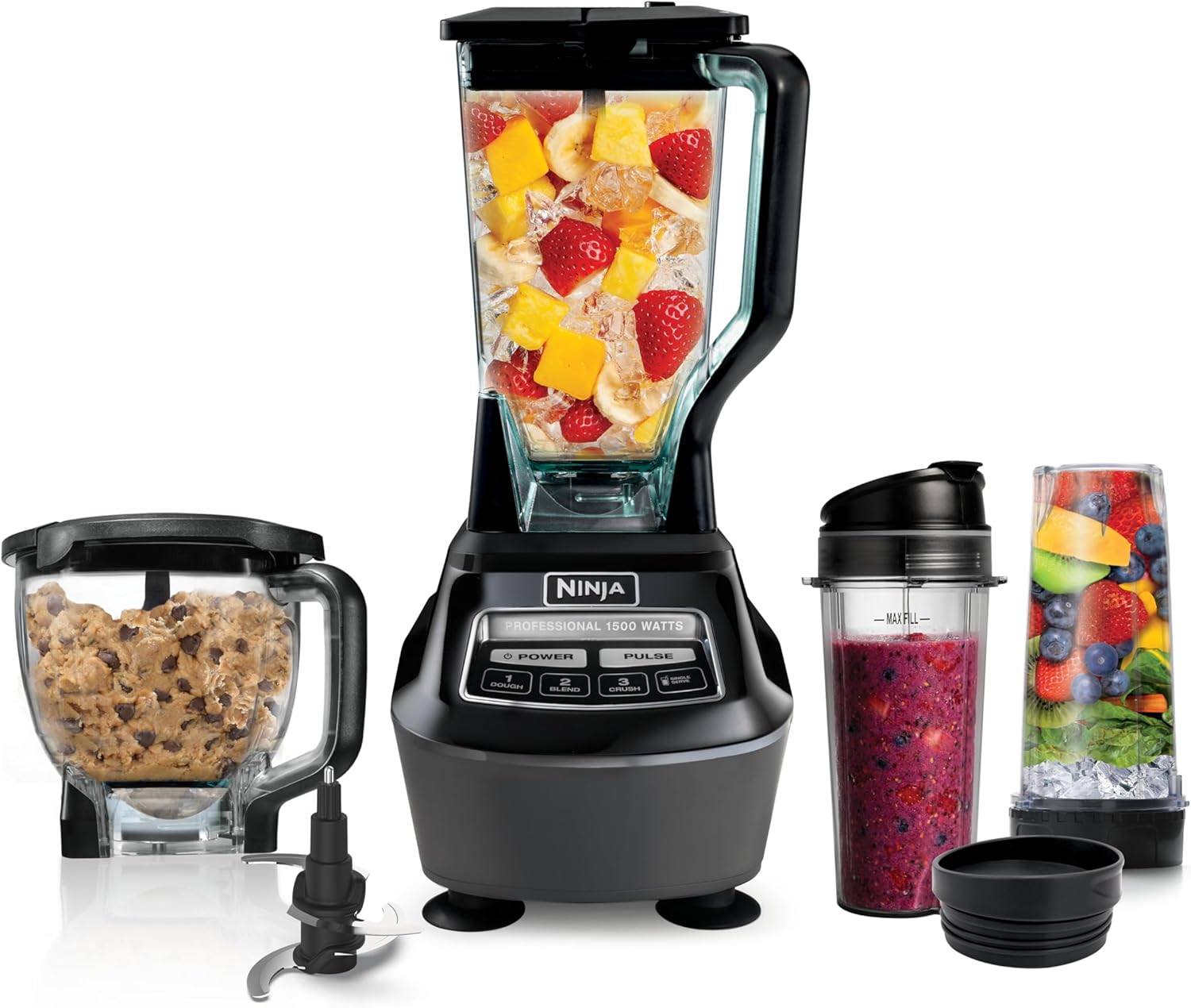
A small blender, a frother, or even a jar with a tight lid can do the job. The goal is to break the butter into tiny droplets so the drink feels creamy instead of oily. A few seconds of blending is usually enough.
Blender Method
Add hot coffee and butter to a blender, then blend for a short burst. This creates a smooth, emulsified drink with a nice frothy top. It is the most reliable way to get a uniform texture.
Frother or Whisk Method
If you do not want to use a blender, a milk frother or a strong whisk works well too. Whisk the coffee and butter together until the fat disappears into the liquid. This takes a little effort, but it is quick and simple.
Jar Shake Method
Put the coffee and butter in a sealed jar and shake it firmly for a few seconds. This method is handy when you want a fast, low-cleanup option. Just be careful with hot liquid and leave space in the jar.
Flavor Tips and Smart Variations
Butter alone can taste great, but a few small additions can make the drink even better. A pinch of salt can reduce bitterness and brighten the coffee. Cinnamon adds warmth without extra sweetness. Vanilla gives a soft, cozy note that pairs well with rich coffee.
If you like a little sweetness, add a touch of honey, maple syrup, or a sugar-free sweetener. Keep the additions light so the drink stays smooth and does not become cloying. The best version is the one that feels balanced to your palate.
Simple Add-In Ideas
- Pinch of salt: Softens bitterness and improves overall flavor.
- Cinnamon: Adds warmth and pairs well with dark roasts.
- Vanilla extract: Gives a gentle, sweet aroma.
- Cocoa powder: Creates a mocha-style richness.
- Collagen peptides: Some people add them for extra protein, if compatible with their routine.
Keep It Balanced
When you add extras, taste as you go. A little cinnamon can be lovely, but too much can overpower the cup. The same goes for sweeteners and flavor extracts. Small amounts usually work best.
Calories, Energy, and Common Mistakes
Butter is calorie-dense, so it is helpful to know what you are adding. One tablespoon of butter has roughly 100 calories, though the exact number can vary a bit by brand. That means a single cup can quietly add a meaningful amount to your day if you drink it often.
Some people feel great with a little fat in coffee, while others find it too heavy. If your stomach is sensitive, start with a smaller amount and see how you feel. If you want the texture without a big calorie jump, you can also try a smaller pat or a lighter fat blend.
Common Mistakes to Avoid
- Using salted butter by habit: It can make the coffee taste oddly salty.
- Adding too much fat: The drink can turn greasy and heavy.
- Skipping the blend: Poor mixing leaves clumps and oil on top.
- Using cold butter in very hot coffee without mixing well: It may not melt evenly at first.
- Forgetting to adjust for cup size: A large mug needs a bit more fat to feel balanced.
A Quick Calorie Check
If you drink coffee often, it helps to keep track of how much butter you use. One cup with one tablespoon is usually manageable for many people, but repeated servings add up. Think about your total day, not just the cup, when you decide on portion size.
When Less Is More
Sometimes a tiny amount of butter is enough to improve texture without changing the drink too much. If you only want a smoother sip, a teaspoon or half tablespoon may be the sweet spot. You do not need a large amount to get a noticeable effect.
How Much Butter to Put in Coffee for Your Routine
The best routine is the one you can repeat without hassle. If you are busy in the morning, pre-measure butter into small portions or keep a stick ready to slice. If you like a consistent drink, use the same cup size and the same butter amount each time. That makes it easier to dial in your ideal taste.
You can also think about timing. Some people enjoy butter coffee as a breakfast substitute or alongside a light meal. Others prefer it after a meal, when a richer drink feels more satisfying. There is no single right time, only the one that fits your habits.
Easy Prep Ideas
- Pre-cut pats: Slice butter into tablespoon portions ahead of time.
- Frozen cubes: Freeze small butter pieces for quick use.
- Portion sticks: Keep a marked butter stick for consistent servings.
- Batch blending: Make one blended cup at a time for the best texture.
Listen to Your Taste
Your preference may change with the season, the coffee roast, or your mood. A cold morning may call for a richer cup, while a hot afternoon may feel better with less fat. Let taste and comfort guide you more than any fixed rule.
Final Thoughts on Butter in Coffee
So, how much butter to put in coffee? For most people, one tablespoon per eight-ounce cup is a reliable place to begin. From there, you can nudge the amount up or down until the texture feels right. The goal is a smooth, satisfying sip that still tastes like coffee, not a heavy fat bomb.
Choose unsalted butter, mix it well, and keep your additions simple. Taste the result, then adjust next time. With a little practice, you will find your own perfect ratio and make a cup that fits your morning exactly.
Frequently Asked Questions
How much butter should I put in a cup of coffee?
Start with one tablespoon of unsalted butter for an eight-ounce cup. If you want a lighter texture, use half a tablespoon. If you prefer a richer drink, try up to two tablespoons, but increase slowly so the coffee still tastes balanced.
Does butter in coffee taste weird?
It should not taste strange if you use a reasonable amount and mix it well. Butter mostly adds smoothness and a mild richness, not a strong buttery flavor. If the cup tastes off, you may be using too much butter or a salted variety.
Can I use salted butter in coffee?
You can, but unsalted butter is usually better because it keeps the flavor clean. Salted butter can make the coffee taste unexpectedly salty, especially if you use more than a small amount. If you only have salted butter, use less and taste as you go.
Do I need to blend butter into coffee?
Blending is not required, but it helps a lot. A quick blend, froth, or vigorous whisk breaks the butter into tiny droplets so the drink feels smooth instead of oily. Without mixing well, the fat can float on top or form clumps.
Is butter in coffee good for energy?
It can help some people feel fuller and more steady, mostly because the fat slows the drink down and adds satisfaction. It is not a magic energy boost, though. Your results depend on your body, your coffee, and what else you eat during the day.
How many calories does butter add to coffee?
One tablespoon of butter adds about 100 calories, though the exact amount can vary slightly. That means the calories can add up quickly if you use large portions or drink multiple cups. If you are tracking intake, measure your butter instead of guessing.