Grinding coffee beans fresh unlocks the best flavor in your daily cup. You will learn simple methods to how to ground coffee beans using different tools. We cover grind sizes, storage tips, and common mistakes to avoid. This guide helps you brew better coffee at home with confidence.
Making great coffee starts with one simple step. You need to break whole beans into smaller pieces. This process releases flavors and aromas that make your morning cup shine. Many people buy pre ground coffee for convenience. Yet fresh ground beans taste cleaner and brighter. You control the texture. You control the strength. You control the whole experience.
Home grinding sounds tricky at first. The good news is that it is easy once you know the basics. You only need a few tools and a little practice. This guide walks you through everything step by step. You will learn how grind size changes your brew. You will see which tools fit your budget. You will also find quick tips to avoid common mistakes. By the end, you will feel confident grinding coffee like a pro.
Key Takeaways
- Freshness matters: Grinding beans right before brewing preserves oils and aroma for a richer taste.
- Grind size matches brew method: Fine grinds suit espresso while coarse grinds work best for French press.
- Choose the right tool: Burr grinders offer consistency while blade grinders are budget friendly and simple.
- Measure before grinding: Grinding only what you need prevents waste and keeps grounds fresh longer.
- Clean your grinder regularly: Old oils and residue can spoil the flavor of your fresh coffee.
- Store beans properly: Keep whole beans in an airtight container away from heat and light.
- Experiment and adjust: Small changes in grind size can dramatically improve your cup quality.
📑 Table of Contents
Why Fresh Grinding Changes Your Coffee
Coffee beans hold oils and gases inside their structure. These compounds create the rich smell and smooth taste you love. Once beans break apart, those compounds escape quickly. Air, light, and heat speed up the process. Pre ground coffee loses freshness faster than whole beans. That is why many coffee lovers prefer to grind right before brewing.
Fresh grinding also gives you control over texture. Different brew methods need different particle sizes. A French press needs coarse pieces. A drip machine works well with medium grounds. Espresso requires a fine, even texture. When you grind at home, you match the grind to your method. This simple step improves extraction and balances flavor.
You also avoid the stale taste that builds up in stored grounds. Grocery store bags often sit on shelves for weeks. Home ground coffee stays vibrant because you brew it soon after grinding. The difference is clear in the cup. You notice brighter notes and a smoother finish.
The Science Behind Grind Size
Grind size affects how water moves through coffee. Fine grounds slow water down. Coarse grounds let water pass quickly. The contact time between water and coffee changes the extraction rate. Too fine for a long brew can make coffee bitter. Too coarse for a short brew can make it weak. Finding the right balance is the key to great taste.
Consistency matters just as much as size. Even particles extract at a similar rate. Uneven grounds create mixed results. Some pieces over extract while others under extract. This can lead to a cup that tastes both sharp and flat. A good grinder helps you achieve a uniform texture for cleaner flavor.
Flavor Notes and Aroma
Freshly ground coffee releases a strong aroma the moment you crush the beans. That scent comes from volatile compounds that fade quickly. When you brew right away, those compounds carry into your cup. You taste more of the bean natural character. Fruity notes, chocolate hints, and nutty tones become easier to detect.
Storage plays a role too. Whole beans keep their flavor longer than grounds. If you buy in small batches and grind as needed, you enjoy peak freshness more often. This habit turns an ordinary morning routine into a better daily ritual.
Choosing the Right Grinder for Your Needs
The tool you pick shapes your results. Some grinders crush beans with spinning blades. Others crush beans between two rough surfaces. Each style has strengths and trade offs. Your choice depends on budget, space, and how much control you want.
Blade grinders are simple and affordable. They chop beans with a spinning blade inside a chamber. The result can be uneven because the blade cuts randomly. You can improve consistency by pulsing briefly and shaking the grinder between pulses. This tool works well for beginners who want a low cost start.
Burr grinders use two surfaces to crush beans into uniform pieces. One burr stays fixed while the other rotates. Beans pass through the gap and break into similar sizes. This design gives you more control and better consistency. Many coffee drinkers prefer burr grinders for everyday use.
Blade vs Burr Grinder Comparison
Here is a quick look at how these tools compare.
| Feature | Blade Grinder | Burr Grinder |
|---|---|---|
| Price | Lower cost | Higher cost |
| Consistency | Moderate | High |
| Control | Limited | Adjustable settings |
| Speed | Fast | Moderate |
| Best for | Basic home use | Precision brewing |
Manual vs Electric Options
Electric grinders save time and effort. You press a button and the machine does the work. This option suits busy mornings and larger batches. Manual grinders require more effort but often cost less. They also run quietly and do not need power. Many people enjoy the simple ritual of turning the handle.
Manual grinders can produce excellent results when used carefully. They often use burr mechanisms in a compact design. If you brew small amounts or enjoy a hands on process, a manual grinder can be a smart choice. Electric models are better if you want speed and convenience.
What to Look For When Buying
Think about your daily routine before you buy. Consider how many cups you make. Consider how much counter space you have. Consider whether you want preset buttons or manual control. A few useful features to look for include:
- Adjustable grind settings for different brew methods
- A sturdy build that reduces vibration and noise
- Easy cleaning so you can remove old grounds quickly
- A reliable motor if you choose an electric model
- A simple feed hopper that keeps beans contained
If you already enjoy brewing at home, you may also want to explore related kitchen tools and habits. For example, many coffee fans learn how to make coffee in a stove top percolator or how to make bulletproof coffee without blender when they want variety. Good grinding pairs well with good brewing habits.
How to Ground Coffee Beans Step by Step
Now let get into the actual process. The goal is simple. You want the right size, the right amount, and a clean result. Follow these steps and adjust as needed for your brew method.
Step 1: Measure Your Beans
Start with the amount you plan to brew. Grinding more than you need wastes freshness. Grinding too little can leave you short. A small kitchen scale helps you stay consistent. If you do not have a scale, use a measuring spoon and keep your portion steady each time.
A good starting point is to measure beans for one or two cups. Keep the ratio similar each time until you learn what works for your taste. Consistency makes it easier to spot changes when you adjust grind size later.
Step 2: Set Your Grind Size
Match the grind to your brewing method. Here is a simple guide:
- Coarse grind: French press, cold brew, and some large immersion methods
- Medium grind: Drip coffee, pour over, and standard home brewers
- Medium fine grind: Cone drippers and some manual brew styles
- Fine grind: Espresso, moka pots, and strong concentrated brews
If your grinder has settings, start near the middle and adjust after tasting. If you use a blade grinder, use short pulses for finer results and longer bursts for coarser results. Small changes make a big difference, so adjust gradually.
Step 3: Grind Evenly and Cleanly
Add the beans to the grinder chamber. Keep the lid secure. If you use a blade grinder, pulse in short bursts. Shake or stir between pulses if the design allows. This helps the pieces distribute more evenly. If you use a burr grinder, select your setting and run the machine until the beans flow through.
Avoid overfilling the chamber. Beans need space to move. A crowded chamber can lead to uneven grinding. For the best results, grind in small batches when you need a finer texture.
Step 4: Transfer and Use Immediately
Pour the grounds into your brew device as soon as possible. Fresh grounds lose aroma fast, so brewing right away gives you the best flavor. If you must wait a few minutes, keep the grounds in a closed container away from heat and sunlight.
Clean any spilled grounds from the grinder and counter. Coffee dust can build up and affect future batches. A quick wipe keeps the tool ready for next time.
Quick Tips for Better Grinding
- Grind only what you need for the current brew
- Use fresh beans that smell aromatic and look intact
- Pulse carefully if you use a blade grinder
- Clean the grinder regularly to prevent stale residue
- Keep settings consistent once you find a good result
Grind Size Guide for Popular Brew Methods
Choosing the right grind size is one of the biggest upgrades you can make. The table below gives a simple reference for common brewing styles. Use it as a starting point, then adjust to suit your taste.
| Brew Method | Recommended Grind | Why It Works |
|---|---|---|
| French Press | Coarse | Large pieces allow smooth immersion and easy pressing |
| Drip Coffee | Medium | Balanced flow supports even extraction |
| Pour Over | Medium to Medium Fine | Helps control brew time and clarity |
| Espresso | Fine | Creates resistance for strong, concentrated flavor |
| Cold Brew | Coarse | Long steep time needs larger particles |
| Moka Pot | Fine to Medium Fine | Builds pressure for a bold cup |
Adjusting Based on Taste
Numbers and tables are helpful, but your palate matters most. If your coffee tastes weak or watery, try a finer grind. If it tastes harsh or bitter, try a coarser grind. Change one variable at a time so you can see the effect clearly.
Brew time also interacts with grind size. A longer brew often needs a coarser grind. A shorter brew often needs a finer grind. When you understand this relationship, you can troubleshoot most cup issues with confidence.
Troubleshooting Common Grind Problems
Sometimes the grind looks right but the cup still disappoints. Here are a few common issues and simple fixes.
- Bitter taste: Grind may be too fine or brew time too long
- Sour taste: Grind may be too coarse or brew time too short
- Muddy cup: Grinder may be producing too many fine particles
- Uneven flavor: Grind may be uneven, especially with blade grinders
- Weak body: Try a slightly finer grind or a tighter coffee ratio
If you switch beans, remember that density and roast level can change how they grind. Lighter beans may behave differently from darker beans. Treat each new bag as a small experiment and adjust with care.
Cleaning and Maintenance for Consistent Results
A clean grinder performs better and tastes better. Coffee oils build up over time. Those oils can turn stale and affect new batches. Dust can also collect inside the chamber and around the blades or burrs. Regular maintenance keeps your tool reliable.
For routine cleaning, unplug the grinder first if it is electric. Wipe the outside with a dry cloth. Brush out loose grounds from the chamber. If the design allows, remove the burrs or blade assembly and clean them according to the manufacturer instructions. Never use water on parts that should stay dry.
Simple Cleaning Routine
- Empty the chamber after each use
- Brush away loose grounds before they settle
- Wipe surfaces with a dry cloth
- Deep clean occasionally based on how often you grind
- Check for stuck beans if the grinder starts to jam
Some people run a dry bread crumb or a cleaning tablet through a grinder to help absorb oils. This method can be useful, but follow the guidance for your specific model. If you are unsure, stick to brushing and wiping first.
Storage Habits That Support Freshness
Good grinding starts before you even turn on the machine. Store whole beans in a cool, dry place. Use an airtight container that blocks light. Avoid keeping beans in a warm spot near the stove or in direct sunlight. Fresh storage helps the grinder do its job with better raw material.
If you buy in bulk, divide beans into smaller portions. Keep the main supply sealed and bring out only what you need. This habit reduces repeated exposure to air. It also makes grinding feel more organized and efficient.
If you enjoy organizing your kitchen for better habits, you might also look into how to organize kitchen pantry spaces so your coffee gear and beans stay easy to reach. A tidy setup makes brewing day feel smoother.
Common Mistakes and How to Avoid Them
Even a simple process can go sideways if you miss a few basics. Here are the most common mistakes people make when grinding coffee at home.
Grinding Too Far Ahead
One of the biggest mistakes is grinding a large batch and letting it sit. Ground coffee loses aroma quickly. The flavor becomes flatter as time passes. For the best results, grind right before brewing. If you need convenience, grind only the amount you will use in the next few minutes.
Using the Wrong Grind Size
Another common issue is using one grind for every brew method. A fine grind in a French press can create sludge and bitterness. A coarse grind in espresso can produce a weak, under extracted shot. Match the grind to the method, then adjust by taste.
Overfilling the Grinder
Packing too many beans into the chamber can reduce consistency. The beans may not move freely. The result can be uneven grounds. If your grinder struggles, reduce the batch size and grind in smaller rounds.
Ignoring Cleanliness
Old grounds and oils can linger in the grinder. This residue can add stale notes to fresh coffee. A quick cleaning routine prevents buildup. It also helps the grinder last longer and work more smoothly.
Not Adjusting After Changing Beans
Different beans can grind differently. Roast level, origin, and freshness all matter. If you switch bags, do a quick taste test and adjust your setting if needed. A small tweak can bring your cup back into balance.
Expert Insights for Better Home Grinding
Small habits make a big difference over time. Experienced home brewers usually focus on consistency, freshness, and simple adjustments. You do not need fancy equipment to improve. You need a repeatable process and a willingness to taste carefully.
One helpful habit is to keep notes. Record the grind setting, bean type, and brew method. Write a short note about taste too. Over time, you will see patterns. You will know which setting works for your favorite beans. You will also spot when a bag is past its best flavor.
Another smart practice is to taste with intention. Try a small batch with a slightly finer grind. Try another with a slightly coarser grind. Compare the results side by side. This simple exercise teaches you how grind size changes your cup faster than any long explanation.
Key Takeaways for Everyday Brewing
- Keep it fresh: Grind right before brewing for the best aroma
- Match grind to method: Coarse for immersion, medium for drip, fine for pressure
- Stay consistent: Use the same measure and the same setting until you want to change
- Clean often: Remove old grounds and oils to protect flavor
- Adjust slowly: Small changes in grind size create noticeable results
Home grinding is one of the easiest ways to improve your coffee without changing everything else. Once you learn how to ground coffee beans with care, the rest of your routine feels more rewarding. You notice the smell sooner. You taste the difference clearly. You also gain control over every cup you make.
Start with a simple tool. Learn the basic grind sizes. Keep your beans stored well. Clean your grinder and adjust with taste in mind. In a short time, grinding becomes a natural part of your day. And your coffee becomes a little better with every brew.
Frequently Asked Questions
What is the best way to grind coffee beans at home?
The best way depends on your budget and brew method. A burr grinder usually gives the most consistent results, while a blade grinder works well for simple use. For the freshest taste, grind only the amount you need right before brewing.
How fine should I grind coffee for drip brewing?
A medium grind usually works best for drip coffee. It should feel similar to sea salt or sand. If the coffee tastes weak, go a little finer. If it tastes bitter, go a little coarser.
Can I use a blender to grind coffee beans?
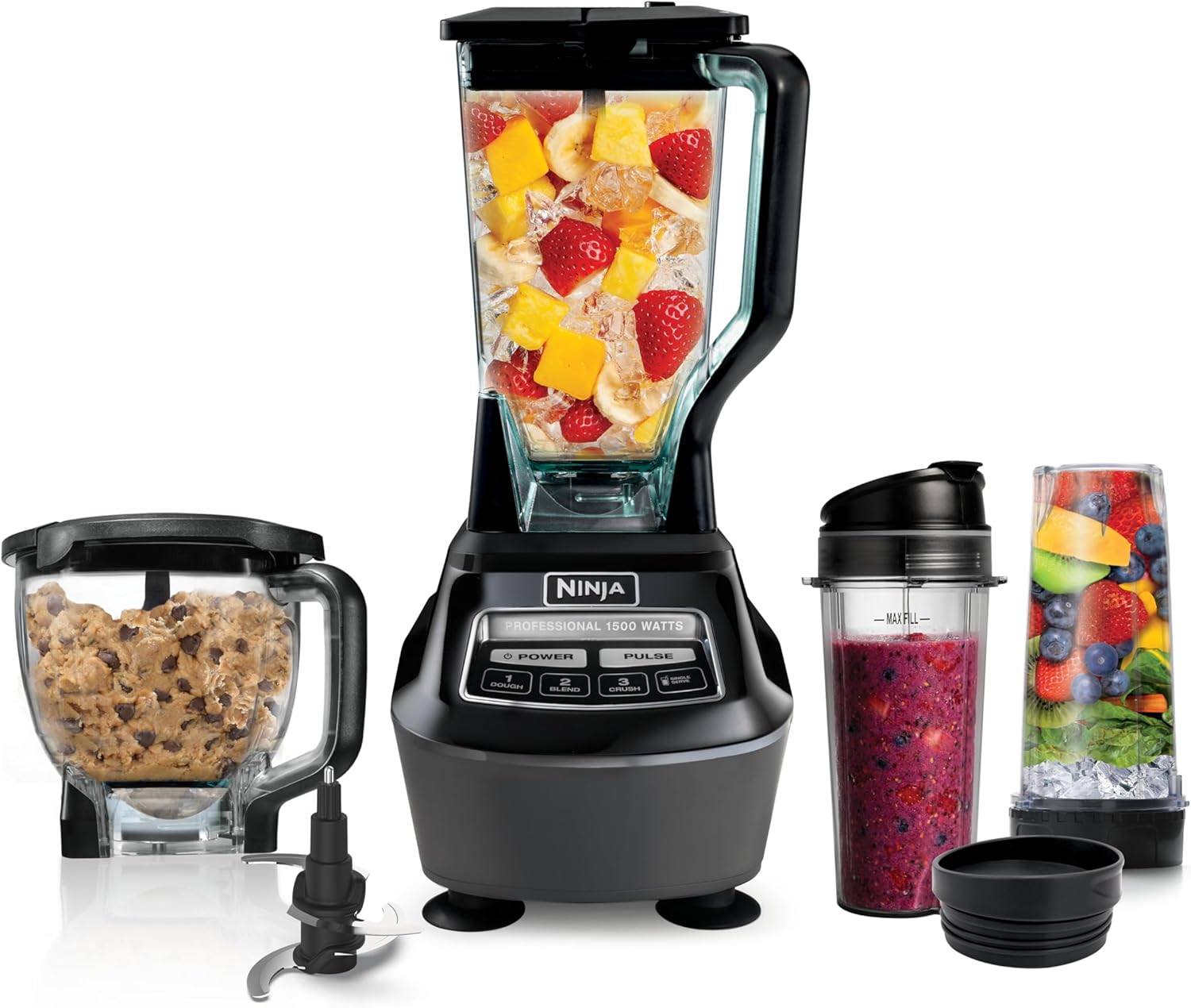
You can use a blender in a pinch, but the result is often uneven. Blenders are not designed for small dry batches, so the grind may vary a lot. A dedicated coffee grinder usually gives better control and cleaner flavor.
How long do ground coffee beans stay fresh?
Ground coffee stays fresh for a much shorter time than whole beans. For the best flavor, use it soon after grinding. If you must store it, keep it in a sealed container away from heat, light, and moisture.
Why does grind size matter so much?
Grind size changes how water interacts with the coffee. Finer grounds slow water flow and increase extraction. Coarser grounds let water move faster and reduce extraction. The wrong size can make coffee taste weak, bitter, or uneven.
How often should I clean my coffee grinder?
You should remove loose grounds after each use and wipe the grinder regularly. A deeper clean every so often helps prevent stale oils from building up. If you notice off flavors, clean the grinder sooner rather than later.