
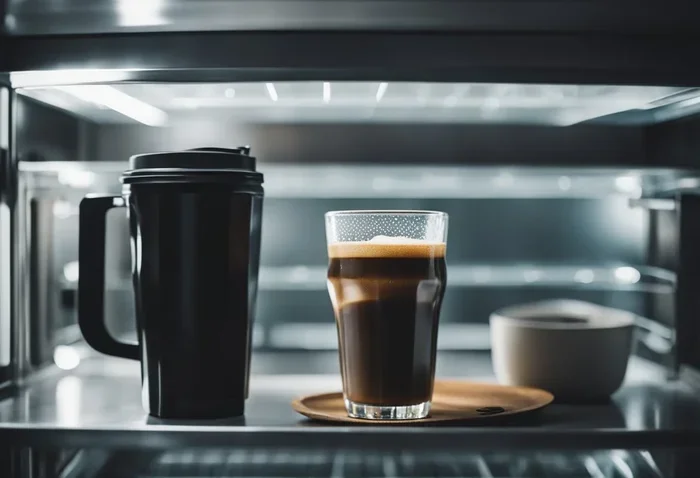
Black coffee can safely stay in the refrigerator for three to four days if stored properly. Always use a sealed container to keep brewed coffee fresh and prevent off flavors. Watch for sour smells or cloudy texture to spot spoiled coffee before drinking.
Many people ask the same simple question: how long can black coffee last in the fridge. The short answer is clear. A plain cup of brewed coffee stays safe and tasty for about three to four days when stored the right way. After that window, the taste fades, the aroma drops, and the risk of spoilage rises. This guide breaks down everything you need to know about brewed coffee storage, shelf life, and simple tricks to keep your morning cup tasting great.
Let us start with the basics. Black coffee contains very little besides water and coffee compounds. That low sugar and low fat profile helps it last longer than milky or sweetened drinks. Still, air, heat, light, and moisture work against freshness. Once you brew a pot, the clock starts. Good coffee storage slows that clock and protects the flavor. Bad storage lets the brew go flat, sour, or off-tasting much faster.
You will learn the safe time window, the best containers, signs of spoilage, and smart ways to reuse leftover coffee. We will also cover cold brew, reheating, and freezer storage so you can choose what fits your routine. If you want a quick answer first, three to four days in a sealed container is your best bet. Read on for the details that help you keep every cup fresh.
Key Takeaways
- Storage Time: Brewed black coffee stays fresh in the fridge for three to four days when kept in a sealed container.
- Best Container: Use an airtight glass jar or pitcher to block air and moisture that cause stale taste.
- Temperature Matters: Keep the fridge at or below 40°F to slow bacterial growth and preserve flavor.
- Signs of Spoilage: Sour smell, bitter aftertaste, cloudy look, or mold mean the coffee is no longer safe to drink.
- Reheating Tips: Warm black coffee gently on the stove or in a microwave to avoid burning the brew and creating harsh notes.
- Freezer Option: You can freeze black coffee for up to one month, but texture and aroma may change after thawing.
- Freshness Trick: Cold brew concentrate lasts longer than hot brewed coffee and offers a smoother taste for chilled drinks.
📑 Table of Contents
- Understanding Black Coffee Shelf Life in the Fridge
- Best Ways to Store Black Coffee in the Refrigerator
- How Long Can Black Coffee Last in the Fridge Exactly
- Signs Your Black Coffee Has Gone Bad
- Creative Ways to Use Leftover Black Coffee
- Expert Tips for Keeping Coffee Fresh Longer
- Common Mistakes When Storing Black Coffee
- Key Takeaways for Coffee Storage
Understanding Black Coffee Shelf Life in the Fridge
Black coffee shelf life depends on how you brew it, how you store it, and how you handle it after brewing. Hot brewed coffee cools quickly in the fridge, which helps. The cold temperature slows down chemical changes and limits bacterial growth. That is why refrigerated coffee can stay drinkable for several days. The flavor, however, begins to change after the first day.
Freshness and safety are not the same thing. A cup may still be safe to drink after four days, yet taste dull or slightly sour. The oils in coffee break down over time. Acids shift. Aroma fades. These changes do not always mean the coffee is unsafe, but they do mean the quality drops. If you want the best taste, aim to drink your chilled black coffee within two days.
Several factors affect how long your brew holds up:
- Brew method: Drip coffee, French press, and pour-over each release different oils and particles that influence storage.
- Roast level: Darker roasts can taste bolder at first, but they may lose nuance faster than lighter roasts.
- Grind size: Finer grounds can leave more sediment, which may settle and affect the look and texture over time.
- Additives: Plain black coffee lasts longer than coffee with milk, cream, or sugar because those ingredients spoil faster.
Why Black Coffee Lasts Longer Than Coffee With Milk
Milk and cream contain proteins and sugars that bacteria love. Once mixed with coffee, those ingredients shorten the safe storage window. Black coffee skips those extras, so it stays stable longer. That is the main reason people ask about plain black coffee storage in the first place. If you ever add milk later, treat the cup like a dairy drink and keep it only for a short time.
How Temperature Affects Brewed Coffee
Cold temperatures slow the breakdown of flavor compounds. A steady fridge temp around 35°F to 40°F works well. Avoid storing coffee in the door where temps fluctuate each time you open the fridge. Place your container on a shelf in the back for the most stable conditions. This small habit helps your coffee freshness last longer.
Best Ways to Store Black Coffee in the Refrigerator
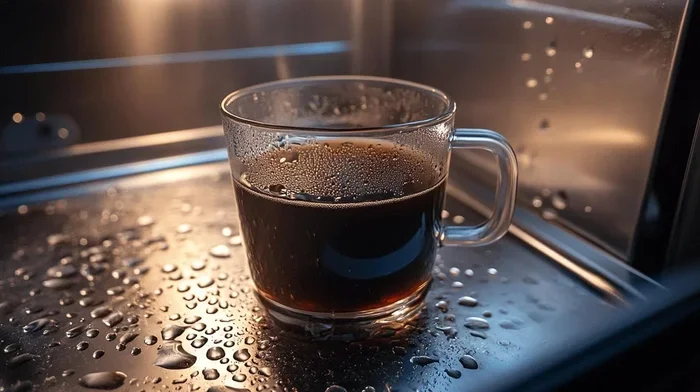
Good storage makes a big difference. The goal is simple: limit air, block light, and keep the brew cold. A tight seal matters more than almost anything else. Oxygen brings oxidation, and oxidation dulls flavor. Light can also degrade aroma compounds over time. A dark, sealed container in the back of the fridge gives you the best results.
Visual guide about black coffee in fridge
Image source: equipoisecoffee.com
Here are the top storage tips:
- Use a clean, airtight container made of glass or food-safe plastic.
- Let the coffee cool to room temp before sealing, but do not leave it out for hours.
- Pour the brew into the container instead of storing it in the open pot.
- Keep the container away from strong-smelling foods so the coffee does not absorb odors.
- Label the container with the brew date so you can track the three to four day window.
Glass Jar vs. Plastic Pitcher vs. Original Pot
Glass jars usually win because they seal well and do not hold onto old flavors. A food-grade plastic pitcher can work if it has a tight lid. The original coffee pot often has a loose lid or a pour spout that lets air in. If you use the pot, cover it tightly with a clean lid or wrap. Still, a dedicated container is the better choice for coffee storage tips that actually protect taste.
Why an Airtight Seal Matters
Air is the main enemy of leftover coffee. Every time you open a lid, fresh oxygen meets the brew. That speeds up staling. A strong seal keeps oxygen out and moisture balanced. It also helps prevent fridge smells from getting in. If your lid is loose, wrap the top with plastic film before snapping on the lid. That extra layer can help preserve brewed coffee storage quality.
How Long Can Black Coffee Last in the Fridge Exactly
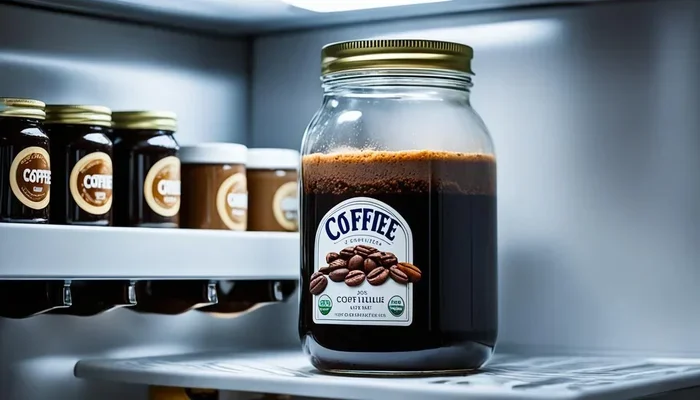
So, how long can black coffee last in the fridge in real terms? For most people, three to four days is the safe and practical window. Day one tastes the best. Day two is still quite good. By day three, the flavor softens and the aroma may drop. By day four, many people notice a flatter taste or a slight tang. After that, the risk of off flavors and spoilage rises enough that it is better to toss it.
Visual guide about black coffee in fridge
Image source: bushybeardcoffee.com
This timeline assumes you stored the coffee correctly in a sealed container and kept it cold. If the coffee sat out on the counter for a long time before chilling, the clock may be shorter. If the lid was loose, the flavor may fade faster. If you see any signs of spoilage, do not drink it, even if it is within the time window.
Day-by-Day Taste and Quality Breakdown
Here is a simple look at what often happens over time:
- Day 1: Bright aroma, clean taste, and good balance. Best for drinking straight or using in iced coffee.
- Day 2: Still pleasant, with a milder aroma. Good for reheating or blending into a chilled drink.
- Day 3: Softer flavor, less acidity, and a flatter finish. Acceptable for many people, especially if sweetened or flavored later.
- Day 4: Noticeable loss of freshness. Some brews may taste slightly sour or dull. Use caution and check for spoilage signs.
When to Toss Leftover Coffee
Toss the coffee if you notice a sour or rancid smell, a strange bitter bite that was not there before, cloudiness that looks unusual, or any mold on the surface or lid. Even if the coffee looks fine, a bad smell is a clear warning. Trust your senses. If something feels off, it is safer to discard the batch.
Signs Your Black Coffee Has Gone Bad
Spotting spoiled coffee is mostly about smell, taste, and look. Fresh black coffee has a clean, roasted aroma. As it ages, that scent can turn dull, sour, or stale. A small change is normal after a couple of days. A strong sour or off odor is not. Taste a tiny sip if the smell seems okay. If the flavor feels sharp, bitter in a wrong way, or just unpleasant, stop there.
Visual guide about black coffee in fridge
Image source: sarahscoopeats.com
Visual cues matter too. A thin film on the surface can be normal for some brews, but actual mold is a hard stop. Cloudiness can happen, yet a strange murky look paired with a bad smell points to spoilage. Also, check the container lid and rim. Moisture and residue can hide there.
Smell, Taste, and Look Checks
Use this quick routine before drinking:
- Open the lid and smell the coffee right away.
- Look for mold, odd film, or unusual cloudiness.
- Take a very small sip if the smell seems fine.
- Stop immediately if the taste is sour, harsh, or strange.
Common Spoilage Myths
Some people think black coffee never spoils because it tastes bitter. That is not true. Coffee can still go bad, especially when stored poorly. Others believe that reheating fixes old coffee. Reheating may warm it up, but it will not bring back lost freshness or remove spoilage risk. If the brew is past its prime, heating it will not make it safe or tasty again.
Creative Ways to Use Leftover Black Coffee
If your chilled black coffee is still fresh and within the safe window, do not waste it. Leftover coffee can power several simple recipes and daily hacks. It adds depth to desserts, boosts breakfast drinks, and makes a quick iced coffee when paired with ice and a splash of water. You can also use it in marinades or rubs for a subtle roasted note.
Try these easy ideas:
- Iced coffee: Pour chilled black coffee over ice and add a little cold water or milk if you want.
- Coffee ice cubes: Freeze brew in an ice tray, then use the cubes in iced drinks so they do not water down.
- Oatmeal boost: Stir a splash of coffee into warm oats for a mocha-style breakfast.
- Baking helper: Use small amounts in brownies, cakes, or cookies for richer flavor.
- Smoothie kick: Blend chilled coffee with banana, milk, and a sweetener for a quick pick-me-up.
Cold Brew vs. Hot Brewed Coffee Storage
Cold brew concentrate often holds up well because it is brewed with room temp or cold water and usually has a smoother profile. It can last longer in the fridge than hot brewed coffee, especially if strained well and sealed tight. Hot brewed coffee has more immediate aroma but tends to lose its edge faster. If you want a longer-lasting chilled option, cold brew is a smart choice.
Freezing Black Coffee for Later
You can freeze black coffee if you have more than you can drink in a few days. Pour it into a sealed container or ice tray and freeze it. Use it within about a month for best results. Thaw it in the fridge and stir well before use. Freezing may change the texture slightly, but it is a practical way to save brew and reduce waste.
Expert Tips for Keeping Coffee Fresh Longer
Small habits add up. If you want your black coffee shelf life to stretch a little further without losing quality, focus on brewing, storage, and handling. Brew only what you will drink most days. Store it right away. Keep the lid closed. These basics protect flavor better than any fancy trick.
Here are a few expert-friendly habits:
- Use filtered water for a cleaner taste that ages a bit more gracefully.
- Clean your brewer and container regularly to avoid old residue affecting new batches.
- Keep coffee away from strong fridge odors like onions or citrus.
- Reheat gently rather than boiling, so you do not burn the brew.
- Buy fresh beans or grounds and store them in a cool, dark place before brewing.
Best Container Choices
A glass jar with a snap lid is a strong all-around choice. A stainless steel thermos also works if you plan to drink the coffee within a day or two. For longer fridge storage, choose a container with a truly tight seal. If you like convenience, a pitcher with a secure cap is fine too. The key is limiting air exchange every time you pour a cup.
Reheating Without Ruining Flavor
If you want a hot cup from fridge coffee, warm it slowly. A short burst in the microwave works if you stir midway. A small pan on low heat also works well. Avoid high heat, which can make the brew taste harsh. Add a fresh splash of water if the coffee feels too strong after chilling. This simple step can brighten the cup without masking the flavor.
Common Mistakes When Storing Black Coffee
Most storage problems come from a few easy mistakes. Avoiding them is simple once you know what to watch for. The biggest issue is leaving the coffee open or half-open in the fridge. Another common mistake is storing hot coffee in a sealed container right away, which can create condensation and affect taste. A third mistake is forgetting how long the brew has been sitting there.
Watch out for these pitfalls:
- Leaving the container lid loose or off between pours.
- Storing coffee in the fridge door where temperature changes often.
- Mixing in milk or sugar before storage, then keeping it too long.
- Reusing a dirty container that holds old oils or odors.
- Ignoring smell and taste changes until the coffee is clearly off.
Quick Fixes for Better Storage
If you catch a mistake early, you can often improve things. Tighten the lid. Move the container to a back shelf. Label the brew date. If you added milk by accident, plan to finish it within a shorter window. If the coffee smells stale but not spoiled, use it in a recipe instead of drinking it straight. These small fixes help you get the most from your brew.
FAQ Quick Reference for Storage
People often ask about storage containers, safe times, and reheating. The main rule stays the same: keep it cold, keep it sealed, and use it within a few days. If you follow that rule, refrigerated coffee stays practical and pleasant for everyday use. When in doubt, check the smell and taste before pouring a full cup.
Key Takeaways for Coffee Storage
To wrap this up, remember three simple ideas. First, store black coffee in a sealed container on a stable fridge shelf. Second, aim to drink it within three to four days for the best balance of safety and flavor. Third, trust your senses and toss it if the smell, taste, or look seems wrong. These habits make coffee storage easy and help you enjoy every cup.
Leftover coffee does not have to go to waste. Use it in chilled drinks, baking, or freezer cubes when it is still fresh. If you want a longer-lasting option, cold brew is worth a try. With a few smart habits, you can keep your brew tasting clean and satisfying for longer.
If you are curious about other kitchen storage questions, you may also enjoy learning how to store baby carrots in the fridge or how to store squash in the freezer for more simple food storage tips. Small storage habits like these make a big difference in everyday cooking and drinking.



