
Can coffee grounds go in the garbage disposal? The short answer is no. While it seems convenient, coffee grounds clump together and create stubborn blockages in your pipes. Instead of risking costly plumbing repairs, learn safer ways to dispose of your daily brew leftovers.
Key Takeaways
- Avoid the disposal: Coffee grounds clump and settle, leading to slow drains and potential clogs.
- Composting works best: Grounds add nitrogen to your compost pile and help plants grow.
- Trash is safer: Wrapping grounds in a paper towel before tossing them prevents sink messes.
- Garden benefits: Sprinkling used grounds around acid-loving plants provides natural fertilizer.
- Clean naturally: Use vinegar and baking soda instead of grounds to freshen your disposal.
- Watch for signs: Slow drainage or gurgling sounds often signal a ground-related blockage.
- Prevention saves money: Keeping grounds out of the sink avoids expensive plumber visits.
📑 Table of Contents
- Can Coffee Grounds Go in the Garbage Disposal?
- Why Coffee Grounds Cause Plumbing Problems
- The Truth About Garbage Disposals and Coffee
- Safe Ways to Dispose of Coffee Grounds
- Creative Uses for Used Coffee Grounds
- How to Keep Your Disposal Running Smoothly
- Common Mistakes to Avoid
- Expert Insights for Long-Term Plumbing Health
- Final Thoughts on Coffee Grounds and Your Sink
Can Coffee Grounds Go in the Garbage Disposal?
You just finished brewing your morning cup. The pot is empty. You glance at the sink and wonder if you can just rinse the wet grounds down the drain. It feels like the easiest choice. But that quick rinse might cost you later. Many homeowners ask can coffee grounds go in the garbage disposal because the answer is not as simple as it seems. The disposal unit chops food scraps into tiny pieces. Coffee grounds behave differently. They do not break down like soft fruit peels or leftover pasta. Instead, they stick together. They form a dense paste that clings to pipe walls. Over time, that paste builds up. Water flow slows down. Eventually, you face a stubborn clog.
Plumbers see this problem all the time. Homeowners want convenience. They toss everything down the sink. Coffee grounds seem harmless. They are small. They look like dirt. But dirt and water do not mix well in narrow pipes. The grounds settle. They trap other debris. Grease, hair, and soap scum join the party. The blockage grows. You notice the drain gurgles. Water pools around your feet in the kitchen. You reach for a plunger. You try a drain snake. Nothing works fast. That is when the real trouble starts.
You can avoid all that stress. You just need to understand how your plumbing works. You need simple habits. You need safe alternatives. This guide walks you through everything. You will learn why grounds cause trouble. You will discover better disposal methods. You will find ways to use those grounds around your home. You will keep your kitchen running smoothly. Let us dive in.
Why Coffee Grounds Cause Plumbing Problems
Visual guide about coffee grounds garbage disposal
Image source: howtogarbage.com
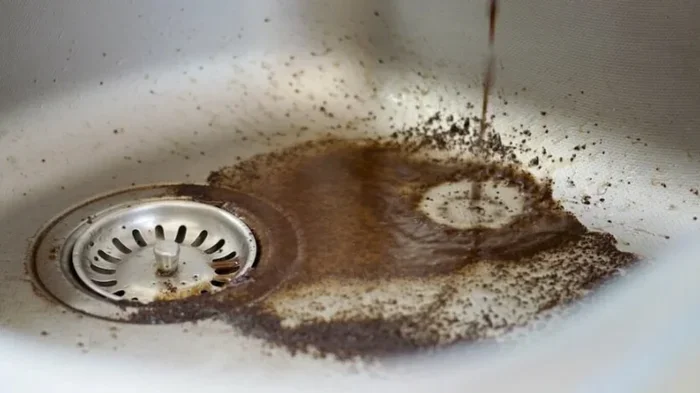
Your garbage disposal is a powerful tool. It spins blades at high speed. It grinds food into small bits. But it does not dissolve everything. Coffee grounds have a unique texture. They are coarse when dry. They become muddy when wet. That muddy texture is the real issue. The grounds do not flush away cleanly. They settle in the P-trap. They coat the inside of your pipes. They create a rough surface. Other particles stick to that surface. The buildup grows faster than you think.
Water pressure plays a role too. Most kitchen drains rely on gravity. They need a steady flow to carry waste away. Coffee grounds interrupt that flow. They act like a sponge. They hold onto water. They turn into a thick sludge. That sludge moves slowly. It catches on pipe joints. It gathers around the disposal impellers. The motor works harder. You hear strange noises. The system strains. Eventually, you get a backup.
Many people think hot water helps. It does not. Hot water melts grease. It does not break down coffee particles. In fact, hot water can make the sludge stickier. The oils in the grounds soften. The mixture becomes more adhesive. Cold water works better for flushing, but it still cannot stop the clumping. The best approach is prevention. Keep the grounds out of the drain. Your pipes will thank you.
The Science Behind the Clog
Coffee beans contain natural oils. Those oils survive the brewing process. A small amount remains in the used grounds. When you rinse those grounds down the sink, the oils spread. They coat the metal and plastic parts of your disposal. They line your drain pipes. That coating attracts food particles. It traps soap residue. It holds onto tiny bits of starch. The layer thickens over weeks. You do not notice it at first. Then you pour a pot of water. The water pools. You realize something is wrong.
The particle size matters as well. A disposal chops large chunks. Coffee grounds are already small. The machine cannot break them down further. They pass through the grinding chamber mostly intact. They enter the drain line as a dense mass. That mass settles quickly. It blocks narrow sections. It creates a partial obstruction. Water struggles to push through. Air gets trapped. You hear that familiar gurgling sound. That sound is a warning. It tells you the flow is restricted.
Common Signs You Already Have a Problem
You might already have a slow buildup. Watch for these clues. Your sink drains slower than usual. Water swirls but does not vanish. You hear a low rumble from the pipes. The disposal smells earthy or musty. You see dark residue near the drain opening. These signs point to ground accumulation. Do not ignore them. A small clog grows fast. Address it early. Use a gentle drain cleaner. Flush with plenty of water. But remember, cleaning helps only so much. The real fix is stopping the source.
The Truth About Garbage Disposals and Coffee
Visual guide about coffee grounds garbage disposal
Image source: millerplumbers.ca
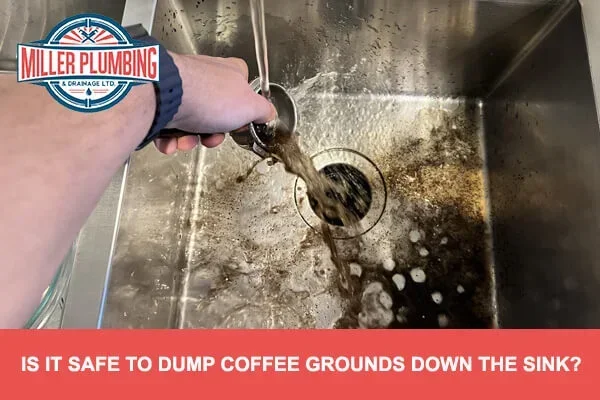
People love their disposals. They treat them like magic trash cans. They toss eggshells, banana peels, and coffee grounds. The disposal handles some items well. It struggles with others. Coffee grounds fall into the struggle category. The machine was designed for soft food scraps. It was not designed for fine, oily particles. Those particles bypass the grinding action. They slip into the drain pipe. They cause problems downstream.
You might wonder about frequency. Can you toss a small amount now and then? Maybe. But habits matter. One tablespoon adds to the next tablespoon. Soon you have a cup of grounds sitting in your trap. Consistency creates risk. Even small amounts build up over months. Your plumbing does not reset itself. It accumulates every rinse. The safest choice is clear. Keep all coffee grounds out of the disposal. Treat them like a separate waste stream.
What Disposals Handle Well
Your disposal loves certain foods. Soft fruit scraps work fine. Cooked vegetables break down easily. Small bits of bread dissolve with water. Ice cubes help clean the blades. They also cool the motor. Citrus peels add a fresh scent. They also cut through light grease. These items move through the system without clumping. They flush away cleanly. You can use your disposal with confidence when you stick to friendly foods.
What to Keep Out of the Sink
Some items cause immediate trouble. Grease and oil solidify in pipes. They create hard blockages. Pasta and rice expand with water. They turn into a glue-like mass. Eggshells fracture into sharp bits. Those bits stick to pipe walls. Coffee grounds do the same thing. They clump and settle. Fibrous vegetables like celery wrap around blades. They jam the motor. Bone fragments damage the grinding chamber. Sticky foods like peanut butter coat everything. The rule is simple. If it clumps, expands, or sticks, keep it out of the drain.
Safe Ways to Dispose of Coffee Grounds
Visual guide about coffee grounds garbage disposal
Image source: armadillo.one
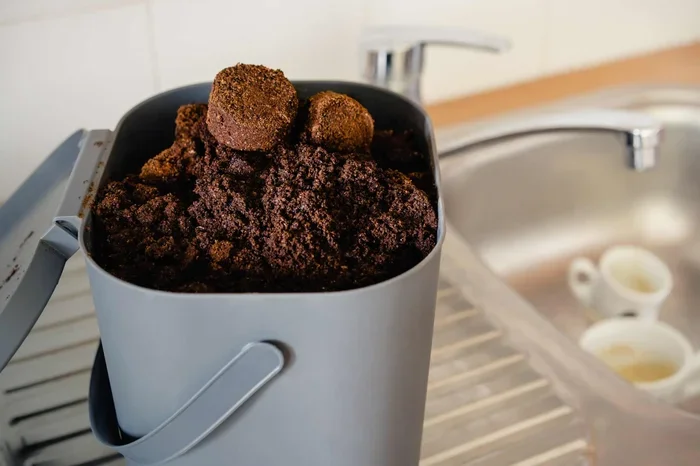
You have options. You do not need the sink. You just need a simple routine. Start with a small container. Keep it near your coffee station. Dump the wet grounds into that container. Cover it with a lid. Empty it into the trash when full. This method takes seconds. It keeps your pipes clean. It prevents odors in the sink. It saves you from future plumbing headaches.
You can also use paper towels. Wrap the grounds before tossing them. The paper absorbs excess moisture. It prevents a messy bin. It also reduces smells. This trick works well for small households. You brew once a day. You wrap once a day. The habit becomes automatic. Your trash stays tidy. Your sink stays clear.
Trash Bin Method
The trash method is the most common. It is also the safest for plumbing. Use a dedicated scoop or small cup. Transfer the grounds directly to the trash. Do not rinse the scoop in the sink. Wipe it clean instead. This keeps water from carrying stray particles down the drain. You can line your trash bin with a bag. It makes cleanup easier. You can tie the bag and toss it weekly. The process is simple. It requires zero extra tools. It protects your home.
Composting Your Used Grounds
Composting turns waste into garden gold. Coffee grounds are rich in nitrogen. They feed beneficial microbes. They help break down carbon-heavy materials like leaves and paper. You can add them to a backyard pile. You can use a kitchen compost bin. Just mix them with dry materials. Do not pile them alone. They compact easily. They need airflow. Mix them with shredded cardboard or straw. The balance keeps the pile healthy. You get nutrient-rich soil over time. Your plants thrive. Your kitchen waste shrinks.
Creative Uses for Used Coffee Grounds
You do not have to throw everything away. Used grounds have surprising value. They smell earthy. They feel gritty. They contain minerals. Those traits make them useful around the house. You can repurpose them instead of tossing them. This approach cuts waste. It saves money. It gives your grounds a second life.
Garden Fertilizer and Soil Boost
Plants love nitrogen. Coffee grounds provide a gentle boost. Sprinkle them around the base of your plants. Work them lightly into the topsoil. Do not pile them thick. A thin layer works best. Water them in. The nutrients release slowly. Acid-loving plants respond well. Think blueberries, azaleas, and roses. The grounds also improve soil texture. They help sandy soil hold moisture. They help clay soil drain better. Your garden gets a natural upgrade.
Natural Cleaning and Deodorizing
Grounds act as a mild abrasive. They help scrub stuck-on residue. Mix them with a little dish soap. Scrub your hands after gardening. The grit removes dirt. The oils cut light grease. You can also use them to freshen surfaces. Place a bowl of dry grounds in the fridge. They absorb unwanted odors. Replace the bowl every few days. You can also rub grounds on stubborn stains. They lift grime without harsh chemicals. Your home stays clean. Your air stays fresh.
Pest Deterrent Around the Home
Some pests dislike the texture and scent of coffee. You can spread a thin ring around entry points. Ants often avoid the barrier. Slugs hesitate to cross it. The grounds create a rough path. They also mask attractive smells. Reapply after rain. Keep the layer light. Too much can affect soil pH. A small border works well. It keeps unwanted visitors away. It uses waste you already have.
How to Keep Your Disposal Running Smoothly
Your disposal needs regular care. Good habits prevent problems. Start with cold water. Run it before you turn on the unit. Keep it running after you finish. This flushes particles through the pipe. Use the reset button if the motor stalls. Let it cool down first. Clean the chamber monthly. Drop in some ice cubes. Add a splash of citrus peel. Run the disposal. The ice scrapes light buildup. The citrus leaves a fresh scent. Your unit stays sharp.
Avoid harsh chemicals. They corrode metal parts. They damage seals. They harm the environment. Use natural cleaners instead. Baking soda and vinegar work well. Pour baking soda down the drain. Follow with vinegar. Let it fizz. Rinse with hot water. This clears light residue. It neutralizes odors. It keeps the system balanced. You do not need strong formulas. Simple ingredients do the job.
Routine Maintenance Tips
Run water for ten seconds before grinding. This lubricates the chamber. Run water for ten seconds after grinding. This pushes waste into the main line. Cut large food pieces into smaller bits. This reduces strain on the blades. Do not overload the unit. Feed it slowly. Let it finish one batch before adding more. Listen to the motor. A steady hum means good flow. A strained sound means stop. Clear the jam before continuing. These small steps extend the life of your disposal.
When to Call a Professional
Sometimes DIY fixes fall short. You try a plunger. You try a drain snake. The water still pools. The smell persists. You hear loud grinding noises. The disposal trips the breaker often. These signs point to a deeper issue. A professional can inspect the line. They can remove hardened sludge. They can check for pipe damage. They can advise on better habits. Calling early saves money. It prevents a small clog from becoming a major backup. Do not wait until the sink overflows.
Common Mistakes to Avoid
Many homeowners make the same errors. They assume the disposal handles everything. They pour grounds daily. They ignore slow drainage. They use hot water to flush pipes. They mix grounds with grease. These habits create trouble. Avoid them. Keep your routine simple. Watch your drain speed. Adjust your habits early. Your plumbing will stay reliable.
Pouring Grounds With Hot Water
Hot water feels helpful. It does not dissolve coffee particles. It softens natural oils. The mixture becomes stickier. It clings to pipe walls. Use cold or warm water instead. It moves the waste better. It keeps the oils firm. The grounds flush with less adhesion. This small change reduces buildup.
Ignoring Early Warning Signs
A slow drain is a message. Do not shrug it off. Clear the line while the clog is small. Use a gentle flush. Check the disposal chamber. Remove visible residue. Track how often you use the sink. Adjust your disposal habits. Early action prevents emergencies. It keeps your kitchen functional.
Expert Insights for Long-Term Plumbing Health
Plumbers agree on one thing. Prevention beats repair. Coffee grounds are a common culprit. They show up in clogged traps every week. The fix is simple. Keep them out of the drain. Build a disposal routine that excludes them. Use compost or trash instead. Your pipes stay clear. Your home stays dry. You avoid service calls. That is a win for your wallet and your peace of mind.
You can also improve your overall kitchen waste habits. Scrape plates before rinsing. Wipe greasy pans with a paper towel. Use sink strainers to catch stray bits. These tools catch particles before they enter the drain. They work with your disposal. They reduce the load on your pipes. They keep water flowing freely. Small tools make a big difference.
Building Better Kitchen Habits
Start with a quick scan. Look at what goes down the drain. Ask if it clumps or sticks. If yes, find another route. Use a compost bin for plant scraps. Use the trash for dense waste. Use the disposal for soft, water-friendly scraps. This simple filter keeps your system healthy. It takes practice. It becomes natural. Your kitchen runs smoother every day.
Final Thoughts on Coffee Grounds and Your Sink
So, can coffee grounds go in the garbage disposal? The safest answer is no. The risk outweighs the convenience. Grounds clump. They settle. They trap other debris. They create slow drains and stubborn clogs. You can avoid all that with simple choices. Toss them in the trash. Compost them for your garden. Use them for cleaning or deodorizing. Your disposal stays free of sludge. Your pipes stay open. Your home stays comfortable.
Make the switch today. Keep a small container near your coffee maker. Empty it into the trash or compost. Run cold water with your disposal. Clean it with ice and citrus. Watch for early warning signs. Treat your plumbing with care. These habits cost nothing. They save you from expensive repairs. They keep your kitchen working the way it should. Enjoy your coffee. Let your sink stay clear.
Frequently Asked Questions
Can I put a small amount of coffee grounds in the garbage disposal?
It is best to avoid even small amounts. Grounds clump together and build up over time, which can lead to slow drains and clogs.
What happens if I already flushed coffee grounds down the sink?
Run cold water for a minute to help move the particles through the pipe. If the drain slows later, use a gentle flush or call a plumber before the blockage grows.
Are coffee grounds bad for septic systems too?
Yes, they can cause similar problems in septic tanks. The grounds settle and add solid waste, which may fill the tank faster and disrupt the system.
Can I use coffee grounds to clean my garbage disposal?
No, grounds do not clean the disposal. They leave behind oils and fine particles that stick to the blades and pipes. Use ice cubes and citrus peels instead.
Where should I throw away used coffee grounds?
The trash is the safest option for plumbing. You can also compost them if you have a pile or bin, since they add nitrogen to the soil.
Will coffee grounds damage my pipes over time?
They can contribute to buildup that narrows the pipe interior. The oils and fine particles trap other debris, which may lead to recurring clogs and slow drainage.



