Does drinking coffee break your fast? The short answer is no, as long as you keep it plain and black. Adding sugar, milk, or flavored syrups will stop your fasted state and spike your insulin levels. Stick to simple brewing methods and watch your portions to keep your metabolism on track.
This is a comprehensive guide about Does Drinking Coffee Break Your Fast.

Visual guide about black coffee in glass mug
Image source: img.freepik.com

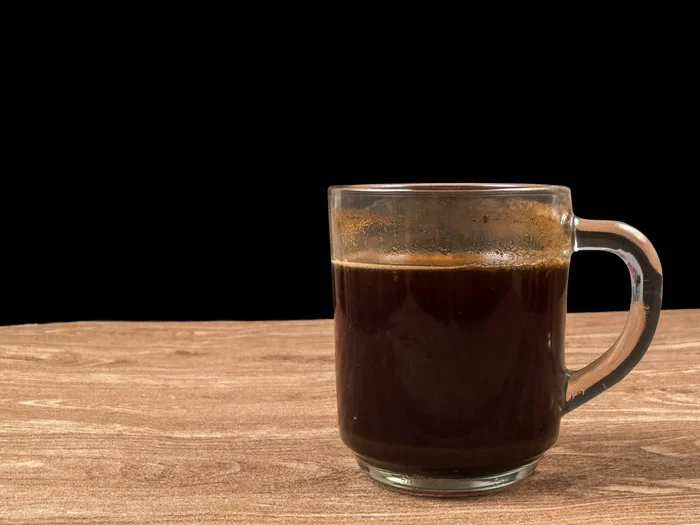
Visual guide about black coffee in glass mug
Image source: static.vecteezy.com
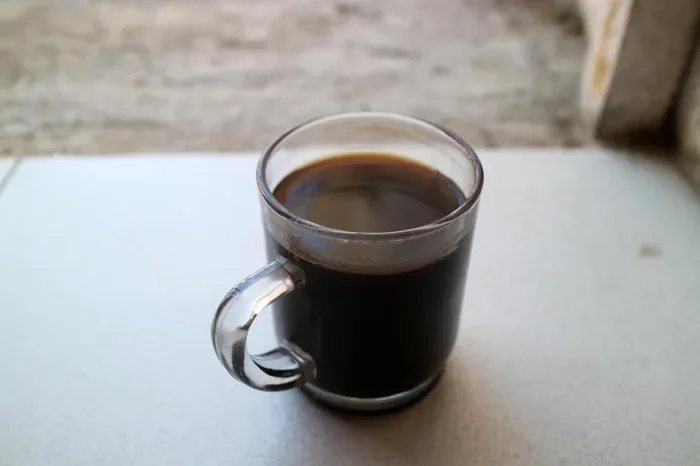
Visual guide about black coffee in glass mug
Image source: static.vecteezy.com
Key Takeaways
- Black coffee is safe during fasting because it contains almost zero calories and does not trigger insulin.
- Avoid milk, cream, sugar, and syrups since even small amounts can break your fasted state.
- Moderation matters because too much caffeine may cause jitters, sleep issues, or digestive discomfort.
- Decaf and plain tea are good alternatives when you want a warm drink without extra stimulation.
- Listen to your body and adjust your fasting routine if coffee makes you feel anxious or unsettled.
Coffee can suppress appetite and help you stick to your eating window without feeling hungry.
[FEATURED_IMAGE_PLACEHOLDER]
Does Drinking Coffee Break Your Fast? The Short Answer
You wake up early. You want a warm cup of comfort. You also want to keep your fast clean. So you ask yourself a simple question: does drinking coffee break your fast? The good news is that plain black coffee usually does not break a fast. It has almost no calories. It does not spike your blood sugar in a meaningful way. It can even help you feel more alert and less hungry during your fasting window.
The real issue comes from what you add to that cup. A splash of milk, a spoon of sugar, or a flavored syrup can change everything. Those extras bring calories, carbs, and sometimes fat into your system. That can signal your body to stop burning stored fat and shift into digestion mode. If you keep your coffee simple, you are usually safe. If you like it fancy, you may want to save it for your eating window instead.
Let us walk through the details so you can make a clear choice for your own routine. You will learn what counts as a clean fast, how coffee affects your body, and which habits help you stay on track without feeling deprived.
What Counts as Breaking a Fast
A fast is not just about skipping meals. It is about giving your body a break from constant digestion and insulin spikes. When you fast, your body can focus on rest, repair, and fat burning. Even small amounts of certain foods and drinks can interrupt that process. The main goal is to keep your insulin levels low and avoid triggering digestion too early.
Most people think of fasting as a calorie-free window. That is mostly true, but the details matter. A few extra calories here and there may seem tiny, yet they can still affect your results. If you are fasting for weight loss, a small change may not ruin your progress. If you are fasting for metabolic health or gut rest, you may want to be stricter. The right approach depends on your goals and how your body responds.
Here is a simple way to think about it:
- Strict fast: water, plain black coffee, and plain tea only.
- Moderate fast: very low-calorie drinks with almost no insulin impact may be acceptable for some people.
- Goal-based fast: your rules may change if you care more about weight loss, gut rest, or convenience.
This is why the question does drinking coffee break your fast does not have one perfect answer for everyone. It depends on your drink, your goals, and your tolerance.
How Black Coffee Affects Your Body During a Fast
Black coffee is one of the most popular fasting drinks for a reason. It is warm, comforting, and nearly calorie-free. A typical cup of black coffee has very little energy in it. That means it usually will not push you out of a fasted state. It also contains caffeine, which can give you a helpful boost when you are trying to skip breakfast or extend your morning routine.
Caffeine can do a few useful things during a fast. It may help reduce hunger for a short time. It can also support focus and energy when you have not eaten yet. Some people feel more alert and motivated after a cup of coffee, which makes fasting feel easier. That does not mean coffee is magic, but it can be a useful tool when used wisely.
There are a few things to watch, though. Coffee can increase stomach acid, which may bother some people on an empty stomach. It can also make you feel jittery if you drink too much or if you are sensitive to caffeine. If you notice shakiness, anxiety, or an upset stomach, you may want to cut back or switch to a milder option. Fasting should feel manageable, not miserable.
A few practical points to keep in mind:
- Plain coffee is usually low-risk for most fasting goals.
- Caffeine may help with appetite control in the short term.
- Too much coffee can cause discomfort, especially on an empty stomach.
- Your personal tolerance matters more than any general rule.
What You Should Avoid Adding to Coffee While Fasting
This is where many people get tripped up. Coffee itself may be fine, but the extras can quietly break your fast. Even small additions can bring in calories, sugar, or fat. Once that happens, your body may start shifting out of the fasted state. If you want to stay conservative, it is best to keep your cup as plain as possible.
Here are common additions that can cause problems:
- Sugar: adds calories and can raise blood sugar quickly.
- Honey or maple syrup: may feel natural, but they still contain sugar and energy.
- Milk or cream: adds calories, fat, and some protein, which can affect fasting.
- Flavored syrups: often contain sugar and other additives.
- Coffee creamers: many are sweetened and processed, even if they look small.
- Butter or oil blends: these are calorie-dense and can stop a strict fast.
If you like a little flavor, you do not have to give up coffee entirely. You can experiment with what fits your goals. Some people save flavored coffee for their eating window. Others keep their fasting window strict and use plain coffee only. The best choice is the one that helps you stay consistent without making you feel deprived.
A simple rule can help: if it has calories, treats, or sweetness, it is probably better during your eating window. If you want the cleanest fast, stick with black coffee and plain water. That keeps things easy and removes guesswork.
Does Drinking Coffee Break Your Fast When You Add Small Amounts
This is one of the most common follow-up questions. People often wonder if a tiny splash of milk or a small amount of sweetener really matters. The honest answer is that it depends on how strict you want to be. A very small amount may not ruin your progress, especially if your main goal is weight management. Still, it can affect a stricter fast, particularly if you care about insulin response or gut rest.
Think of fasting like a spectrum. On one end, you have a very strict approach with only water and black coffee. On the other end, you have a more flexible approach that allows tiny amounts of additives. Neither approach is automatically wrong. The key is to choose a method you can repeat consistently. Consistency usually matters more than perfection.
If you are unsure, try this simple test:
- Start strict: use black coffee for a week and see how you feel.
- Track your results: notice hunger, energy, digestion, and progress.
- Adjust carefully: if you want to add a small amount, do it on purpose and watch the effect.
- Keep it simple: avoid turning your fast into a long list of exceptions.
Some people find that a tiny bit of cream does not bother them. Others discover that even a small change makes them hungrier later. Your experience is what matters most. If you are trying to decide does drinking coffee break your fast in your own case, pay attention to how your body responds rather than chasing a perfect rule.
Best Coffee Choices for Fasting
If you want coffee to support your fast, choose the simplest option first. Plain brewed coffee is a strong choice because it is easy, low-calorie, and familiar. Espresso can also work well if you enjoy a smaller, stronger drink. Cold brew is another option, especially if you prefer a smoother taste. The main idea is to avoid hidden ingredients and keep the drink as clean as possible.
If black coffee feels too bitter, you still have a few low-risk ways to make it more enjoyable without breaking your fast. You can try different brew methods to change the flavor. A cleaner cup may taste smoother than a harsh one. You can also experiment with roast level, since some roasts taste milder or richer. Small changes in preparation can make a big difference in how satisfying your cup feels.
Here are some fasting-friendly coffee habits:
- Choose plain black coffee when you want the safest option.
- Try different roasts to find a flavor you enjoy without additives.
- Use simple brewing methods that do not require extra ingredients.
- Keep portions reasonable so caffeine does not become overwhelming.
- Pair coffee with water to stay hydrated throughout your fast.
If you want more ideas for clean drinks during your fasting window, you may also find it helpful to read about best coffee maker that keeps coffee hot so your cup stays enjoyable without needing extra fixes. A good brewing setup can make plain coffee taste better and help you stick with your routine.
Common Mistakes People Make With Coffee and Fasting
Fasting is simple in theory, but small habits can create confusion. Coffee is one of the easiest places to make a hidden mistake. Many people think they are staying clean, but their drink has extra calories or sweeteners they forgot about. Others drink too much coffee and feel anxious, tired, or uncomfortable later. A few small adjustments can prevent these problems.
One common mistake is assuming all coffee drinks are the same. They are not. A plain cup is very different from a sweetened latte or a flavored frozen drink. Another mistake is using coffee to mask hunger every single day. That can work for a while, but it may also teach you to ignore your body’s signals. Fasting should not become a battle against normal hunger cues.
Here are a few mistakes to avoid:
- Adding hidden sweeteners that seem small but still count.
- Drinking too much caffeine and feeling wired or uneasy.
- Using coffee to ignore real discomfort instead of adjusting your plan.
- Forgetting hydration and relying only on coffee.
- Making your fast too complicated with too many exceptions.
If you want a calmer approach, keep your coffee simple and your routine predictable. That makes fasting easier to maintain. It also helps you notice what actually works for your body instead of guessing.
Expert Insights: Making Coffee Work for Your Fast
The best fasting routine is the one you can keep doing. Coffee can fit into that routine nicely if you use it with intention. Think of it as a support tool, not the whole plan. It can help with warmth, focus, and appetite control, but it should not replace good sleep, balanced meals, and realistic expectations. When you treat coffee as a simple part of your day, it becomes easier to stay consistent.
A few smart habits can make a big difference. Drink coffee earlier if late caffeine affects your sleep. Sip water alongside it so you do not get dehydrated. If plain coffee feels too strong, start with a smaller cup and see whether that feels better. You do not need to force a harsh routine just because fasting is popular. The goal is steady progress, not perfection.
If you want to build a more comfortable morning setup, you might also explore best coffee maker with hot water dispenser for a simpler routine. Having hot water ready can make your morning feel smoother, especially if you like tea or a quick reset between drinks. Small conveniences can help you stay on track without adding stress.
Another helpful idea is to keep your fasting window realistic. If your schedule is busy, a shorter fast that you can repeat may be better than a long fast that feels hard to maintain. Coffee can support that plan, but it works best when the rest of your routine is also manageable.
Key Takeaways for Coffee and Fasting
Let’s bring this together in a practical way. If you are asking does drinking coffee break your fast, the safest default is to keep it black and plain. That gives you the best chance of staying in a fasted state while still enjoying your morning cup. If you add milk, sugar, or flavored extras, you move closer to breaking the fast, even if the amount seems small.
The most useful approach is to match your coffee habits to your goals. If you want a strict fast, keep additives out of the window. If you are more flexible, you can experiment carefully and watch the results. Either way, consistency matters. A simple routine you can repeat will usually beat a perfect routine you cannot maintain.
Remember these final points:
- Black coffee is usually fasting-friendly.
- Additives can break a fast by adding calories and triggering digestion.
- Your goals shape your rules.
- Comfort and consistency matter.
- Hydration and moderation help you feel better.
Conclusion
So, does drinking coffee break your fast? In most cases, plain black coffee does not. It is low in calories and unlikely to interrupt a fasted state when you keep it simple. The trouble starts when you add sugar, milk, cream, syrups, or other extras. Those additions can bring in energy and change how your body responds. If you want the cleanest result, keep your coffee plain and your routine clear.
The best fast is the one that fits your life. Coffee can be a helpful part of that if you use it wisely. Choose simple drinks, pay attention to your body, and avoid turning your fast into a long list of exceptions. When you do that, you can enjoy your cup and still support your goals with confidence.
Can I drink black coffee during intermittent fasting?
Yes, plain black coffee is usually fine during intermittent fasting because it has very few calories and does not significantly raise insulin. Keep it simple and avoid sweeteners or milk if you want to stay in a fasted state.
Does a small splash of milk break a fast?
A tiny splash may not ruin your progress for everyone, but it can still add calories and affect a stricter fast. If you want the cleanest result, it is safer to save milk for your eating window.
Is flavored coffee okay while fasting?
Flavored coffee can be a problem if the flavoring comes from sugar, syrups, or sweetened additives. Plain coffee with natural flavor from the beans is usually safer than coffee with added sweeteners.
Can coffee help suppress appetite during a fast?
Yes, caffeine may help reduce hunger for a short time and make fasting feel easier for some people. It is not a long-term solution, so it helps to pair it with a realistic fasting plan.
What is the best drink to have while fasting?
Water is the best base drink, and plain black coffee or plain tea can also work for many people. The simplest drinks are usually the safest choice during a fast.
How much coffee is too much during fasting?
That depends on your caffeine tolerance, but too much can cause jitters, anxiety, stomach upset, or sleep problems. If you feel overly stimulated or uncomfortable, it is a good sign to cut back.
Frequently Asked Questions
What is Does Drinking Coffee Break Your Fast?
Does Drinking Coffee Break Your Fast is an important topic with many practical applications.