Making great coffee starts with getting the how many oz of coffee beans per cup ratio right. Most people use about 0.35 to 0.5 ounces of beans for a standard mug. This simple guide breaks down the exact measurements for different brew methods. You will learn easy tips to measure beans like a pro barista. Stop guessing and start brewing better coffee today.
Coffee is more than just a drink. It is a daily ritual for millions of people. The smell of fresh beans can wake up your whole house. But making that perfect cup can feel tricky. Many people wonder about the right amount to use. You might ask yourself how many oz of coffee beans per cup you really need. Getting this right changes everything. Too little coffee tastes weak and watery. Too much coffee tastes bitter and harsh. Finding the sweet spot makes your morning better.
This guide will help you find that perfect balance. We will look at simple numbers and easy methods. You do not need fancy tools to start. A basic scale works wonders. We will also talk about different brew styles. Each style needs a slightly different amount. By the end, you will feel confident in your brewing. You will know exactly what to do each morning. Let us dive into the world of coffee ratios.
Key Takeaways
- Standard Ratio: Use 0.35 to 0.5 ounces of coffee beans per 8-ounce cup of water.
- Grind Size Matters: Finer grinds need less coffee, while coarser grinds need more.
- Brew Method Changes Needs: Espresso requires more ounces per ounce of water than drip coffee.
- Weighing Beans Wins: Using a kitchen scale gives you the most consistent results every time.
- Taste Over Rules: Adjust the amount up or down based on your personal taste preference.
- Freshness Counts: Freshly roasted beans taste stronger, so you may need fewer ounces.
- Water Quality Helps: Clean, filtered water makes your coffee beans taste better at any ratio.
📑 Table of Contents
Understanding the Basic Coffee Ratio
The golden rule of coffee is simple. You want a balance between water and beans. Most experts suggest a ratio of 1:16. This means one part coffee to sixteen parts water. For a standard 8-ounce cup of water, you need about 0.5 ounces of beans. This is a great starting point for most people. It gives you a clean and smooth taste. You can adjust this later based on your liking.
Some people like their coffee stronger. Others prefer it lighter. If you want a bold cup, try a 1:15 ratio. This means using slightly more beans. You might use 0.55 ounces for the same amount of water. If you like it mild, go for 1:17. This uses less beans. You would use around 0.45 ounces. These small changes make a big difference. It is all about finding what you love.
Why Weight Matters More Than Volume
Many people use scoops to measure coffee. This is common but not always accurate. Beans have different sizes and densities. A scoop of dark roast weighs less than a scoop of light roast. This is because dark beans are less dense. Using weight solves this problem. It gives you consistency every single time. When you know how many oz of coffee beans per cup you use, you can repeat your success.
Scales are cheap and easy to find. You can get a small kitchen scale for very little money. Place your grinder on the scale. Tare it to zero. Then add your beans. This takes only a few seconds. It removes the guesswork from your morning routine. You will notice a better taste soon. Your friends will notice it too. Consistency is the key to great coffee.
How Many Oz of Coffee Beans Per Cup for Different Brews
Not all coffee makers are the same. Each method extracts flavor differently. This means the amount of beans changes too. Drip coffee is the most common method in homes. For a standard drip machine, stick to the 0.5 ounces per 8 ounces of water. This works well for most automatic brewers. It prevents clogging the filter too. It also ensures the water flows through properly.
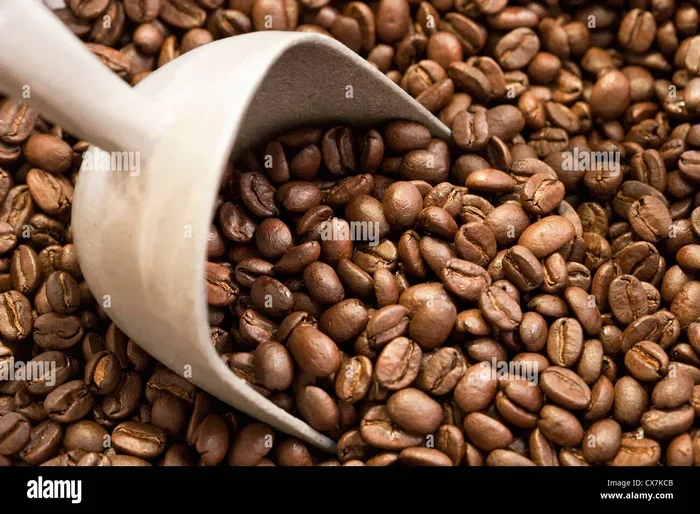
Visual guide about fresh coffee beans and measuring scoop
Image source: c8.alamy.com
French press coffee is richer and heavier. This method needs a coarser grind. You should use a bit more coffee here. Try 0.55 ounces per 8 ounces of water. The immersion method pulls out more oils. More beans help balance the heavy body. Espresso is very different. It uses much less water but more pressure. For a single shot, you need about 0.25 ounces of beans. The ratio is much stronger here.
Cold Brew Considerations
Cold brew is popular in summer. It steeps for a long time. Because it sits so long, you need more coffee. A good ratio is 1:8 for concentrate. This means you use a lot of beans. For a regular cup, you dilute it later. Start with 0.75 ounces of beans per 8 ounces of water. This sounds like a lot. But remember, you add water or milk later. The strong base makes a smooth drink.
Pour-over methods are similar to drip. But they give you more control. You can pour the water slower. This extracts more flavor. You can use the standard 0.5 ounces ratio. If you want more clarity, use slightly less. If you want more body, use slightly more. Experimenting is fun with pour-over. You can taste the changes immediately. It is a great way to learn.
Grind Size and Its Impact on Measurement
The way you grind your beans matters a lot. Fine grinds have more surface area. Water extracts flavor faster from them. This means you might need less coffee. Coarse grinds have less surface area. Water takes longer to extract flavor. You might need more coffee to get the same strength. This is why consistency is key. A burr grinder gives you even grounds. Blade grinders chop beans unevenly.
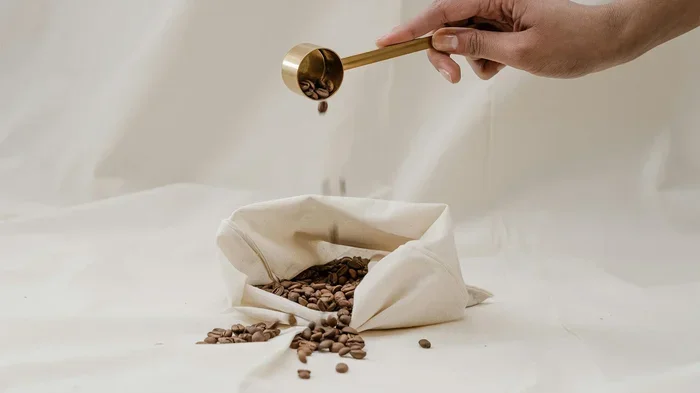
Visual guide about fresh coffee beans and measuring scoop
Image source: outin.com
Uneven grounds lead to uneven taste. Some parts taste sour. Some parts taste bitter. Using the right amount of beans helps. But the grind size must match your brewer. French press needs coarse grounds. Espresso needs fine grounds. Drip coffee needs medium grounds. If you use the wrong grind, you waste beans. You might use more ounces to fix the taste. But fixing the grind is better. It saves money and improves flavor.
Freshness and Bean Density
Fresh beans behave differently than old beans. Freshly roasted beans have more gas. This affects how water flows through them. They might taste stronger too. Old beans lose flavor and oils. You might feel like using more ounces. But old beans will never taste as good. It is better to buy fresh beans. Store them in a cool, dark place. Air and light ruin coffee quickly.
Bean density also changes with roast level. Light roasts are denser. They weigh more per scoop. Dark roasts are less dense. They weigh less per scoop. If you measure by weight, this does not matter. This is another reason to use a scale. When you ask how many oz of coffee beans per cup, weight is the true answer. Volume changes, but weight stays true. Stick to weight for the best results.
Common Mistakes When Measuring Coffee
People make mistakes often. One big mistake is using stale beans. Stale beans need more coffee to taste good. But they still taste flat. Another mistake is ignoring water temperature. Water that is too hot burns the beans. Water that is too cool makes weak coffee. The ideal temperature is between 195 and 205 degrees. This helps extract the right flavors.
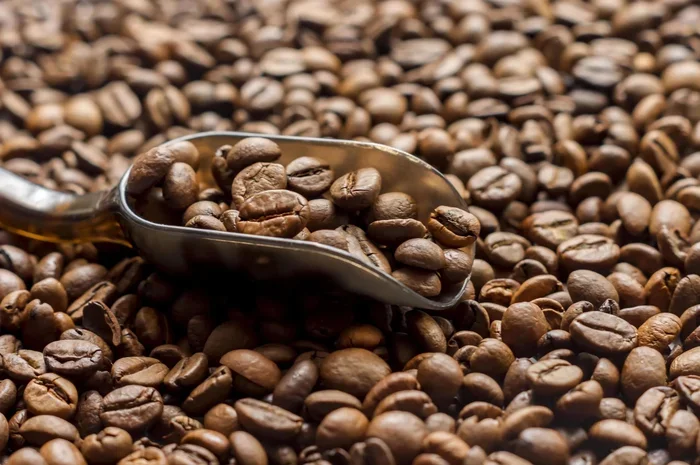
Visual guide about fresh coffee beans and measuring scoop
Image source: static.vecteezy.com
Many people also ignore the water quality. Tap water can have strong smells. Chlorine tastes bad in coffee. Use filtered water if you can. It makes a clean cup. Another mistake is not cleaning the machine. Old oils build up in coffee makers. These oils go rancid. They make fresh coffee taste bad. Clean your equipment regularly. This keeps every cup tasting fresh.
Adjusting for Personal Taste
Rules are just guidelines. Your taste is the final judge. Some days you want strong coffee. Some days you want something mild. It is okay to change the amount. Start with the standard 0.5 ounces. Taste the cup. If it is too weak, add more beans next time. If it is too strong, use less. Keep notes on what you like. This helps you remember your perfect ratio.
Your mood can change your taste too. A cold morning might need a stronger brew. A hot afternoon might need a lighter one. Listen to your body. Coffee is meant to be enjoyed. Do not stress too much about perfect numbers. The best cup is the one you love. Use the measurements as a starting point. Then make it your own.
Tools to Help You Measure Accurately
You do not need expensive gear. A simple scale is the best tool. Look for one that measures in grams or ounces. Small scales are easy to store. They fit on any counter. Some scales even have timers. This helps with pour-over coffee. You can track your brew time. It adds precision to your process. Precision leads to better coffee.
Scoops are okay for rough estimates. But they vary in size. A standard scoop is about 0.35 ounces. This is less than the ideal 0.5 ounces. You might need one and a half scoops. This is confusing. A scale removes this confusion. It tells you exactly how many oz of coffee beans per cup you are using. It is worth the small investment. Your coffee will taste better for it.
Storage Tips for Coffee Beans
Keeping beans fresh is important. Store them in an airtight container. Glass or ceramic works well. Keep the container in a dark cupboard. Heat and light damage beans. Do not store beans in the fridge. Moisture can ruin them. The fridge also smells like other food. Beans absorb odors easily. Keep them in a cool, dry place.
Buy only what you need. Fresh beans last a few weeks. After that, they lose flavor. Buying in small batches ensures freshness. Grind your beans just before brewing. Ground coffee loses flavor fast. Whole beans stay fresh longer. This simple step improves taste greatly. It is one of the easiest ways to upgrade your coffee.
Expert Insights on Coffee Ratios
Baristas often talk about the “golden cup.” This is a standard set by experts. It suggests specific ranges for strength and extraction. Most home brewers aim for this range. It ensures a balanced flavor. But home equipment varies. Your machine might run hotter or cooler. You may need to tweak the ratio. This is normal. Even experts adjust for their tools.
Water chemistry is another expert topic. Hard water changes extraction. Soft water changes it too. Ideal water has some minerals. Pure water tastes flat. A balanced mineral content helps flavor. If your coffee tastes off, check your water. It might be the missing piece. Small changes in water help a lot. It complements the beans well.
Quick Tips for Better Brewing
Here are some fast tips to remember. First, always weigh your beans. Second, use fresh filtered water. Third, clean your machine often. Fourth, grind right before brewing. Fifth, preheat your mug. A hot mug keeps coffee warm longer. Sixth, experiment with ratios. Find your sweet spot. These steps make a big difference. You will taste the improvement quickly.
Do not rush the process. Let the water bloom the grounds. This releases gas. It helps even extraction. Wait thirty seconds before pouring more. This small pause helps flavor. It is a simple trick. Many people skip it. But it matters for quality. Take your time. Good coffee deserves attention.
Key Takeaways for Perfect Coffee
We have covered a lot of ground. Here is what to remember. Use about 0.5 ounces of beans for an 8-ounce cup. Adjust based on your brew method. Use a scale for accuracy. Grind size matters as much as amount. Keep beans fresh and stored well. Clean your equipment regularly. Taste and adjust to your liking. These steps lead to great coffee.
Making coffee is a skill. It gets better with practice. You will learn what works for you. Maybe you like it stronger. Maybe you like it lighter. That is okay. The goal is enjoyment. Use these tips as your guide. Start with the standard ratios. Then tweak them. Soon you will brew like a pro. Your morning ritual will be perfect.
Remember that quality beans matter too. Good beans make good coffee. Bad beans make bad coffee. No ratio fixes bad beans. Invest in good quality. Look for fresh roasts. Support local roasters if you can. They often have great options. Freshness and quality go hand in hand. Combine this with the right measurements. You will have the best coffee at home.
Frequently Asked Questions
How many ounces of coffee beans for one cup?
For a standard 8-ounce cup of water, use about 0.5 ounces of coffee beans. This ratio creates a balanced and flavorful brew for most people. You can adjust slightly based on how strong you like your coffee.
Does grind size change how many oz of coffee beans per cup I need?
Yes, grind size affects extraction. Finer grinds extract faster, so you might use slightly less coffee. Coarser grinds need more time or more beans to get the same strength. Always match your grind to your brew method.
Is it better to weigh beans or use scoops?
Weighing beans is much better for consistency. Scoops vary in size and density changes with roast level. A kitchen scale ensures you use the exact amount every time. This leads to a better tasting cup.
How does water temperature affect coffee strength?
Water that is too hot can burn the beans and taste bitter. Water that is too cool makes weak coffee. The ideal range is between 195 and 205 degrees Fahrenheit. This extracts the best flavors without burning.
Can I use less coffee if my beans are very fresh?
Fresh beans often taste stronger and more vibrant. You might find you need slightly fewer ounces to get the taste you want. However, stick to the standard ratio first. Adjust only if the coffee tastes too intense.
What is the best ratio for cold brew coffee?
Cold brew usually needs a higher coffee ratio because it steeps for a long time. A good starting point is 0.75 ounces of beans per 8 ounces of water. You can dilute the concentrate with water or milk later.