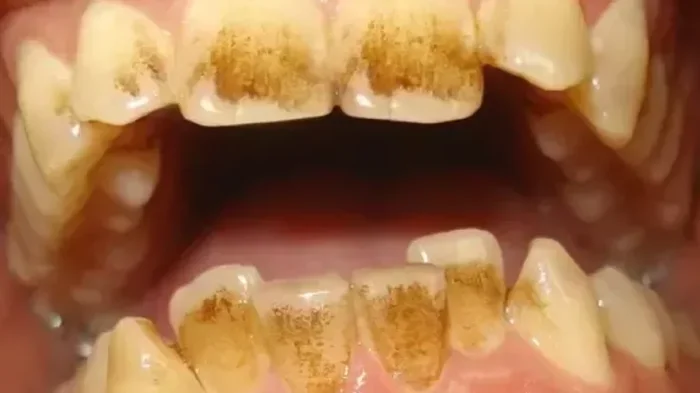
Yes, coffee can stain your teeth. The dark pigments in your daily brew cling to enamel, especially with frequent sipping. But don’t panic. Simple habits like using a straw, rinsing with water, and brushing at the right time can dramatically reduce discoloration. You can still enjoy your favorite drink while keeping your smile bright.
Your morning cup brings comfort, energy, and a quiet moment before the day begins. Yet many coffee lovers glance at their reflection and wonder if that daily habit is leaving a mark on their smile. Can coffee stain your teeth? The short answer is yes, but the full story is more nuanced and far more manageable than most people think.
Tooth discoloration from coffee is common, but it is not inevitable. Understanding how stains form gives you the power to enjoy your favorite drink without sacrificing your smile. In this guide, we will break down why coffee affects enamel, what factors make staining worse, and the everyday habits that keep your teeth bright. You will also learn when to try home care, when to call a dentist, and how to build a routine that fits your lifestyle.
Key Takeaways
- Coffee is a known tooth stainer: Its tannins and chromogens bind to enamel and cause yellow or brown discoloration over time.
- Acidity plays a hidden role: Coffee softens enamel slightly, making it easier for stains to latch on.
- Frequency matters more than amount: Sipping slowly throughout the day exposes teeth longer than drinking quickly.
- Simple habits reduce staining: Rinsing with water, using a straw, and waiting to brush after drinking all help protect your smile.
- Professional cleanings remove surface stains: Regular dental visits can polish away coffee buildup before it sets in deeply.
- Whitening options exist for deeper stains: At-home kits and in-office treatments can restore brightness when stains become noticeable.
- You don’t have to quit coffee: Smart routines let you enjoy your brew while keeping your teeth looking clean and healthy.
📑 Table of Contents
- Why Can Coffee Stain Your Teeth?
- How Quickly Does Coffee Stain Teeth?
- Simple Ways to Prevent Coffee Stains on Teeth
- When to Try Home Whitening vs. Professional Care
- Daily Habits That Protect Your Smile Long Term
- Common Myths About Coffee and Tooth Stains
- Expert Insights: How Dentists View Coffee Stains
- Key Takeaways for Coffee Lovers
Why Can Coffee Stain Your Teeth?
Coffee has a strong reputation for leaving teeth looking dull or yellow. The reason comes down to chemistry, timing, and how your enamel interacts with what you drink. Let’s look at the main culprits.
The Role of Tannins and Chromogens
Coffee contains natural compounds called tannins. These plant-based molecules love to stick to surfaces, including tooth enamel. Coffee also carries chromogens, which are deeply colored pigments that give the brew its rich brown tone. When you sip coffee, these pigments settle on the outer layer of your teeth. Over time, they build up and create a yellow or brown tint.
Think of enamel like a smooth countertop. At first, spills wipe away easily. But if you leave the same spill there day after day, it starts to leave a mark. Teeth work the same way. The more often coffee pigments touch enamel, the harder it becomes to remove them with simple rinsing.
How Acidity Affects Enamel and Staining
Coffee is mildly acidic. That acidity does not dissolve enamel, but it can soften the surface slightly for a short time. When enamel is softer, pigments can penetrate more easily. This is why drinking coffee and then brushing immediately can sometimes do more harm than good. You want to give your enamel a moment to re-harden before you scrub.
A gentle rinse with water after coffee helps wash away loose pigments and balances the mouth. It is a small step that makes a real difference over weeks and months.
Daily Habits That Make Staining Worse
Not all coffee drinkers stain at the same rate. Your habits matter. Here are common patterns that increase discoloration:
- Sipping slowly over hours: Long exposure gives pigments more time to cling to enamel.
- Drinking black coffee often: Darker coffee usually carries more visible pigments than coffee with milk or cream.
- Skipping water rinses: Without a quick rinse, pigments stay on the teeth longer.
- Brushing right after coffee: Scrubbing while enamel is softened can wear the surface and make stains more likely later.
- Dry mouth: Saliva helps wash away particles. Less saliva means more chance for buildup.
If any of these sound familiar, you are not alone. The good news is that small changes can lower the impact without taking away your coffee routine.
How Quickly Does Coffee Stain Teeth?
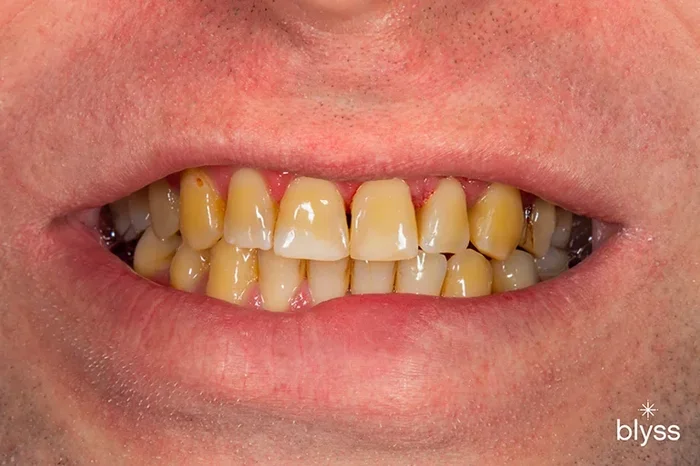
People often ask how long it takes before coffee leaves a visible mark. The answer depends on your enamel, your habits, and your genetics. Some people notice a slight dullness after months of daily drinking. Others see changes sooner because their enamel is more porous or because they sip coffee throughout the day.
Visual guide about coffee stained teeth close up
Image source: blyssdental.com
Surface stains usually appear first. These are the kind you might notice as a general yellowing or a lack of shine. Deeper stains take longer to develop and often show up as darker spots or uneven color. The important thing is that early surface stains are easier to manage than long-term buildup.
If you drink coffee most days, a simple maintenance routine can keep discoloration from becoming obvious. Consistency matters more than perfection. A few steady habits protect your smile better than occasional intense cleaning.
Simple Ways to Prevent Coffee Stains on Teeth
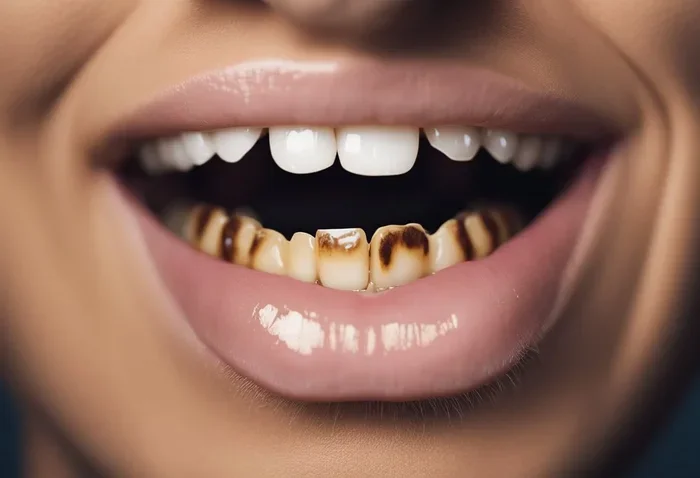
You do not need to give up coffee to protect your teeth. A few practical habits can reduce staining while keeping your routine enjoyable. Try these steps and see which ones fit your day.
Visual guide about coffee stained teeth close up
Image source: koala.sh
Rinse With Water After Every Cup
A quick swish of water helps remove loose pigments before they settle. It also helps balance acidity in the mouth. You do not need to gargle or overdo it. Just take a sip of water, swish gently, and swallow. This takes seconds and works well after coffee, tea, or any dark beverage.
Use a Straw When It Makes Sense
A straw can reduce how much coffee touches the front teeth. This is especially helpful for iced coffee or cold brew. For hot coffee, a straw may be less comfortable, but it can still help if you prefer one. The goal is simple: limit direct contact with the teeth you show when you smile.
Pair Coffee With Crunchy Fruits or Veggies
Apples, carrots, celery, and similar foods can help clean tooth surfaces naturally as you chew. They also stimulate saliva, which is your mouth’s built-in rinse system. Having a small snack alongside your coffee or shortly after can support a cleaner feel and a brighter look.
Keep Up With Brushing, But Time It Well
Brushing twice a day is essential for overall oral health. For coffee drinkers, timing matters. If you drink coffee in the morning, consider rinsing with water first and brushing after a short wait. This gives enamel time to recover from acidity. Use a soft-bristled brush and a gentle technique. Aggressive scrubbing does not make teeth whiter; it can irritate gums and wear enamel over time.
Choose Dental Products That Support Enamel
A toothpaste designed for enamel support or gentle whitening can be useful. Look for products that help remove surface stains without being overly abrasive. If you are unsure which option fits your teeth, a dentist or hygienist can point you in the right direction based on your enamel and sensitivity.
Stay Hydrated Throughout the Day
Drinking enough water supports saliva flow. Saliva helps wash away particles and keeps the mouth comfortable. If your mouth feels dry, stains may cling more easily. Keep a water bottle nearby, especially if you drink coffee in the morning or during long work sessions.
When to Try Home Whitening vs. Professional Care
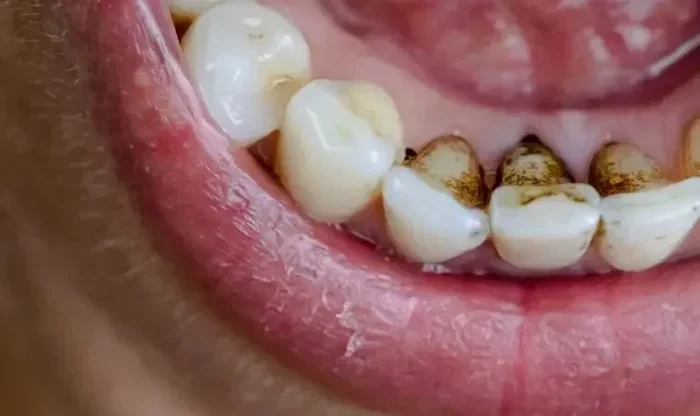
If you already notice staining, you have options. The right choice depends on how deep the discoloration is and how sensitive your teeth feel. Here is a simple way to think about it.
Visual guide about coffee stained teeth close up
Image source: lisgarparkdental.com
Best At-Home Options for Mild Surface Stains
For light yellowing or dullness, gentle at-home care can help. Whitening toothpaste can reduce surface stains over time. Whitening strips or trays may brighten teeth a bit more, but they work best when used as directed and not too often. Overuse can lead to sensitivity, so less is often more.
If you want a slower, steadier approach, focus on daily habits first. Rinse with water, brush gently, and use a whitening toothpaste consistently. Many people see a noticeable improvement just by reducing new stain buildup and letting their regular cleaning routine do its work.
When a Dentist Can Help More
If stains feel stubborn, darker, or uneven, a professional cleaning may be the best next step. Hygienists can remove buildup that home care cannot reach. Dentists can also discuss whitening options that fit your enamel and sensitivity level. For some people, an in-office treatment provides a faster, more even result.
Professional care is especially helpful if you have not had a cleaning in a while. Sometimes what looks like staining is a mix of surface buildup and natural tooth color. A cleaning can clarify what is really going on and give you a fresh starting point.
How to Choose Safely
Not every whitening product suits every mouth. If your teeth are sensitive, if your gums are tender, or if you have existing dental work, it is wise to check with a dental professional before starting a strong whitening routine. The goal is a brighter smile, not irritation or uneven results.
Daily Habits That Protect Your Smile Long Term
Preventing coffee stains is really about building a routine that supports your teeth every day. The best habits are easy to repeat. Here are a few that work well for busy people.
Keep a Water Bottle Nearby
Water is your simplest ally. Sip it between cups of coffee and throughout the day. It helps keep the mouth moist and washes away loose particles. If you work at a desk, keep a glass or bottle within reach so rinsing becomes automatic.
Watch the Clock on Sipping
Drinking coffee within a shorter window reduces the time pigments stay on your teeth. If you usually nurse one cup for hours, try finishing it in a more defined stretch. Then rinse with water and move on to your next task. This small shift can reduce exposure without changing how much you enjoy your drink.
Add Milk or Cream if You Like It
Some people find that adding milk or cream lightens the look of coffee and may reduce how strongly pigments cling to teeth. It is not a perfect fix, but it can help some drinkers notice less discoloration over time. If you enjoy a lighter cup, this is an easy habit to try.
Clean Teeth Gently and Consistently
Consistency beats intensity. A soft brush, a comfortable flossing routine, and regular dental visits support a cleaner, brighter smile. Flossing matters too, because stains can collect near the gumline and between teeth where brushes miss. A complete routine keeps the whole mouth healthier, not just the front surfaces.
Pay Attention to Dry Mouth and Medications
Some medicines and health habits can reduce saliva. Less saliva means less natural rinsing. If your mouth often feels dry, mention it to a dentist or doctor. They can help you find ways to stay comfortable and protect your teeth.
Common Myths About Coffee and Tooth Stains
There is a lot of advice out there, and not all of it is helpful. Let’s clear up a few common misunderstandings so you can focus on what actually works.
Myth: Coffee Ruins Teeth Overnight
Coffee does not suddenly ruin teeth. Staining builds gradually. That is actually good news, because it means you can interrupt the process with simple habits. You do not need to panic over one cup or one day of drinking.
Myth: You Must Brush Immediately After Coffee
Brushing right after coffee can be too harsh on softened enamel. A water rinse first is usually a better choice. Then brush after a short wait. This approach protects enamel while still keeping your teeth clean.
Myth: Whitening Products Fix Every Stain
Whitening products work best on surface stains and natural tooth color. They do not change the color of crowns, veneers, or some types of deeper discoloration. If you have dental work or stubborn staining, a dentist can help you set realistic expectations.
Myth: Only Black Coffee Causes Stains
Black coffee is more likely to leave visible pigments, but any dark drink can contribute to staining if it touches teeth often. Tea, cola, and other colored beverages can also play a role. The key is total exposure and your daily care routine.
Expert Insights: How Dentists View Coffee Stains
Dentists usually see coffee staining as a cosmetic issue rather than a sign of disease. That does not mean it should be ignored, but it does mean you can handle it calmly. The focus is on reducing buildup, protecting enamel, and keeping the mouth healthy overall.
A dental hygienist can often tell how a person drinks coffee just by looking at where stains collect. Front teeth may show more color change if coffee is sipped slowly. Lower teeth may show less if they are sheltered by the tongue or lip. These patterns are common and familiar in dental care.
The best long-term plan is usually simple: rinse, brush gently, floss, and visit the dentist regularly. If you want whiter teeth, ask about options that match your sensitivity and enamel condition. A personalized plan works better than a one-size-fits-all product.
Key Takeaways for Coffee Lovers
If you love coffee, you can keep enjoying it while protecting your smile. The most helpful habits are also the easiest to maintain. Rinse with water, limit long sipping sessions, brush at the right time, and keep up with dental visits. If stains appear, start with gentle home care and ask a dentist about stronger options when needed.
A bright smile and a daily coffee habit can absolutely coexist. The goal is not perfection. The goal is steady care that keeps your teeth healthy, comfortable, and looking their best.
Frequently Asked Questions
Can coffee stain your teeth even if you brush daily?
Yes, coffee can still stain your teeth even if you brush every day. Brushing helps, but frequent sipping and long exposure can let pigments build up faster than brushing alone removes them. Rinsing with water and timing your brushing well can improve results.
Does adding milk or cream stop coffee from staining teeth?
Adding milk or cream may reduce how dark the coffee looks and can lessen pigment contact for some people, but it does not fully prevent staining. It is a helpful habit, especially if you drink coffee often, but you still benefit from rinsing and good daily care.
Is iced coffee worse for tooth stains than hot coffee?
Iced coffee can be just as staining as hot coffee, especially if you sip it slowly over a long period. The temperature matters less than how long the liquid touches your teeth. Using a straw and rinsing with water can help with both iced and hot coffee.
How can I remove coffee stains from teeth at home?
For mild surface stains, a whitening toothpaste, gentle brushing, and regular water rinses can help over time. Whitening strips may also brighten teeth if used correctly. If stains are deeper or stubborn, a dental cleaning or professional whitening may be more effective.
Should I brush my teeth right after drinking coffee?
It is usually better to rinse with water first and wait a bit before brushing. Coffee is mildly acidic, and brushing immediately can be harsh on softened enamel. A short wait gives your enamel time to recover before you brush gently.
Can a dentist remove coffee stains completely?
A dentist or hygienist can remove many surface stains during a professional cleaning, which often makes teeth look noticeably brighter. For deeper discoloration, whitening treatments may help, but results depend on the type of stain and your dental history. A dentist can explain what is realistic for your teeth.