
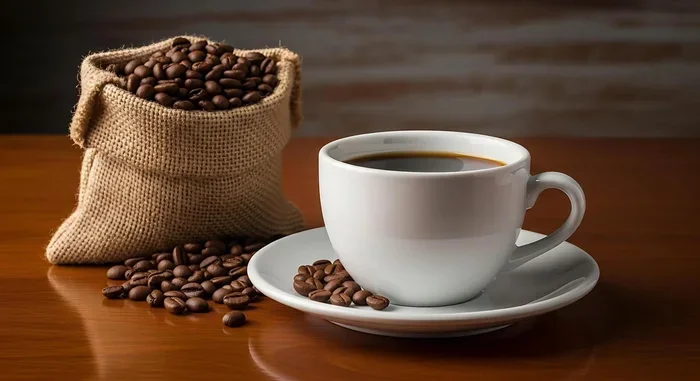
A standard cup of coffee typically contains between 95 and 200 milligrams of caffeine, depending on the brew method and bean type. Espresso has more caffeine per ounce, but drip coffee usually delivers more per serving. Understanding these numbers helps you manage your daily caffeine intake and avoid unwanted side effects.
Coffee is one of the most popular drinks in the world. Millions of people start their day with a hot cup. It gives you energy and helps you focus. But have you ever wondered about the milligrams of caffeine in coffee? Knowing this number helps you drink safely. It also helps you choose the right brew for your needs.
Many factors change the caffeine content. The type of bean matters a lot. The way you brew your drink changes the strength too. Even the size of your cup plays a role. In this guide, we will break down everything you need to know. You will learn how to measure your intake. You will also learn how to avoid drinking too much.
Key Takeaways
- Standard Brew: An 8-ounce cup of drip coffee usually has about 95 milligrams of caffeine.
- Espresso Strength: A single shot of espresso contains roughly 63 milligrams of caffeine.
- Bean Type Matters: Robusta beans have nearly twice the caffeine of Arabica beans.
- Roast Myth: Light roast coffee often retains slightly more caffeine than dark roast.
- Decaf Option: Decaffeinated coffee still contains a small amount, usually 2 to 5 milligrams.
- Health Limit: Most adults should stay under 400 milligrams of caffeine per day.
- Brew Time: Longer steeping times generally extract more caffeine from the grounds.
📑 Table of Contents
- Understanding Milligrams Of Caffeine In Coffee
- How Many Scoops Of Coffee Per Cup Of Water Affects Strength
- Caffeine Content In Drip Coffee vs Espresso
- Arabica Vs Robusta Beans And Caffeine Levels
- Managing Your Daily Caffeine Intake
- Tips For Reducing Caffeine Without Losing Flavor
- Common Mistakes When Estimating Caffeine
- Key Takeaways For Smart Coffee Drinking
Understanding Milligrams Of Caffeine In Coffee
Caffeine is a natural stimulant. It comes from the seeds of coffee plants. When you drink it, it blocks sleep signals in your brain. This makes you feel more awake. The amount of milligrams of caffeine in coffee varies widely. A small cup might have less than 50 milligrams. A large mug could have over 200 milligrams.
Scientists measure caffeine in milligrams. This is a tiny unit of weight. It allows us to compare different drinks accurately. For example, a can of soda usually has about 30 milligrams. A cup of tea might have 40 milligrams. Coffee is generally much stronger than both. Knowing these numbers helps you plan your day.
Why The Numbers Vary
You might see different numbers on different websites. This happens because there is no single standard. Farms grow coffee in different ways. Roasters treat the beans differently too. Even the water temperature changes the extraction. All these small things add up. They change the final caffeine content in your mug.
Another reason for variation is serving size. Some cafes serve small cups. Others serve large mugs. A 6-ounce cup is very different from a 16-ounce travel mug. Always check the size of your drink. This is the easiest way to estimate your intake.
How Many Scoops Of Coffee Per Cup Of Water Affects Strength
The ratio of coffee to water is crucial. If you use more grounds, you get more caffeine. If you use less water, the drink is stronger. Many people ask how many scoops of coffee per cup of water they should use. A standard ratio is often one scoop for every 6 ounces of water. But you can adjust this to your taste.
Visual guide about fresh cup of coffee
Image source: thumbs.dreamstime.com
Using more scoops increases the milligrams of caffeine in coffee. It also makes the flavor more bold. Using fewer scoops makes it lighter. If you want less caffeine, use fewer grounds. If you want more energy, add an extra scoop. Just remember that too much can cause jitters.
Measuring Your Brew
You do not need fancy tools to measure. A simple spoon works well. You can also use a scale for precision. Consistent measuring helps you track your intake. If you know your ratio, you know your strength. This makes it easier to manage your daily caffeine intake.
Here are some quick tips for measuring:
- Use a standard tablespoon for consistency.
- Keep your water temperature between 195 and 205 degrees.
- Grind your beans fresh for better extraction.
- Adjust the ratio based on your energy needs.
Caffeine Content In Drip Coffee vs Espresso
People often think espresso has more caffeine. This is true per ounce. But a cup of drip coffee usually has more total caffeine. A single shot of espresso is small. It is only about one ounce. A cup of drip coffee is much larger. It can be 8 ounces or more.
Visual guide about fresh cup of coffee
Image source: thumbs.dreamstime.com
When looking at milligrams of caffeine in coffee, volume matters. A shot of espresso has about 63 milligrams. An 8-ounce cup of drip coffee has about 95 milligrams. So the drip coffee wins on total amount. But the espresso hits faster. It goes into your system quickly.
Comparing Brew Methods
Different brewing methods extract caffeine differently. Drip machines use gravity. Espresso machines use pressure. French presses steep the grounds. Each method pulls out different amounts. Here is a simple comparison table to help you see the differences.
| Brew Method | Serving Size | Approx. Caffeine (mg) |
|---|---|---|
| Drip Coffee | 8 ounces | 95 mg |
| Espresso | 1 ounce | 63 mg |
| French Press | 8 ounces | 100 mg |
| Instant Coffee | 8 ounces | 60 mg |
| Decaf Coffee | 8 ounces | 5 mg |
As you can see, French press often yields slightly more. This is because the grounds steep for a long time. Instant coffee is usually weaker. Decaf is the lowest option. Choose the method that fits your goals.
Arabica Vs Robusta Beans And Caffeine Levels
Not all coffee beans are the same. There are two main types. Arabica is the most common. It tastes smooth and sweet. Robusta is harder to grow. It tastes stronger and more bitter. Robusta beans have much more caffeine. They can have twice as much as Arabica.
Visual guide about fresh cup of coffee
Image source: static.vecteezy.com
If you want high energy, look for Robusta blends. If you want better taste, choose Arabica. Many commercial brands mix both. This balances the flavor and the kick. Knowing the bean type helps you predict the milligrams of caffeine in coffee. Check the package label if you can.
Roast Level Impact
Does dark roast have more caffeine? Many people think so. But light roast often has slightly more. The roasting process burns off some caffeine. Darker roasts are heated longer. So they lose a tiny bit more. The difference is small though. Do not worry too much about the roast level. Focus on the bean type and brew instead.
Managing Your Daily Caffeine Intake
Too much caffeine can cause problems. It can make you feel anxious. It can also ruin your sleep. Most health experts say 400 milligrams is safe. This is about four cups of coffee. But some people are more sensitive. They might feel effects with just one cup.
You should listen to your body. If you feel shaky, stop drinking. If you cannot sleep, cut back. Tracking your daily caffeine intake is a good habit. Write down how many cups you have. Add up the milligrams of caffeine in coffee you drink. This keeps you within safe limits.
Signs You Have Had Too Much
Your body will tell you when you have had enough. Pay attention to these signs. They are warning signals. Ignoring them can lead to headaches or heart issues.
- Feeling nervous or restless.
- Having a fast heartbeat.
- Getting headaches or dizziness.
- Trouble falling asleep at night.
- Stomach upset or acid reflux.
If you notice these signs, drink water. Wait for the feeling to pass. Next time, choose a smaller cup. You can also switch to tea. Tea has less caffeine and is gentler.
Tips For Reducing Caffeine Without Losing Flavor
Many people want to cut back but love the taste. You can reduce caffeine without quitting coffee. Try drinking half-caff blends. These mix regular and decaf beans. You get the flavor with less kick. You can also brew for a shorter time. Less time means less extraction.
Another option is to drink smaller cups. Instead of a large mug, use a small cup. Sip it slowly. Enjoy the taste more. This helps you drink less overall. You can also try cold brew. It often has less acidity. Some people find it easier on the stomach.
Switching To Decaf
Decaf coffee is a great alternative. It tastes almost the same. It has very little caffeine. Usually, it has only 2 to 5 milligrams. This is safe for most sensitive people. You can drink it in the evening. It will not keep you awake. Decaffeinated coffee is a smart choice for night owls.
Common Mistakes When Estimating Caffeine
People often guess wrong about their intake. They think one cup is always the same. But a home cup is different from a cafe cup. Cafe drinks are often larger. They also use more grounds. This means more milligrams of caffeine in coffee than you expect.
Another mistake is ignoring additives. Some drinks have extra shots. Lattes and cappuccinos might have multiple shots. Always ask how many shots are in your drink. Also, do not forget about other sources. Soda and chocolate have caffeine too. Count everything to get a true total.
Expert Insights On Consumption
Experts suggest spacing out your drinks. Do not drink all your coffee at once. Spread it out over the morning. This keeps your energy steady. It also prevents a big spike. Drink water between cups. This helps hydration. It also slows down your consumption.
Timing matters too. Avoid coffee late in the day. Caffeine stays in your system for hours. Drinking it at 4 PM can ruin your sleep. Try to stop by 2 PM. This gives your body time to clear it. Good sleep is vital for health.
Key Takeaways For Smart Coffee Drinking
To wrap up, knowing the numbers helps you stay healthy. A standard cup has about 95 milligrams. Espresso is strong but small. Beans and brew methods change the count. Keep your total under 400 milligrams. Listen to your body’s signals.
Use these tips to enjoy your drink safely. Measure your scoops. Choose your beans wisely. Track your daily total. You can love coffee and stay healthy. It is all about balance. Now you know exactly how much milligrams of caffeine in coffee you are drinking.
Frequently Asked Questions
Does instant coffee have less caffeine than brewed coffee?
Yes, instant coffee usually has less caffeine per cup. An 8-ounce cup of instant coffee has about 60 milligrams. Brewed coffee typically has around 95 milligrams. The processing method removes some of the content.
Can I get caffeine from decaf coffee?
Yes, decaf coffee still contains a small amount. It is not completely caffeine-free. A cup usually has 2 to 5 milligrams. This is much lower than regular coffee. It is safe for most sensitive people.
How long does caffeine stay in your system?
Caffeine can stay in your body for up to 6 hours. The half-life is about 5 hours. This means half of it is still there after 5 hours. Avoid drinking it late to protect your sleep.
Does grinding coffee finer increase caffeine?
Yes, finer grounds can increase extraction. More surface area allows more caffeine to dissolve. This is why espresso uses very fine grounds. But brewing time also matters greatly.
Is 200 milligrams of caffeine safe for one sitting?
For most adults, 200 milligrams is generally safe. It is about two cups of coffee. However, sensitive individuals might feel jittery. Always monitor how your body reacts to higher doses.
Do tea and coffee have the same caffeine levels?
No, coffee usually has more caffeine than tea. A cup of coffee has about 95 milligrams. A cup of black tea has about 40 milligrams. Green tea has even less than black tea.



