Yes, you can drink black coffee while intermittent fasting without breaking your fast. Plain coffee has almost no calories, so it won’t trigger an insulin spike or stop fat burning. However, adding sugar, milk, cream, or flavored syrups will break your fast. Stick to black coffee or a splash of unsweetened almond milk to stay in a fasted state. Always listen to your body and stay hydrated throughout your fasting window.
Starting a fasting routine often brings up one big question. Can you drink coffee while intermittent fasting? The short answer is yes, but with some important rules. Many people rely on coffee to get through morning hunger pangs. Others worry that their daily cup might ruin their progress. Let’s clear up the confusion once and for all.
Coffee itself is nearly calorie-free. A standard cup of black coffee contains just two to five calories. That tiny amount won’t kick you out of a fasted state. Your body will keep burning stored fat for energy. The real trouble starts when you add things to your cup. Sugar, milk, cream, and flavored syrups all bring calories and carbs. Those extras can trigger insulin and break your fast. So the key is keeping your coffee simple and clean.
In this guide, we’ll walk through everything you need to know. You’ll learn what breaks a fast, which coffee additions are safe, and how to avoid common pitfalls. We’ll also share practical tips to make your fasting journey smoother. By the end, you’ll feel confident about your morning brew and your fasting goals.
Key Takeaways
- Black coffee is fasting-friendly: Plain coffee contains negligible calories and won’t break your fast.
- Avoid added sugars and creamers: Milk, sugar, syrups, and most creamers will break your fast by spiking insulin.
- Watch your caffeine intake: Too much coffee can cause jitters, anxiety, or sleep issues, especially on an empty stomach.
- Stay hydrated: Drink plenty of water alongside coffee to prevent dehydration and support your fasting goals.
- Choose quality beans: High-quality, organic coffee reduces exposure to pesticides and enhances flavor without additives.
- Time your coffee wisely: Drinking coffee too late in the day can disrupt sleep, which may negatively affect fasting results.
- Listen to your body: If coffee causes stomach upset or cravings, adjust your intake or switch to decaf during your fast.
📑 Table of Contents
- Can You Drink Coffee While Intermittent Fasting? The Short Answer
- What Coffee Additives Are Safe During Intermittent Fasting?
- How Caffeine Affects Your Fasting Goals
- Best Practices for Drinking Coffee While Fasting
- Common Mistakes to Avoid
- Expert Insights: What Health Professionals Say
- Quick Tips for a Fasting-Friendly Coffee Routine
- Comparison: Coffee Options and Their Fasting Impact
- Conclusion
Can You Drink Coffee While Intermittent Fasting? The Short Answer
Let’s get straight to the point. Can you drink coffee while intermittent fasting? Absolutely, as long as you keep it black. Black coffee is one of the most fasting-friendly drinks out there. It gives you a energy boost without adding meaningful calories. Your metabolism stays in fat-burning mode. You also get the mental clarity that many people seek during a fast.
The fasting window is all about giving your digestive system a break. When you consume calories, your body switches from burning fat to processing food. That’s why even small amounts of sugar or milk matter. A splash of whole milk might seem harmless, but it can add up over time. If your goal is autophagy or strict calorie restriction, you’ll want to avoid anything beyond plain coffee.
That said, some people tolerate a tiny amount of creamer without issues. It depends on your personal goals and how strict you want to be. If you’re doing intermittent fasting for weight loss, a small splash of unsweetened almond milk may be fine. If you’re fasting for cellular repair or insulin control, stick to black coffee. Always think about your why before you add anything to your cup.
What Makes a Drink Break a Fast?
A fast breaks when you consume calories that your body can use for energy. Protein, carbs, and fats all trigger digestion and insulin release. Even certain artificial sweeteners can cause an insulin response in some people. The goal during a fast is to keep insulin low and let your body tap into fat stores.
Drinks that break a fast include soda, juice, milk, bone broth, and any coffee with sugar or cream. Even diet soda is questionable because some studies suggest it may affect insulin or gut health. Water, plain tea, and black coffee are the safest choices. They hydrate you without interrupting the fasted state.
Why Black Coffee Works During a Fast
Black coffee is naturally low in calories and carbs. It contains antioxidants that may support overall health. Caffeine can also slightly boost your metabolism and help with fat oxidation. These benefits make it a popular choice for people practicing intermittent fasting. You get flavor and energy without derailing your progress.
Another plus is appetite control. Many fasters report that coffee helps them push through the morning without snacking. The warmth and bitterness of the brew can satisfy the urge to eat something. Just remember that coffee is a tool, not a magic solution. It works best when paired with a solid fasting plan and good hydration.
What Coffee Additives Are Safe During Intermittent Fasting?
This is where things get tricky. You might love a creamy latte, but that drink won’t fit a fasting window. Let’s break down common additives and whether they fit into your fast.

Visual guide about black coffee cup fasting
Image source: preventivemedicinedaily.com
Milk, Cream, and Plant-Based Alternatives
Dairy milk contains lactose, a natural sugar. Even a quarter cup adds around 30 calories and several grams of carbs. That can nudge your body out of a fasted state. Heavy cream has fewer carbs but more fat. Fat still contains calories, so it can break a strict fast. If you want a creamy texture, unsweetened almond milk is a lighter option. It has fewer calories and almost no sugar. A small splash may work for weight-loss-focused fasting.
Coconut milk and oat milk are popular, but they tend to be higher in calories and carbs. Oat milk, in particular, can spike blood sugar more than other plant milks. If you’re aiming for strict fasting, skip these during your fasting hours. Save them for your eating window instead.
Sugar, Syrups, and Sweeteners
Sugar is an obvious fast-breaker. It adds calories and raises blood glucose quickly. Flavored syrups are just as problematic. They’re packed with sugar and artificial flavors. Even natural sweeteners like honey or maple syrup will break your fast. They contain real sugars that your body will digest immediately.
What about zero-calorie sweeteners? This is a gray area. Some research suggests that artificial sweeteners may trigger an insulin response in certain people. Others say they’re fine because they don’t contain calories. If you want to stay on the safe side, avoid sweeteners during your fast. Train your palate to enjoy the natural bitterness of black coffee. Your taste buds will adjust over time.
Butter, MCT Oil, and Bulletproof Coffee
You may have heard of bulletproof coffee, which mixes coffee with butter and MCT oil. This drink is popular in keto circles. It provides fat for energy and keeps you full longer. However, it’s not fasting-friendly. Butter and MCT oil contain calories and fat. They will stop autophagy and shift your body out of a fasted state. If you want the benefits of fasting, save bulletproof coffee for your eating window.
A Splash of Something? The Gray Area
Some fasters allow a tiny splash of almond milk or a drop of vanilla extract. The calorie count is so low that it may not matter for casual fasting. But if you’re tracking every calorie or aiming for deep autophagy, it’s better to be strict. Think of your fasting goals as a spectrum. On one end, you have loose fasting for general health. On the other, you have strict fasting for maximum cellular benefits. Your coffee choices should match where you fall on that spectrum.
How Caffeine Affects Your Fasting Goals
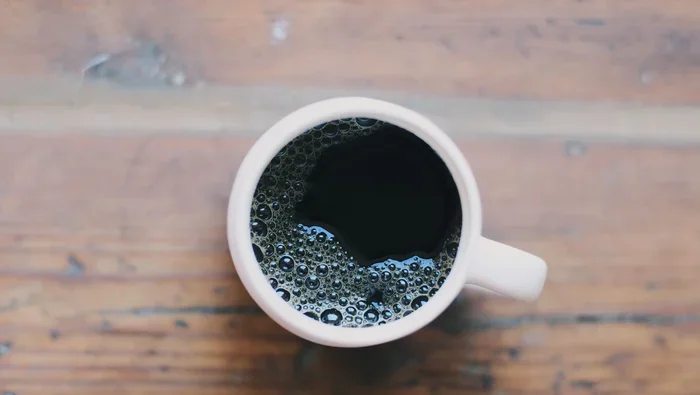
Caffeine is the main active compound in coffee. It gives you energy, sharpens focus, and can even support fat burning. But it also has effects you should understand before drinking it on an empty stomach.
Visual guide about black coffee cup fasting
Image source: images.everydayhealth.com
Caffeine and Metabolism
Caffeine can temporarily raise your metabolic rate. It also helps release fatty acids from fat tissue, making them available for energy. This is one reason many athletes and fasters love coffee. It can make your fasting window feel easier and more productive. Just don’t rely on caffeine alone for weight loss. It’s a helpful tool, not a complete strategy.
Caffeine and Appetite
Many people find that coffee suppresses hunger for a short time. That can be useful during the early hours of a fast. However, the effect varies from person to person. Some people feel more hungry after the caffeine wears off. Others get stomach irritation that feels like hunger. Pay attention to how your body responds and adjust accordingly.
Caffeine and Sleep
Sleep is crucial for fasting success. Poor sleep can increase cravings and mess with hunger hormones. If you drink coffee too late in the day, it can disrupt your sleep cycle. Try to finish your last cup at least six hours before bedtime. If you’re sensitive to caffeine, switch to decaf in the afternoon. You can still enjoy the ritual without the sleep disruption.
Caffeine and Stress
Caffeine can raise cortisol, your body’s main stress hormone. A small rise is normal and manageable. But if you’re already stressed or fasting for long periods, too much caffeine might add to the burden. Signs include jitters, anxiety, and a racing heart. If you notice these symptoms, cut back on your coffee intake. You can also try drinking it with food in your eating window instead.
Best Practices for Drinking Coffee While Fasting
You don’t have to give up your morning coffee. You just need a smart approach. Here are practical tips to make coffee work for your fasting routine.
Visual guide about black coffee cup fasting
Image source: highlownyc.com
Start With Black Coffee
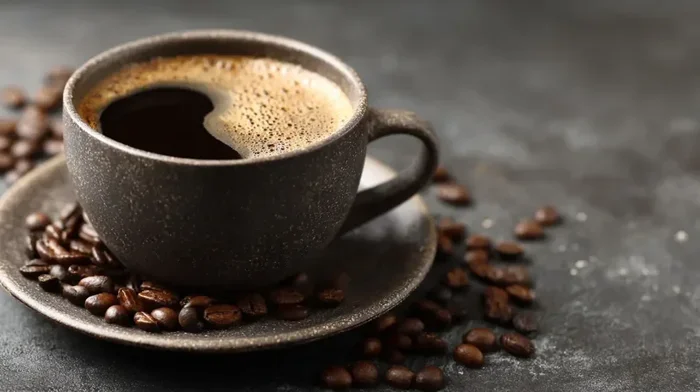
The simplest rule is to drink your coffee black. No sugar, no milk, no flavor shots. If plain coffee tastes too bitter at first, give it time. Your palate will adapt. You can also try different brewing methods. A French press, pour-over, or cold brew can give you a smoother taste without additives.
Watch the Portion Size
More isn’t always better. One to two cups of coffee is plenty for most people. Drinking large amounts can lead to stomach upset, especially on an empty stomach. It can also make you feel jittery or anxious. Stick to moderate portions and see how you feel.
Time Your Coffee Right
Many fasters enjoy coffee at the start of their fasting window. It can help suppress morning appetite and give you a energy boost. Others prefer to wait until they’re deeper into the fast. Experiment and find what works for you. Avoid coffee right before bed. Sleep matters just as much as your fasting window.
Stay Hydrated
Coffee has a mild diuretic effect. That means it can make you lose a bit more water through urine. Dehydration can cause headaches, fatigue, and false hunger signals. Drink plenty of water throughout your fast. You can also add a pinch of salt to your water if you feel lightheaded. Electrolytes help you feel better during longer fasts.
Choose Quality Beans
Not all coffee is created equal. Cheap, heavily processed coffee can taste harsh and may contain impurities. High-quality, freshly roasted beans taste better and give you a cleaner cup. Organic coffee reduces your exposure to pesticides. If you’re drinking coffee daily, quality matters. Your body will thank you.
Listen to Your Body
Fasting isn’t one-size-fits-all. Some people feel great with coffee on an empty stomach. Others get acid reflux or stomach pain. If coffee bothers you, try decaf or switch to tea during your fast. Green tea and black tea are also low-calorie options with antioxidants. The best routine is the one you can stick with comfortably.
Common Mistakes to Avoid
Even well-meaning fasters make mistakes with coffee. Here are the most common ones and how to fix them.
Adding Hidden Calories
It’s easy to forget about the calories in creamers, syrups, and milk. Even a few splashes can add up over the course of a day. Read labels carefully. If you’re unsure, keep a food log for a week. You might be surprised by what’s slipping into your cup.
Relying Too Much on Caffeine
Coffee can help you get through a fast, but it shouldn’t be your only strategy. If you depend on caffeine to ignore real hunger, you might be pushing too hard. Hunger is a normal signal. Learn to distinguish between true hunger and habit-based cravings. A little mindfulness goes a long way.
Drinking Coffee Too Late
Late-day coffee can ruin your sleep. Poor sleep makes fasting harder because it affects hunger hormones and willpower. Set a caffeine cutoff time that works for your schedule. If you love the taste of coffee after dinner, try decaf instead.
Ignoring Stomach Sensitivity
Coffee is acidic. On an empty stomach, it can cause discomfort for some people. If you experience heartburn or stomach pain, try drinking your coffee more slowly. You can also try cold brew, which is often less acidic. If problems persist, talk to a healthcare professional.
Forgetting About Hydration
Coffee alone doesn’t hydrate you fully. Water is still your best friend during a fast. Make a habit of drinking a glass of water before your coffee. Then keep sipping water throughout the day. Your energy and focus will improve.
Expert Insights: What Health Professionals Say
Many nutrition experts agree that black coffee is compatible with intermittent fasting. It’s low in calories and doesn’t significantly affect insulin in most people. Some professionals caution against overdoing caffeine, especially for people with anxiety or sleep issues. Others note that individual tolerance varies widely. What works for one person may not work for another.
Experts also emphasize the importance of your overall diet. Coffee can support your fasting routine, but it can’t fix a poor eating pattern. Focus on whole foods, adequate protein, and healthy fats during your eating window. That combination gives you the best results. Coffee is just one piece of the puzzle.
If you have medical conditions like acid reflux, high blood pressure, or anxiety disorders, check with a healthcare provider before making coffee a daily fasting habit. Personalized advice is always better than generic rules. Your health comes first.
Quick Tips for a Fasting-Friendly Coffee Routine
- Keep it black: Black coffee is your safest bet during a fast.
- Limit additives: Avoid sugar, milk, cream, and syrups during fasting hours.
- Moderate caffeine: One to two cups is enough for most people.
- Hydrate first: Drink water before your coffee to stay hydrated.
- Set a cutoff: Stop caffeine at least six hours before bedtime.
- Try decaf: If you’re sensitive, decaf gives you the ritual without the jitters.
- Track your response: Notice how coffee affects your hunger, energy, and sleep.
Comparison: Coffee Options and Their Fasting Impact
Not all coffee drinks affect your fast the same way. Here’s a quick comparison to help you choose wisely.
| Coffee Drink | Calories (approx.) | Fasting Impact | Best For |
|---|---|---|---|
| Black coffee | 2-5 | Minimal to none | Strict fasting, weight loss, autophagy |
| Black coffee with a splash of unsweetened almond milk | 5-10 | Very low, may be acceptable for loose fasting | Weight-loss-focused fasting |
| Coffee with whole milk | 30-60+ | Breaks a strict fast | Eating window only |
| Coffee with heavy cream | 50-100+ | Breaks a strict fast | Keto eating window, not fasting |
| Bulletproof coffee (butter + MCT oil) | 200-400+ | Breaks a fast | Keto meals, not fasting |
| Coffee with sugar or syrup | 50-200+ | Breaks a fast quickly | Avoid during fasting |
| Decaf black coffee | 2-5 | Minimal to none | Afternoon ritual, sensitive caffeine users |
This table makes it easy to see which drinks fit your fasting goals. When in doubt, go simpler. The fewer ingredients, the safer the drink during a fast.
Conclusion
So, can you drink coffee while intermittent fasting? Yes, you can, as long as you keep it simple. Black coffee is a safe, low-calorie drink that won’t break your fast. It can even help with appetite control and energy during your fasting window. The trouble starts when you add sugar, milk, cream, or flavored syrups. Those extras bring calories and can interrupt the fasted state.
The best approach is to drink your coffee black and in moderation. Stay hydrated, watch your caffeine timing, and listen to your body. If black coffee feels too harsh, try cold brew or decaf. If you want a creamier taste, save plant milks and creamers for your eating window. Small choices add up, and consistency matters more than perfection.
Use coffee as a helpful tool, not a crutch. Pair it with good hydration, solid sleep, and a balanced eating window. That combination will support your fasting goals and make your routine sustainable. Now you know exactly how to enjoy your morning brew without derailing your progress.
Frequently Asked Questions
Does black coffee break a fast?
No, plain black coffee has almost no calories and won’t break your fast. It won’t spike insulin or stop fat burning. Just keep it free of sugar, milk, and cream to stay safe.
Can I add milk or cream to my coffee while fasting?
Adding milk or cream will add calories and can break your fast. Even a small amount may trigger an insulin response in some people. If you want to stay strict, stick to black coffee during your fasting window.
Is decaf coffee okay during intermittent fasting?
Yes, decaf black coffee is fine during a fast. It has the same low-calorie profile as regular black coffee. Decaf is a great option if you’re sensitive to caffeine or want a later cup without disrupting sleep.
What about artificial sweeteners in coffee?
Artificial sweeteners are a gray area. They don’t contain calories, but some people may still experience an insulin response. To be safe, it’s best to avoid sweeteners during your fast and let your taste buds adjust to black coffee.
Can coffee help suppress hunger during a fast?
Yes, many people find that coffee temporarily reduces appetite. Caffeine can help you feel more alert and less focused on food. However, the effect varies, and it’s not a substitute for proper hydration and a well-planned fasting schedule.
How much coffee is safe to drink while fasting?
One to two cups of black coffee is a reasonable amount for most people. Drinking too much can cause jitters, stomach upset, or sleep problems. If you feel anxious or uncomfortable, cut back and focus on water instead.