

Can you drink coffee with mycophenolate is a common question for people managing immune conditions. Most patients can enjoy moderate caffeine, but timing and dosage matter for safety. Always talk to your doctor before changing your daily habits. This guide breaks down the facts so you can make smart choices.
Many people who take mycophenolate wonder about their daily coffee habit. It is a fair question. Coffee is part of morning routines for millions of us. When you start a new medication, you want to know what fits and what does not. The good news is that most patients can still enjoy a cup or two. The key is to pay attention to how your body reacts and to keep things balanced.
Mycophenolate works by calming down the immune system. Doctors often prescribe it after organ transplants or for certain autoimmune conditions. Because it changes how your body responds, small daily habits can matter more than they used to. Coffee brings caffeine, acids, and other natural compounds into the mix. Those elements can interact with your stomach, your sleep, and even how you feel on a given day. This article walks through what we know, what to watch for, and how to make coffee work for you.
Key Takeaways
- Moderate coffee is usually safe: Most people taking mycophenolate can drink one or two cups of coffee without major issues.
- Watch for stomach upset: Both mycophenolate and coffee can irritate the digestive tract, so spacing them out helps.
- Caffeine may affect sleep and anxiety: High caffeine intake can worsen side effects like restlessness or poor sleep.
- Timing matters for absorption: Taking mycophenolate with food or drinks that change stomach acidity may alter how well it works.
- Hydration is important: Coffee is a mild diuretic, so drink extra water to stay balanced while on this medication.
- Talk to your care team: Your doctor or pharmacist knows your full health picture and can give personal advice.
- Listen to your body: If you notice new symptoms after drinking coffee, reduce intake and report changes to your provider.
📑 Table of Contents
Can You Drink Coffee with Mycophenolate Safely
The short answer is yes for most people, but with some care. There is no strong evidence that coffee directly blocks mycophenolate or makes it dangerous. The main concern is how coffee affects your stomach and your overall comfort. Mycophenolate can cause nausea, diarrhea, or belly pain in some users. Coffee can do the same thing, especially on an empty stomach. When you combine the two, you may notice more irritation than usual.
A sensible approach is to start slow. If you already drink coffee, keep your usual amount and see how you feel. If you are new to coffee or trying to cut back, one small cup in the morning is a good test. Pay attention to your digestion, your energy, and your sleep. If anything feels off, adjust your routine. You do not need to quit coffee forever in most cases. You just need a routine that suits your body.
How Coffee Affects the Stomach
Coffee stimulates acid production in the stomach. That is why some people feel heartburn after a fresh cup. Mycophenolate can also bother the gut. When both hit at the same time, the stomach lining may feel more sensitive. This does not mean damage is happening. It usually means discomfort is more likely. Simple steps can reduce that risk.
Try drinking coffee with food instead of on an empty stomach. Eat a piece of toast, a banana, or some oatmeal first. This buffers the acid and gives your stomach a softer landing. You can also switch to a lower-acid brew. Cold brew and darker roasts often feel gentler than bright, light roasts. If you use milk or a plant-based alternative, that can help too. Small changes often make a big difference.
Caffeine and Side Effects
Caffeine is the main active ingredient in coffee that people notice. It can boost alertness and improve focus. It can also raise heart rate, trigger jitters, and make it harder to fall asleep. Mycophenolate has its own list of possible side effects, including tiredness, headache, or mood changes in some people. When you add caffeine, you may feel those effects more or less, depending on your body.
If you notice shakiness, racing thoughts, or poor sleep, consider cutting back. You might try half-caff, a smaller cup, or tea instead. Green tea and black tea still give you caffeine, but often in a smoother package. Some people find that switching to tea in the afternoon helps them sleep better. The goal is not to remove everything you enjoy. The goal is to keep your days comfortable and steady.
Mycophenolate Absorption and Food Interactions
Medications work best when your body absorbs them in a steady way. Food and drinks can change how fast or how well that happens. With mycophenolate, consistency matters a lot. If you take it the same way each day, your blood levels stay more stable. That stability helps the medicine do its job. Coffee itself is not known to block absorption in a major way, but big changes in your routine can still matter.

Visual guide about coffee mug and prescription medication
Image source: images.vat19.com
For example, if you usually take mycophenolate with a light breakfast and then suddenly start drinking a large, acidic coffee first, you may notice a difference in how you feel. The same goes for skipping meals or changing the timing of your dose. The safest habit is to keep your daily pattern as steady as possible. Take your medication the way your care team instructed. If you want to change your coffee routine, do it gradually and let your team know.
Timing Your Coffee and Medication
A practical routine helps reduce guesswork. Many people take mycophenolate at the same time each day, often with food. If coffee is part of your morning, you can still keep that ritual. Just try not to rush the medication with a huge, hot cup on an empty stomach. Give your body a little structure. Here is a simple approach that works for many people:
- Eat first: Have a small breakfast before your coffee.
- Take your dose as directed: Follow your doctor’s timing instructions.
- Enjoy coffee after: Wait a bit so your stomach is not hit with everything at once.
- Keep it consistent: Same order each day helps your body settle into a rhythm.
If your doctor told you to take mycophenolate on an empty stomach, follow that advice. In that case, you may want to enjoy coffee at a different time of day. The point is to respect the instructions you were given while still making room for the habits you love.
Water, Hydration, and Daily Balance
Coffee has a mild drying effect for some people. That does not mean it dehydrates you in a dangerous way, but it does count as part of your fluid intake. When you take mycophenolate, staying hydrated supports your overall comfort and helps your body handle the medication better. Aim to drink water throughout the day. A simple habit is to have a glass of water before or after your coffee.
Good hydration can also help with dry mouth, headache, and general fatigue. If you exercise, sweat a lot, or live in a warm climate, you may need even more fluids. Keep an eye on your urine color as a rough guide. Pale yellow usually means you are doing well. Darker yellow can be a sign to drink more. These small checks are easy to do and can help you stay on track.
Common Side Effects to Watch For
Every medication has a learning curve. Mycophenolate is no different. Some people feel fine right away. Others need a few weeks to adjust. Coffee can blur the picture if you are not careful, because it can cause similar symptoms on its own. That is why it helps to know what to look for and when to speak up.

Visual guide about coffee mug and prescription medication
Image source: images.vat19.com
The most common issues people report include stomach upset, nausea, loose stools, tiredness, headache, and mild mood changes. Coffee can add to nausea or loose stools if you drink too much or drink it too fast. It can also make sleep worse if you sip it late in the day. If you notice a symptom that feels new or strong, write it down. Keep a simple note of what you ate, what you drank, and when you took your medication. That record can help your care team spot patterns.
Digestive Comfort Tips
If your stomach feels sensitive, a few small habits can help a lot. You do not need a complete lifestyle overhaul. Tiny adjustments often work best.
- Choose gentler coffee: Cold brew, darker roasts, or low-acid blends may feel easier.
- Add food: A small snack can cushion the stomach.
- Sip, do not gulp: Slow drinking reduces sudden irritation.
- Limit extras: Too much sugar or heavy cream can also upset the gut.
- Track your response: Notice which brew and which timing feel best.
If digestive problems continue, do not just push through them. Persistent nausea or diarrhea can affect your nutrition and your energy. Your doctor may adjust your dose or suggest a different way to take the medicine. The goal is to make the treatment manageable so you can stick with it.
Sleep, Energy, and Mood
Coffee can be a great morning boost, but it can also steal sleep if it shows up too late. Poor sleep can make side effects feel worse the next day. That creates a cycle where you feel tired, reach for more coffee, and then sleep poorly again. Breaking that cycle is often simple. Set a cutoff time for caffeine, such as early afternoon. If you want a warm drink later, try decaf or a caffeine-free herbal tea.
Mood matters too. Some people feel more anxious or restless when caffeine is high. If you already feel tense from stress or from your health situation, too much caffeine can add to that feeling. A smaller cup, a slower pace, and a calm routine can help. You are trying to support your body, not push it harder than it needs.
Practical Tips for Coffee Lovers on Mycophenolate
You do not have to give up your favorite ritual. You just need a version of it that fits your health needs. Here are some practical ideas that many people find useful. They are simple, flexible, and easy to test one at a time.
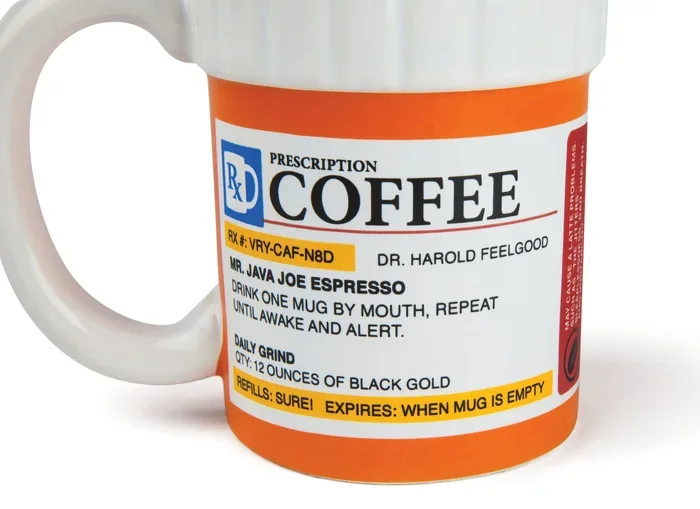
Visual guide about coffee mug and prescription medication
Image source: cdn.shopify.com
Choose the Right Brew
Not all coffee feels the same. Some brews are harsher on the stomach, while others taste smooth and feel easier to drink. If regular coffee bothers you, experiment with different styles. You might like a darker roast better than a light one. You might prefer a smaller serving of a strong brew instead of a large mug. The best choice is the one that tastes good and leaves you comfortable.
Manage Portions and Timing
Size matters more than people think. A huge mug can deliver a lot of caffeine and acid at once. A smaller cup gives you the flavor without overwhelming your system. Timing matters too. If morning coffee seems to clash with your medication, move it a little later. If afternoon coffee keeps you awake, move it earlier. Small shifts can solve big problems.
Additives and Alternatives
What you put in your coffee changes how it feels. A little milk or a plant-based drink can soften acidity. Too much sugar can cause energy spikes and crashes. If you want sweetness, try a modest amount or a naturally sweeter brew. If you want warmth without caffeine, decaf is a solid option. You can also rotate coffee with other drinks during the week so you do not rely on one habit all day.
Quick Tips
- Start with one cup: See how your body responds before adding more.
- Pair coffee with food: This often reduces stomach irritation.
- Set a caffeine cutoff: Early afternoon works well for many people.
- Drink water too: Balance coffee with plain water across the day.
- Keep a simple log: Note symptoms, timing, and portion size.
When to Talk to Your Doctor or Pharmacist
Most coffee questions are manageable at home. Still, there are times when professional guidance matters. If you have ongoing stomach pain, repeated vomiting, severe diarrhea, dizziness, unusual tiredness, or any symptom that feels alarming, reach out to your care team. Do not guess your way through serious problems. Your doctor or pharmacist can check whether the issue is related to the medication, the coffee, or something else entirely.
It also helps to ask questions before you make big changes. If you want to switch from regular coffee to decaf, change the time you take your medication, or add supplements, let your team know. They can tell you whether your plan fits your health history. This is especially important if you take other medicines, have stomach conditions, or have had problems with caffeine in the past. Good advice is personal, not generic.
Common Mistakes
- Drinking too much too fast: Large amounts can irritate the stomach and worsen jitters.
- Ignoring new symptoms: Small changes can be clues that your routine needs tweaking.
- Changing everything at once: Adjust one thing at a time so you can see what helps.
- Assuming coffee is the only cause: Other foods, stress, and sleep also matter.
- Skipping professional advice: If you are unsure, ask before you decide.
Expert Insights
Clinicians often say the same thing about daily habits and medication: consistency beats perfection. You do not need a flawless routine. You need a steady one. If coffee helps you feel normal and happy, that is valuable. If it makes you feel worse, it is worth adjusting. The body gives feedback all the time. The trick is to listen early, not wait until a small issue becomes a big one.
Another useful idea is to think in terms of total load. Coffee is only one part of your day. Sleep, food, stress, movement, and hydration all add up. If your sleep is poor, your coffee tolerance may drop. If your meals are light, your stomach may feel more sensitive. When you look at the whole picture, it becomes easier to make choices that actually help.
Key Takeaways for Daily Life
Living well with mycophenolate is about balance. Coffee can stay in your life for most people, but it works best when you treat it thoughtfully. Keep your servings reasonable, pair them with food when needed, and protect your sleep. Stay hydrated, notice patterns, and keep your care team in the loop. Those habits create a safer, smoother experience.
Remember that your experience is unique. Someone else may drink three cups with no trouble while you feel best with one small cup. That is normal. Your body, your condition, and your medication plan all shape the answer. Use this guide as a starting point, then refine it based on what you feel. The best routine is the one you can keep comfortably over time.
Final Thoughts
So, can you drink coffee with mycophenolate? In many cases, yes, as long as you stay mindful of your stomach, your sleep, and your overall routine. Coffee does not have to disappear from your life. It just needs a little planning. Start with modest amounts, watch how you feel, and make small changes when needed. That simple approach helps you enjoy your cup while supporting your health.
Frequently Asked Questions
Can I drink coffee right after taking mycophenolate?
It is usually better to wait a bit and take your coffee with food if your stomach is sensitive. Follow your doctor’s instructions for timing, since some people are told to take the medicine on an empty stomach.
Does coffee reduce the effectiveness of mycophenolate?
There is no strong evidence that coffee directly makes mycophenolate less effective. The bigger issue is keeping your routine consistent so your body absorbs the medicine in a steady way.
How much coffee is safe while taking mycophenolate?
Many people do well with one or two moderate cups a day, but the right amount depends on your body and your side effects. If you notice stomach upset, jitters, or poor sleep, try cutting back.
Can coffee make mycophenolate side effects worse?
It can, especially if you are prone to nausea, diarrhea, or heartburn. Coffee may add to those symptoms, so smaller servings and drinking it with food often help.
Is decaf coffee a better choice with mycophenolate?
Decaf can be a good option if caffeine bothers your sleep, anxiety, or stomach. You still get the warm coffee ritual without as much caffeine, which many people find easier to tolerate.
Should I tell my doctor if I drink coffee while on mycophenolate?
Yes, it is a good idea to mention your coffee habit, especially if you notice new symptoms. Your care team can help you adjust your routine and check whether anything else needs attention.



