Coffee stains can make your stainless steel appliances look dull and dirty. You can remove coffee stains from stainless steel using simple household items like baking soda and vinegar. This guide shows you safe cleaning methods that protect your cookware. Say goodbye to stubborn marks and enjoy a sparkling kitchen.
Key Takeaways
- Use gentle cleaners: Avoid harsh abrasives that scratch the surface.
- Baking soda works wonders: Make a paste to lift stubborn coffee marks.
- Vinegar helps disinfect: White vinegar removes stains and kills bacteria.
- Clean with the grain: Wipe in the direction of the metal lines to avoid scratches.
- Dry thoroughly: Prevent water spots by drying immediately after cleaning.
- Prevent future stains: Rinse cups and machines after every use.
- Try olive oil for shine: A tiny amount restores the glossy finish.
📑 Table of Contents
- Why Coffee Stains Stick to Stainless Steel
- Gathering the Right Cleaning Supplies
- How to Remove Coffee Stains from Stainless Steel Mugs
- How to Remove Coffee Stains from Stainless Steel Appliances
- How to Remove Coffee Stains from Stainless Steel Sink
- Preventing Future Coffee Stains
- Expert Tips for a Sparkling Finish
Why Coffee Stains Stick to Stainless Steel
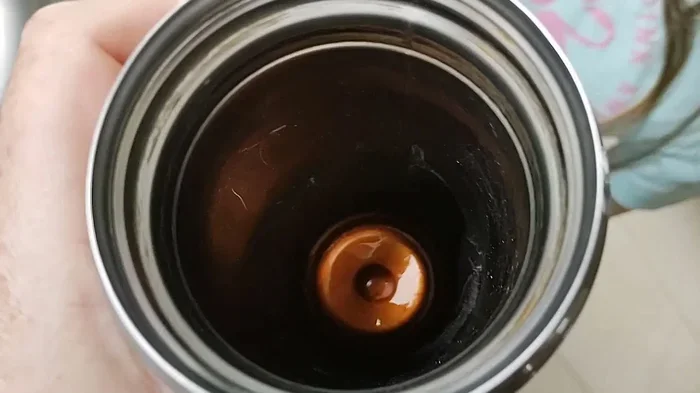
Stainless steel looks tough. It feels hard. But it still gets dirty. Coffee contains tannins. Tannins leave dark marks. These marks build up over time. You might see brown rings on your mug. You might see streaks on your machine. This happens because coffee oils stick to the surface.
Many people think stainless steel is completely stain-proof. It is not. The metal has a protective layer. This layer stops rust. It does not stop coffee. Heat makes the problem worse. Hot coffee sets the stains faster. You need to act quickly.
Cleaning early saves effort. Waiting makes the stains hard. You want your kitchen to look good. A clean kitchen feels better. It smells better too. Let us look at why this happens. Then we will fix it.
The Science of Tannins
Coffee beans have natural compounds. These compounds are called tannins. Tannins bind to surfaces. They love metal and ceramic. When you spill coffee, the liquid dries. The tannins stay behind. They create a brown film. This film is hard to see at first. Later, it becomes obvious.
Heat changes the chemistry. Hot water opens the coffee grounds. More oils come out. These oils stick to your pot. Your mug gets darker. Your countertop gets spotted. Understanding this helps you clean better. You know what you are fighting.
Common Problem Areas
Where do stains happen most? Coffee makers are a big spot. The carafe gets dirty inside. The outside gets splashed. Mugs hold stains too. The bottom of the mug is tricky. Countertops near the machine get drips. Even your sink can get marks.
Stainless steel sinks show stains easily. The shiny surface reflects everything. A dark spot stands out. You might notice it in the morning. You want it gone fast. We will cover all these areas. You will learn specific tricks for each one.
Gathering the Right Cleaning Supplies
You do not need fancy products. Simple items work best. Harsh chemicals can damage the finish. You want to keep the shine. Safe cleaners are better for you. They are safer for your family too.
Visual guide about Stainless steel coffee mug stain
Image source: i.ytimg.com
Start with things you have at home. Most kitchens have baking soda. Most have white vinegar. You might have lemon juice. These are natural acids. They break down stains gently. You also need soft cloths. Avoid steel wool. It scratches the metal.
Household Items That Work
Here are the best items to grab:
- Baking Soda: It is a mild abrasive. It scrubs without scratching.
- White Vinegar: It dissolves mineral deposits. It cuts through grease.
- Lemon Juice: The acid helps lift stains. It smells fresh too.
- Dish Soap: Basic soap removes oils. Use warm water with it.
- Microfiber Cloths: These trap dirt well. They do not leave lint.
- Olive Oil: Use a drop for polishing. It hides minor scratches.
What to Avoid
Some cleaners are too harsh. Bleach can discolor the steel. Steel wool leaves scratch marks. abrasive powders might be too rough. Test a small spot first. If it looks dull, stop. You want to protect the grain. The grain is the visible line pattern. Cleaning against it causes damage.
Also avoid leaving wet cloths on the surface. Water spots form quickly. They look like white circles. These are hard to remove. Dry everything right away. This keeps the finish bright.
How to Remove Coffee Stains from Stainless Steel Mugs
Mugs get dirty inside and out. The inside holds the flavor. The outside holds the spills. You need to clean both. Start with the inside. This is where the tannins build up.
Visual guide about Stainless steel coffee mug stain
Image source: i.ytimg.com
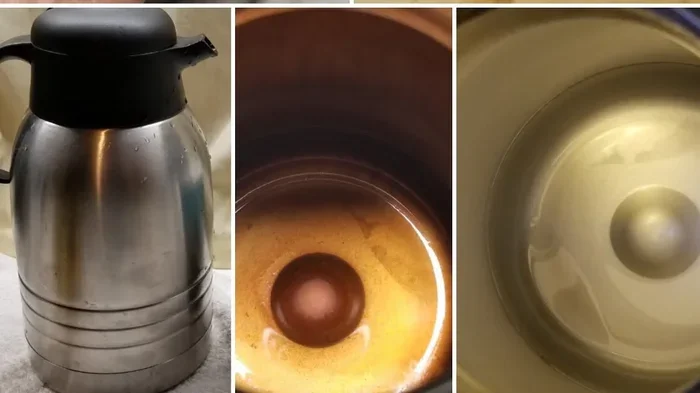
Fill the mug with warm water. Add some dish soap. Let it soak for ten minutes. This loosens the sticky film. Then scrub with a soft sponge. Rinse well. If stains remain, try baking soda.
Cleaning the Inside
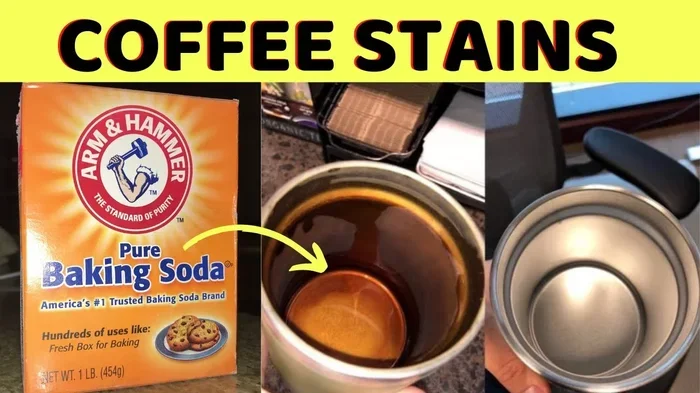
Make a paste with baking soda. Use a little water. Rub the paste on the stained areas. Let it sit for five minutes. The soda works on the stains. Then rinse with warm water. The marks should fade.
For tough stains, use vinegar. Pour a small amount inside. Swirl it around. Let it sit for an hour. Then wash normally. This works for old stains too. It might take a few tries. Be patient.
Cleaning the Outside
The outside gets splashed during brewing. Wipe it down daily. Use a damp cloth with soap. For stubborn rings, use the baking soda paste. Rub gently in circles. Rinse and dry immediately.
Do not forget the handle. Grease builds up there. Your hands touch it often. Clean it well. A shiny mug looks new again. You will enjoy your drink more.
How to Remove Coffee Stains from Stainless Steel Appliances
Coffee makers and grills need care. They get hot. They get oily. The exterior shows every drip. You want your machine to look professional. A clean machine works better too.

Visual guide about Stainless steel coffee mug stain
Image source: tipsbulletin.com
Unplug the appliance first. Safety comes first. Never spray water directly on electronics. Use a cloth instead. Dampen the cloth with vinegar solution. Wipe the surface gently.
Cleaning Coffee Makers
The exterior of a coffee maker collects dust. It also gets coffee splashes. Mix water and vinegar. One part vinegar to two parts water. Dip a cloth in the mix. Wipe the outside of the machine.
Pay attention to the buttons. Grime builds up around them. Use a cotton swab for tight spots. Dry the surface with a clean towel. This prevents water spots. Your machine will look sleek.
Cleaning Stainless Steel Grills
Grills face grease and coffee. Maybe you serve coffee near the grill. Or maybe you clean the grill after coffee. Either way, stains happen. Use a degreaser first. Then use vinegar for the stains.
Scrub with a nylon brush. Do not use metal bristles. They scratch the steel. Wipe down the grates too. A clean grill cooks better. It looks great for guests.
How to Remove Coffee Stains from Stainless Steel Sink
The sink is a high-traffic area. It gets wet all day. Coffee grounds might go down the drain. But spills happen on the basin. The sink shows every mark.
Clean the sink after every use. This is the best habit. If you see a stain, wipe it. Do not let it dry. Dried coffee is harder to remove.
Daily Cleaning Routine
Rinse the sink with warm water. Use a mild soap. Scrub with a soft sponge. Rinse again. Dry with a towel. This takes two minutes. It keeps the sink shiny.
For deeper cleaning, use baking soda. Sprinkle it over the basin. Scrub gently. This removes buildup. It also deodorizes the sink. Coffee smells can linger. Baking soda stops the smell.
Dealing with Tough Stains
Old stains need more work. Make a thick paste. Use baking soda and water. Spread it on the stain. Let it sit overnight. In the morning, scrub and rinse. The stain should lift.
You can also use vinegar. Spray it on the stain. Let it bubble. Wipe it away. This works on mineral rings too. Hard water leaves spots. Vinegar dissolves them. Your sink will look brand new.
Preventing Future Coffee Stains
Cleaning is good. Prevention is better. Stop the stains before they start. It saves you time. It keeps your kitchen looking great. Small habits make a big difference.
Rinse your mugs immediately. Do not let coffee sit. If you cannot wash it, fill it with water. This stops the coffee from drying. It makes washing easier later.
Best Practices for Coffee Makers
Clean your machine regularly. Follow the manufacturer instructions. Most machines have a clean cycle. Use vinegar for this. It removes internal buildup. This prevents stains on the outside too.
Wipe spills right away. Keep a cloth near the machine. If you drip coffee, wipe it. Do not walk away. A quick wipe prevents a big job.
Maintenance Tips for Sinks
Dry your sink after use. Water spots attract dirt. A dry sink stays cleaner. Use a mat in the sink. It protects the surface. But clean the mat often. Dirt gets trapped under it.
Check your water quality. Hard water causes spots. If you have hard water, use a rinse aid. This helps prevent mineral stains. You can find these at any store.
Expert Tips for a Sparkling Finish
You cleaned the stains. Now make it shine. A shiny surface reflects light. It looks premium. You can achieve this with oil.
Use a tiny drop of olive oil. Put it on a soft cloth. Buff the steel gently. This polishes the surface. It hides minor scratches. Do not use too much. It should not feel greasy.
Using Olive Oil for Polish
Olive oil is natural. It is safe for kitchen surfaces. It gives a nice luster. Apply it sparingly. Buff in the direction of the grain. This enhances the look. Your appliances will glow.
This works on fridges too. It works on oven doors. Any stainless steel surface benefits. Just wipe off the excess. You want a shine, not a slip.
When to Call a Professional
Sometimes stains are too deep. If the metal is pitted, cleaning might not work. Pitting is permanent damage. It happens from harsh chemicals. If you see pits, stop cleaning. You might need a replacement.
If the finish is peeling, seek help. Some coatings wear off. You cannot fix this at home. A professional can advise you. But most stains are removable. Do not give up too soon.
Frequently Asked Questions
Can I use bleach to remove coffee stains from stainless steel?
No, avoid using bleach on stainless steel. It can discolor the surface and damage the protective layer. Stick to natural cleaners like vinegar or baking soda for safe results.
How do I remove old coffee stains from a stainless steel sink?
Make a paste with baking soda and water. Apply it to the stain and let it sit for an hour. Scrub gently with a soft sponge and rinse thoroughly. Repeat if necessary for stubborn marks.
Is vinegar safe for cleaning stainless steel appliances?
Yes, white vinegar is generally safe for stainless steel. Dilute it with water to avoid any potential damage. Always wipe dry immediately to prevent water spots from forming.
Why do coffee stains turn brown on metal?
Coffee contains tannins and oils that bind to surfaces. When the liquid evaporates, these compounds leave behind a dark residue. Heat can set these stains, making them harder to remove over time.
Can I use steel wool to scrub coffee stains?
No, steel wool will scratch the surface of the steel. Use a soft sponge or microfiber cloth instead. Scratches make the surface prone to future staining and rust.
How often should I clean my stainless steel coffee maker?
You should wipe the exterior weekly to prevent buildup. Run a cleaning cycle with vinegar once a month to remove internal deposits. Regular maintenance keeps stains from becoming permanent.