How long does coffee stay good in the fridge? Most brewed coffee stays fresh for 3 to 4 days when stored properly in an airtight container. Cold brew concentrate can last up to 2 weeks if sealed well, while flavored or dairy-added coffee spoils much faster. Always check for sour smells, mold, or off tastes before drinking. Proper storage keeps your cold coffee safe and tasty for longer.
Key Takeaways
- Brewed coffee lasts 3-4 days in the fridge when kept in a sealed container.
- Cold brew concentrate stays good for 10-14 days if stored properly without dairy or sweeteners.
- Add milk, cream, or sugar only before drinking to prevent rapid spoilage and texture changes.
- Use glass or BPA-free airtight containers to block fridge odors and moisture.
- Watch for sour odors, slimy texture, or mold as clear signs your coffee has gone bad.
- Reheat gently or serve cold to preserve flavor, since fridge storage dulls coffee aroma over time.
- Label your container with the brew date to track freshness and avoid guessing.
📑 Table of Contents
- How Long Does Coffee Stay Good in the Fridge
- Understanding Coffee Freshness and Spoilage
- Brewed Coffee Storage Guidelines
- Cold Brew Coffee in the Fridge
- Flavored, Sweetened, and Dairy-Added Coffee
- Reheating and Serving Cold Fridge Coffee
- Common Mistakes and Expert Tips
- Final Thoughts on Fridge Coffee Storage
How Long Does Coffee Stay Good in the Fridge
Many of us brew a big pot in the morning and wonder what to do with the leftovers. The fridge seems like a simple fix. Yet, coffee changes fast once it cools. You need to know the real shelf life so you never sip something stale or unsafe. How long does coffee stay good in the fridge depends on the type of coffee, what you add to it, and how you store it.
In this guide, we break down everything you need to know. You will learn the safe window for regular brewed coffee, cold brew, and flavored drinks. We also share easy storage tricks, clear warning signs, and simple reheating tips. By the end, you will feel confident about keeping your cold coffee fresh and making the most of every batch.
Understanding Coffee Freshness and Spoilage
Coffee does not spoil the same way meat or dairy does. It loses flavor first. Then it picks up fridge smells. After that, moisture and air can invite mold or bacteria. The clock starts the moment you finish brewing. Coffee freshness drops quickly because hot water pulls out oils and compounds that fade fast.
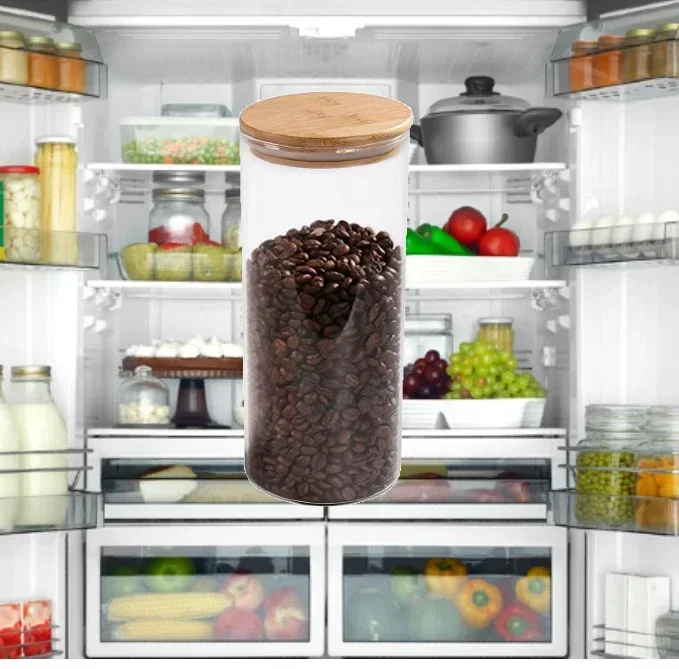
Visual guide about fresh coffee beans fridge
Image source: baristacoursesaustralia.com.au
Several things speed up the decline. Air exposure lets aromatic compounds escape. Moisture from the fridge creates a damp environment. Strong-smelling foods nearby can change the taste. Even the container matters. A loose lid or a cracked seal shortens the life of your drink.
You can slow this process with simple habits. Cool the coffee quickly. Pour it into a clean, sealed jar. Keep it in the back of the fridge where the temperature stays steady. These small steps help your brewed coffee storage last longer and taste better.
What Happens to Coffee in the Fridge
When coffee sits in the fridge, three main things happen. First, the volatile aromas fade. That is why leftover coffee often tastes flat. Second, the liquid absorbs odors from other foods. Third, condensation can form if you open and close the container too often. Each cycle adds a little moisture.
The good news is that plain black coffee usually stays safe for a short time. The bad news is that the flavor drops fast. If you want a better cold coffee experience, treat the fridge as a short-term stop, not a long-term pantry. Drink it within a few days for the best taste.
Black Coffee vs. Coffee With Additives
Plain black coffee behaves differently than coffee with milk, cream, or sugar. Black coffee has no dairy to sour. It also has less chance of growing mold if you keep it sealed. That is why black coffee shelf life is usually longer than creamy drinks.
Once you add milk, half-and-half, oat milk, or sugar, the rules change. Dairy and plant milks spoil faster. Sugar can feed microbes if the drink sits too long. Flavored syrups also add moisture and sometimes preservatives that alter the timeline. If your cup has any additive, treat it like a perishable drink and keep a closer eye on it.
Signs Your Coffee Has Gone Bad
Your nose and eyes are the best tools here. Fresh coffee smells rich and inviting. Spoiled coffee often smells sour, musty, or oddly sharp. If the aroma makes you hesitate, trust that instinct. Taste is another clue. A stale or bitter bite that feels off is a clear warning.
Look for visible changes too. Cloudiness, floating spots, or a slimy film can signal trouble. Mold may appear as tiny fuzz on the surface or near the lid. If you see any of these signs, pour it out. It is never worth the risk. When in doubt, remember this simple rule: if it smells or looks wrong, toss it.
Brewed Coffee Storage Guidelines
Most people ask one main question: how long does coffee stay good in the fridge after brewing? For standard drip coffee or pour-over, the safe window is usually 3 to 4 days. That assumes you store it right away in a sealed container. After that, the flavor fades and the risk of off-tastes grows.
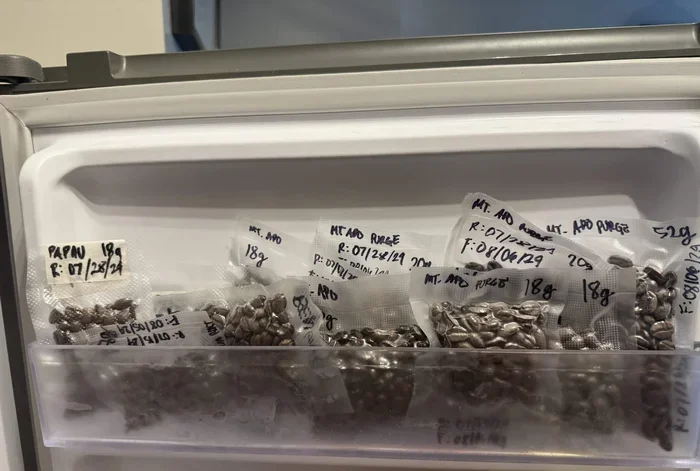
Visual guide about fresh coffee beans fridge
Image source: brewmasterselite.co.uk
The exact timeline can shift a bit based on your kitchen. A fridge that stays at a steady cold temperature helps. A container that blocks air and moisture helps even more. If you brew a large batch, consider splitting it into smaller jars. Smaller portions mean less air exchange each time you open one.
Best Containers for Fridge Storage
The right container makes a big difference. Glass jars with tight lids work well because they do not hold odors and are easy to clean. BPA-free plastic containers with firm seals also work if you prefer lightweight options. Avoid leaving coffee in the original pot with a loose lid. That setup lets air move in and out too easily.
Here is a quick comparison to help you choose:
Container Type | Best For | Notes
Glass jar with snap lid | Plain black coffee | Blocks odors, easy to wash, keeps flavor cleaner
Airtight plastic pitcher | Large batches | Lightweight, good seal, check for stains over time
Original coffee pot with cover | Short-term only | Convenient, but usually not airtight enough for best results
Small portion jars | Daily servings | Less air exposure per opening, great for busy mornings
Cooling and Pouring Tips
Speed matters. The longer hot coffee sits out, the more time bacteria have to grow. Let the pot cool to room temperature, then move it to the fridge within two hours. Do not put a boiling hot pot directly into the fridge. That can raise the internal temperature of the fridge and affect other foods.
Pour the coffee into your storage container before it sits too long on the counter. Wipe the rim clean before sealing. A clean seal prevents sticky edges and helps the lid close tightly. These small habits support better coffee storage tips and keep your drink safer.
Cold Brew Coffee in the Fridge
Cold brew is a different story. Since it is brewed with cold or room-temperature water, it starts with a smoother profile and less acidity. That style also tends to hold up better in storage. Cold brew coffee shelf life is usually longer than hot-brewed coffee, especially if you keep it as a concentrate.
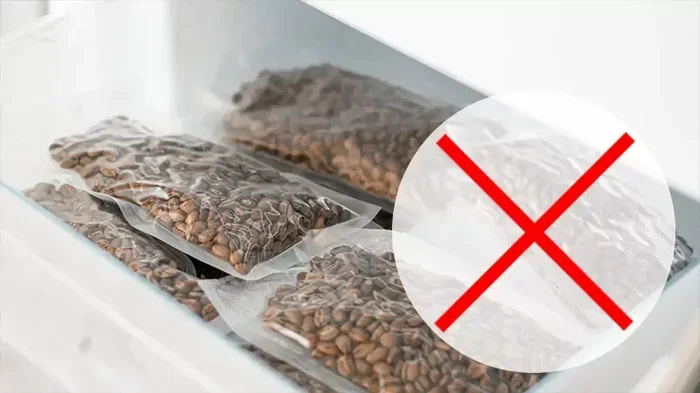
Visual guide about fresh coffee beans fridge
Image source: pouchespack.com
A plain cold brew concentrate can stay good for about 10 to 14 days in a sealed container. Dilution changes the picture. Once you mix the concentrate with water, milk, or ice, treat it like regular brewed coffee and aim to finish it sooner. The more you dilute, the faster the quality drops.
Storing Cold Brew Concentrate
Keep the concentrate in a clean glass bottle or jar with a tight lid. Store it in the coldest part of the fridge, away from the door where temperature swings happen. If you make a large batch, split it into smaller containers so you only open one at a time.
Some people like to keep a small carafe for daily use and a sealed backup jar for later. That setup reduces air exposure and makes your routine smoother. It is a simple way to extend your cold brew storage without sacrificing taste.
Diluting and Serving Later
If you prefer ready-to-drink cold brew, mix only what you need for the next day or two. Keep the diluted version in a separate jar and drink it within a shorter window. Ice also matters. Adding ice at serving time is better than storing the coffee already diluted with melted ice water.
For a better cold coffee taste, add fresh milk, cream, or sweetener right before you drink it. That keeps the base coffee cleaner and helps each cup taste brighter. A little planning goes a long way here.
Flavored, Sweetened, and Dairy-Added Coffee
Coffee with extras needs extra care. Coffee with milk fridge life is shorter because dairy and plant-based milks spoil faster than black coffee. Once you blend in cream, half-and-half, oat milk, or sweetened syrups, the drink becomes more perishable. The safe window often drops to 1 to 2 days, depending on the ingredients.
Sugar alone does not spoil, but it can change the texture and flavor over time. Flavored syrups may contain preservatives, yet the added moisture still affects the drink. If you use fresh dairy, treat the mixture as a fresh perishable item. When you are unsure, smell it first and keep a conservative timeline.
Milk, Cream, and Plant-Based Milks
Dairy milk sours noticeably when it turns. You will often smell it before you see anything wrong. Plant-based milks can separate or taste stale after a day or two in a mixed drink. Some varieties are more stable than others, but none last as long as plain black coffee.
If you want a creamy cold coffee that lasts, store the coffee and the milk separately. Mix them in the cup just before you drink. That habit gives you the best of both worlds: a longer-lasting base and a fresh, smooth finish.
Flavored Syrups and Sweeteners
Syrups can make your fridge coffee taste great, but they also add moisture. Some syrups contain ingredients that help stability, while others are simple sugar and flavor. Either way, the clock still ticks. A sweetened coffee drink usually tastes best within a day or two.
For the freshest result, keep the syrup in its own bottle and add a splash per cup. That way, your stored coffee stays cleaner and your flavored drink stays brighter. It is a small step that improves both taste and safety.
Reheating and Serving Cold Fridge Coffee
Leftover coffee does not have to taste dull. You can serve it cold or warm it gently. The key is to avoid harsh heat that burns off what little aroma remains. Reheating coffee works best when you go slow and keep the flavor balanced.
If you like it hot, warm it in a small pot on the stove or use a microwave in short bursts. Stir between rounds so the temperature stays even. If you prefer it cold, pour it over fresh ice and add a splash of milk or water if the brew feels too strong. Both methods can rescue a batch and make it enjoyable again.
Gentle Warming Methods
A stove-top warming step gives you more control. Use low heat and stop as soon as the coffee is warm, not boiling. Boiling can make the taste harsher and flatten the body. A microwave is faster, but short intervals work best. Thirty-second bursts with a stir in between keep the cup from overheating.
If your coffee tastes a bit flat after storage, a tiny pinch of salt or a fresh splash of milk can soften the edge. These quick fixes do not replace fresh brewing, but they help you get more value from your batch. That is the spirit of smart leftover coffee use.
Serving Cold and Over Ice
Cold fridge coffee can taste great over ice, especially if you start with a strong brew. The ice dilutes the drink a little, which can smooth out stale notes. Add fresh cold milk or a sweetener if you want a café-style sip. A clean glass and fresh ice make a big difference in the final taste.
For a more balanced cup, try a mix of cold brew concentrate and your stored brew. That blend can add depth and reduce the flat feeling that sometimes comes from fridge storage. It is an easy way to make your cold coffee fresh again without starting from scratch.
Common Mistakes and Expert Tips
Even simple storage can go wrong if you miss a few basics. The most common mistake is leaving coffee in the original pot with a loose cover. Another is adding milk before storage and then forgetting about it for days. A third is opening the same container again and again, which lets in moisture and odors.
Avoid these pitfalls with a few easy habits. Use airtight glass or quality plastic. Cool the coffee quickly and label the container with the brew date. Keep additives separate until serving. These steps support better food safety in the kitchen and keep your coffee tasting cleaner.
Quick Tips for Longer Freshness
Here are some practical habits that help:
- Brew smaller batches if you rarely finish a full pot in one day.
- Store coffee in the back of the fridge where the temperature stays steadier.
- Use clean, dry containers to reduce moisture and stale smells.
- Keep dairy and syrups separate until you are ready to drink.
- Label the jar with the date so you know exactly how old it is.
- Taste a small sip first if the coffee has been stored for a couple of days.
Common Mistakes to Avoid
Watch out for these easy-to-make errors:
- Leaving the lid loose or using a container that does not seal well.
- Storing coffee near strong foods like onions, garlic, or leftovers with heavy seasoning.
- Adding milk days in advance and hoping it will still taste good.
- Reheating coffee to a boil, which can make the flavor harsh and flat.
- Guessing the age instead of writing the brew date on the container.
- Drinking it after you notice a sour smell or any visible spots.
Final Thoughts on Fridge Coffee Storage
So, how long does coffee stay good in the fridge? For plain brewed coffee, aim for 3 to 4 days in a sealed container. Cold brew concentrate can stretch to about 10 to 14 days if you keep it clean and sealed. Coffee with milk, cream, or sweeteners needs a shorter window, so treat it more like a fresh perishable drink.
The best results come from simple habits: cool it quickly, seal it tight, keep additives separate, and trust your senses. If the smell or look feels off, it is time to pour it out. With a little care, your leftover coffee can still be a convenient, enjoyable part of your day. Store it wisely, serve it thoughtfully, and you will get the most out of every batch.
Frequently Asked Questions
How long does brewed coffee last in the fridge before it goes bad?
Plain brewed coffee usually stays good for 3 to 4 days in the fridge if you store it in a sealed container. After that, the flavor fades and the risk of stale or off tastes grows. If you added milk or sweeteners, drink it sooner.
Can you drink coffee that has been in the fridge for a week?
It is not a good idea to drink plain coffee that is a week old, even if it looks fine. The taste will likely be flat, and the safety window has passed. If the coffee has dairy or sweeteners, the risk is even higher, so it is best to toss it.
Does cold brew coffee last longer than regular brewed coffee in the fridge?
Yes, cold brew concentrate generally lasts longer than hot-brewed coffee because it starts smoother and is often stored without dairy. A sealed concentrate can stay good for about 10 to 14 days. Once you dilute it or add milk, treat it like regular coffee and use it sooner.
Is it safe to store coffee with milk in the fridge overnight?
It is usually safe if you keep it sealed and drink it within a short time, but dairy makes it spoil faster. For the best quality and safety, aim to finish coffee with milk within 1 to 2 days. If you smell sourness or see any odd texture, do not drink it.
What is the best way to store coffee in the fridge to keep it fresh?
The best method is to pour the coffee into a clean, airtight glass or BPA-free container and place it in the back of the fridge. Let the coffee cool first, then seal it tightly and label it with the brew date. Keep milk, cream, and syrups separate until you are ready to drink.
How can you tell if fridge-stored coffee has spoiled?
Trust your senses. Spoiled coffee often smells sour, musty, or unusually sharp, and it may taste stale or bitter in a way that feels wrong. Look for cloudiness, a slimy film, or any mold spots. If anything seems off, it is safer to discard the coffee.