Many people ask how bad is coffee creamer when they want a sweeter morning cup. The truth is that most commercial creamers are highly processed and packed with added sugars and unhealthy oils. You can still enjoy your coffee by picking cleaner options or making your own at home. This guide shows you exactly what to look for and what to avoid.
Coffee is one of the most loved drinks in the world. People enjoy it hot, cold, bold, or mild. Many of us also like to soften the bitter taste with something creamy and sweet. That is where coffee creamer comes in. It can make your cup taste smoother and richer. But have you ever stopped to ask how bad is coffee creamer for your body? The answer is not simple. Some creamers are fine in small amounts. Others are loaded with ingredients that do not do your health any favors. In this guide, we will walk through what is really inside these little bottles and cartons. We will also share easy ways to make your coffee taste great without the extra junk.
You do not need to give up your morning ritual. You just need to know what you are pouring into your cup. We will keep things simple and clear. No confusing science words. Just straight talk about sugar, oils, portions, and better swaps. By the end, you will feel confident about your choice. You will also know how to spot a cleaner product at the store. Let us dive in.
Key Takeaways
- High in added sugars: Many creamers contain more sugar than you think, which can spike your daily intake.
- Hydrogenated oils are common: Some brands use partially hydrogenated oils that add trans fats to your diet.
- Not real dairy: Most liquid creamers are made from water, corn syrup, and vegetable oils rather than milk.
- Portion size matters: A little creamer adds up fast if you pour heavy amounts every morning.
- Cleaner alternatives exist: You can switch to real milk, oat milk, or unsweetened nut milks for better nutrition.
- Read the label first: Check the ingredient list and nutrition facts before you buy any creamer.
- Homemade options work well: Simple blends of milk, cinnamon, and vanilla can taste great without the junk.
📑 Table of Contents
What Is Coffee Creamer Made Of
Most people grab a bottle of creamer without thinking twice. The label often says “creamer,” but the ingredients tell a different story. Many popular brands are not made from cream at all. They are usually a mix of water, sugar, and vegetable oils. Some also contain thickeners, stabilizers, and artificial flavors. The goal is to make the product look smooth and taste rich. Unfortunately, that often means the product is far from whole and natural.
If you want to understand how bad is coffee creamer for you, start with the ingredient list. The first few items matter the most. If you see corn syrup, sugar, or hydrogenated oil near the top, that is a red flag. These ingredients add calories without much nutrition. They also make the product more processed. A shorter list with simple words is usually a better sign. Real food ingredients are easier for your body to handle.
Common Ingredients You May See
Here are some typical items found in many creamers:
- Water: The base of many liquid creamers.
- Sugar or corn syrup: Adds sweetness and calories.
- Vegetable oils: Often used to create a creamy texture.
- Thickeners and gums: Help the product feel smooth.
- Artificial flavors and colors: Make the creamer look and taste appealing.
- Sodium caseinate: A milk-derived protein used in some non-dairy creamers.
Some creamers also add vitamins or plant-based milks. That can be a good sign if the rest of the list is clean. But do not let a few added nutrients hide a long list of processed ingredients. Always look at the whole picture before you buy.
How Bad Is Coffee Creamer for Your Health
This is the big question. The short answer is that it depends on the type of creamer and how much you use. A small splash of a sugary creamer now and then is not likely to cause major problems. The trouble starts when you use large amounts every day. Over time, extra sugar and low-quality oils can add up. That can affect your energy, your weight, and your long-term health.

Visual guide about coffee creamer pouring milk
Image source: c8.alamy.com
Many creamers are high in added sugar. Some people do not realize that a few tablespoons can contain several grams of sugar. If you drink more than one cup a day, those grams turn into tablespoons of sugar each week. That is a lot of empty calories. Too much added sugar can also lead to energy crashes after the morning boost wears off. You may feel tired and reach for more coffee or snacks later.
Sugar and Calories Add Up Fast
Let us keep the math simple. If your creamer has about five grams of sugar per tablespoon, two tablespoons give you ten grams. That is a meaningful chunk of the daily added sugar limit many health experts suggest. If you also eat sweet snacks or drink soda, your total sugar intake can climb quickly. The same idea applies to calories. Creamers are not huge in calories per serving, but they still count. When you pour freely, the numbers grow without you noticing.
Here is a quick look at what can happen when sugar and calories stack up:
- Energy spikes and dips: Sugar can give you a quick lift, then leave you sluggish.
- Weight gain over time: Extra calories from daily use can slowly add up.
- Cravings: Sweet drinks can make you want more sweet foods later.
- Less room for nutrients: Empty calories can crowd out more nourishing choices.
Oils and Fats to Watch
Some creamers use hydrogenated or partially hydrogenated oils. These fats help the product stay stable on the shelf. They also make the texture smooth. The downside is that these oils can bring trans fats into your diet. Even small amounts of trans fats are not great for heart health. Many brands have reduced or removed these oils, but some still use them. That is why reading the label matters so much.
You may also see palm oil or other tropical oils. These are not the same as trans fats, but they are still highly processed in many products. If you want a cleaner cup, look for creamers that use simpler fats or none at all. A little real milk fat or a plant-based milk can be a better choice for many people.
Non-Dairy Creamer vs Real Milk
Not all creamers are the same. Non-dairy creamers are very popular because they are easy to store and often cheaper. They also work for people who avoid lactose. But non-dairy does not always mean healthier. In fact, many non-dairy creamers are more processed than plain milk. They may have more sugar and more additives to mimic the taste of cream.

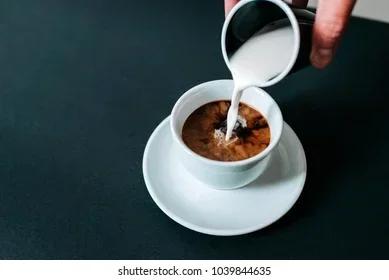
Visual guide about coffee creamer pouring milk
Image source: shutterstock.com
Real milk, on the other hand, gives you protein, calcium, and some natural sugar called lactose. It still has calories, but it also brings some nutrition. If you tolerate dairy well, milk can be a simple and clean option. You can also choose reduced-fat or whole milk based on your needs. The key is to keep the portion reasonable. A splash of milk is very different from a large pour of sweetened creamer.
Plant-Based Options Can Be Cleaner
If you prefer to avoid dairy, plant-based milks can be a great middle ground. Oat milk, almond milk, and soy milk are common choices. Some are sweetened, and some are unsweetened. The unsweetened versions are usually the best pick if you want less sugar. They can still make your coffee taste smooth without a long ingredient list. Just check the label for added oils or thickeners if you want the simplest option.
Here is a simple comparison to help you think through your choices:
| Option | Typical Pros | Typical Cons |
|---|---|---|
| Sweetened liquid creamer | Tastes sweet and smooth | Often high in sugar and processed oils |
| Non-dairy powdered creamer | Easy to store and mix | Often highly processed with additives |
| Plain milk | Provides protein and calcium | Contains calories and lactose |
| Unsweetened plant milk | Lower sugar, dairy-free | May be thin in texture without additives |
| Homemade blend | You control the ingredients | Takes a little time to prepare |
Portion Size and Daily Habits
A lot of the concern about creamer comes down to how much you use. One tablespoon here and there is very different from three or four tablespoons in every cup. If you drink one cup a day, your intake stays modest. If you drink several cups, the amounts grow fast. It helps to think of creamer as a flavoring, not a main drink. A little can make coffee enjoyable without turning it into a dessert.

Visual guide about coffee creamer pouring milk
Image source: shutterstock.com
It also helps to notice your habits. Do you pour by feel? Do you top off your cup again later? These small actions can double your intake without you realizing it. Using a measuring spoon for a few days can be eye-opening. You may find that a smaller amount still tastes great. Once you know your usual pour, you can decide if it fits your goals.
Simple Ways to Keep It in Check
Here are a few easy habits that can help:
- Measure once: Use a spoon to see what you actually pour.
- Taste first: Try your coffee black for a sip before adding creamer.
- Go half and half: Use less creamer and add a dash of spice or vanilla.
- Pick one cup: Save the creamer for your favorite cup of the day.
- Track the week: Notice how often you use it and how much.
These small changes can make a big difference over time. You do not need to be perfect. You just need to be aware. Awareness gives you control.
Better Alternatives to Traditional Creamer
If you are worried about how bad is coffee creamer can be, there are plenty of better options. The best choice depends on what you like. Some people want sweetness. Others want richness. Some want a dairy-free option. The good news is that you can get all of those things without relying on a highly processed bottle.
One simple swap is unsweetened nut milk or oat milk. These can soften coffee and add a gentle flavor. If you want a little sweetness, try a drop of vanilla extract or a pinch of cinnamon. Those add flavor without a lot of sugar. Another idea is to blend a small amount of milk with a banana or a date for a naturally sweet creamer at home. That gives you control over what goes in.
DIY Creamer Ideas You Can Try
Making your own creamer is easier than many people think. You can keep it simple and fresh. Here are a few ideas:
- Vanilla milk blend: Mix milk with a little vanilla and a touch of maple syrup.
- Cinnamon cream: Add cinnamon and a small amount of sweetener to warm milk.
- Cocoa coffee mix: Stir a little cocoa powder into milk for a mocha style cup.
- Unsweetened oat splash: Use oat milk for a soft texture without added sugar.
You can also store homemade blends in a sealed container in the fridge. Just remember that fresh mixes without preservatives do not last as long. Make small batches so you can use them while they are fresh. This way, you enjoy flavor without mystery ingredients.
When a Store-Bought Option Makes Sense
Sometimes convenience matters. You may want something quick for a busy morning or for the office. If you buy a store-bought creamer, look for a short ingredient list. Less sugar is better. Avoid hydrogenated oils if you can. Some brands now offer simpler formulas with fewer additives. Those can be a decent middle ground if you do not want to make your own.
It also helps to think about your overall day. If you already eat a lot of sugar, a sweet creamer may not be the best fit. If your meals are balanced and you just want a treat, a small amount can fit in. Context matters. Your coffee is part of a bigger picture.
Quick Tips for Smarter Coffee Creamer Choices
Here is a fast list you can use at the store or at home:
- Check the first three ingredients. They tell you what the product is mostly made of.
- Look for added sugar. Even “reduced sugar” can still be fairly sweet.
- Watch for oils. Hydrogenated or partially hydrogenated oils are worth avoiding.
- Choose unsweetened when possible. You can always add a little sweetness yourself.
- Keep portions small. A splash goes a long way.
- Try flavor tricks. Cinnamon, nutmeg, and vanilla can boost taste without much sugar.
- Rotate options. Use milk some days and a lighter creamer on others.
Common Mistakes People Make
A few common habits can make creamer less healthy than it needs to be. The first is assuming “non-dairy” means “healthy.” That is not always true. Another mistake is pouring without measuring. The third is forgetting that flavored coffee drinks often combine syrup, whipped toppings, and creamer. That turns a simple cup into a high-sugar drink.
Some people also miss the label because the front of the bottle looks friendly. Words like “smooth,” “rich,” or “natural flavor” can be appealing. But the back label tells the real story. Take a second to read it before you buy. That small habit can save you from buying something that does not match your goals.
Expert Insight: Build a Better Cup Over Time
You do not need to change everything overnight. Start with one small swap. Maybe you cut the creamer in half for a week. Maybe you try unsweetened oat milk once. Maybe you add cinnamon instead of sugar. Small steps are easier to keep. Over time, your taste buds can adjust. Coffee can taste great with less sweetness once you get used to it. That means you can enjoy the drink you love while giving your body a lighter load.
Final Thoughts on Coffee Creamer and Your Health
So, how bad is coffee creamer really? It is not evil, but many popular versions are more processed than people realize. The biggest concerns are added sugar, low-quality oils, and large portions. If you use a lot of sweetened creamer every day, it can quietly add extra calories and sugar to your diet. If you use a little and choose a cleaner product, the impact is much smaller.
The best approach is simple. Read the label. Keep your portions modest. Try cleaner swaps when you can. Use flavor tricks like cinnamon and vanilla to reduce the need for sugar. And if you enjoy a sweeter cup, that is okay too. Just make it a choice you understand. When you know what is in your creamer, you can enjoy your coffee with confidence.
Frequently Asked Questions
Is coffee creamer bad for you every day?
It depends on the type and how much you use. A small amount of a cleaner creamer is usually fine, but daily use of a sugary, highly processed creamer can add extra sugar and calories over time.
What is the healthiest coffee creamer option?
The healthiest choice is usually a short ingredient list with little or no added sugar. Plain milk or unsweetened plant milk are simple options, and homemade blends let you control what goes in.
Does non-dairy creamer have trans fats?
Some non-dairy creamers have used hydrogenated oils in the past, which can add trans fats. Many brands have changed their formulas, but you should still check the label for hydrogenated or partially hydrogenated oils.
How much coffee creamer is too much?
There is no single limit for everyone, but large daily amounts can make sugar and calories add up quickly. If you pour several tablespoons per cup and drink multiple cups, it may be worth cutting back.
Can I make coffee creamer at home?
Yes, and it is often simple. You can mix milk with a little vanilla, cinnamon, or a small amount of sweetener, then store it in the fridge for a fresh and customizable option.
Why does coffee creamer taste so sweet?
Many creamers are designed to taste smooth and sweet, so they often include sugar, corn syrup, or other sweeteners. That sweetness can make coffee feel like a treat, but it also raises the sugar content.