

Can coffee go bad in the fridge? Yes, coffee can spoil if stored the wrong way, but proper cooling and sealing keep it safe for days. Brewed coffee lasts three to four days, while ground coffee stays fresh longer when kept dry. Always use airtight containers to block moisture and odors. Follow simple storage rules to enjoy fresh coffee every morning.
Many people ask can coffee go bad in the fridge, and the answer is yes, but only if you store it the wrong way. Coffee is a simple drink, yet it reacts quickly to air, heat, and moisture. When you put a hot cup straight into the cold box, you create condensation that ruins the flavor. The good news is that a few easy habits keep your brew safe and tasty.
You do not need fancy tools to protect your daily cup. A clean jar, a tight lid, and a little patience go a long way. This guide breaks down exactly how to store brewed coffee, ground coffee, and whole beans. You will learn what spoils first, how to spot trouble, and how to keep every sip fresh.
Key Takeaways
- Brewed coffee lasts 3-4 days: Store it in a sealed container in the fridge to keep it safe and tasty.
- Moisture is the enemy: Humidity ruins flavor and speeds up spoilage, so always use airtight lids.
- Ground coffee stays dry: Keep it in a cool, dark pantry unless you need long-term storage in the freezer.
- Whole beans last longer: They retain aroma and taste better than pre-ground options when stored properly.
- Watch for spoilage signs: Sour smell, mold, or off taste means it is time to toss the batch.
- Reheat gently: Warm coffee slowly on the stove or in a mug to avoid burning the flavor.
- Label and date everything: Simple tracking helps you drink coffee while it is still at peak quality.
📑 Table of Contents
- Can Coffee Go Bad in the Fridge?
- How to Store Coffee the Right Way
- Signs Your Coffee Has Gone Bad
- Ground Coffee and Whole Beans in the Fridge
- Best Ways to Reheat and Use Leftover Coffee
- Common Mistakes That Spoil Coffee
- Expert Tips for Fresher Coffee Every Day
- Quick Tips for Safe Coffee Storage
- Key Takeaways for Coffee Storage
Can Coffee Go Bad in the Fridge?
Yes, can coffee go bad in the fridge is a real concern, but the risk is easy to manage. Brewed coffee picks up odors from other foods. It also absorbs moisture from the air. Both of these change the taste and shorten the shelf life. If you leave an open mug on the shelf, bacteria can grow faster than you think.
The fridge slows down spoilage, but it does not stop it. Cold air helps, yet the real protection comes from a sealed container. A glass jar with a snap lid works well. A stainless steel thermos also does the job. The goal is simple: keep air out and keep the coffee at a steady temperature.
Why the Fridge Changes Coffee
Cold storage drops the temperature fast. That drop slows down chemical reactions that make coffee taste stale. Still, the fridge is not a magic vault. Every time you open the container, warm air rushes in. That air brings humidity. Humidity is the main reason coffee loses its bright notes.
Another issue is flavor transfer. Coffee has a strong scent. It pulls in smells from onions, cheese, leftovers, and spices. Even a tiny bit of cross-contamination can make your morning cup taste odd. A tight seal blocks that problem.
How Long Brewed Coffee Lasts
Most experts agree that brewed coffee stays good for three to four days in the fridge. That window works for black coffee and for coffee with a little milk or cream. Once you add dairy, the clock speeds up. Milk spoils faster than coffee, so treat mixed drinks with extra care.
If you want the best taste, drink it within two days. After that, the flavor fades and the acidity shifts. You can still use it for iced coffee or cooking, but it may not taste as clean. Always check the smell before you pour.
How to Store Coffee the Right Way
Storing coffee well is simple. You just need to control three things: air, moisture, and heat. Handle those three, and your coffee stays fresh much longer. Here are the best habits to follow.
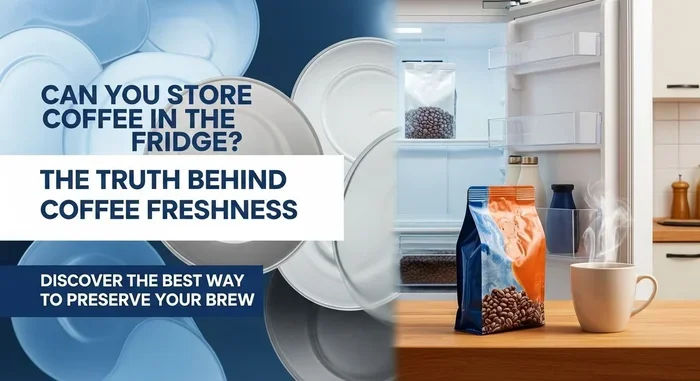
Visual guide about fresh brewed coffee in fridge
Image source: coffeexplore.com
Use Airtight Containers
Pick a container that closes tightly. Glass jars with rubber seals work great. Stainless steel canisters with locking lids also do a solid job. Avoid loose plastic lids or cracked containers. Small gaps let air slip in and dry out the brew.
If you store cold brew, use a pitcher with a tight cap. Cold brew is less acidic, but it still picks up fridge odors. A sealed vessel keeps the smooth taste intact.
Cool It Before Chilling
Never put piping hot coffee straight into the fridge. Hot liquid raises the temperature inside the box. That warmth creates steam. Steam turns into water droplets on the lid. Those droplets drip back into the coffee and dilute the flavor.
Let the pot sit on the counter until it reaches room temperature. Then move it to the fridge. This small step protects the taste and keeps the container dry.
Keep It Away from Strong Smells
Store coffee on a middle shelf, not next to open spice jars or pungent leftovers. Coffee acts like a scent sponge. It pulls in aromas from nearby items. A clean, dry spot helps preserve the original flavor.
If your fridge is crowded, use a small bin or a lidded box. That extra barrier blocks stray smells. It also makes it easy to grab your coffee jar without rummaging.
Signs Your Coffee Has Gone Bad
Coffee does not always show obvious signs right away. Still, a few clues tell you when it is time to toss it. Trust your senses. They are the fastest way to check quality.

Visual guide about fresh brewed coffee in fridge
Image source: assets-global.website-files.com
Smell and Taste Clues
Fresh coffee has a rich, inviting aroma. Spoiled coffee smells flat, sour, or slightly musty. If the scent feels off, the taste will likely be off too. Take a tiny sip before you pour a full cup. A sour or bitter punch that feels harsh means the batch is past its prime.
Mold is another clear warning. If you see fuzzy spots or a thin film on the surface, throw it out. Do not try to strain it or boil it. Mold can spread through the liquid, and heat does not always make it safe.
Texture and Color Changes
Fresh brew looks clear and smooth. Old coffee can look dull or slightly cloudy. A thick film on top often means bacteria or yeast has started to grow. That film is a sign to discard the batch.
If the coffee feels slimy or unusually thick, it is not worth drinking. Texture changes happen when the liquid sits too long or picks up moisture. When in doubt, start fresh.
Ground Coffee and Whole Beans in the Fridge
People often wonder if they should chill ground coffee or whole beans. The short answer is no for daily use. Dry coffee does best in a cool, dark pantry. The fridge adds humidity, and humidity hurts dry coffee.
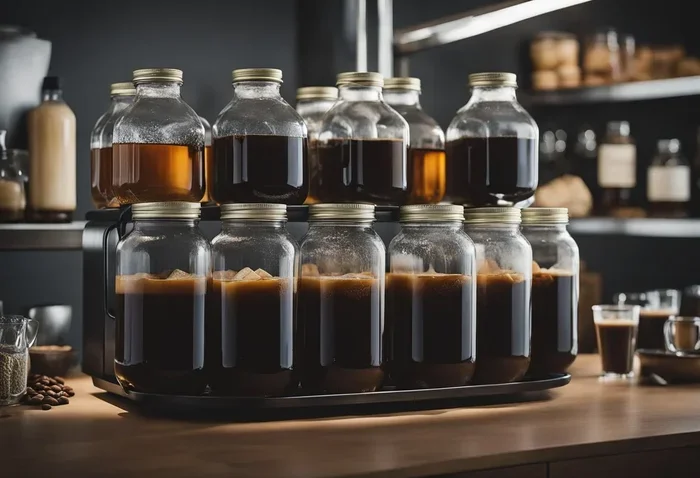
Visual guide about fresh brewed coffee in fridge
Image source: koala.sh
Whole beans stay fresh longer than pre-ground coffee. They keep their oils and aroma sealed inside. Once you grind the beans, the surface area grows. That extra surface releases flavor faster. So, grind only what you need for each brew.
When Freezing Makes Sense
Freezing works for long-term storage, not for everyday access. If you buy a large bag and will not use it for months, split it into small portions. Wrap each portion tightly. Remove as much air as possible. Then freeze.
Thaw one portion at a time. Do not refreeze. Repeated temperature changes cause condensation. That moisture ruins the grind and dulls the taste. A single thaw keeps the beans in good shape.
Pantry Storage Basics
Keep dry coffee in a dark cupboard, away from the stove and the sink. Heat and light both speed up staleness. A sealed bag or a ceramic canister works well. If you use the original bag, fold it tight and clip it shut.
For the best results, buy smaller amounts more often. Fresh coffee tastes better than old coffee, no matter how you store it. A weekly trip to the store beats a large stash that sits for months.
Best Ways to Reheat and Use Leftover Coffee
Leftover coffee does not have to go to waste. You can warm it up, chill it again, or use it in recipes. The trick is to treat it gently. High heat burns the flavor and makes the cup taste harsh.
Gentle Reheating Methods
The stove works best for reheating. Pour the coffee into a small pan and warm it on low heat. Stop as soon as it feels hot. Do not let it boil. Boiling strips the aroma and sharpens the bitterness.
A microwave works in a pinch. Use a short burst and stir between rounds. A mug warms faster than a large pot. Keep the sessions brief to avoid scorching the liquid.
Creative Uses for Old Coffee
If the taste is not perfect for drinking, use it in the kitchen. Coffee adds depth to chili, stews, and marinades. It also works in baked goods like brownies and cakes. The strong flavor blends well with chocolate and spices.
You can also pour old coffee over ice for a quick iced drink. Add milk, sweetener, or a dash of cinnamon to lift the flavor. Cold coffee often tastes smoother than hot coffee that has sat too long.
Common Mistakes That Spoil Coffee
Small habits make a big difference. Avoid these common errors to keep your coffee fresh longer.
Leaving the Lid Off
An open container lets air flow in all day. Air dries out the brew and pulls in fridge odors. Always put the lid back on right after you pour. If you use a pitcher, keep the spout closed too.
Storing Hot Coffee
Hot liquid creates steam. Steam turns into water on the lid. That water drips back in and weakens the flavor. Let the pot cool first. A few minutes on the counter saves the taste.
Mixing Dairy Too Early
Milk and cream spoil faster than black coffee. If you add them at the start, the whole batch ages faster. Keep dairy separate until you are ready to drink. That simple step extends the life of the base coffee.
Using Dirty Containers
Old residue builds up in jars and pitchers. That residue holds odors and bacteria. Wash your storage vessel with warm water and mild soap. Dry it fully before you fill it. A clean container keeps the next batch tasting clean.
Expert Tips for Fresher Coffee Every Day
A few small upgrades make a big difference. Try these habits to keep your morning cup sharp and smooth.
Grind Just Before Brewing
Fresh grounds release the best aroma. Pre-ground coffee loses speed and scent faster. A simple grinder gives you more control. You can adjust the size for your brew method and get a cleaner taste.
Buy the Right Amount
Match your purchase to your pace. If you drink a few cups a week, buy smaller bags. Fresh coffee beats old coffee every time. A tight rotation keeps the flavor bright and the aroma strong.
Track Dates with Labels
Use a small sticker or a piece of tape to mark the brew date. That easy habit removes the guesswork. You will know exactly when to drink it and when to toss it. Clear tracking keeps your routine simple.
Keep a Dedicated Coffee Spot
Give your coffee jar a fixed place in the fridge or pantry. A set spot reduces handling and keeps the lid closed more often. Less handling means less air exposure. That small change adds up over time.
Quick Tips for Safe Coffee Storage
- Seal it tight: Use a lid that locks or snaps shut to block air and smells.
- Cool first: Let brewed coffee reach room temperature before it goes into the fridge.
- Separate dairy: Add milk or cream only when you are ready to drink.
- Clean often: Wash jars and pitchers to prevent old residue and odors.
- Label dates: Mark the brew day so you know when to use it.
- Trust your nose: If the smell turns sour or musty, start fresh.
Key Takeaways for Coffee Storage
- Brewed coffee lasts 3-4 days: Keep it sealed and cold for the best results.
- Moisture ruins flavor: Dry containers and tight lids protect the taste.
- Dry coffee stays pantry-bound: Ground coffee and beans do best in a cool, dark place.
- Freeze for long storage: Portion and seal before freezing to avoid condensation.
- Check before you sip: Smell, taste, and look for mold before drinking.
- Reheat gently: Low heat keeps the flavor smooth and pleasant.
- Use leftovers wisely: Turn older coffee into recipes or iced drinks.
Storing coffee well is mostly about control. Control the air, the moisture, and the temperature, and your coffee stays pleasant for days. The fridge can help, but only when you use a sealed container and a clean routine. With a few simple habits, you can answer can coffee go bad in the fridge with confidence and keep every cup tasting the way it should.
Frequently Asked Questions
Can I put hot coffee straight into the fridge?
No, let it cool to room temperature first. Hot liquid creates steam and condensation, which waters down the flavor and can raise the fridge temperature.
How long does brewed coffee last in the fridge?
Brewed coffee usually stays good for three to four days when sealed in a clean container. If you add milk or cream, drink it sooner for the best taste and safety.
Does coffee absorb fridge odors?
Yes, coffee has a strong scent and can pull in smells from nearby foods. A tight lid and a dedicated shelf help keep the flavor clean.
Can ground coffee go bad in the fridge?
Dry ground coffee does not need fridge storage and can pick up moisture there. Keep it in a sealed bag or canister in a cool, dark pantry for daily use.
What does spoiled coffee smell like?
Spoiled coffee often smells sour, flat, or slightly musty instead of rich and aromatic. If the scent feels off, it is safer to toss the batch.
Is it safe to reheat coffee that has been in the fridge?
Yes, if it has been stored properly and still smells fresh. Warm it gently on the stove or in short microwave bursts to avoid burning the flavor.



