Getting the right amount of coffee grounds per pot can make or break your morning cup. Many people struggle with weak or bitter coffee because they guess the measurements. This guide will show you the perfect coffee-to-water ratio for every type of brewer. You will learn simple tricks to measure grounds accurately. Soon, you will brew consistent and flavorful coffee like a pro barista.
Key Takeaways
- Standard Ratio: Use two tablespoons of coffee for every six ounces of water.
- Pot Size Matters: A standard 12-cup pot needs about 24 tablespoons or 1.5 cups of grounds.
- Grind Size Counts: Medium grind works best for most drip coffee pots.
- Freshness Is Key: Use freshly ground beans for the best flavor and aroma.
- Avoid Overfilling: Too many grounds make coffee bitter and can clog the filter.
- Adjust to Taste: Start with the standard ratio and tweak it based on your preference.
- Clean Your Brewer: Old oils and residue can ruin the taste regardless of your measurements.
📑 Table of Contents
- Introduction
- Understanding the Golden Ratio for Coffee
- How Much Coffee Grounds Per Pot for Standard Drip Brewers
- Coffee Grounds Per Cup vs. Per Pot
- Factors That Change How Much Coffee You Need
- Common Mistakes When Measuring Coffee Grounds
- Quick Tips for Consistent Coffee Every Time
- Expert Insights on Coffee Grounds Per Pot
- Conclusion
Introduction
Nothing beats the smell of fresh coffee in the morning. But making that perfect cup starts with one big question. Many home brewers ask themselves how much coffee grounds per pot they should use. Getting this wrong leads to sad, watery coffee or a cup so strong it wakes up your whole neighborhood.
The good news is that you do not need fancy tools to get it right. You just need to understand a few simple rules. This guide breaks down everything you need to know. We will talk about ratios, pot sizes, and easy ways to measure. By the end, you will brew great coffee every single time.
Understanding the Golden Ratio for Coffee
The secret to great coffee is not magic. It is math. Well, simple math. The golden ratio for coffee gives you a starting point that works for most brewing methods. This ratio helps you find the balance between strength and flavor.
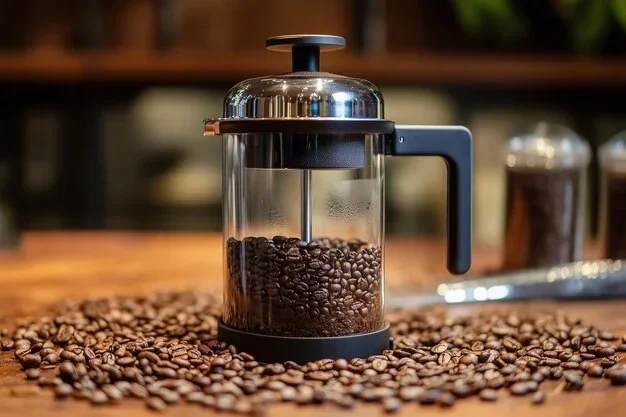
Visual guide about coffee grounds in coffee pot
Image source: img.freepik.com
Most experts agree on a basic rule. You want about one part coffee to sixteen parts water. This is often called the 1:16 ratio. For everyday brewing, this means using two tablespoons of ground coffee for every six ounces of water. This simple rule answers the question of how much coffee grounds per pot you really need.
Why the Ratio Matters
Think of coffee brewing like making tea. If you use too many tea bags, the drink tastes bitter and harsh. If you use too few, it tastes like warm water. Coffee works the same way. The coffee brewing ratio controls how much flavor gets pulled from the grounds.
When you use the right amount, you get a balanced cup. The acidity, body, and sweetness all come through. When you use too little coffee, the water passes through too fast. You end up with a weak brew that lacks character. Too much coffee, and the water struggles to pass through. This pulls out bitter compounds and makes the coffee harsh.
Adjusting for Your Taste
The golden ratio is a starting point, not a strict law. Some people like their coffee bold and strong. Others prefer something lighter and smoother. You can tweak the ratio to match your taste buds. If you want stronger coffee, try a 1:15 ratio. For lighter coffee, move to 1:17 or even 1:18.
Start with the standard two tablespoons per six ounces. Taste your coffee. If it feels weak, add a little more grounds next time. If it tastes bitter, use a bit less. Your perfect cup is just a few experiments away.
How Much Coffee Grounds Per Pot for Standard Drip Brewers
Most homes have a standard drip coffee maker. These machines are simple and reliable. They usually come with a basket that holds a paper or metal filter. Knowing how much coffee grounds per pot for these brewers is easy once you understand the markings.
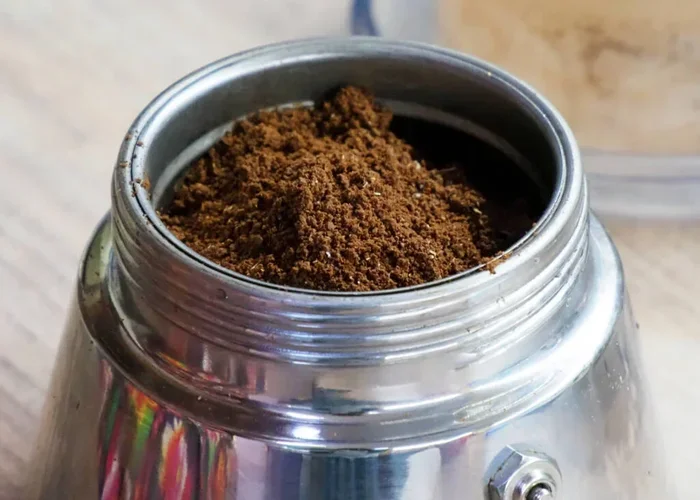
Visual guide about coffee grounds in coffee pot
Image source: crazycoffeebean.com
Coffee pot markings can be confusing. A 12-cup pot does not always mean twelve standard cups. In the coffee world, a cup is usually six ounces. A standard mug holds about eight to ten ounces. So a 12-cup pot actually makes about seven regular-sized mugs of coffee. This is an important detail when you measure your grounds.
Measuring for a 12-Cup Pot
Let us break down a 12-cup pot. Since each cup is six ounces, you have 72 ounces of water total. Using the two tablespoons per six ounces rule, you will need 24 tablespoons of coffee grounds. That equals one and a half cups of grounds. This is a solid starting point for a full pot.
Here is a quick reference for common pot sizes:
- 4-cup pot: About 8 tablespoons or half a cup of grounds.
- 6-cup pot: About 12 tablespoons or three-quarters of a cup of grounds.
- 8-cup pot: About 16 tablespoons or one cup of grounds.
- 10-cup pot: About 20 tablespoons or one and a quarter cups of grounds.
- 12-cup pot: About 24 tablespoons or one and a half cups of grounds.
Keep in mind that these numbers assume you want a standard strength brew. If you like it stronger, bump up the amount by about 25 percent. If you prefer it mild, reduce the grounds by the same amount.
Paper Filters vs. Metal Filters
The type of filter you use can change how much coffee you need. Paper filters trap more oils and fine particles. This gives you a cleaner cup with a slightly lighter body. Metal filters let more oils through. The result is a richer, fuller flavor.
With paper filters, you can stick to the standard ratio. The filter does a good job of keeping things smooth. With metal filters, some people like to add a tiny bit more coffee to boost the flavor. This is optional, but it can make a difference if you love a bold cup.
Coffee Grounds Per Cup vs. Per Pot
People often mix up per cup and per pot measurements. This confusion leads to inconsistent coffee. Understanding the difference helps you avoid guesswork. It also helps you scale your brew up or down with confidence.
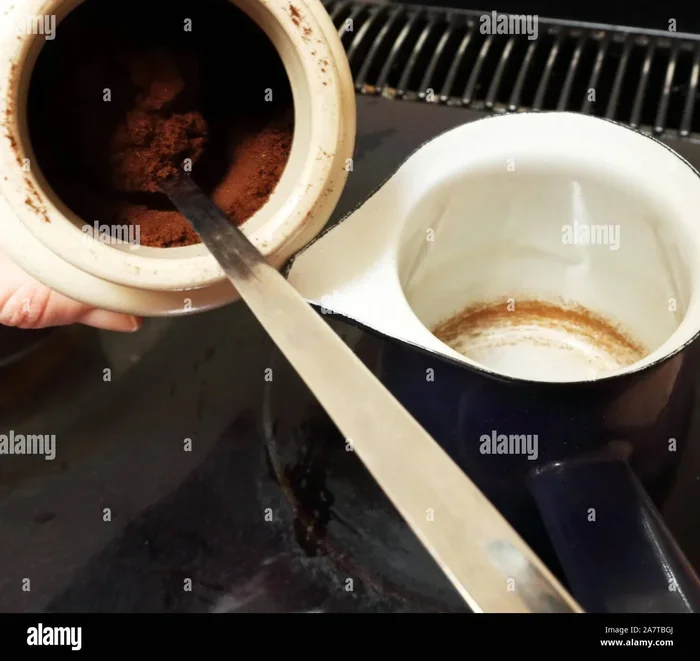
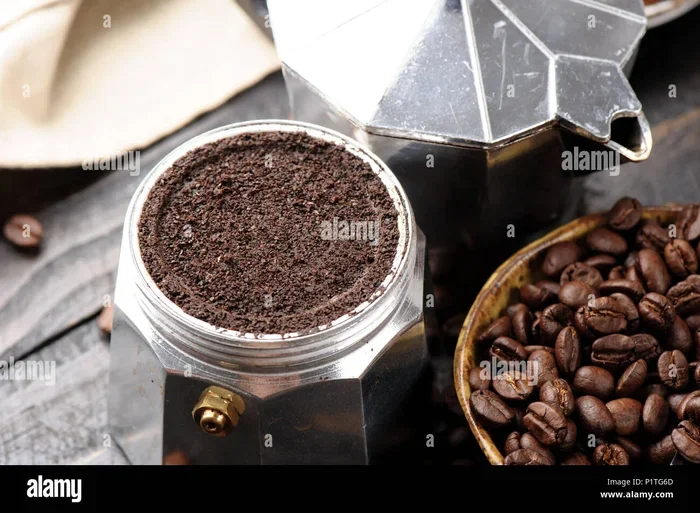
Visual guide about coffee grounds in coffee pot
Image source: c8.alamy.com
When recipes say per cup, they usually mean the six-ounce coffee cup. This is much smaller than the mug you drink from at home. A standard coffee mug holds eight to twelve ounces. So if you want one mug of coffee, you might need two to three tablespoons of grounds. This is more than the classic one tablespoon per cup rule that many people remember.
Scaling Up for a Full Pot
Scaling up is simple once you know the per cup amount. If one six-ounce cup needs two tablespoons, then a pot is just a matter of multiplication. Count how many cups your pot holds. Multiply that number by two tablespoons. You now have your total grounds.
For example, a 10-cup pot needs 20 tablespoons. You can also think of it in cups. Sixteen tablespoons equal one cup. So a 10-cup pot needs about one and a quarter cups of grounds. This math makes it easy to measure without a scale.
Using a Kitchen Scale for Accuracy
Tablespoons are easy, but a scale is even better. Coffee beans vary in density. Light roasts take up more space than dark roasts. So two tablespoons of light roast might weigh less than two tablespoons of dark roast. A scale removes this guesswork.
For the best results, weigh your coffee. Aim for about 10 grams of coffee per six ounces of water. For a 12-cup pot, that is roughly 120 grams of grounds. This gives you a precise and repeatable brew. Many coffee lovers find that weighing beans leads to better consistency over time.
Factors That Change How Much Coffee You Need
The right amount of coffee is not always the same. Several factors can shift what works best for you. Being aware of these helps you adjust on the fly. You will stop wasting beans on bad brews and start making coffee you love.
Roast Level and Bean Density
Roast level changes how coffee behaves in water. Light roasts are denser and lighter in color. They often taste brighter and more acidic. Dark roasts are less dense and taste bolder. Because of this, you might need slightly more light roast by volume to get the same strength. If you switch roasts, taste your coffee and adjust as needed.
Grind Size and Extraction
Grind size plays a huge role in flavor. Medium grind is the sweet spot for most drip pots. It allows water to flow at the right speed. Too fine, and the water moves slowly. This leads to over-extraction and bitter coffee. Too coarse, and the water rushes through. This gives you weak, under-extracted coffee.
If your coffee tastes off, check your grind before changing the amount. A simple adjustment to your grinder can fix the problem. This is often more effective than adding or removing grounds.
Water Quality and Temperature
Water makes up most of your coffee. So the quality of your water matters. Hard water with lots of minerals can change the flavor. Soft water can make coffee taste flat. Using filtered water usually gives the best results. It lets the true flavor of the beans shine through.
Temperature also matters. Most drip brewers heat water to the right range. But if your machine runs cool, the coffee may taste sour. If it runs hot, the coffee may taste bitter. Clean your machine regularly to keep it working well. This helps maintain the right temperature and flow.
Common Mistakes When Measuring Coffee Grounds
Even simple tasks have pitfalls. When you measure coffee, a few common mistakes can ruin your brew. Avoiding these mistakes saves time, money, and frustration. It also helps you get the most out of every bag of beans.
Using the Wrong Spoon
Not all tablespoons are the same. A dinner spoon from your drawer is not a true measuring tablespoon. It can hold more or less than the standard amount. This small difference adds up over a full pot. Use real measuring spoons for the best results. If you want top accuracy, use a scale.
Packing the Grounds Too Tightly
Some people press coffee grounds into the filter. They think this makes the coffee stronger. In reality, it blocks water flow. The water cannot pass through evenly. This leads to uneven extraction and a messy cleanup. Just spoon the grounds in and level them gently. No pressing needed.
Ignoring the Filter Basket Size
Your filter basket has a limit. If you use too many grounds, they can overflow. This causes grounds to slip into the carafe. It also slows down brewing. Always check your basket size and stick to the recommended amount. If you need more coffee, brew two smaller batches instead of overfilling one.
Not Adjusting for Old Beans
Coffee beans lose flavor over time. Old beans taste flat and dull. If you use stale beans, you might be tempted to add more grounds to compensate. This rarely works well. Fresh beans make a bigger difference than extra grounds. Store your beans in an airtight container and use them within a few weeks of roasting.
Quick Tips for Consistent Coffee Every Time
Consistency is the goal. You want the same great cup every morning. A few simple habits make this easy. These tips work for any brewer, from basic drip machines to more advanced setups.
- Use the same spoon or scale every time. Consistency in measurement leads to consistency in taste.
- Keep a brew journal. Write down what you used and how it tasted. This helps you find your perfect ratio fast.
- Clean your coffee maker regularly. Old oils and mineral buildup change the flavor. Run a cleaning cycle with vinegar or a machine cleaner every few months.
- Use fresh, cold water. Hot water from the tap can carry impurities. Cold, filtered water tastes cleaner and brews better.
- Pre-warm your carafe. Rinse the carafe with hot water before brewing. This keeps your coffee hot longer without burning it.
- Try different ratios on purpose. Change one thing at a time. This helps you learn what you like without confusion.
If you want to explore more ways to brew, you can learn how to make coffee in a stove top percolator or try a single-serve machine. Each method has its own charm. But the basic rules of ratio and measurement still apply.
Expert Insights on Coffee Grounds Per Pot
Coffee experts agree on a few core ideas. The first is that fresh beans matter most. The second is that water quality changes everything. The third is that measurement consistency builds better habits. When you master these, you stop guessing and start brewing with confidence.
Many baristas suggest starting with a simple ratio and tweaking from there. They also recommend paying attention to your grind. A good grinder is one of the best upgrades you can make. It gives you control over extraction and flavor. If you are curious about other brewing gear, you might enjoy reading about affordable coffee machines or the best coffee maker for pot and single cup setups.
Another expert tip is to taste your coffee as you brew. Pay attention to aroma, body, and finish. These clues tell you if your ratio is right. If the coffee smells flat, try more grounds. If it tastes sharp or bitter, use less. Your palate is the best tool you have.
Conclusion
Finding out how much coffee grounds per pot you need is easier than it seems. Start with the simple rule of two tablespoons per six ounces of water. Adjust based on your pot size, your taste, and your beans. Use measuring spoons or a scale for consistency. Avoid common mistakes like packing the grounds or using the wrong spoon.
With a little practice, you will dial in your perfect brew. You will save money on wasted beans. You will also enjoy better coffee every morning. The best part is that you can keep experimenting. Coffee is personal, and your ideal cup is waiting for you to find it.
Frequently Asked Questions
How much coffee grounds per pot for a 12-cup coffee maker?
For a standard 12-cup pot, use about 24 tablespoons or 1.5 cups of coffee grounds. This assumes a standard strength brew with six-ounce cup markings. Adjust up or down based on your taste preference.
How many tablespoons of coffee per cup of water?
A good rule is two tablespoons of coffee for every six ounces of water. This gives a balanced flavor for most drip brewers. If you want stronger coffee, add a little more grounds next time.
Does grind size affect how much coffee I should use?
Grind size does not change the amount, but it changes extraction. A grind that is too fine can make coffee bitter, while a coarse grind can make it weak. Use a medium grind for most drip pots and adjust the amount only if needed.
Can I use a kitchen scale instead of tablespoons?
Yes, a scale gives you more accurate and consistent results. Aim for about 10 grams of coffee per six ounces of water. For a 12-cup pot, that is roughly 120 grams of grounds.
Why does my coffee taste weak even when I use enough grounds?
Weak coffee can come from stale beans, poor water quality, or a coarse grind. It can also happen if your brewer runs too fast or too cool. Try fresh beans, filtered water, and a medium grind before changing the amount.
How much coffee grounds per pot if I want stronger coffee?
To make stronger coffee, increase the grounds by about 25 percent. For a 12-cup pot, that means using around 30 tablespoons instead of 24. Taste as you go so you do not make the coffee too bitter.