
Coffee beans lose flavor fast after roasting, but proper storage can extend their life significantly. Typically, whole beans stay fresh for 2 to 4 weeks past roast date, while ground coffee expires within days. Understanding how long do coffee beans stay fresh helps you enjoy better cups every morning. Let’s explore the best ways to keep your beans aromatic and delicious.
Everyone loves that first sip of morning coffee. It wakes you up and sets the tone for the day. But have you ever opened a bag and wondered how long do coffee beans stay fresh? The answer might surprise you. Coffee is a perishable product, much like bread or fruit. It does not last forever. Over time, the oils evaporate and the flavors fade. This process happens faster than many people realize.
Freshness directly impacts the taste of your brew. Stale beans make weak and bitter coffee. Fresh beans create rich and complex flavors. Many coffee lovers ask how long do coffee beans stay fresh because they want the best experience. Knowing the timeline helps you plan your purchases. It also helps you store your beans correctly. In this guide, we will break down everything you need to know. We will look at whole beans versus ground coffee. We will also discuss storage methods and signs of aging.
Key Takeaways
- Shelf Life Matters: Whole beans stay fresh for 2-4 weeks after roasting, while ground coffee loses flavor in days.
- Storage is Key: Keep beans in an airtight container away from light, heat, and moisture for maximum longevity.
- Freezing Works: You can freeze coffee beans for up to a month, but avoid repeated thawing to prevent condensation.
- Grind Fresh: Grinding just before brewing preserves oils and aromas that disappear quickly in pre-ground coffee.
- Smell Test: Stale beans smell flat or cardboard-like instead of rich and aromatic, signaling it’s time to toss them.
- Buy Small Batches: Purchase smaller amounts of coffee more frequently to ensure you always have fresh beans on hand.
- Avoid Fridge: Never store coffee in the refrigerator because humidity and odors ruin the flavor profile quickly.
📑 Table of Contents
Understanding Coffee Bean Freshness
Coffee beans are seeds from a fruit cherry. They contain oils and aromatic compounds. These compounds are volatile. That means they escape easily into the air. Once the bean is roasted, the clock starts ticking. Oxygen is the main enemy of freshness. It causes oxidation, which dulls the flavor. Light and heat speed up this process too. Moisture is another big problem. It ruins the texture and taste.
Many factors affect how long do coffee beans stay fresh. The roast level plays a role. Darker roasts have more surface area exposure. They might lose flavor slightly faster than light roasts. The origin of the bean matters too. Some beans have denser structures. Packaging is crucial for preservation. Bags with one-way valves let gas escape without letting air in. This keeps the beans safe for longer. Understanding these elements helps you make better choices.
Whole Beans vs. Ground Coffee
The form of your coffee changes the shelf life. Whole beans have less surface area. This means less exposure to oxygen. They retain their oils and aromas much longer. You should always buy whole beans if possible. Grinding releases the flavors immediately. Once ground, the clock speeds up dramatically.
Ground coffee has a huge surface area. It oxidizes very quickly. Most experts say ground coffee stays fresh for only a few days. After that, the quality drops fast. If you must buy ground, buy small amounts. Use it within a week for best results. But grinding fresh is always the superior option. It makes a noticeable difference in your cup.
The Roast Date Importance
Look at the bag before you buy. Find the roast date, not just the expiration date. The expiration date is often months away. But the roast date tells the real story. Coffee peaks shortly after roasting. It needs a few days to degas. Carbon dioxide leaves the bean during this time. After degassing, the flavor is at its best. Then it slowly declines. Knowing how long do coffee beans stay fresh starts with checking this date.
How Long Do Coffee Beans Stay Fresh?
This is the big question everyone asks. The timeline varies based on storage. But there are general rules to follow. Whole beans are the most durable form. They hold their quality for a specific window. Ground coffee is much more fragile. You need to treat it differently. Let’s look at the specific timelines for each type.
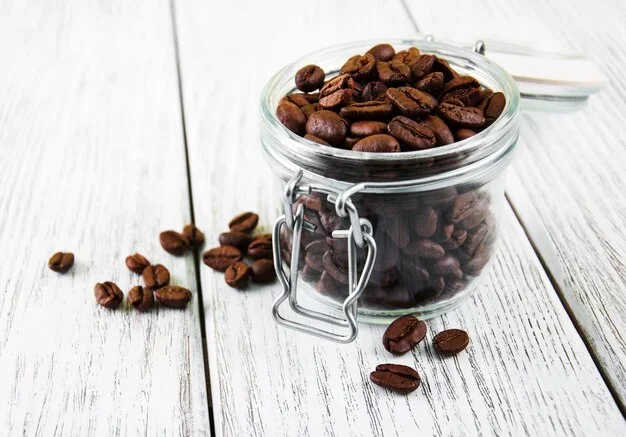
Visual guide about Fresh coffee beans jar
Image source: img.freepik.com
Whole Bean Coffee Timeline
Whole beans stay fresh for about 2 to 4 weeks after roasting. This is the prime window. During this time, the flavors are vibrant. The acidity is bright and the body is rich. After a month, the decline becomes noticeable. You might not taste it immediately. But sensitive palates will detect the change. Oxidation slowly eats away the complex notes.
Some beans can last up to 3 months in storage. But the quality is not the same. They become flat and boring. You can still brew them, but do not expect excellence. For the best experience, aim for the 2-week mark. This is when the magic happens. Always check how long do coffee beans stay fresh on your specific bag. Some specialty roasters give specific guidance.
Ground Coffee Timeline
Ground coffee is much shorter lived. It loses freshness within hours of grinding. If you buy pre-ground, use it within 1 to 2 weeks. After that, the flavor is significantly reduced. The oils evaporate faster because of the surface area. Many people do not realize this loss. They think old ground coffee tastes fine. It tastes okay, but it lacks depth.
For the best results, grind your beans daily. This ensures maximum flavor extraction. If you must store ground coffee, keep it sealed tight. Use it as soon as possible. Remember that how long do coffee beans stay fresh depends heavily on the grind size. Fine espresso grinds stale faster than coarse French press grinds.
Instant Coffee Shelf Life
Instant coffee is different from roasted beans. It is processed and dried. This removes most moisture. Therefore, it lasts much longer on the shelf. Unopened instant coffee can last for years. Once opened, it stays good for a few months. Keep it dry and sealed. It does not have the same fresh flavor as brewed beans. But it is convenient and stable.
Best Ways to Store Coffee Beans
Storage is the most important factor. You can extend freshness with the right methods. The goal is to limit air, light, heat, and moisture. These four elements destroy coffee quality. You need a strategy to fight them. Simple changes in your kitchen can help. Let’s explore the best storage practices for your beans.
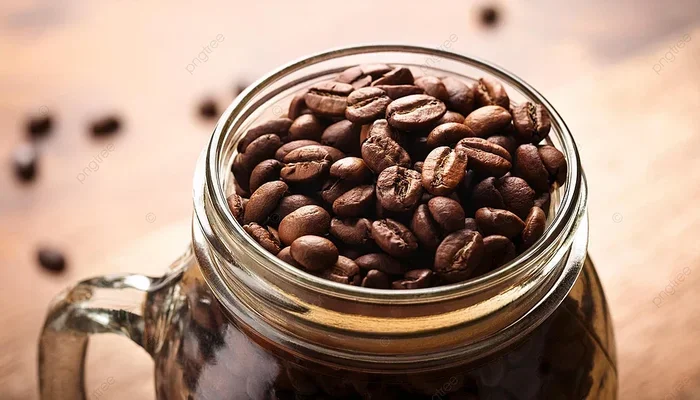
Visual guide about Fresh coffee beans jar
Image source: png.pngtree.com
Airtight Containers
An airtight container is essential. Oxygen causes oxidation. You want to minimize air contact. Glass jars with rubber seals work well. Stainless steel canisters are also great. They block light and keep air out. Avoid clear containers if you store them on the counter. Light degrades the oils inside the bean. Dark containers are better for counter storage.
Do not keep beans in the original bag long term. Bags are not always fully sealed. They can leak air over time. Transfer them to a proper canister. This is a simple step for better coffee. It answers the question of how long do coffee beans stay fresh by preserving them. Make sure the lid snaps shut tightly.
Avoiding Light, Heat, and Moisture
Keep your beans in a cool place. Heat speeds up chemical reactions. It makes the oils go rancid faster. Do not store coffee near the stove or oven. The heat from cooking affects the beans. Also, avoid direct sunlight. UV rays damage the organic compounds. A pantry or cupboard is the best spot.
Moisture is another enemy. Humidity makes beans soggy. It ruins the texture and flavor. Never store coffee in the refrigerator. The fridge is humid and full of food odors. Coffee absorbs smells easily. You do not want onion-flavored coffee. Keep it dry and room temperature. This helps maintain quality for longer.
Freezing Coffee Beans
Freezing is a debated topic. Some people swear by it. Others say it ruins the texture. You can freeze beans if you do it right. It works best for long-term storage. If you buy in bulk, freezing makes sense. Portion the beans into small bags. Remove as much air as possible.
Only take out what you need for one brew. Do not refreeze thawed beans. Condensation forms when they warm up. This moisture damages the beans. Freezing can extend how long do coffee beans stay fresh for up to a month. But it is not ideal for daily use. For daily beans, keep them at room temperature. Use the freezer only for backup stock.
Signs Your Coffee Beans Are Stale
How do you know if your beans are old? You do not need a lab test. Your senses tell you everything. Smell, sight, and taste reveal the truth. Catching stale beans early saves you from bad coffee. It helps you manage your inventory better. Here are the clear signs to watch for.
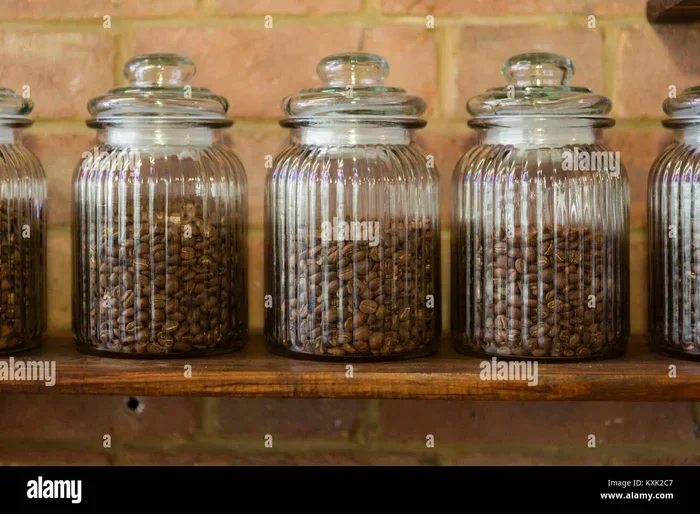
Visual guide about Fresh coffee beans jar
Image source: c8.alamy.com
The Smell Test
Fresh coffee has a strong aroma. It smells rich and inviting. Stale beans smell flat or dull. They might smell like cardboard or wood. The oils have evaporated. The volatile compounds are gone. If you open the bag and smell nothing, it is old. Trust your nose. It is the best indicator of freshness.
Visual Clues
Look at the beans closely. Fresh beans have a slight sheen. This comes from the natural oils. Stale beans look dry and matte. They lose that oily coating. You might also see cracks or mold. If you see white spots, throw them away. Moisture caused mold growth. This is dangerous and tastes bad. Always inspect your beans before brewing.
Taste Changes
The final test is the cup. Stale coffee tastes bitter or sour. It lacks sweetness and complexity. The body feels thin and watery. Fresh coffee has balance and depth. If your brew tastes off, check the beans. They might be past their prime. You can still drink them, but do not expect joy. Knowing how long do coffee beans stay fresh helps you avoid this disappointment.
Tips to Maximize Coffee Freshness
You want every cup to taste great. Small habits make a big difference. Follow these tips to keep your beans optimal. These strategies work for any coffee lover. They are easy to implement today. Start using them to improve your morning routine.
Buy in Small Batches
Do not buy huge bags of coffee. Unless you drink a lot, big bags go stale. Buy smaller amounts more often. This ensures you use them while fresh. A two-week supply is ideal for most people. It forces you to rotate your stock. You always have fresh beans available. This is the easiest way to manage freshness.
Grind Just Before Brewing
Invest in a good grinder. Grinding right before brewing preserves flavor. It locks in the oils until the last moment. Pre-ground coffee loses quality fast. A burr grinder gives consistent particles. This helps extraction too. The effort is worth the taste difference. You will notice the improvement immediately.
Clean Your Equipment
Old coffee oils linger in machines. They go rancid over time. This affects the taste of fresh beans. Clean your grinder and brewer regularly. Use warm water and mild soap. Remove any residue from previous batches. Clean equipment ensures pure flavor. It complements your fresh beans perfectly.
Common Mistakes to Avoid
Even experienced drinkers make errors. Avoid these pitfalls to keep beans fresh. These mistakes shorten the shelf life quickly. Learning them helps you save money. You also get better coffee results. Watch out for these common issues in your kitchen.
Storing in the Fridge
Putting coffee in the fridge is a bad idea. The temperature fluctuates when you open the door. This causes condensation inside the bag. Moisture ruins the beans. Also, coffee absorbs fridge odors. Your coffee might taste like leftovers. Keep it in a cool pantry instead. This is a crucial tip for how long do coffee beans stay fresh.
Keeping Beans in Direct Sunlight
Countertops near windows are risky. Sunlight heats the beans and degrades them. UV light breaks down organic compounds. Move your canister to a darker spot. A cupboard is much safer. Protect your beans from the sun. It is a simple fix with big results.
Using Old Grinders
A dull grinder crushes beans unevenly. This creates dust and boulders. Dust over-extracts and tastes bitter. Boulders under-extract and taste sour. Clean your grinder blades or burrs. Replace them if they are worn out. Good grinding is part of freshness. It ensures you get the most from your beans.
Expert Insights on Coffee Longevity
Baristas and roasters have valuable advice. They handle beans every day. Their insights can help you at home. They focus on the sensory experience. They know what makes a cup special. Listening to experts improves your knowledge. Here are some top tips from the pros.
The Degassing Period
Freshly roasted beans release gas. This is called degassing. Brewing too soon can cause problems. The gas repels water during extraction. This leads to uneven brewing. Wait at least 3 to 5 days after roasting. This allows the flavors to settle. Then the coffee tastes smoother. Patience pays off in the cup.
Water Quality Matters
Fresh beans need good water. Tap water with chlorine tastes bad. It masks the coffee flavors. Use filtered water for brewing. Clean water highlights the bean notes. It complements the freshness perfectly. Hard water can also leave scale. Keep your water clean for best results.
Rotation Strategy
Practice first-in, first-out. Use the oldest beans first. Mark your bags with the date. Put new bags behind the old ones. This prevents beans from sitting too long. It is a simple organization trick. It ensures you never drink stale coffee. Manage your stock like a pro shop.
Conclusion
Coffee is a wonderful part of daily life. But it requires care to stay delicious. Knowing how long do coffee beans stay fresh helps you enjoy it more. Whole beans last a few weeks past roasting. Ground coffee expires much faster. Storage makes a huge difference in longevity. Keep them cool, dark, and sealed. Avoid the fridge and direct sun.
Trust your senses to check quality. Smell the aroma and look at the oils. Taste the brew for any off notes. Buy small batches and grind fresh. These habits guarantee a great cup. You do not need to be an expert to do this. Just follow these simple rules. Your morning coffee will thank you. Start applying these tips today for better brews.
Frequently Asked Questions
How long do coffee beans stay fresh after opening?
Once opened, whole coffee beans stay fresh for about 2 to 4 weeks. You should store them in an airtight container to preserve the flavor. Ground coffee loses freshness much faster, often within a few days.
Can you drink coffee beans after the expiration date?
Yes, you can drink them, but the flavor will be flat and stale. The expiration date is for quality, not safety. If they smell bad or show mold, you should throw them away immediately.
Does freezing coffee beans keep them fresh longer?
Freezing can extend freshness for up to a month if done correctly. You must seal them in airtight bags to prevent moisture damage. Never refreeze beans after they have thawed to avoid condensation.
What is the best way to store coffee beans?
Store beans in an opaque, airtight container in a cool, dark place. A pantry or cupboard is ideal for maintaining quality. Avoid storing them near heat sources like the stove or in direct sunlight.
How can you tell if coffee beans are stale?
Stale beans smell dull, cardboard-like, or have no aroma at all. They also look dry and lack the natural oily sheen of fresh beans. The brewed coffee will taste bitter, sour, or watery.
Is it better to buy whole bean or ground coffee?
Whole bean coffee is always better for freshness and flavor. It stays fresh longer because it has less surface area exposed to oxygen. Grinding just before brewing preserves the aromatic oils and complex notes.



